
The Lemosho Route is one of the most scenic and gradual ways to climb Mount Kilimanjaro. It approaches the mountain from the west through rainforest before crossing the Shira Plateau and joining the southern circuit toward Lava Tower, Barranco, Karanga and Barafu. Most climbers choose 7 or 8 days, with the 8-day Lemosho Route being the better option for most first-time climbers because it gives you more time to acclimatize and reduces the pressure of the final days.
The route reaches Uhuru Peak at 5,895 m (19,341 ft) and covers roughly 70–76 km (43–47 miles) depending on the exact itinerary and route measurements. Unlike Marangu, Lemosho uses tented camps, and the descent normally takes the Mweka Route.
Lemosho is particularly attractive if you want a combination of scenery, quieter early trekking, gradual altitude gain and a strong chance of reaching the summit.
| Feature | Lemosho Route |
|---|---|
| Route location | Western side of Kilimanjaro |
| Starting gate | Londorossi Gate |
| Typical duration | 7–8 days |
| Distance | ~70–76 km / 43–47 miles |
| Highest point | Uhuru Peak – 5,895 m / 19,341 ft |
| Starting elevation | ~2,100–2,400 m, depending on trailhead |
| Accommodation | Mountain tents |
| Difficulty | Challenging |
| Technical climbing | Not required |
| Main acclimatization feature | Shira Plateau + Lava Tower climb-high/sleep-lower profile |
| Descent | Mweka Route |
| Best itinerary | 8 days |
| Typical 2026 package cost | ~$2,000–$3,300+ pp |
| Best months | January–February and June–October |
| Crowds | Quieter early on; joins the southern routes higher up |
TANAPA confirms that Lemosho is accessed through the Lemosho gate via Londorossi, while Mweka Gate is used for descent. Other than Marangu, Kilimanjaro's routes use designated tented camps operated through licensed arrangements.
The Lemosho Route is a western approach to Mount Kilimanjaro that starts near Londorossi and takes climbers through the mountain's rainforest before reaching the high-altitude Shira Plateau.
Its biggest advantage is the amount of time available for acclimatization.
Instead of gaining altitude rapidly and heading directly toward the summit, Lemosho gives you several days to gradually move higher. You also get an important acclimatization day around Lava Tower at approximately 4,630 m, followed by a descent to sleep at Barranco Camp at roughly 3,960–4,000 m.
That “climb high, sleep lower” pattern is one of the reasons Lemosho is considered a strong route for acclimatization.
The trek begins on the western side of Mount Kilimanjaro at or near the Lemosho trailhead, accessed through Londorossi Gate.
From Moshi, the transfer to the western gate and trailhead takes longer than the drive to some of the southern gates, but this remote starting point is part of what makes the first section of Lemosho feel quieter and more wilderness-oriented.
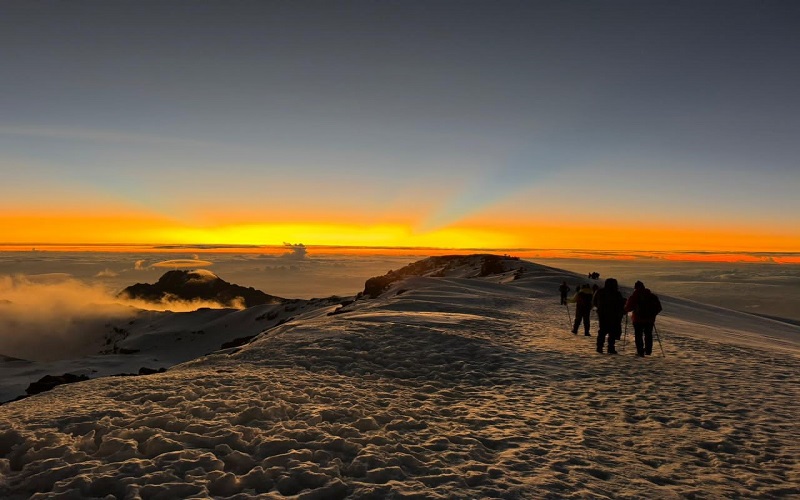
A scenic 6-day climb through rainforest, the Shira Plateau, Lava Tower and Barranco, followed by the final ascent to Uhuru Peak.
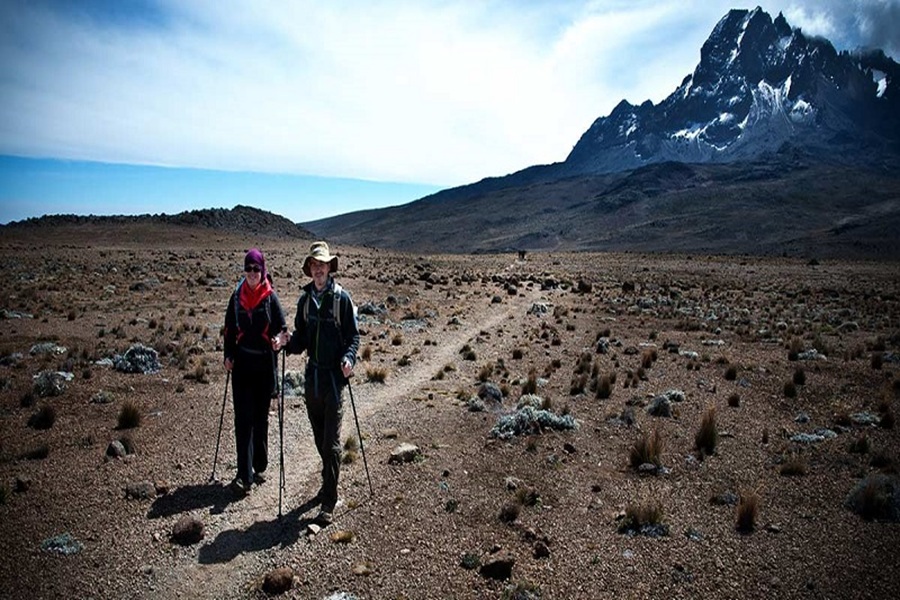
A scenic 7-day climb through rainforest, the Shira Plateau, Lava Tower and Barranco, with a gradual ascent toward Uhuru Peak.
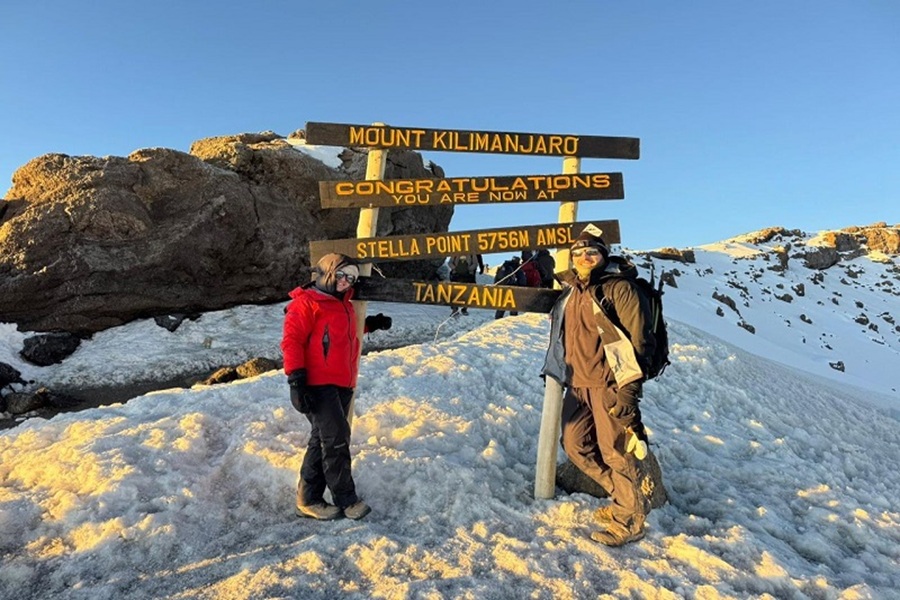
A longer and more gradual Lemosho climb with extra time for acclimatization, scenic trekking and a well-paced approach to Uhuru Peak.
Lemosho stands out for four main reasons:
You get rainforest at the beginning, open moorland around Shira, dramatic volcanic scenery around Lava Tower and Barranco, alpine desert near Barafu, and the cold summit zone above 5,000 m.
The Lemosho Route is challenging but achievable for a reasonably fit person, and you do not need technical mountaineering experience.
The biggest challenge is not rock climbing. It is the combination of distance, altitude, steep sections, long trekking days and the final summit push to 5,895 m.
Compared with shorter Kilimanjaro routes, Lemosho gives you more time to adapt, which makes the overall experience more manageable even though the route itself is long.
A beginner can climb Lemosho successfully.
However, I would strongly recommend the 8-day itinerary for a first-time Kilimanjaro climber rather than trying to save money by choosing the shortest possible version.
The extra day gives you:
A beginner does not need to be a marathon runner, but you should be comfortable walking for 5–8 hours on several consecutive days.
The most demanding sections are usually:
The summit day can involve approximately 10–14 hours of combined trekking, depending on your pace, itinerary and conditions.
Not necessarily.
Lemosho is longer and therefore requires more total walking, but the extra days make the altitude progression more gradual.
For a first-time climber, an 8-day Lemosho can actually feel more manageable than a compressed 6-day or 7-day route because you are not forced to gain altitude and cover long distances as quickly.
The highest point on Lemosho is Uhuru Peak at 5,895 m (19,341 ft).
The important thing to understand is that you do not simply walk continuously upward from the beginning. The route intentionally gains and loses altitude to help with acclimatization.
A typical 8-day profile looks roughly like this:
| Location | Elevation |
|---|---|
| Londorossi / Lemosho trailhead | ~2,100–2,400 m |
| Mti Mkubwa / Forest Camp | ~2,780–2,850 m |
| Shira 1 | ~3,500 m |
| Shira 2 | ~3,800 m |
| Moir Hut | ~4,200 m |
| Lava Tower | ~4,630 m |
| Barranco Camp | ~3,960–4,000 m |
| Karanga Camp | ~4,000 m |
| Barafu Camp | ~4,670 m |
| Stella Point | ~5,739 m |
| Uhuru Peak | 5,895 m |
| Mweka Camp | ~3,100 m |
Exact camp elevations can vary slightly between route references and operator itineraries.
The most important section is the climb toward Lava Tower at about 4,630 m, followed by a descent to Barranco at roughly 4,000 m.
You therefore spend part of the day at a significantly higher elevation before sleeping lower.
This is much more useful for acclimatization than simply rushing upward every day.
From the lower Lemosho trailhead to Uhuru Peak, the total vertical difference is roughly 3,500–3,800 m, depending on the exact starting point.
However, your actual elevation gained throughout the trek is considerably greater because the route repeatedly climbs and descends.
That is why Lemosho can feel physically demanding even though the daily altitude increase is carefully managed.
The Lemosho Route covers approximately 70–76 km (43–47 miles) from the western starting point to the descent gate, depending on the itinerary and how the route is measured.
This makes it one of the longer standard trekking routes on Kilimanjaro.
The additional distance is not necessarily a disadvantage. Much of it is useful for spreading the ascent over more days.
A representative 8-day itinerary can look like this:
| Day | Route | Approx. Distance |
|---|---|---|
| 1 | Lemosho trailhead → Mti Mkubwa | ~6–7 km |
| 2 | Mti Mkubwa → Shira 1 | ~8 km |
| 3 | Shira 1 → Shira 2 → Moir | ~10–14 km |
| 4 | Moir → Lava Tower → Barranco | ~7 km |
| 5 | Barranco → Karanga | ~5 km |
| 6 | Karanga → Barafu | ~4 km |
| 7 | Barafu → Uhuru Peak → Mweka | ~17 km |
| 8 | Mweka → Mweka Gate | ~10 km |
The exact distances vary because operators use slightly different camp combinations and route measurements. One established 8-day itinerary, for example, lists 6 km, 8 km, 14 km, 7 km, 5 km, 4 km, 5 km ascent + 12 km descent, and 10 km for its respective days.
No.
If you have 8 days available, the extra distance is actually one of the advantages of the route. Instead of forcing the mountain into a short schedule, you spread the climb over more days.
The route becomes demanding mainly because of altitude and summit day, not simply because the total distance is 70+ km.
Lemosho is a camping route, so you sleep in mountain tents rather than the permanent huts used on Marangu.
The camps can vary slightly between operators, particularly around the Shira Plateau, but a typical 8-day itinerary uses:
| Camp | Approx. Elevation | Purpose |
|---|---|---|
| Mti Mkubwa / Big Tree Camp | ~2,800 m | First overnight |
| Shira 1 Camp | ~3,500 m | Entering Shira Plateau |
| Shira 2 Camp | ~3,800 m | Acclimatization |
| Moir Hut | ~4,200 m | High-altitude acclimatization |
| Barranco Camp | ~3,960 m | After Lava Tower |
| Karanga Camp | ~4,000 m | Short acclimatization day |
| Barafu Camp | ~4,670 m | Summit preparation |
| Mweka Camp | ~3,100 m | Post-summit descent |
Lemosho's camp pattern is important because it gives you several opportunities to move high during the day and then sleep at a more manageable elevation.
Mountain camping on Lemosho is basic but comfortable enough for a trekking expedition.
A typical setup includes:
Permanent hotel-style facilities should not be expected.
The environment becomes increasingly cold and exposed as you climb toward 4,000–5,000 m, so a good sleeping bag and proper cold-weather clothing are important.
If you are deciding between the two, choose the 8-day Lemosho Route if your budget and schedule allow it.
The 7-day itinerary is still a good route, but the 8-day version gives you a more relaxed progression and usually makes the final stages less compressed.
Typical characteristics:
A representative 7-day itinerary can include a long day around the Shira Plateau and then combine Barranco → Karanga → Barafu into one demanding day. One published itinerary lists this combined section at approximately 9 km and 8–10 hours.
Typical characteristics:
The key advantage is that the climb from Barranco to Barafu is split into two shorter days rather than being compressed into one long day.
| Factor | 7-Day | 8-Day |
|---|---|---|
| Price | Lower | Higher |
| Walking pace | Faster | More relaxed |
| Acclimatization | Very good | Better |
| Recovery time | Less | More |
| Beginner friendly | Yes, if fit | Yes — preferred |
| Previous trekking experience | Helpful | Not essential |
| Summit preparation | Good | Better |
| Overall recommendation | Good | Best choice for most climbers |
If the price difference is manageable, I would choose 8 days.
You are not paying for an unnecessary extra day. You are paying for more time on the mountain, a less compressed schedule and better preparation for the hardest part of the climb.
For 2026, a realistic price for an organized Lemosho climb is generally around $2,000–$3,300+ per person, although private climbs, single-person departures and premium operators can cost considerably more.
Current published examples show 7-day prices around $2,300–$3,000+ and 8-day prices around $2,300–$3,300+, while larger groups can sometimes receive lower per-person rates.
| Climb | Approximate 2026 Price |
|---|---|
| 7-Day Lemosho | $2,000–$3,000+ pp |
| 8-Day Lemosho | $2,200–$3,300+ pp |
| 9-Day Lemosho / Crater option | $2,900–$4,000+ pp |
| Private 1-person climb | Usually higher |
| Larger group | Usually lower per person |
For example, one current 2026 price schedule lists an 8-day Lemosho at $2,800 for 1 climber, falling to approximately $2,050 per person for groups of 6 or more. Another published schedule lists $3,115 for 1 person and $2,285 per person for groups of 7+.
This is why it is better to give travelers a range rather than claim that there is one fixed “Lemosho price.”
A proper Lemosho package normally includes:
TANAPA confirms that park fees vary according to visitor category, route and number of days, and that guide and porter services are arranged through licensed operators.
| Additional Expense | Typical Budget |
|---|---|
| Tanzania tourist visa | $50 for many nationalities |
| Travel insurance | $80–$200+ |
| Crew tips | $200–$350+ depending on group and service |
| Sleeping bag rental | $30–$60 |
| Equipment rental | $10–$100+ depending on items |
| Extra hotel nights | $30–$150+ per night |
| International flights | $700–$1,500+ depending on origin |
These are planning figures rather than fixed charges.
Usually, yes.
Lemosho normally requires 7–8 days, compared with shorter Machame itineraries, so you have additional park fees, food, crew days and logistical costs.
However, the extra cost can be worthwhile if your priority is acclimatization and a less rushed climb.
The best time to climb Lemosho is during Kilimanjaro's drier periods, particularly January–February and June–October.
These months generally offer better trail conditions, clearer views and more favorable summit conditions.
| Months | Conditions | Recommendation |
|---|---|---|
| January–February | Generally dry, clear and cold | Excellent |
| March | Increasing rainfall | Good early, less reliable later |
| April–May | Long rains | Least favorable |
| June | Start of long dry season | Very good |
| July–August | Dry, cool, popular | Excellent but busier |
| September–October | Dry and generally clear | Excellent |
| November | Short rains | Possible, but wetter |
| December | Variable; conditions improve later | Possible |
These are excellent months if you want relatively dry conditions without the busiest part of the main June–October season. Temperatures become very cold near the summit, but visibility can be excellent.
This is the main dry-season climbing period. July, August and September are particularly popular, so expect more trekkers on the mountain. The first part of Lemosho can still feel relatively quiet because fewer groups start from the western side.
These are the months I would be most cautious about recommending for a first-time climber. The western rainforest can become wet and muddy, while cloud and rain can reduce visibility. The mountain can still be climbed, but the experience is more weather-dependent.
There is no single official Lemosho Route success rate that applies to every climber, so you should be careful with websites claiming that exactly 90%, 95% or another fixed percentage of Lemosho climbers reach Uhuru Peak.
Published operator and route sources commonly report around 85–90% or higher for well-paced 8-day Lemosho climbs, while shorter itineraries generally have lower reported rates. The figures vary because operators use different groups, seasons, definitions and reporting methods.
The main reason is its itinerary design.
Lemosho gives climbers:
The 8-day version is particularly useful because it separates Barranco → Karanga → Barafu rather than forcing all of those stages into one long day.
No.
A reported route success rate is a useful indicator, but it does not predict what will happen to one individual.
Your outcome can still be affected by:
Even a very fit person can develop altitude illness.
The best way to improve your own chances is to choose an itinerary with enough acclimatization time, walk slowly, communicate symptoms early and follow your guide's instructions.
The Lemosho Route feels like a long wilderness trek that gradually transforms into a high-altitude expedition.
The first part takes you through lush rainforest on the western side of Kilimanjaro. You then emerge into the open landscapes of the Shira Plateau, where Kibo becomes increasingly dominant on the horizon.
As you continue east, the scenery becomes more dramatic and barren. You pass through the Lava Tower area at approximately 4,630 m, descend toward Barranco and tackle the famous Barranco Wall.
From there, the landscape changes again as you approach Karanga and Barafu. Vegetation becomes sparse, temperatures drop and the mountain feels increasingly exposed.
Finally, you begin the summit attempt from around 4,670 m during the night, climbing toward Stella Point at about 5,739 m and then continuing to Uhuru Peak at 5,895 m.
One of the biggest reasons people choose Lemosho is the variety of scenery.
You can experience:
This is one of the routes where the journey itself is a major part of the attraction.
The first part of Lemosho is generally quieter than the more heavily used southern starting routes.
However, Lemosho does not remain isolated for the entire climb.
Once it joins the southern circuit around the Shira/Lava Tower/Barranco area, you share sections of the trail with climbers coming from Machame and other routes.
So the realistic expectation is:
Quieter beginning → moderate traffic in the middle → potentially busy summit sections during peak season.
Yes. Lemosho is widely regarded as one of Kilimanjaro's most scenic routes because of its gradual transition through different ecological zones.
If scenery is one of your highest priorities, Lemosho should be near the top of your route shortlist.
The Barranco Wall is one of the most famous sections of Lemosho.
It looks intimidating from Barranco Camp, but it is not a technical rock-climbing wall.
You will scramble over and around rocks using your hands for balance in some sections. A guide normally helps climbers choose the safest line.
The wall is challenging mainly because you are already at roughly 4,000 m, where the thin air makes physical effort harder.
The summit attempt normally begins around midnight to 2:00 a.m. from Barafu Camp.
At approximately 4,670 m, you begin climbing through the darkness toward Stella Point and then Uhuru Peak.
A typical summit profile is:
Barafu Camp → Stella Point → Uhuru Peak → Barafu → Mweka Camp
Uhuru Peak: 5,895 m / 19,341 ft
Stella Point: ~5,739 m / 18,829 ft
The summit ascent can take around 6–8 hours, followed by a long descent.
Depending on the itinerary and individual pace, the entire summit day can involve approximately 10–14 hours or more of activity.
This is why having a shorter day immediately before the summit on the 8-day itinerary is such an advantage.
Lemosho is particularly suitable for you if you want:
The 8-day Lemosho Route is especially suitable for first-time climbers who have enough time and budget.
Lemosho may not be the best choice if your priority is:
The Cheapest Possible Climb
A shorter route can cost less because you spend fewer days paying for park fees, food, crew and logistics.
Mountain Huts
Choose Marangu if sleeping in permanent mountain huts is more important to you than camping.
A Very Quiet Route
Lemosho's beginning is quiet, but it eventually joins the southern circuit.
A Short Trek
Lemosho is not the route to choose if you want to finish Kilimanjaro as quickly as possible.
Maximum Time for Acclimatization
If you have 9 days or more, you should also compare Lemosho with the Northern Circuit, which gives you an even longer itinerary.
Lemosho and Machame eventually share significant sections of the southern circuit, but they start very differently.
| Feature | Lemosho | Machame |
|---|---|---|
| Approach | West | South |
| Typical duration | 7–8 days | 6–7 days |
| Distance | ~70–76 km | ~62 km |
| Starting environment | Remote rainforest | Southern rainforest |
| Early crowds | Lower | Higher |
| Scenery | Excellent | Excellent |
| Acclimatization | Excellent | Very good |
| Camping | Yes | Yes |
| Difficulty | Challenging | Challenging |
| Best for beginners | 8 days | 7 days |
| Typical cost | Higher | Usually lower |
| Main advantage | Gradual, scenic and longer | Scenic and more direct |
If you have the extra day and budget, Lemosho is the route I would favor for a first-time climber who wants a more gradual experience.
Most climbers choose 7 or 8 days. The 8-day itinerary is generally the better choice because it provides more time for acclimatization and recovery.
Expect approximately 70–76 km (43–47 miles) depending on the itinerary and exact route measurement.
The route reaches Uhuru Peak at 5,895 m (19,341 ft).
Both are challenging. Lemosho is longer, but its additional days allow a more gradual ascent. An 8-day Lemosho can therefore feel more manageable than a shorter, compressed route.
Yes. For beginners, I recommend the 8-day Lemosho Route rather than the 7-day version if time and budget allow.
There is no single official percentage for every Lemosho climber. Published operator figures commonly put well-paced 8-day Lemosho climbs around 85–90% or higher, but results vary by operator, season, itinerary and climber.
For 2026, a realistic range is approximately $2,000–$3,300+ per person, with larger groups generally paying less per person and private/single departures costing more.
Usually, yes, because Lemosho normally takes 7–8 days and therefore requires more park fees, food, crew services and logistics.
No. Lemosho is a camping route using designated tented camps.
The strongest periods are generally January–February and June–October. April–May is the wettest period and is generally less favorable for first-time climbers.
The western beginning is generally quieter, but Lemosho eventually joins the southern circuit and can become busier around Lava Tower, Barranco, Karanga and Barafu.
No technical climbing experience is required. You need reasonable fitness, preparation and the ability to handle long trekking days at altitude.
It is steep and requires scrambling, but it is not normally a technical climbing section. Guides assist climbers through the more difficult parts.
8 days. The extra day gives you a more relaxed pace and separates the Barranco–Karanga and Karanga–Barafu sections, leaving you better rested before the summit attempt.
No. TANAPA states that Kilimanjaro climbs must be undertaken with a licensed operator and guide; solo trekking is not permitted.
For most climbers who have 8 days available, Lemosho is one of the strongest choices on Mount Kilimanjaro.
You get approximately 70–76 km of trekking, reach 5,895 m, cross several distinct ecological zones, spend your first days in a quieter part of the mountain and have a longer acclimatization schedule than the shorter routes.
The biggest decision is not simply whether to choose Lemosho. It is whether to choose 7 or 8 days.
If you are a first-time climber, the answer is straightforward:
Choose the 8-day Lemosho Route if your schedule and budget allow it.
The additional day costs more, but it gives you more recovery time, a less compressed itinerary and a better preparation for the hardest day of the climb.
For someone whose priorities are scenery + acclimatization + summit opportunity + a quieter beginning, Lemosho is an excellent fit.
Choose the recommended 8-day Lemosho itinerary for better acclimatization. We organize fixed departures and private climbs from Moshi.