7 Kilimanjaro Hiking Routes Explained | Expert Guide to All Mount Kilimanjaro Climbing Routes
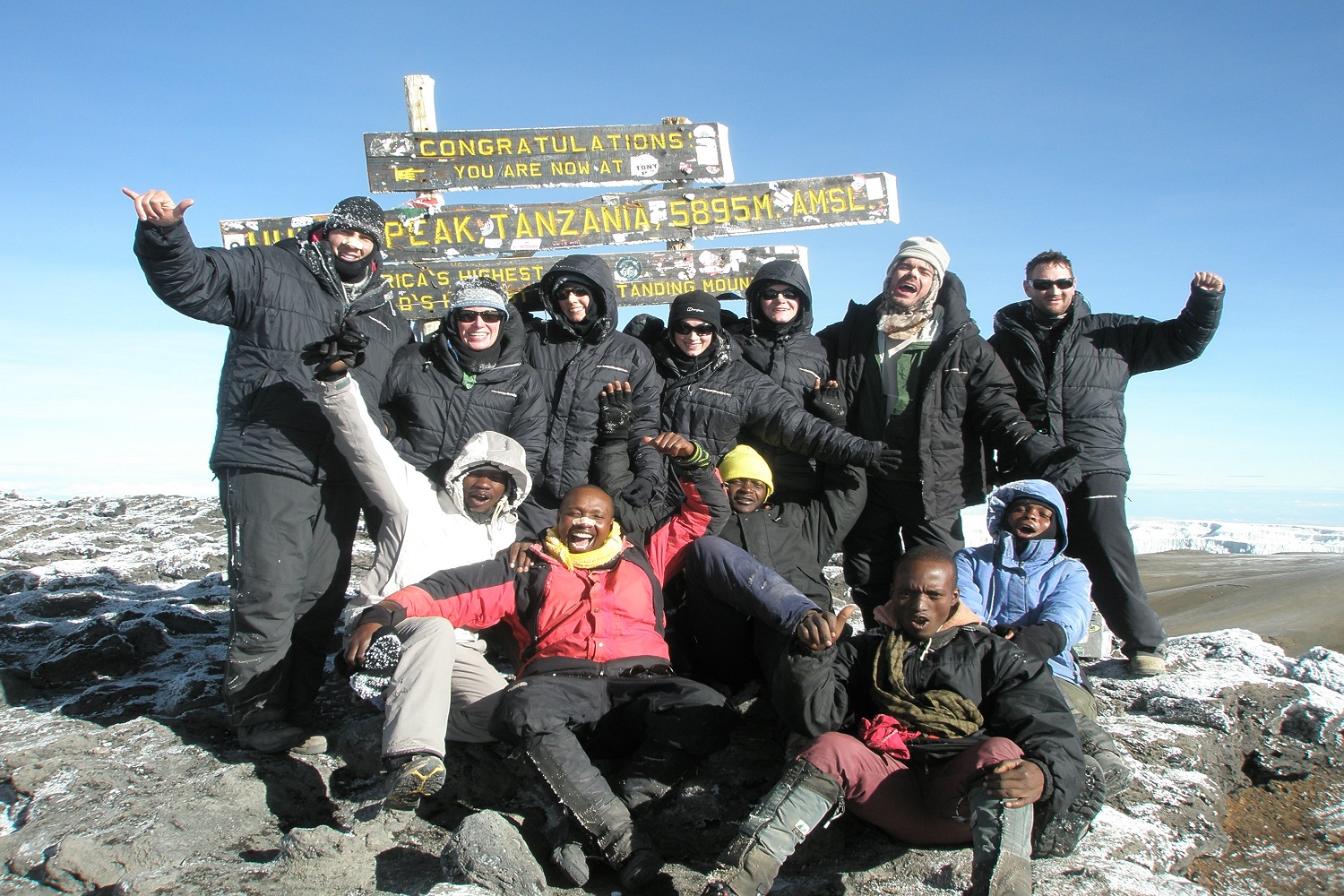
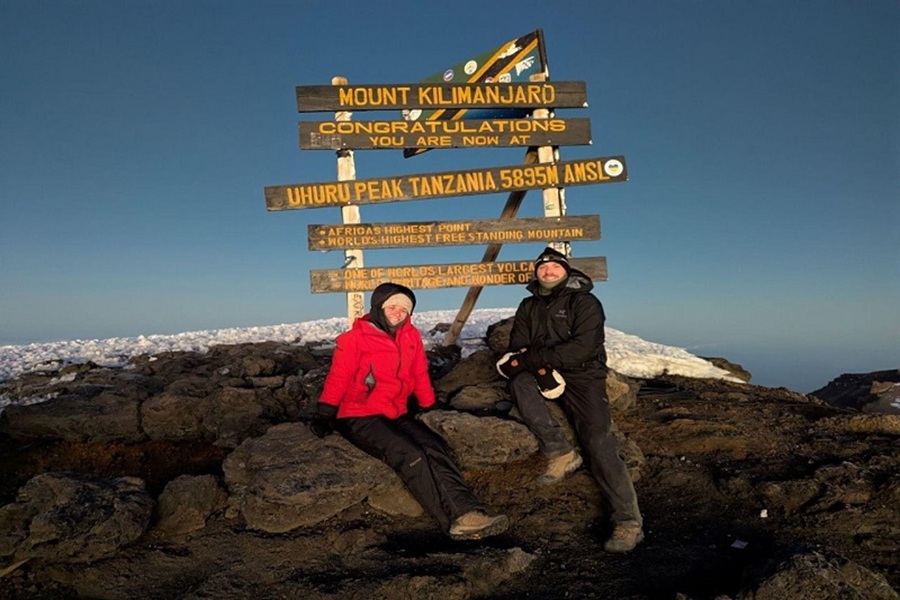
Mount Kilimanjaro is not just a mountain; it is a complete world of ecological zones, climate shifts, and endurance challenges. Rising to 5,895 meters above sea level, it is the highest free-standing mountain on Earth and one of the most iconic trekking destinations in the world.
Every year, thousands of climbers attempt to reach Uhuru Peak. However, success on Kilimanjaro is not only about fitness—it is heavily influenced by one critical decision: choosing the right hiking route.
Kilimanjaro has seven official trekking routes, each offering a completely different experience in terms of scenery, acclimatization profile, difficulty, crowd levels, and summit success rate.
As a professional Kilimanjaro guide, I will break down each route based on real mountain experience, not theory, so you understand exactly what to expect before booking your climb.
The seven Kilimanjaro hiking routes are Marangu, Machame, Lemosho, Shira, Rongai, Northern Circuit, and Umbwe. Each one tells a different story of the mountain.
1. Marangu Route – The Comfort Route with Fast Ascent Profile
The Marangu Route is the oldest and most established route on Kilimanjaro. It is famously known as the “Coca-Cola Route” because it offers hut accommodation instead of camping, making it the most comfortable trekking option on the mountain.
From a guide’s perspective, Marangu is often misunderstood. Many climbers assume it is easy because of its comfort, but in reality, it is one of the most physically deceptive routes due to its rapid ascent profile.
The route begins at Marangu Gate and ascends through dense rainforest where humidity is high and visibility is often limited. The trail is well-established and straightforward, making navigation easy even for beginners.
As altitude increases, the vegetation transitions into moorland and later into an alpine desert environment. However, because the route is shorter, acclimatization is limited, which directly affects summit success rates.
The biggest challenge on Marangu is not terrain—it is altitude. Climbers often feel the effects strongly on summit night due to the faster schedule.
This route is best suited for climbers who want comfort, simplicity, and structured accommodation, but it is not ideal for those prioritizing scenic diversity or high success probability.
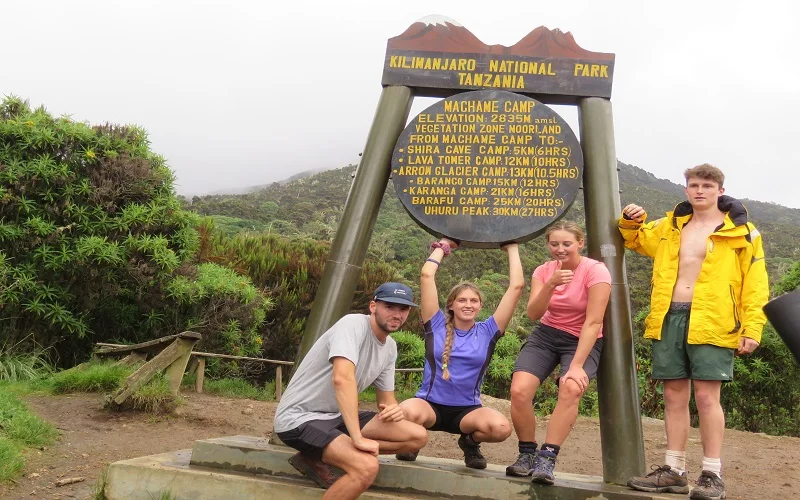
2. Machame Route – The Most Scenic and Balanced Route
The Machame Route is widely considered the most beautiful and rewarding Kilimanjaro hiking route. It offers a perfect balance between challenge, scenery, and summit success rate.
Unlike Marangu, Machame follows a “climb high, sleep low” strategy, which improves acclimatization and increases the chances of reaching the summit successfully.
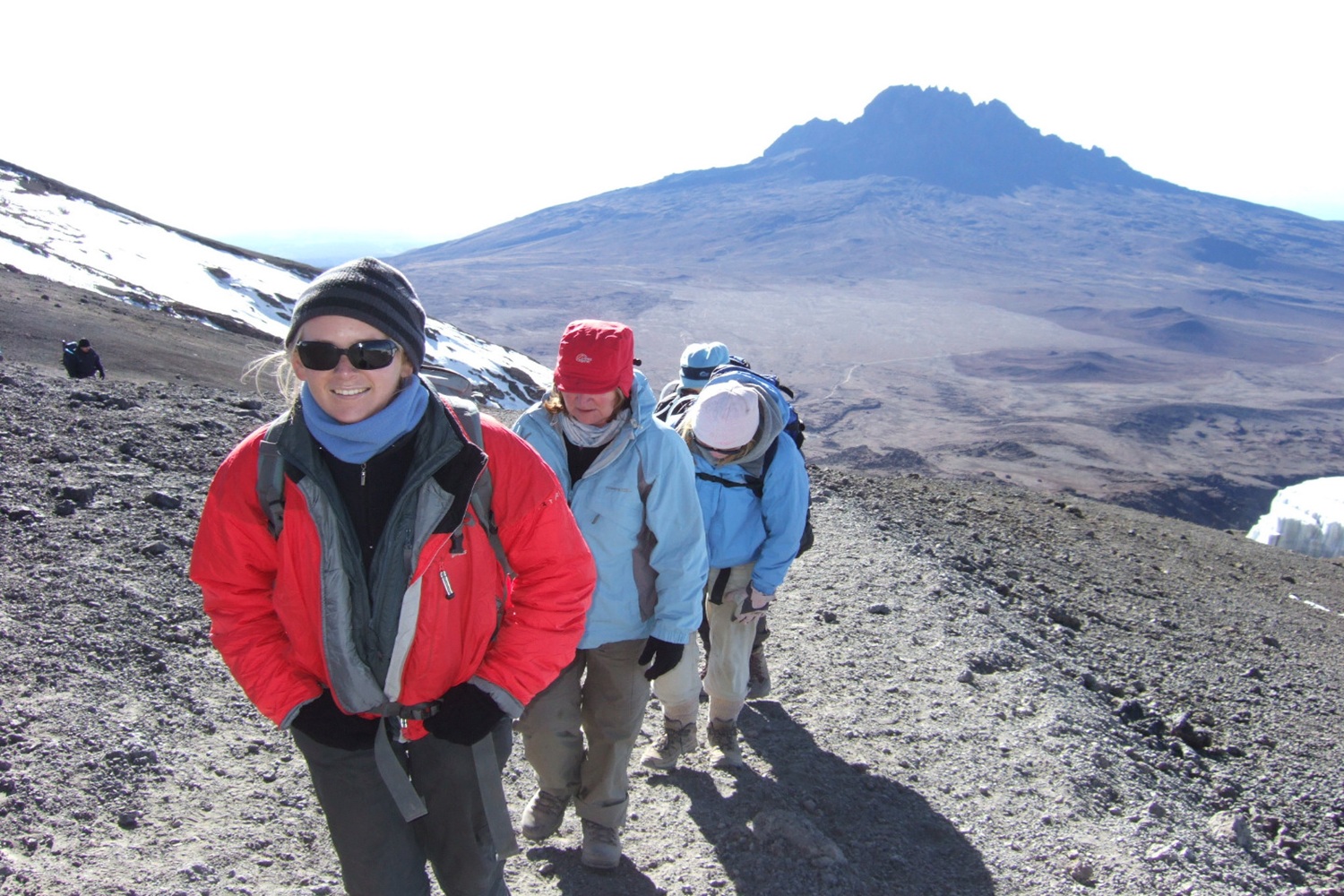
The journey begins in dense rainforest where the air is humid and the trail is steep in some sections. As climbers gain elevation, the landscape transforms dramatically into moorland, volcanic ridges, and the famous Shira Plateau.
One of the most remarkable aspects of Machame is its diversity. Each day feels like entering a completely new world, from misty jungle mornings to wide alpine desert evenings under star-filled skies.
The route is physically demanding due to longer walking hours and camping conditions, but the reward is a significantly higher summit success rate compared to shorter routes.
From a guiding perspective, Machame is ideal for adventurous climbers who want both challenge and visual reward without sacrificing too much safety.
3. Lemosho Route – The Most Scenic and High-Success Route
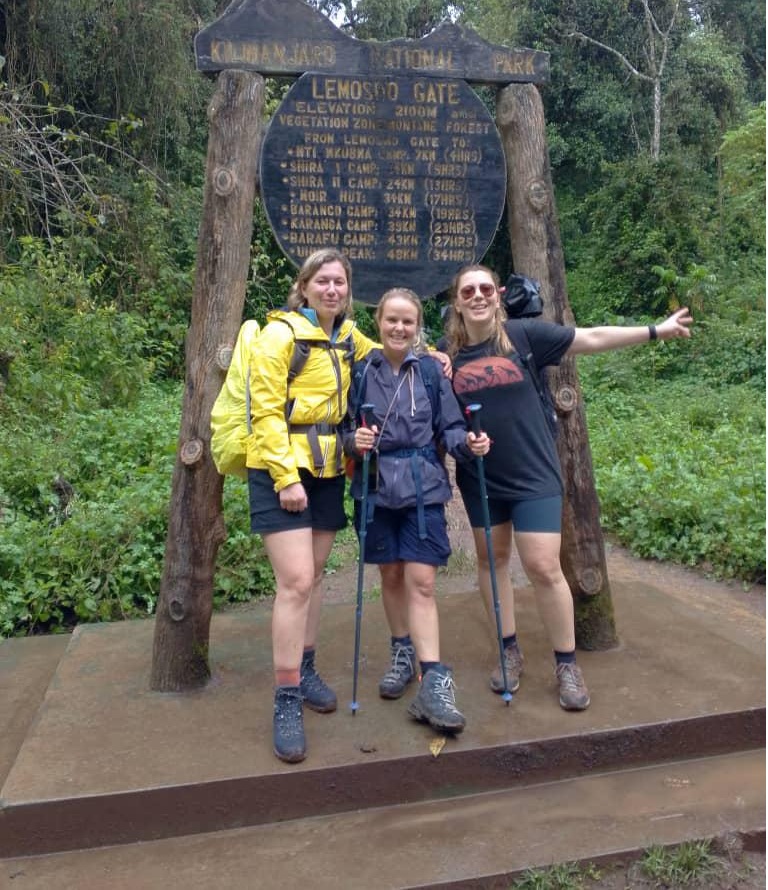
The Lemosho Route is widely regarded as the most scenic Kilimanjaro hiking route, offering remote wilderness experience from the very beginning of the climb.
Starting on the western side of Kilimanjaro, Lemosho is less crowded during the early days, allowing climbers to experience untouched rainforest with higher chances of wildlife sightings.
As the route progresses, it merges with the Shira Plateau, where wide panoramic views of the mountain dominate the landscape. This section is often considered one of the most beautiful areas on Kilimanjaro.
Lemosho is longer than Machame and Marangu, which is a major advantage because the slower ascent allows better acclimatization and significantly increases summit success rates.
From a guide’s perspective, Lemosho is the most recommended route for first-time climbers who want a high chance of success combined with premium scenery and fewer crowds.
Although it is slightly more expensive due to its length, most climbers consider it the best overall Kilimanjaro experience.
4. Shira Route – The High Starting Elevation Challenge
The Shira Route is unique because it starts at a high elevation of around 3,500 meters, unlike other routes that begin in rainforest zones.
This immediate altitude exposure makes the first day significantly more challenging, especially for climbers who have not acclimatized before arrival in Tanzania.
However, the scenery is breathtaking from the start. The Shira Plateau offers open landscapes with dramatic views of Kilimanjaro’s western slopes.
Eventually, Shira merges with Lemosho and Machame routes, meaning later stages of the climb share similar terrain and summit paths.
From a guiding perspective, Shira is not recommended for beginners due to altitude risk, but it remains a visually impressive route for experienced trekkers.
5. Rongai Route – The Quiet and Dry Northern Route
The Rongai Route approaches Kilimanjaro from the northern side near the Kenya border and is known for being the quietest and least crowded route on the mountain.
Unlike other routes that begin in lush rainforest, Rongai starts in a dry, semi-arid landscape that feels remote and peaceful.
This route is particularly popular during rainy seasons because it receives less precipitation compared to southern routes.
From a guiding perspective, Rongai is considered moderate in difficulty, but like all Kilimanjaro routes, altitude remains the main challenge.
The descent via Marangu offers climbers a completely different perspective of the mountain, making it a unique round-trip experience.
6. Northern Circuit Route – The Longest and Most Successful Route
The Northern Circuit Route is the longest Kilimanjaro hiking route, typically taking 8 to 9 days to complete. It circles the northern slopes of the mountain, offering unmatched panoramic views.
This route provides the best acclimatization profile on Kilimanjaro, which is why it has the highest summit success rate of all routes.
The trekking experience is slow, immersive, and peaceful, allowing climbers to fully adapt to altitude while enjoying remote wilderness scenery.
Because of its length and low crowd levels, the Northern Circuit is often recommended for climbers who prioritize safety, success, and comfort over time efficiency.
From a guiding perspective, this is the most reliable route for reaching Uhuru Peak successfully.
7. Umbwe Route – The Steepest and Most Demanding Route
The Umbwe Route is the most challenging and direct route on Kilimanjaro. It is extremely steep from the beginning and offers very little time for acclimatization.
The trail climbs rapidly through dense rainforest before reaching narrow ridges and exposed alpine terrain, making it physically and mentally demanding.
This route is only recommended for experienced trekkers or highly fit climbers who are confident in handling altitude stress.
Although difficult, Umbwe is one of the most dramatic and adventurous routes, offering a raw and untouched mountain experience.
Eventually, it joins the Machame Route, where climbers continue toward the summit using shared trails.
Kilimanjaro Hiking Routes Comparison Table
To help you choose the best Kilimanjaro hiking route, here is a simple comparison of all seven routes based on difficulty, duration, scenery, crowd levels, and summit success rate.
| Route | Duration | Difficulty | Scenery | Crowd Level | Success Rate | Best For |
|---|---|---|---|---|---|---|
| Marangu | 5–6 Days | Moderate | Medium | High | Medium | First-time climbers, comfort seekers |
| Machame | 6–7 Days | Challenging | Very High | High | High | Adventure seekers, photographers |
| Lemosho | 7–8 Days | Moderate | Excellent | Medium | Very High | Best overall experience, first-timers |
| Shira | 7 Days | Challenging (start altitude) | Very High | Low | Medium | Experienced trekkers |
| Rongai | 6–7 Days | Moderate | Medium | Low | High | Quiet trekking, rainy season climbs |
| Northern Circuit | 8–9 Days | Moderate | Excellent | Very Low | Very High | Highest success rate, premium experience |
| Umbwe | 5–6 Days | Very Difficult | High | Very Low | Low | Experienced hikers, extreme challenge seekers |
This comparison makes it easier to understand that the best Kilimanjaro hiking route is not the shortest or the most popular, but the one that matches your fitness level, experience, and summit goals.
Which is the Best Kilimanjaro Hiking Route?
One of the most common questions climbers ask is: “What is the best Kilimanjaro hiking route?” The honest answer is that there is no single best route for everyone. The best route depends entirely on your fitness level, trekking experience, available time, and what kind of adventure you want on the mountain.
From a professional guiding perspective, the Lemosho Route is widely considered the best overall option for most climbers. It offers an excellent balance of scenic beauty, gradual acclimatization, and a very high summit success rate. Because it is longer, your body adjusts better to altitude, which significantly improves your chances of reaching Uhuru Peak.
If your priority is maximum success rate and a premium trekking experience, the Northern Circuit Route is the best choice. It is the longest route on Kilimanjaro, giving your body more time to adapt while offering stunning panoramic views and very low crowd levels.
For climbers who want a more adventurous and physically engaging experience, the Machame Route is often the best option. It is challenging, scenic, and very popular among trekkers who want a classic Kilimanjaro expedition feel with camping and diverse landscapes.
Budget-conscious climbers or those looking for comfort may prefer the Marangu Route, which offers hut accommodation and a simpler logistics structure. However, due to its shorter itinerary, it provides less acclimatization time compared to longer routes.
The Rongai Route is best for climbers seeking a quiet, less crowded experience, especially during rainy seasons, while the Umbwe Route is strictly for experienced trekkers looking for a steep and physically demanding challenge.
In summary, the best Kilimanjaro hiking route is the one that matches your preparation level and personal goals. If you are unsure, choosing a longer route like Lemosho or Northern Circuit is always the safest and most successful decision for first-time climbers.
If you are planning your Kilimanjaro adventure, our expert team can help you choose the perfect route and organize a guided climb with professional support, high safety standards, and carefully planned acclimatization schedules.
Start your journey today and take the first step toward reaching Uhuru Peak, the Roof of Africa.
Final Expert Advice on Choosing Kilimanjaro Routes
Choosing the right Kilimanjaro hiking route is not about popularity—it is about matching the route to your fitness, time, and experience level.
Longer routes like Lemosho and Northern Circuit offer the best acclimatization and highest success rates, while shorter routes like Marangu are more comfortable but less forgiving at altitude.
Machame and Rongai offer a balanced experience between adventure and success probability, while Umbwe is strictly for experienced climbers.
There is no single best route—only the right route for your personal climbing journey.
Final Thoughts
Climbing Mount Kilimanjaro is not just a physical challenge; it is a transformational journey through multiple ecosystems and mental limits.
Each of the seven routes offers a unique version of the mountain. With the right preparation and proper route selection, reaching Uhuru Peak becomes not only possible but deeply rewarding.