Altitude sickness is one of the most common challenges climbers face while trekking Mount Kilimanjaro.
As the body ascends to higher elevations with lower oxygen levels, some climbers may begin experiencing physical symptoms that affect their comfort, energy, and overall trekking performance.
Understanding Kilimanjaro altitude sickness symptoms, prevention methods, and treatment options is extremely important for a safe and successful summit experience.
With proper acclimatization, professional guidance, and early symptom management, most climbers can safely adapt to high altitude and reach Uhuru Peak successfully.
Overview
Mount Kilimanjaro rises to 5,895 meters above sea level, making it Africa’s highest mountain and one of the world’s most famous trekking destinations.
Due to the rapid altitude gain during the climb, many trekkers experience some level of altitude-related discomfort during the journey.
Altitude sickness occurs when the body struggles to adapt to reduced oxygen levels at high elevations.
It can affect anyone regardless of age, fitness level, or previous hiking experience.
Climbers who ascend too quickly without enough acclimatization time are at greater risk of developing symptoms.
Fortunately, most cases of altitude sickness on Kilimanjaro are mild and manageable when identified early.
Choosing the right route, climbing slowly, staying hydrated, and listening to your guides significantly improve acclimatization and reduce health risks.
Common Kilimanjaro Altitude Sickness Symptoms
Altitude sickness on Kilimanjaro can show up in different ways depending on how quickly your body adapts to reduced oxygen levels.
Some climbers feel only mild discomfort, while others may experience stronger symptoms that require immediate attention.
The key is knowing what to look for early so you can act before things get worse.
Most symptoms begin gradually and may seem harmless at first, but ignoring them can turn a manageable situation into a serious risk.
That’s why every climber should understand these warning signs clearly before and during the trek.
1. Headaches
A headache is usually the first signal that your body is struggling with altitude.
It often feels like a constant pressure or tight band around the head and may become stronger when walking uphill or at night.
This happens because your brain receives less oxygen as you climb higher.
Dehydration, fast ascent, and fatigue can make it worse, so it should never be ignored on the mountain.
2. Nausea and Loss of Appetite
At higher elevations, many climbers suddenly lose interest in food or feel slightly nauseous after meals.
This is a common reaction as your digestive system slows down in thin air.
In mild cases, it may only be a reduced appetite, but when nausea becomes persistent or leads to vomiting, it can signal worsening altitude sickness.
Eating small, light meals and staying hydrated usually helps manage this early stage.
3. Dizziness and Fatigue
Feeling unusually tired or light-headed is another early warning sign.
Even simple tasks like walking slowly or carrying a light backpack may feel more exhausting than normal.
This happens because your body is working harder to deliver oxygen to your muscles and brain.
If you feel dizzy, it’s important to stop, rest, and avoid pushing yourself too hard.
4. Shortness of Breath
As you climb higher, breathing naturally becomes faster and deeper due to thinner air.
Mild shortness of breath during walking is normal on Kilimanjaro.
However, if you struggle to breathe even while resting or speaking, this may indicate a more serious condition.
In such cases, your guide should be informed immediately so your condition can be assessed.
5. Difficulty Sleeping
Sleep at high altitude can feel lighter and more interrupted than usual.
Many climbers wake up frequently, breathe irregularly, or feel like they are not fully rested in the morning.
This is caused by the body adjusting to lower oxygen levels and is very common on Kilimanjaro.
While uncomfortable, it usually improves as your body acclimatizes over time.
6. Swelling of Hands, Feet, or Face
Some climbers notice mild puffiness, especially in the fingers, ankles, or face.
This swelling is usually harmless and caused by fluid shifts in the body at high altitude.
Although it often goes away on its own, it should still be monitored closely, especially if combined with other symptoms.
7. Confusion or Loss of Coordination
This is a serious warning sign and should never be ignored.
It may start as difficulty concentrating, slower thinking, or trouble maintaining balance while walking.
In advanced cases, a climber may appear disoriented or struggle to follow simple instructions.
This indicates severe altitude sickness and requires immediate descent to lower altitude for safety.
.JPG)
How to Prevent Altitude Sickness on Kilimanjaro
Preventing altitude sickness on Kilimanjaro is all about giving your body enough time to adjust to the decreasing oxygen levels as you climb higher.
With the right preparation, steady pace, and smart decisions on the mountain, most climbers can significantly reduce their risk and enjoy a safer trekking experience.
The goal is not to rush to the summit, but to allow your body to gradually adapt each day.
Simple habits like walking slowly, drinking enough water, and choosing the right route make a huge difference in how you feel at high altitude.
1. Choose Longer Routes
One of the most effective ways to prevent altitude sickness is selecting a longer itinerary.
Routes such as Lemosho, Northern Circuit, and Machame give your body extra days to adjust naturally to higher elevations.
These longer climbs follow a gradual ascent pattern, which significantly improves acclimatization and increases your chances of reaching Uhuru Peak successfully.
In contrast, shorter routes push your body too quickly, which can increase the risk of AMS symptoms.
2. Climb Slowly (Pole Pole)
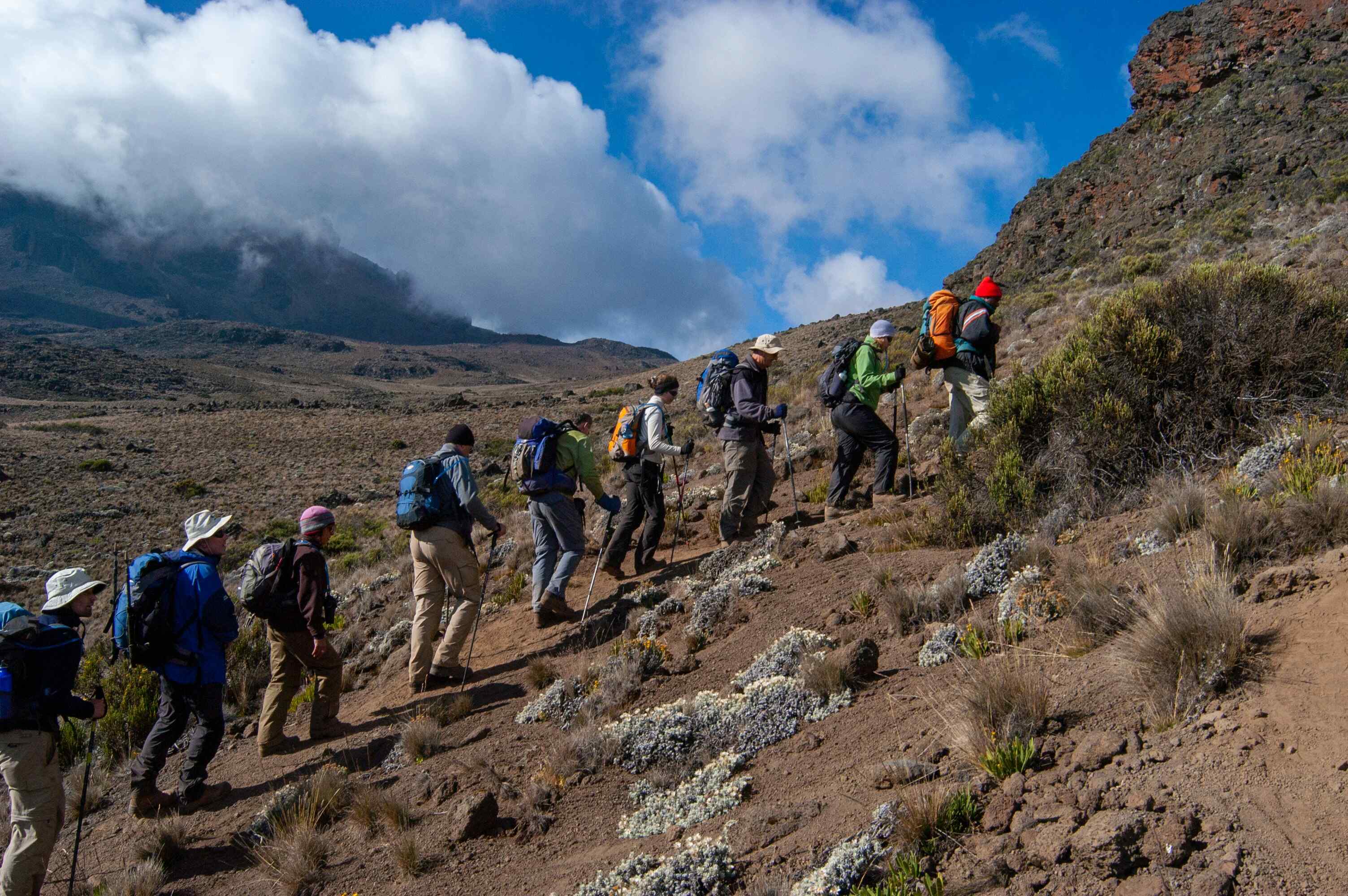
On Kilimanjaro, slow and steady truly wins the race.
Guides often say “pole pole,” which means “slowly slowly,” and this is one of the most important rules on the mountain.
Walking at a relaxed pace helps your body conserve energy and adjust better to thinner air.
Rushing between camps or trying to impress others can quickly lead to exhaustion and altitude-related symptoms.
3. Stay Properly Hydrated
Drinking enough water is essential at high altitude because your body loses fluids faster than usual through breathing and exertion.
Dehydration can make altitude sickness symptoms worse and slow down acclimatization.
Regularly sipping water throughout the day keeps your energy stable and helps your body function more efficiently in low-oxygen conditions.
Most climbers are advised to drink small amounts frequently rather than large amounts at once.
4. Eat Regular and Energy-Rich Meals
Even if your appetite decreases at higher elevations, eating regularly is very important.
Your body needs constant energy to cope with the physical demands of climbing in thin air.
Carbohydrate-rich foods are especially helpful because they are easier to digest and provide quick energy.
Skipping meals can leave you weak, slow your acclimatization, and increase fatigue during the climb.
5. Avoid Alcohol and Smoking
Alcohol and smoking are strongly discouraged during a Kilimanjaro climb.
They reduce your body’s ability to absorb oxygen and can worsen dehydration, making altitude symptoms more likely.
Avoiding them before and during the trek helps your body adjust more effectively and improves your overall endurance and recovery on the mountain.
6. Listen Closely to Your Guides
Your mountain guides play a critical role in your safety and acclimatization process.
They monitor your health every day and are trained to recognize early signs of altitude sickness.
If a guide advises you to slow down, rest, or descend, it is always for your safety.
Reporting any symptoms early ensures quick action and greatly reduces the risk of serious complications.
Treatment for Altitude Sickness on Kilimanjaro
Treating altitude sickness on Kilimanjaro depends entirely on how early the symptoms are detected and how severe they become.
In most cases, symptoms can be managed effectively if action is taken quickly and correctly.
The most important rule is simple: never ignore how your body feels at high altitude.
Early treatment helps prevent mild discomfort from developing into serious conditions that may require emergency descent.
That is why climbers are always encouraged to communicate openly with their guides as soon as symptoms appear.
1. Rest and Slow Down
The first and most effective response to mild altitude sickness is to stop and rest.
Reducing your pace gives your body more time to adjust to the lower oxygen levels.
In many cases, simply slowing down or taking a break for a few hours can significantly reduce symptoms such as headaches, dizziness, or fatigue.
Pushing forward too quickly often makes the condition worse.
2. Increase Hydration
Drinking more water helps your body recover and function better at high altitude.
Dehydration can intensify symptoms like headaches and tiredness, so maintaining good fluid intake is essential.
Small, frequent sips of water throughout the day are more effective than drinking large amounts at once.
Staying well hydrated supports circulation and helps your body adapt more smoothly.
3. Use Medication if Recommended
Some climbers use altitude medication such as acetazolamide (Diamox) to help their bodies adapt faster.
This can reduce symptoms and improve breathing efficiency at high elevations.
However, medication should always be taken under medical advice before the climb.
It is a support tool, not a replacement for proper acclimatization and slow ascent.
4. Descend Immediately if Symptoms Worsen
If symptoms become severe or do not improve with rest, the safest and most effective treatment is to descend to a lower altitude.
Descent allows your body to quickly regain oxygen levels, and in most cases, symptoms improve significantly within hours.
Ignoring severe symptoms and continuing upward can be extremely dangerous.
5. Seek Medical Attention
In serious cases where a climber experiences confusion, severe breathlessness, inability to walk properly, or worsening symptoms, immediate medical attention is required.
Kilimanjaro rescue teams and guides are trained to handle such emergencies and will arrange evacuation if necessary.
Quick action in these situations can be life-saving and ensures the safest possible outcome for the climber.
Understanding Kilimanjaro altitude sickness symptoms, prevention strategies, and treatment methods is essential for every climber preparing to summit Africa’s highest mountain.
Awareness and proper preparation greatly improve both safety and summit success.
By climbing slowly, choosing proper routes, staying hydrated, and listening carefully to your guides, you can minimize altitude-related risks and enjoy a safer trekking experience on Mount Kilimanjaro.
With the right support, acclimatization strategy, and professional mountain crew, your Kilimanjaro adventure can become a safe, rewarding, and unforgettable achievement.