

Knowing the worst time to climb Kilimanjaro can help you choose the right month for your hiking adventure. Mount Kilimanjaro can be climbed throughout the year, but some months bring more rain, muddy trails, clouds and changing weather. The main rainy season from March to May, especially April and May, can make hiking more challenging. In this guide, you will learn about the best and more difficult months to climb Kilimanjaro, what weather to expect in each season, what to pack and how to prepare for a safe and comfortable climb.
The wettest period, especially from March to May, can be the most challenging time to climb Kilimanjaro. April and May are often wetter, which can make some trails muddy, slippery and harder to walk. Rain can also make your clothes and hiking equipment wet if they are not properly protected. This does not mean you cannot climb during these months, because Kilimanjaro remains open for climbing, but you should be prepared for more difficult weather conditions. Good waterproof clothing, suitable hiking boots and proper preparation are especially important if you decide to climb during the wetter season.
Rain can make the hiking trail wet and muddy, especially in the lower forest areas where the ground can hold more water. Walking can become slower, and some sections may feel more difficult when they are slippery. Heavy rain can also reduce visibility and cover mountain views with clouds and mist. Wet clothes can make you uncomfortable when the temperature drops, particularly during rest stops or when you reach higher elevations. A waterproof jacket, waterproof trousers, backpack cover and waterproof bags can help protect you and your equipment throughout the climb.
April and May are often among the wettest months on Kilimanjaro, so they can be difficult for climbers who prefer dry hiking conditions. During these months, you may experience heavier rain, muddy trails, wet vegetation and cloudy weather, particularly in the lower sections of the mountain. The rain does not necessarily continue all day, and conditions can change, but you should be ready for wet hiking. One advantage is that the mountain can be quieter during this period, so some travelers may choose these months because they prefer fewer people on the trail. If you climb during April or May, good preparation becomes especially important.
November is another month when you may experience rain on Kilimanjaro because of the shorter rainy season. The weather can change from day to day, so you might have rain on one day and clearer conditions on another. Rain is often more noticeable in the lower areas, while conditions become colder as you gain altitude. If you choose November for your climb, bring waterproof clothing, protect your backpack and keep your extra clothes inside waterproof bags. It is also useful to have spare socks because wet feet can make a long hiking day much less comfortable.
March can be a changing month on Kilimanjaro, with conditions becoming wetter as the month continues. You may still experience good weather during some days, but rain can become more common later in the month as the main rainy season approaches. This means climbers should be prepared for both dry and wet conditions rather than expecting one type of weather throughout the trip. If you plan to climb during March, make sure your hiking equipment can handle rain and that your clothing can keep you warm and dry when temperatures change.
December is not necessarily a bad month for climbing Kilimanjaro. It can have some rain, especially around the shorter rainy season, but you can also experience clear and enjoyable hiking days. Weather conditions can vary depending on the day and elevation, so it is still important to carry rain protection and warm clothing. December is also popular with travelers who have end-of-year holidays, which means some routes can have more climbers during busy holiday periods. If you want specific climbing dates or a particular route, planning your trip early can help you arrange your climb more easily.
January and February are popular months for climbing Kilimanjaro because many climbers enjoy the generally warmer and drier conditions compared with the main rainy season. Many days can offer good visibility, although mountain weather can never be guaranteed. Rain is still possible, and conditions can change quickly as you move between different elevations. Even during these months, you should carry rain protection and warm clothing because temperatures become much colder as you approach the summit. Proper preparation is important because a warm morning at a lower elevation can be followed by very cold conditions higher on the mountain.
June to October is another popular period for climbing Kilimanjaro because the weather is generally drier and many climbers prefer these conditions. The lower slopes can be more comfortable for hiking, while the higher sections remain cold and can experience strong wind. You can still experience clouds, rain or changing weather because there is no guarantee of perfect conditions on a mountain. These months can also be busier, especially during popular holiday periods, so travelers who want certain routes or dates should arrange their climb early. Even in the drier season, you should still pack waterproof clothing because mountain weather can change unexpectedly.
.webp)
The weather is different at different elevations on Kilimanjaro, so you should not expect the same conditions throughout the entire climb. At the lower levels, you may experience warm and sometimes wet conditions in the forest, while higher areas become cooler, more open and more exposed to wind. As you approach the summit, temperatures can become extremely cold and may fall below freezing. This means one climb can include warm conditions, rain, cold evenings, strong wind and freezing summit temperatures. Preparing for several types of weather is therefore important regardless of the month you choose.
If you are climbing during a rainy period, bring waterproof hiking boots, a waterproof jacket, waterproof trousers and a rain cover for your backpack. You should also pack warm layers, thermal clothing, gloves, a warm hat, extra hiking socks and other basic hiking equipment. Your sleeping clothes should be kept dry and separate from your wet hiking clothes so you have something warm and dry to change into at the end of the day. Keep spare clothes, electronics, documents and other important items inside waterproof bags. Good waterproof protection can make a major difference when hiking through wet sections of the mountain.
Beginners can climb Kilimanjaro during the rainy season, but they should be prepared for wetter and sometimes more difficult trail conditions. A first-time climber does not need to be an experienced mountaineer, but physical preparation, suitable clothing and a steady hiking pace are important. If this is your first mountain adventure and you prefer more predictable weather, choosing a drier period may make the experience more comfortable. Whatever month you choose, regular walking or hiking before your trip can help prepare your body. It is also important to allow enough time for acclimatization instead of rushing toward higher elevations.
Rain is not always the biggest challenge because altitude can be a more important concern during a Kilimanjaro climb. Mount Kilimanjaro reaches 5,895 metres above sea level, and your body needs time to adjust as you climb higher. Some climbers may feel tired, develop headaches or experience other symptoms related to altitude, which is why a slow pace and proper acclimatization are important. Choosing a route with enough days for acclimatization gives your body more time to adjust. Walking slowly, drinking enough water, resting when needed and following your guide's instructions can all help you manage the higher elevations.
You can make a rainy-season climb easier by bringing proper waterproof clothing, protecting your clothes and equipment from water and wearing comfortable hiking boots that you have already used during training. Avoid starting the mountain with new boots because wet conditions can make foot problems more uncomfortable. Keep important items inside waterproof bags and carry extra socks so you can change if your feet become wet. You should also walk slowly, follow your guide's pace and be prepared for changes in the weather. A flexible mindset is useful because the mountain may not follow the weather conditions you expected before the trip.
If you strongly dislike rain, mud and wet hiking conditions, you may prefer to avoid the main rainy season, particularly April and May. These months can be more challenging because of wetter trails and changing weather, especially on the lower sections of the mountain. However, there is no single month that guarantees perfect weather on Kilimanjaro. If your travel dates are fixed during a wetter period, you can still prepare properly with waterproof clothing, suitable boots and good mountain support. The most important thing is to understand the conditions you may face and prepare accordingly.
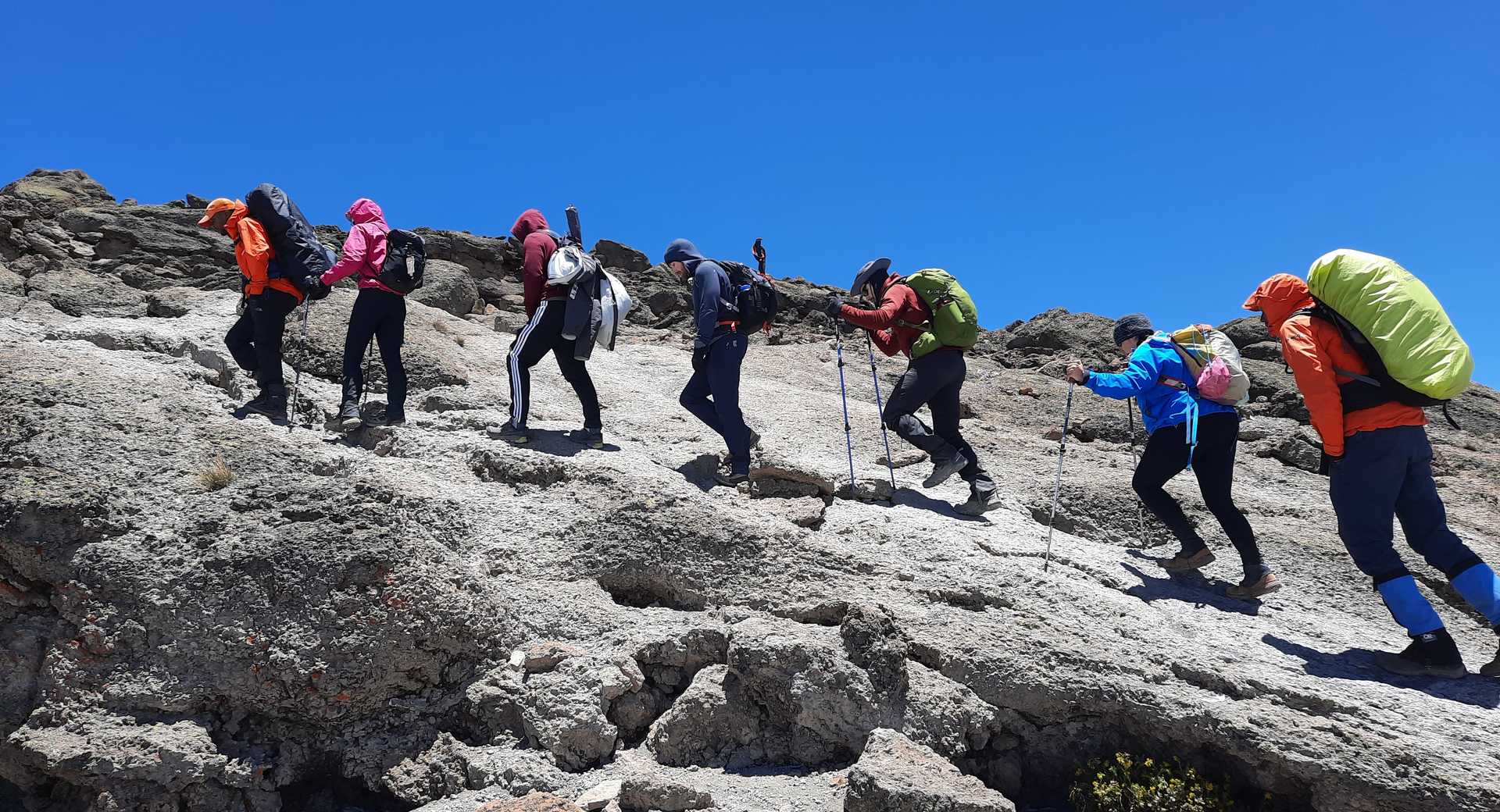
The main rainy season from March to May can be the most challenging period for climbing Kilimanjaro, with April and May often bringing wetter conditions. November and December can also have periods of rain, while January to February and June to October are popular periods for climbing. Every month has its own weather conditions, and the mountain can change quickly as you gain elevation. There is no perfect month with guaranteed weather, so choosing a suitable route, preparing well, packing the right equipment and allowing enough time for acclimatization are all important parts of planning your Kilimanjaro climb. With the right preparation, you can enjoy the mountain even when conditions are not perfect.
Ready to start your Kilimanjaro climbing adventure? Choose your route, select your preferred climbing dates and prepare for the journey to Uhuru Peak at 5,895 meters. Whether you are planning to climb during the dry or rainy season, proper preparation can make your experience more comfortable. Contact us today for Kilimanjaro routes, prices and available climbing dates.
Call/WhatsApp: +255 676 063 791
Email: redetours2005@gmail.com