

Climbing Mount Kilimanjaro for the first time is an exciting and life-changing adventure. As the highest mountain in Africa, standing at 5,895 meters (19,341 feet), Kilimanjaro attracts thousands of trekkers every year from around the world. One of the most important decisions first-time climbers must make is choosing the right Kilimanjaro route. Since there are several routes to the summit, each offering different scenery, difficulty levels, duration, and acclimatization profiles, selecting the best option can greatly affect your summit success and overall experience. For beginners, the ideal Kilimanjaro route should provide good acclimatization, manageable difficulty, beautiful scenery, and a high summit success rate. While there is no single route that fits everyone, some routes are far better suited for first-time climbers than others.
Before choosing a route, first-time climbers should understand what makes a route beginner-friendly. The best routes for first-timers usually offer:
Since altitude is the biggest challenge on Kilimanjaro rather than technical climbing, choosing the right route can make a major difference.
The Lemosho Route is widely considered the best Kilimanjaro route for first-time climbers because it combines stunning scenery, lower crowds, excellent acclimatization, and high summit success rates. Beginning on the western side of the mountain, the route takes trekkers through rainforest, moorland, alpine desert, and spectacular viewpoints before reaching the summit. The Lemosho Route is usually completed in 7 or 8 days, with the 8-day itinerary strongly recommended for beginners. The slower pace allows the body more time to adapt to high altitude, significantly reducing the risk of altitude sickness. Because of its gradual ascent profile and scenic beauty, many trekking experts recommend Lemosho as the top choice for first-time climbers seeking the best balance between comfort and success.
The Machame Route, often called the “Whiskey Route,” is another excellent option for first-time climbers who want adventure and beautiful scenery. It is one of the most popular routes because it offers diverse landscapes, dramatic views, and a strong acclimatization profile. The route normally takes 6 to 7 days, but beginners should choose the 7-day Machame itinerary to improve acclimatization. Machame can be slightly more physically demanding than Lemosho due to steeper sections, but many beginners successfully summit using this route. If you are reasonably fit and want a more adventurous trekking experience, Machame can be a fantastic option.
The Rongai Route is a great choice for first-time climbers looking for a quieter and more peaceful trekking experience. It approaches Kilimanjaro from the northern side near the Kenyan border and is generally drier than southern routes, making it a good option during rainy months. Rongai usually takes 6 to 7 days, with 7 days recommended for beginners. The gradual ascent profile makes it easier for many first-time trekkers, and the lower crowds create a more relaxed atmosphere on the mountain. Although it may not offer as much scenic diversity as Lemosho or Machame, it remains one of the easiest routes for beginners.
The Marangu Route is often chosen by beginners because it is the only route with hut accommodation rather than camping. Sleeping in huts can feel more comfortable, especially for trekkers who do not enjoy camping in tents. However, despite its reputation as an “easy route,” Marangu is not always the best choice for first-timers because it has a shorter acclimatization profile. The standard 5-day itinerary can increase the chances of altitude sickness and reduce summit success. If choosing Marangu, beginners should strongly consider the 6-day option for better acclimatization and a safer climb.
The Northern Circuit Route is one of the best routes for beginners who have enough time and budget for a longer climb. This route takes 8 to 9 days and offers one of the highest summit success rates on Kilimanjaro due to its excellent acclimatization profile. Because the route circles the quieter northern side of the mountain, climbers experience fewer crowds and incredible scenery. Although it requires extra days and costs slightly more, it is an outstanding option for first-time climbers focused on maximizing their chances of reaching the summit.
For most beginners, the Umbwe Route is not recommended. It is one of the shortest and steepest routes on Kilimanjaro and provides limited acclimatization time. Because of rapid altitude gain, it is more physically demanding and has a lower summit success rate for inexperienced trekkers. Unless you have strong hiking experience or previous high-altitude trekking knowledge, it is generally better to choose Lemosho, Machame, Rongai, or Northern Circuit instead.
If you are climbing Kilimanjaro for the first time, these are the best recommendations:
In general, choosing 7 to 8 days or longer is one of the smartest decisions a beginner can make because extra acclimatization often leads to a safer and more successful summit.
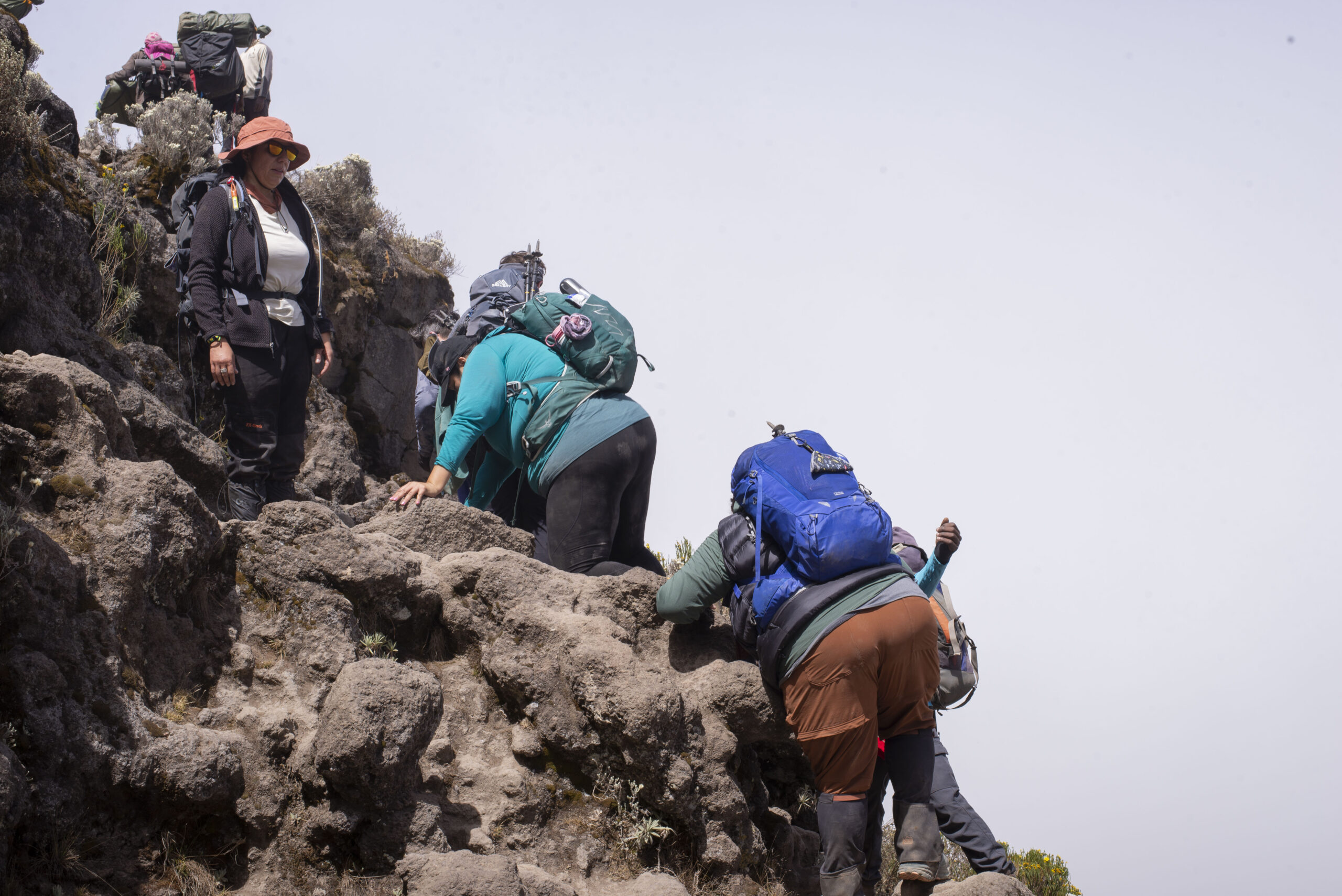
Choosing the right Kilimanjaro route as a first-time climber can make a huge difference in your experience and summit success. While every route offers something unique, the Lemosho Route is often considered the best overall choice because of its excellent acclimatization, beautiful scenery, and high success rates. The Machame Route is ideal for adventurous trekkers, while the Rongai Route suits those seeking a quieter climb. If comfort is important, the Marangu Route offers hut accommodation, and for the highest summit chances, the Northern Circuit stands out.
Whichever route you choose, remember that climbing slowly, allowing enough acclimatization time, and preparing properly will significantly improve your chances of standing on the Roof of Africa.
The Lemosho Route (8 Days) is widely considered the best Kilimanjaro route for beginners because it offers a gradual and well-balanced ascent profile that greatly improves acclimatization. Starting from the western side of the mountain, this route gives climbers more time to adjust to high altitude, which is the most important factor for a successful summit attempt. The scenery is also one of the most beautiful on Kilimanjaro, passing through rainforest, moorland, and alpine desert before reaching the summit zone. Because of its slower pace and fewer crowds compared to other routes, beginners feel more comfortable and have a higher chance of avoiding altitude sickness. The 8-day itinerary is especially recommended because the extra days significantly increase summit success rates and provide a safer, more enjoyable trekking experience for first-time climbers.
Yes, the Machame Route is a very popular and successful option for first-time climbers, especially those who are physically active and looking for a more adventurous experience. Known as the “Whiskey Route,” it offers a challenging but rewarding trek with diverse landscapes including rainforest, volcanic ridges, and glacier views. Most climbers choose the 7-day Machame itinerary, which provides better acclimatization compared to the shorter 6-day version. The route follows the important “climb high, sleep low” principle, helping the body adapt gradually to increasing altitude. While it is slightly more demanding than Lemosho or Rongai, many beginners successfully reach Uhuru Peak using this route. It is ideal for those who want a balance between adventure, scenic beauty, and a strong summit success rate without requiring technical climbing skills.
The Marangu Route is often advertised as the easiest Kilimanjaro route because it has a more direct path to the summit and offers hut accommodation instead of camping, which adds comfort and convenience. However, it is not necessarily the easiest in terms of acclimatization and summit success. The standard 5-day itinerary can be quite challenging because the body has less time to adjust to altitude changes, increasing the risk of altitude sickness. Even the 6-day option, which includes an extra acclimatization day, is still considered a relatively fast ascent compared to other routes like Lemosho or Northern Circuit. While Marangu may feel more comfortable due to sleeping huts and established trails, beginners should understand that comfort does not always equal easier climbing at high altitude. Proper pacing and preparation are still very important for success.
The Northern Circuit Route is widely recognized as the Kilimanjaro route with the highest summit success rate because it offers the longest duration and the best acclimatization profile. Taking around 8 to 9 days, this route allows climbers to ascend slowly while circling the quieter northern slopes of the mountain, giving the body more time to adapt to decreasing oxygen levels. The gradual ascent significantly reduces the risk of altitude sickness, which is the main reason climbers fail to reach Uhuru Peak. In addition to its excellent success rate, the Northern Circuit also provides stunning panoramic views and a peaceful trekking experience with fewer crowds. Although it requires more time and a higher budget, it is often recommended for climbers who want the best possible chance of summiting safely and comfortably while enjoying one of the most scenic routes on Kilimanjaro.
Book Your Kilimanjaro Adventure Today
Planning your first Kilimanjaro climb? Choosing the right route is the first step toward a successful summit.
For bookings and inquiries:
📧 Email: redetours2005@gmail.com
📱 WhatsApp: +255 676 063 791
Start your unforgettable Kilimanjaro adventure with experienced local experts today.