

If you are planning to climb Mount Kilimanjaro, you have probably heard that some routes are easier than others. One question many people ask is, "What is the hardest route to climb Kilimanjaro?" The answer is simple. The Umbwe Route is widely known as the hardest and most challenging route on Mount Kilimanjaro. This route is famous for its steep trails, fast altitude gain, and demanding trekking conditions. It is not the best choice for beginners or people with little hiking experience. However, for experienced trekkers looking for a real challenge, the Umbwe Route offers an exciting adventure and some of the mountain's most beautiful scenery.
In this guide, I will explain why the Umbwe Route is considered the hardest, what makes it different from other routes, who should climb it, and what you should know before choosing it.
The Umbwe Route is the shortest route from the southern side of Mount Kilimanjaro to the summit. Because it is short, you climb to high altitude very quickly. Your body has less time to adjust to the thinner air, which increases the chance of altitude sickness. While the distance may be shorter, the steep climb makes each day physically demanding. Many people think that a shorter route is easier, but on Kilimanjaro, the opposite is often true. The faster you gain altitude, the harder your body has to work.
One thing you notice immediately on the Umbwe Route is how steep it is. Instead of long, gradual climbs, you spend much of the trek walking uphill through narrow forest paths, rocky sections, and steep ridges. There are very few gentle walking days. From the beginning of the climb, you need strong legs, good balance, and enough energy to keep moving uphill for several hours. The steep terrain also makes descending more tiring on your knees.
Altitude is the biggest challenge on Mount Kilimanjaro. The Umbwe Route reaches higher elevations much faster than routes like Lemosho, Machame, or the Northern Circuit. Because of this, your body has less time to produce the extra red blood cells needed to cope with lower oxygen levels. Many climbers experience symptoms such as headaches, tiredness, loss of appetite, dizziness, or difficulty sleeping. This is one of the main reasons why the Umbwe Route has a lower summit success rate than longer routes.
Compared with routes that allow more time for acclimatization, the Umbwe Route has a lower chance of reaching Uhuru Peak. Many climbers turn back because they develop altitude sickness before reaching the summit. Longer routes such as the Lemosho Route or Northern Circuit give your body more time to adapt, making them much better choices if your main goal is reaching the top safely.
Although it is the hardest route, the Umbwe Route is also one of the most beautiful. The trail begins in thick rainforest where giant trees, colorful birds, and unique plants surround you. As you climb higher, the scenery changes into open moorland, rocky valleys, alpine desert, and finally glaciers near the summit. Because fewer people choose this route, you can enjoy a quieter trekking experience with fewer crowds during the first part of the climb.
The Umbwe Route is not dangerous simply because it is steep. Mount Kilimanjaro is a trekking mountain, not a technical climbing mountain. You do not need ropes or climbing equipment on the normal Umbwe Route. The biggest danger comes from altitude sickness rather than the trail itself. If you climb too quickly and your body cannot adjust, you may become seriously ill. This is why climbing with experienced guides, drinking plenty of water, eating well, and following a slow walking pace are very important.
The Umbwe Route is best for people who already have experience with long mountain hikes and are comfortable walking on steep trails. It may be a good choice if you:
If this is your first mountain trek, another route will usually give you a better experience.
The Umbwe Route is generally not recommended if you:
In these cases, the Lemosho Route, Machame Route, or Northern Circuit are usually better options because they provide more time for acclimatization.
The Umbwe Route is usually completed in 6 or 7 days. A 7-day itinerary is the better option because it includes an extra acclimatization day, giving your body more time to adjust to the altitude. Although adding one extra day does not make the route easy, it improves your chances of reaching the summit safely.
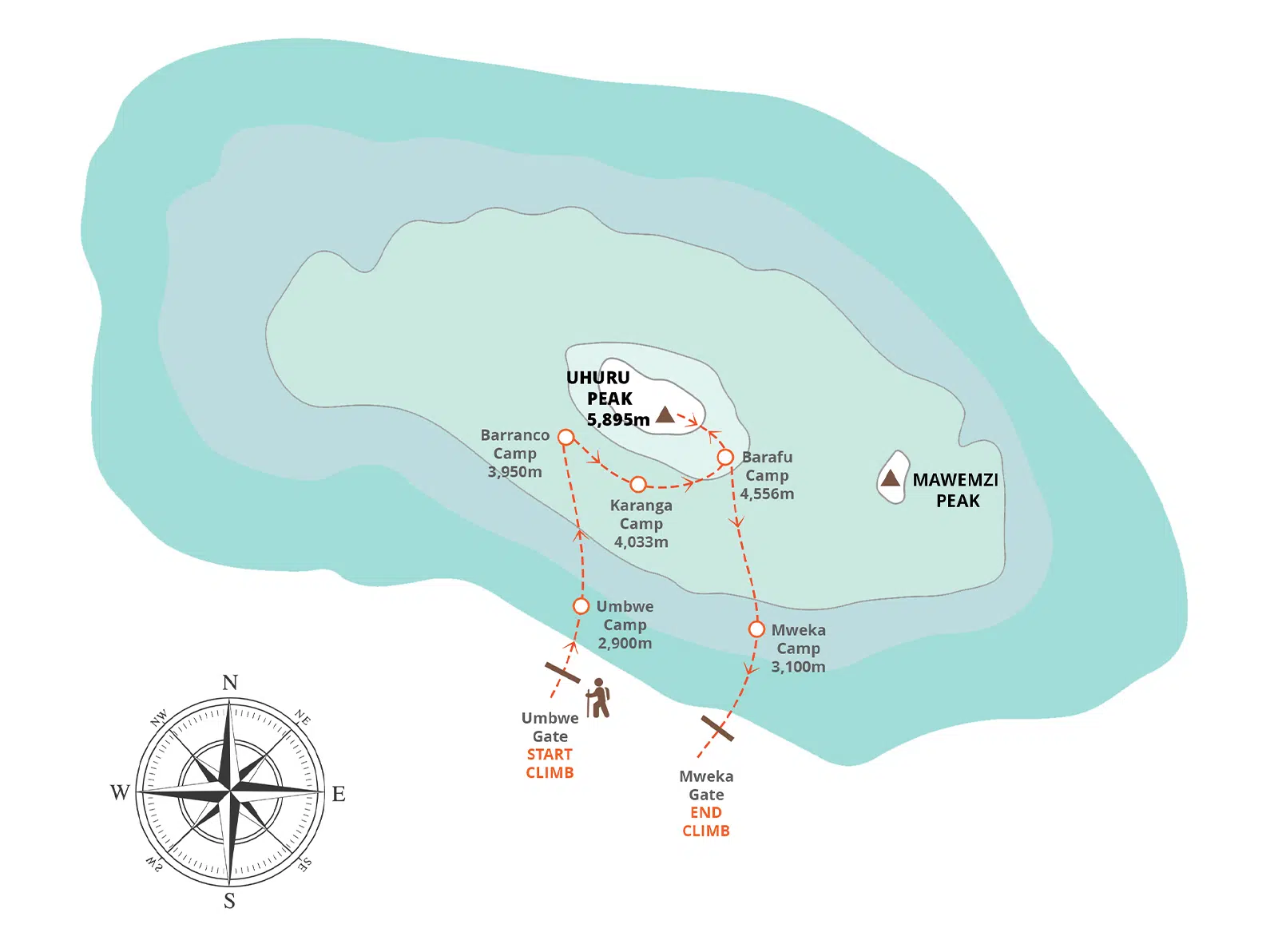
Summit night is the hardest part of any Kilimanjaro climb, and it feels even more demanding on the Umbwe Route. You usually begin climbing around midnight in freezing temperatures with only the light from your headlamp. The trail becomes steeper, the air becomes thinner, and every step requires more effort. Most climbers walk slowly, taking short breaks while following their guide's pace until they finally reach Uhuru Peak at sunrise.
If you decide to climb the Umbwe Route, preparation is very important. Spend several weeks improving your fitness by walking, hiking, climbing hills, and doing regular cardio exercises. Strengthen your legs with squats, lunges, and step-ups, and practice carrying a small backpack during long walks. You should also bring quality hiking boots, warm clothing, waterproof gear, gloves, and a comfortable sleeping bag suitable for cold mountain temperatures. Most importantly, choose a trusted Kilimanjaro operator with experienced mountain guides who know how to monitor climbers for altitude sickness and respond quickly if problems develop.
When compared with the other Kilimanjaro routes, the Umbwe Route stands out because of its difficulty rather than its popularity. The Marangu Route is easier to walk but offers less time for acclimatization on shorter itineraries. The Machame Route is more challenging than Marangu but provides a better balance between scenery and acclimatization. The Lemosho Route is one of the easiest routes for reaching the summit because it climbs gradually over more days. The Northern Circuit is the longest route and has one of the highest summit success rates because of its excellent acclimatization profile. The Umbwe Route, however, combines steep terrain with rapid altitude gain, making it the most physically demanding choice.
For experienced hikers who enjoy difficult mountain adventures, the Umbwe Route can be an unforgettable experience. It offers beautiful scenery, peaceful trails, and the satisfaction of completing Kilimanjaro by its toughest route. However, if your main goal is standing on Uhuru Peak with the highest chance of success, a longer route is usually the smarter choice. Routes such as Lemosho or the Northern Circuit give your body more time to adjust, making the climb safer and more enjoyable.
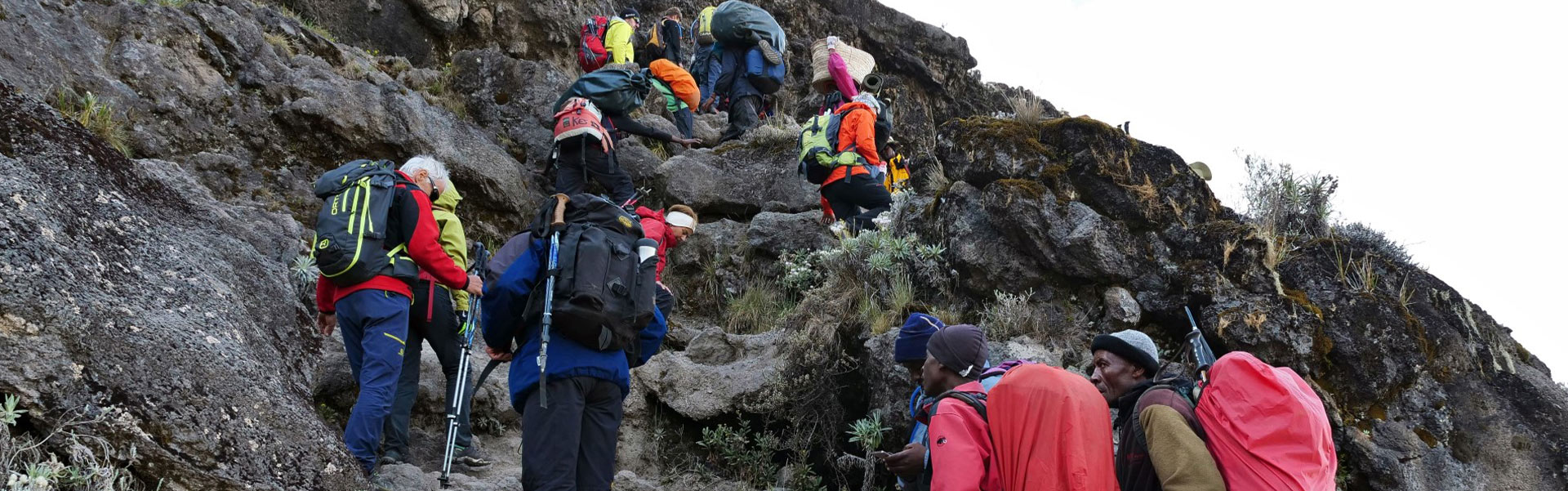
The Umbwe Route is the hardest route to climb Mount Kilimanjaro because of its steep trails, rapid altitude gain, and demanding trekking conditions. It is best suited to experienced hikers who are physically fit and prepared for a challenging adventure. While it rewards climbers with stunning scenery and quieter trails, it also requires careful preparation and respect for the effects of high altitude. No matter which routes you choose, climbing Kilimanjaro is an incredible journey. With proper training, experienced guides, and enough time to acclimatize, you can enjoy a safe climb and create memories that will stay with you for the rest of your life.
Ready to challenge yourself on the toughest route up Mount Kilimanjaro? Us we offer professionally guided Umbwe Route climbs with experienced local guides, quality equipment, and full support from start to summit.
For bookings and inquiries:
📞 Phone / WhatsApp: +255 676 063 791
📧 Email: info@redetoursandsafaris.com