

Rising above the vast plains of Tanzania, Mount Kilimanjaro stands as Africa’s tallest mountain and one of the most legendary trekking destinations in the world. At 5,895 meters, it is the highest free-standing mountain on Earth, attracting adventurers from every continent who dream of standing above the clouds.
What makes Kilimanjaro truly unique is that it offers a high-altitude expedition without requiring technical climbing skills. There are no ropes or mountaineering equipment needed just determination, proper preparation, and a guided trekking experience. This makes it one of the few “walkable” major summits in the world, accessible even to strong beginners with the right mindset. The journey to the top is unlike any other, as climbers pass through five completely different ecological zones. It begins in a lush tropical rainforest filled with birds and wildlife, then transitions into moorland with giant plants, followed by a dry alpine desert, and finally reaches the icy arctic summit zone near Uhuru Peak. Each zone feels like entering a new world, creating a powerful sense of progression and discovery.
For 2026/2027, Kilimanjaro trekking continues to be one of the most sought-after adventures globally because it combines natural beauty, physical challenge, and emotional reward in a single journey. Climbers don’t just aim for the summit they experience days of transformation as they move through changing landscapes, weather conditions, and personal limits. This is why climbing Kilimanjaro is far more than a mountain hike. It is a complete adventure that blends carefully designed routes, rich wildlife encounters, breathtaking scenery, physical endurance, and deep personal achievement. Reaching the summit is the final reward, but the real value lies in the unforgettable journey that leads there.
.webp)
Timing plays a major role in your overall experience, comfort, and summit success when climbing Mount Kilimanjaro. Weather conditions on the mountain can change quickly, so choosing the right season helps you enjoy clearer views, safer trekking, and a smoother journey all the way to Uhuru Peak. The mountain has two main trekking seasons, and each month within those seasons offers slightly different conditions, scenery, and crowd levels.
This period is one of the most beautiful and peaceful times to climb Kilimanjaro. The weather is generally cooler, and the trails are less crowded, giving you a more personal and calm experience on the mountain. During these months, the lower slopes are lush and green from previous rains, making the rainforest zone especially vibrant. As you climb higher, you may also experience light snow or frost near the upper camps, which adds dramatic scenery to your trek.
This season is ideal for climbers who prefer quieter trails and cooler temperatures while still enjoying strong summit success rates.
This is the most popular and reliable season for climbing Mount Kilimanjaro. The weather is generally dry, skies are clearer, and visibility is at its best, offering incredible views across the plains and valleys below.
Because conditions are stable, this period attracts the highest number of climbers from around the world. The trails are busier, but the safety and predictability of the weather make it the top choice for most trekking packages.
These months are ideal for climbers who prioritize stable weather, high summit success rates, and breathtaking panoramic views during the ascent to Uhuru Peak.
Both seasons are considered the best because they offer:
Choosing the right month for your 2026/2027 climb can significantly improve your comfort, enjoyment, and overall success on the Roof of Africa.
Climbing Mount Kilimanjaro is often described as a moderate to challenging high-altitude trek, but it is important to understand that it is not a technical climb. This means you do not need ropes, ice axes, or mountaineering experience to reach the summit. The main challenge comes from the long trekking days and the increasing altitude as you approach Uhuru Peak. In simple terms, Kilimanjaro is a mountain of endurance rather than technical skill. Success depends more on pacing, determination, and preparation than on climbing ability.
To successfully complete the trek, you should be:
No previous climbing experience is required, which makes Kilimanjaro one of the most accessible high mountains in the world. However, preparation such as hiking practice, cardio training, and building stamina will significantly improve your comfort and increase your chances of reaching the summit.
The most serious challenge on Mount Kilimanjaro is not the terrain it is the altitude. As you ascend higher, oxygen levels gradually decrease, which can lead to Altitude Sickness. This condition affects people differently and is the main reason some climbers do not reach the summit. Because of this, proper acclimatization and professional guidance are extremely important for a safe and successful climb to Uhuru Peak.
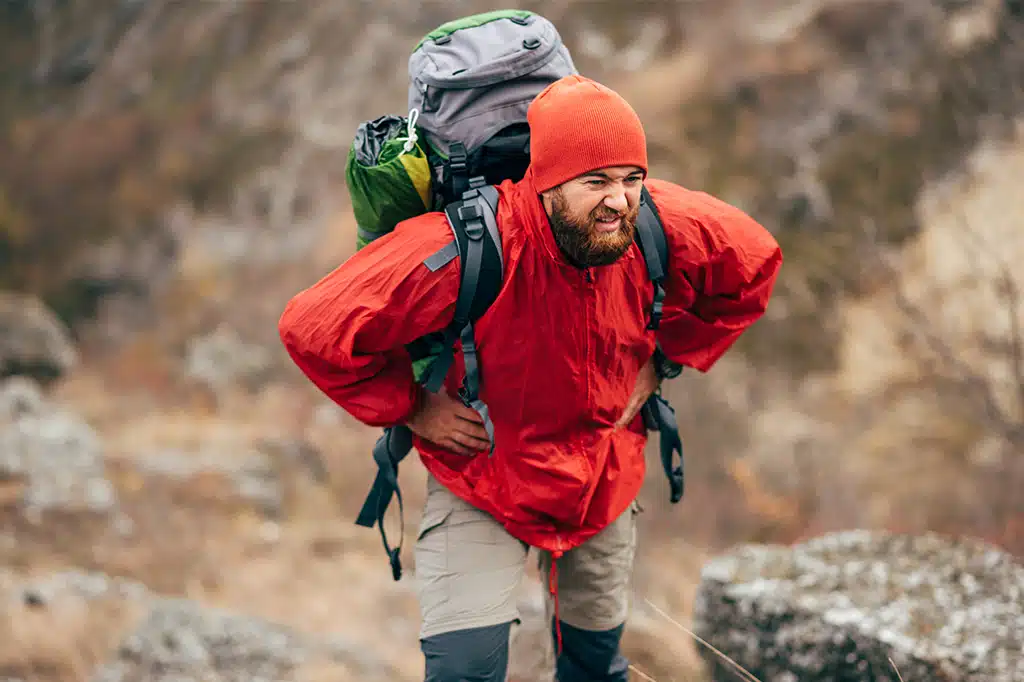
Experienced mountain guides ensure safety by:
With the right pacing, preparation, and professional support team, most climbers are able to safely manage altitude and successfully reach the summit. This is why choosing a well-organized trekking package is essential for a safe and rewarding Kilimanjaro experience.
Choosing the right route on Mount Kilimanjaro is one of the most important decisions for your climb, as each path offers a different experience in scenery, difficulty, duration, and summit success rate. All routes lead to the same destination Uhuru Peak but the journey varies greatly depending on the trail you choose.
Below is a clear explanation of all major Kilimanjaro routes for your 2026/2027 adventure:
The Lemosho Route on Mount Kilimanjaro is one of the most scenic and well-balanced ways to reach the summit. It is especially popular for climbers who want a quieter and more exclusive experience in the early days of the trek. The journey begins on the western side of the mountain, passing through untouched rainforest where you may encounter wildlife such as monkeys and exotic birds before gradually opening into moorland and alpine desert zones. What makes this route highly recommended is its slow and steady ascent, which gives the body enough time to adjust to altitude naturally. This greatly improves comfort and significantly increases the chances of reaching Uhuru Peak. Because of its length and excellent acclimatization profile, it is considered one of the safest and most successful routes for both beginners and experienced trekkers.
The Machame Route, commonly known as the “Whiskey Route,” is one of the most dynamic and adventurous ways to climb Mount Kilimanjaro. It is designed for climbers who want a more physically engaging experience, with steeper trails, longer hiking days, and dramatic changes in terrain. Throughout the journey, climbers pass through dense rainforest, rugged ridges, and wide-open volcanic landscapes that offer some of the most spectacular views on the mountain. The route is also well-known for its “climb high, sleep low” structure, which helps the body adapt to altitude more effectively, improving summit chances. Despite being more challenging, it remains one of the most popular routes leading to Uhuru Peak due to its beauty and adventure factor.
The Marangu Route is the oldest and most established path on Mount Kilimanjaro and is often chosen by climbers who prefer comfort and simplicity. Unlike other routes, it offers hut accommodation along the way, meaning trekkers sleep in basic mountain shelters instead of tents. This makes it more comfortable, especially in cold or rainy conditions. The route follows a more direct path to the summit, which reduces trekking time but also limits acclimatization opportunities. Because of this, it is considered slightly more challenging in terms of altitude adjustment. However, it remains a good option for those with limited time who still want to reach Uhuru Peak through a well-established and structured trail.
The Rongai Route is the only route that approaches Mount Kilimanjaro from the northern side near the Kenyan border. This makes it significantly quieter compared to other routes, offering a more peaceful and remote trekking experience. It is also one of the driest routes on the mountain, making it a strong choice during wetter months when other routes may be affected by rain. The landscape here is more gradual and less steep, giving climbers a steady and comfortable ascent. This makes it suitable for those who prefer a less crowded and more relaxed experience while still working toward the goal of reaching Uhuru Peak.
The Northern Circuit Route is the longest and most complete trekking experience on Mount Kilimanjaro. It circles almost the entire mountain, offering unmatched panoramic views from multiple angles. Because of its extended duration, it provides the best acclimatization conditions of all routes. This slow and gradual ascent greatly increases summit success rates, making it the top choice for climbers who prioritize safety and achievement. It is less crowded, highly scenic, and considered a premium trekking experience that allows climbers to fully immerse themselves in the beauty of the mountain before reaching Uhuru Peak.
The lower slopes of Kilimanjaro are full of life. In the rainforest zone, you may see:
Jackson’s chameleon is a small, brightly colored reptile known for its ability to change colors depending on temperature, mood, or environment. Male chameleons have three prominent horns on their heads, giving them a unique, almost mythical appearance. They are slow-moving and are often found perched on branches, blending perfectly with the rainforest foliage. Observing a Jackson’s chameleon requires patience, as they are masters of camouflage.
.jpg)
The colobus monkey is easily recognized by its striking black-and-white fur and long flowing tail. These monkeys live in social groups high in the forest canopy and are mostly herbivorous, feeding on leaves, fruit, and flowers. Unlike many other primates, colobus monkeys are quiet and move gracefully through trees. Spotting them is a highlight for hikers in Kilimanjaro’s rainforest zone.
.jpg)
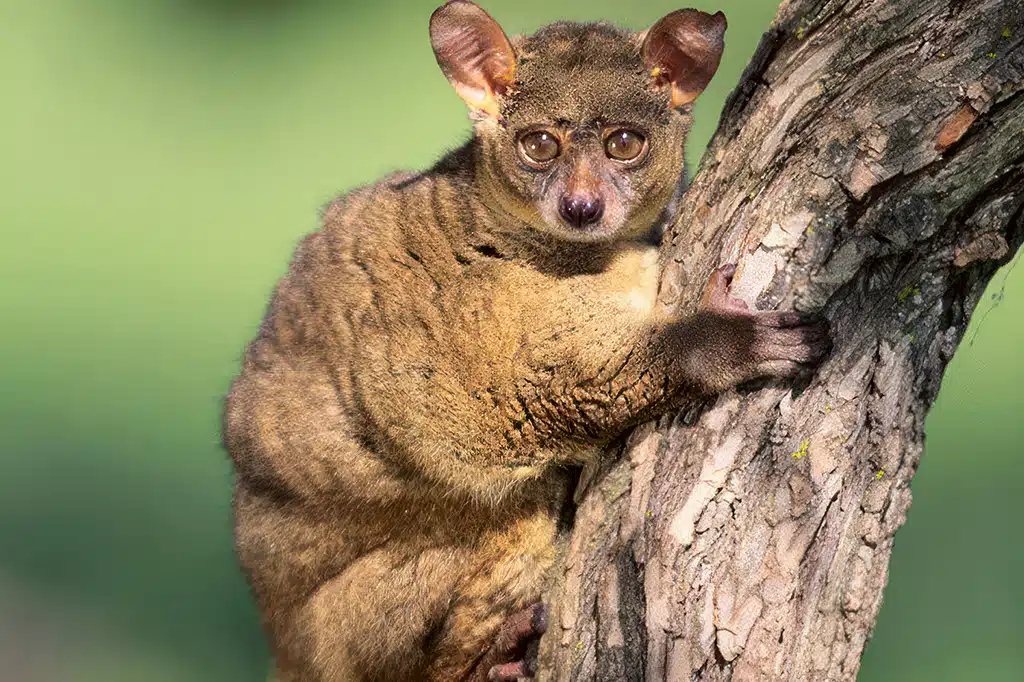
Bush babies are small, nocturnal primates with exceptionally large eyes that help them see in the dark. They are extremely agile, capable of leaping from tree to tree with great accuracy. During the night, bush babies can often be heard calling to each other with high-pitched cries, but seeing them is a challenge because they hide in tree hollows or thick vegetation during the day.
The white-necked raven is a large, intelligent bird with glossy black feathers and a distinctive white patch on its neck. It is known for its problem-solving skills and can often be seen soaring over open moorlands or forest edges. Remarkably adaptable, this bird can live at high altitudes and occasionally flies near Kilimanjaro’s upper slopes, providing climbers with rare and exciting sightings.
.jpg)
The blue monkey is a medium-sized primate with bluish-grey fur and a dark face framed by light markings. They are social animals, usually found in groups feeding on fruits, leaves, and insects in the forest. Active during the day, blue monkeys are frequently spotted along rainforest trails and are a favorite among climbers for their playful and curious behavior.
.jpg)
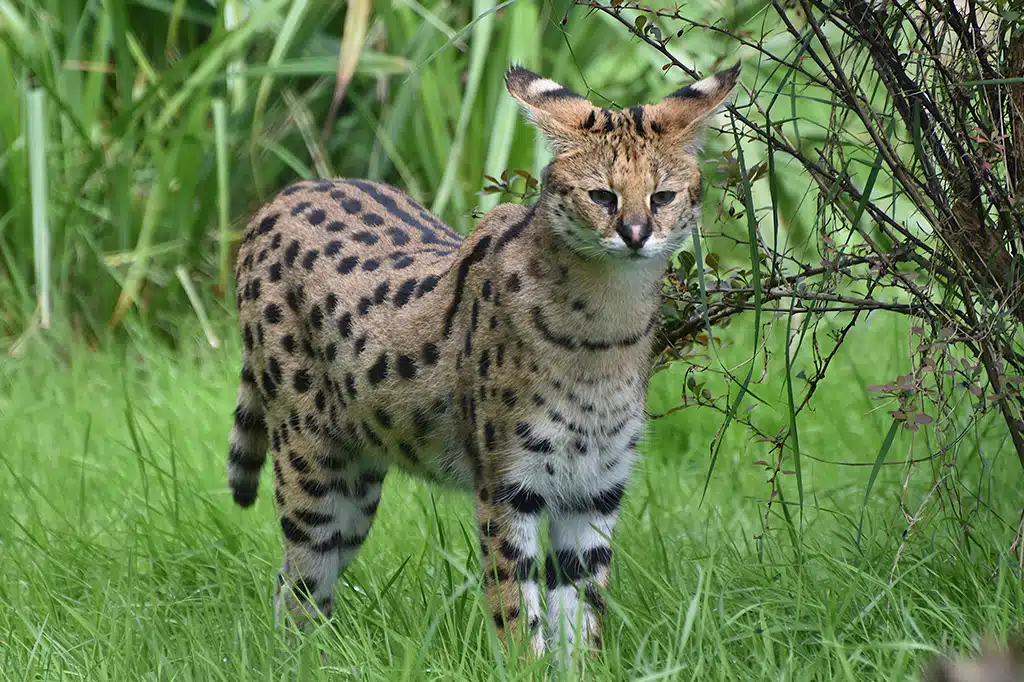
The serval cat is a medium-sized wild feline with long legs, large ears, and a spotted coat. It is a highly skilled hunter, preying mainly on rodents, birds, and insects in open grasslands and moorlands. Servals are mostly nocturnal and very shy, so sightings are extremely rare. Their ability to leap and catch prey with precision makes them one of the most impressive predators on Kilimanjaro.
Duikers are small, shy antelopes that prefer dense forest and shrubbery for cover. They feed on leaves, shoots, and fruit, often moving quietly to avoid predators. Though difficult to spot because of their timid nature, they play an important role in the forest ecosystem by helping disperse seeds through their droppings.
.webp)
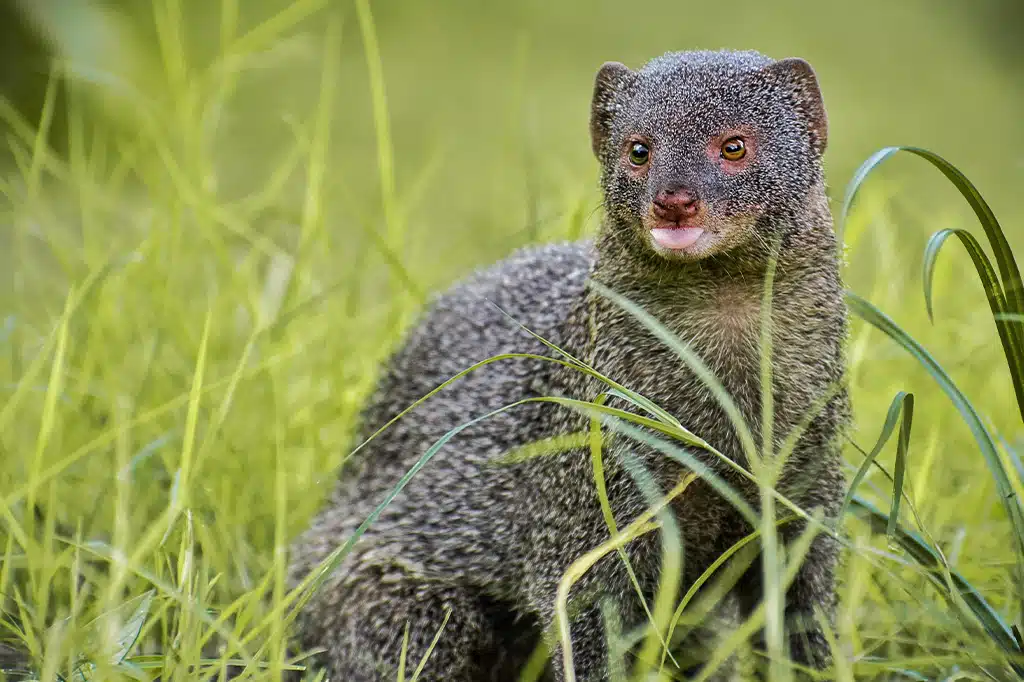
The marsh mongoose is a slender, semi-aquatic mammal commonly found near streams, wetlands, and damp forest areas. It hunts insects, small rodents, amphibians, and occasionally fish. Active both during the day and night, marsh mongooses are agile and cautious, often darting into cover at the slightest hint of danger. Their presence indicates a healthy water ecosystem in Kilimanjaro’s lower slopes
As you climb higher, wildlife disappears, replaced by dramatic volcanic landscapes and extreme environments.
explain more
One of the most powerful and unforgettable parts of climbing Mount Kilimanjaro is the way the landscape changes completely as you gain altitude. Unlike a normal hike, this journey takes you through five distinct climate zones, each with its own environment, temperature, and scenery, all the way up to Uhuru Peak. It feels like traveling across an entire continent in just a few days.
Each zone is not just a change in scenery it is a transformation in atmosphere, temperature, and emotion, making Kilimanjaro one of the most unique trekking experiences on Earth.
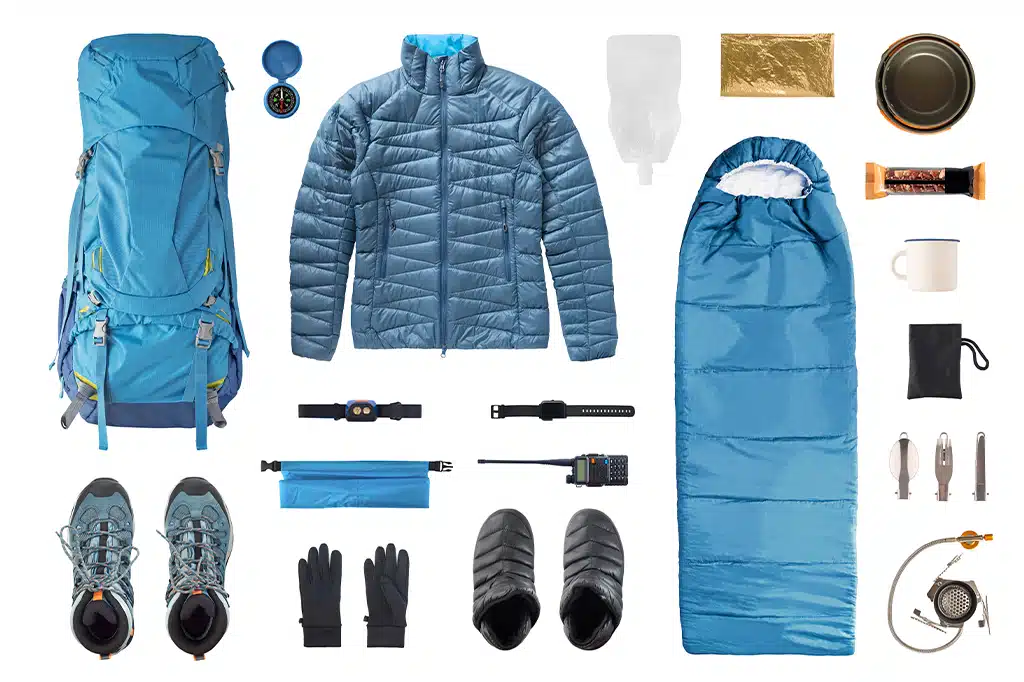
A successful climb of Mount Kilimanjaro depends greatly on having the right equipment. Because the mountain has multiple climate zones, conditions change quickly from warm rainforest to freezing summit temperatures, so proper preparation is essential.
You need layered clothing that allows you to adjust as temperatures change during the day. A warm insulated jacket is required for summit night when temperatures drop significantly. Waterproof outer layers are also important to protect you from rain and wind at higher elevations. Well-broken-in hiking boots are essential for comfort and safety on rocky and uneven trails.
Other key items include thermal gloves and a warm hat for cold conditions, a high-quality sleeping bag suitable for sub-zero temperatures, a headlamp for night trekking, and a hydration system or water bottles to stay properly hydrated throughout the climb.
Sunscreen, sunglasses, and dry bags for protecting gear from rain are also strongly recommended.
Climbing Mount Kilimanjaro is far more than a physical challenge it is a deeply personal journey that transforms how you think, feel, and see yourself. Every step on the mountain pushes you beyond comfort, teaching patience when the pace is slow, endurance when the climb feels difficult, and resilience when altitude and weather become demanding.
As you ascend through the different ecological zones, you begin to disconnect from daily life and reconnect with yourself. The simplicity of walking, breathing, and progressing step by step creates a powerful mental shift. By the time you approach Uhuru Peak, the journey becomes as important as the destination itself. Standing above the clouds at the highest point in Africa is not just a view it is a moment of achievement, self-belief, and emotional breakthrough earned through determination and effort.
.webp)
The ultimate Kilimanjaro adventure brings together everything that makes trekking extraordinary challenging routes, ever-changing landscapes, rich wildlife, and breathtaking scenery. Whether you choose the scenic Lemosho Route, the adventurous Machame Route, or the comfortable Marangu Route, each path offers a unique and rewarding journey to the Roof of Africa. With proper preparation, the right route selection, and a professional support team, your climb on Mount Kilimanjaro in 2026/2027 becomes more than just a trip. It becomes a personal milestone, a story of perseverance, and a lifetime achievement that stays with you forever.
Book Your Kilimanjaro Trek 2026/2027 Today
Kilimanjaro trekking packages fill quickly during peak seasons, especially when weather conditions are at their best. Early booking gives you access to better route options, preferred dates, and experienced mountain guides who improve both safety and summit success.
Start your journey today:
Your adventure to the Roof of Africa starts the moment you decide to take the first step.