

Accommodation around Mount Kilimanjaro is one of the most important parts of planning a successful climb. Most climbers do not start trekking immediately after arriving in Tanzania. Instead, they spend time in nearby towns to rest, recover from long international travel, attend pre-climb briefing sessions, and prepare both mentally and physically for the altitude challenge ahead. The main gateway for Kilimanjaro climbs is Moshi; a vibrant town located at the base of the mountain. Almost all trekking companies operate from here, making it the most convenient and practical place to stay before and after the climb. From Moshi, climbers can easily access guides, equipment, transport, and essential services needed for the expedition.
Choosing the right accommodation is not just about comfort it plays a key role in the success of the climb. A good stay helps climbers adjust to the environment, reduce travel fatigue, organize their gear properly, and mentally prepare for the demanding journey into high altitude conditions.
Moshi is preferred by climbers because it is close to the mountain gates and offers easy access to trekking services. It also provides a calm environment where climbers can rest after long international flights.
Key advantages of staying in Moshi include:
From Moshi, climbers are transported to the starting gate on the day the trek begins, making it the most efficient base location.
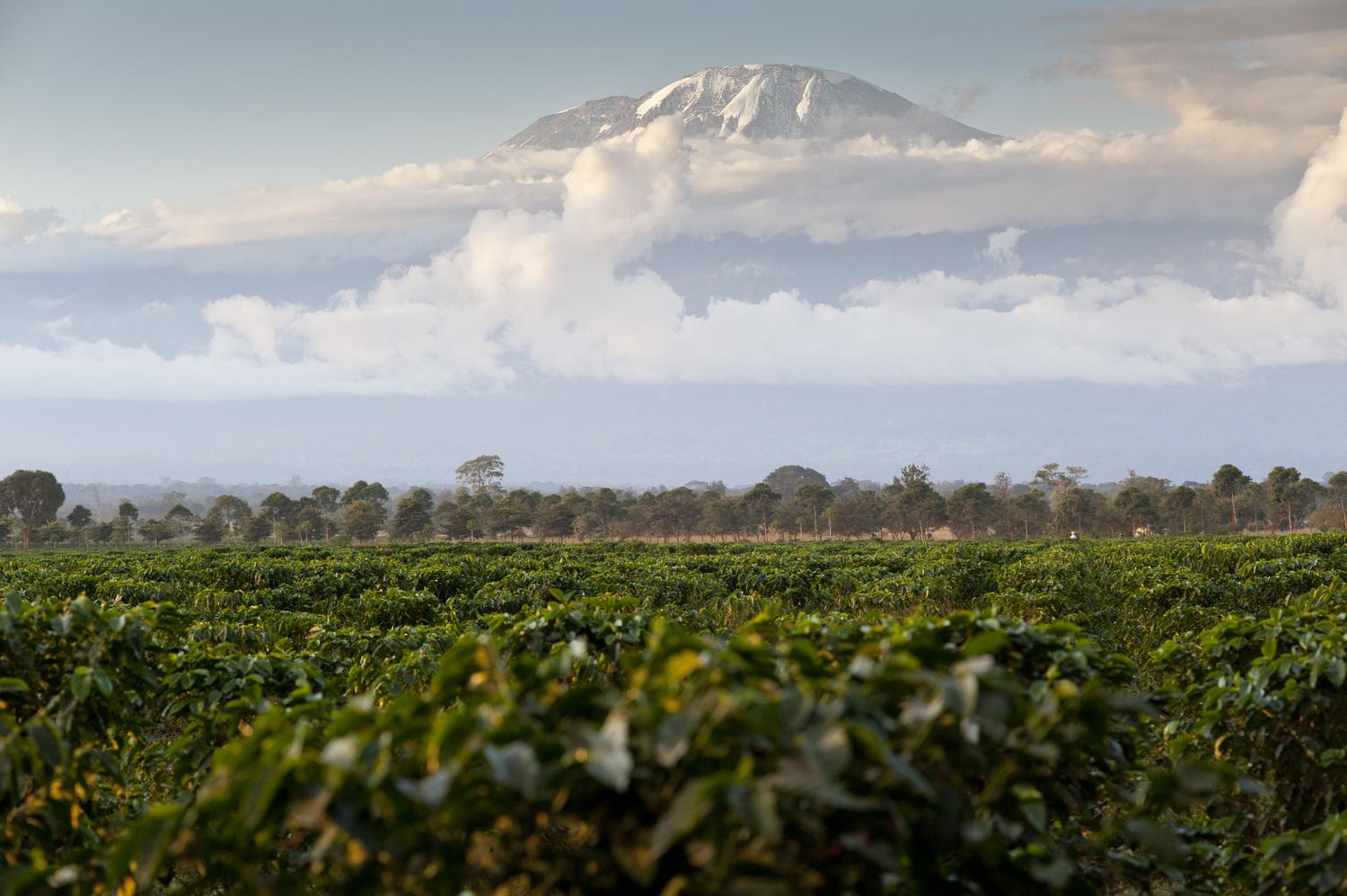
Hotels in Moshi are the most common choice for climbers before starting the ascent of Mount Kilimanjaro. These hotels range from budget guesthouses to luxury accommodations depending on the traveler’s needs. Budget hotels are simple but clean, offering basic comfort for backpackers and low-cost travelers. Mid-range hotels provide more comfort, including hot showers, Wi-Fi, and restaurant services. Luxury hotels offer premium services such as swimming pools, spacious rooms, gardens, and mountain views. Staying in a hotel before the climb is important because it allows climbers to:
Most climbers stay at least one night before beginning the trek.
Lodges and eco-resorts around the foothills of Kilimanjaro offer a more peaceful and nature-focused experience. These accommodations are located outside Moshi in quieter natural environments with views of the mountain. They are popular among travelers who want relaxation before or after trekking. Many lodges also offer cultural experiences, coffee farm tours, and guided nature walks.
Benefits of staying in lodges include:
These lodges are often chosen by travelers combining Kilimanjaro with safari or beach holidays.
Once the climb begins, accommodation changes completely as climbers leave hotels and move into high-altitude environments on Mount Kilimanjaro. At this stage, climbers stay in mountain camps or huts depending on the route they have chosen. These accommodations are simple and functional, designed to support safety, rest, and survival in extreme altitude conditions where oxygen levels are low and temperatures drop significantly at night.
On the Lemosho Route, climbers stay in well-planned camping sites that are carefully positioned to support a slow and steady ascent. This route is designed to give the body enough time to adjust to increasing altitude, which greatly improves safety and summit success. The camps are set up by porters at each stop, and everything is organized before climbers arrive. This allows trekkers to focus on resting and recovering after long hiking days. The environment is generally peaceful because the route is less crowded compared to others, making it ideal for relaxation and acclimatization.
Key features of Lemosho Route accommodation:
The Northern Circuit Route offers the longest and most gradual trekking experience on Kilimanjaro. Because of the extended itinerary, climbers stay in multiple camps that are spread across the mountain’s northern slopes. These camps are also fully supported with tents provided by the trekking team. Since climbers spend more nights on the mountain, the body gets more time to adapt naturally to lower oxygen levels, making this route one of the safest for altitude adjustment.
The camps are usually very quiet and remote, giving climbers a sense of solitude and better sleep quality.
Key features of Northern Circuit accommodation:
On the Machame Route, climbers also stay in tents that are carried and set up by porters at each campsite. This route is more physically demanding due to steeper trails and longer hiking days, but it remains one of the most popular routes because of its strong acclimatization profile. One of the most important features of Machame is the “climb high, sleep low” approach, which helps the body adjust better to altitude changes. Camps are usually located on scenic ridges and valleys, offering beautiful views but sometimes challenging terrain.
Key features of Machame Route accommodation:
The Marangu Route is unique because it is the only route that uses mountain huts instead of tents. These huts provide a more structured and sheltered accommodation style compared to camping routes. Climbers sleep in shared bunk-bed dormitories, which offer protection from rain and wind, making it feel slightly more comfortable. However, because the route is shorter, climbers spend less time adjusting to altitude, which can make the climb more challenging despite the better shelter conditions.
Key features of Marangu Route accommodation:
The best time to book accommodation for climbing Mount Kilimanjaro is during the mountain’s peak trekking seasons, when demand for hotels and lodges is at its highest. These periods attract thousands of climbers from around the world, so availability becomes limited quickly, especially in popular base town Moshi.
The main peak seasons are:
During these months, hotels in Moshi and nearby areas can fill up very fast. Many climbers, tour groups, and safari travelers compete for the same accommodations, which is why early booking is strongly recommended ideally several weeks or even months in advance. In contrast, the off-season months tend to have lower demand, meaning accommodation is easier to find and often cheaper. However, these months may come with heavier rainfall, cloud cover, and less stable trekking conditions, which can affect visibility and overall climbing experience.
For the best experience on Kilimanjaro, it is always recommended to balance good weather conditions with early accommodation planning, ensuring a smooth and stress-free start to the climb.
Understanding travel time is an important part of planning a smooth and successful climb on Mount Kilimanjaro. Most climbers arrive through Kilimanjaro International Airport and then continue by road to Moshi, which serves as the main base town for all trekking routes. Knowing these distances helps climbers manage arrival time, rest properly, and avoid unnecessary stress before starting the trek.
Typical travel times include:
These short travel distances make Moshi the most practical and convenient base for all climbing routes on Kilimanjaro. It allows climbers to rest soon after arrival, attend pre-climb briefings easily, and reach the starting gate without long or tiring journeys.
In addition, the close proximity between Moshi and the mountain gates reduces travel fatigue, helping climbers conserve energy before beginning the physically demanding ascent. This is especially important because proper rest before the climb can significantly improve performance and acclimatization during the trek.
Most climbers stay in hotels in Moshi; the main gateway town located at the base of the mountain. This town is the central hub for all Kilimanjaro trekking operations, meaning almost every climbing company is based here. Staying in Moshi allows climbers to rest after long international travel, attend important pre-climb briefings, and complete final preparations such as gear checks and permit arrangements. It is also the most practical place to adjust mentally and physically before entering high altitude conditions.
No. Once the climb begins on Mount Kilimanjaro, climbers do not stay in hotels anymore. Accommodation changes completely from comfort-based lodging to mountain survival conditions. Climbers sleep in tents or mountain huts, depending on the route they choose. On routes such as Lemosho, Machame, Northern Circuit, and Rongai, climbers sleep in tents that are carried and set up by porters at each camp. On the Marangu Route, climbers sleep in shared wooden mountain huts with basic bunk beds. These accommodations are simple because they are located at high altitude where conditions are cold, windy, and remote.
Yes, Moshi is generally considered better for Kilimanjaro climbs. The main reason is proximity. Moshi is located much closer to the mountain gates, which reduces travel time on the morning of the climb. This helps climbers conserve energy and reduces stress before starting the trek. In addition, Moshi is more specialized for Kilimanjaro tourism. Most trekking companies, guides, and equipment rental services are based there, making logistics easier and more organized. Arusha is also a major tourist city, but it is more focused on safari tourism, meaning it is slightly farther from the mountain and less convenient for direct climbing preparation.
Yes, booking accommodation in advance is strongly recommended, especially during peak trekking seasons on Mount Kilimanjaro. These peak seasons attract a large number of climbers, safari tourists, and international visitors, which causes hotels in Moshi to fill up quickly. Advance booking ensures that climbers secure better rooms, better prices, and better locations close to tour operators. It also reduces last-minute stress and allows better planning for airport transfers, gear preparation, and pre-climb meetings. During off-season months, availability is easier, but booking ahead is still recommended for a smoother travel experience.
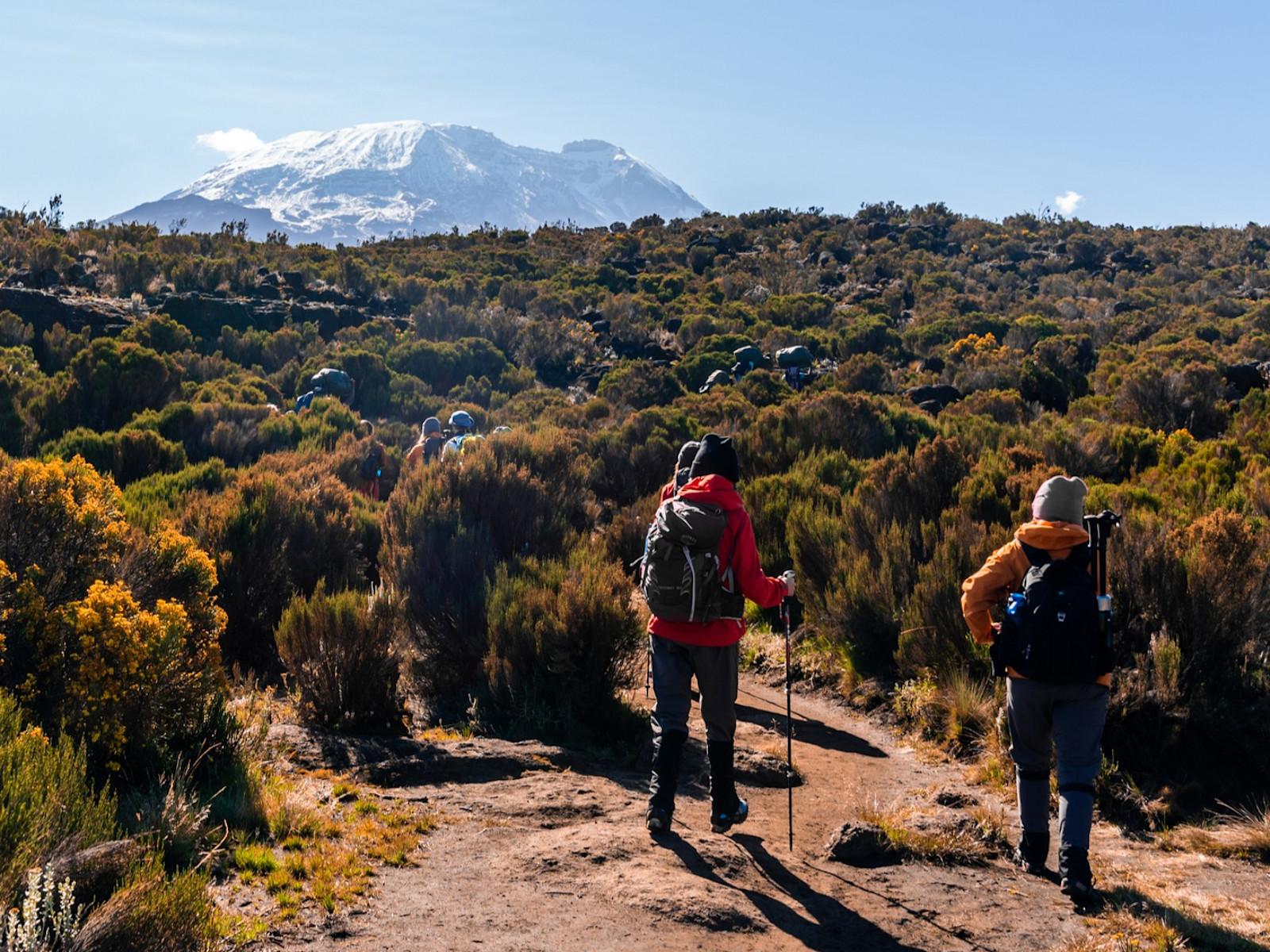
Accommodation is a key part of a successful experience on Mount Kilimanjaro. From comfortable hotels in Moshi to basic mountain camps and huts on the slopes of the mountain, each stage of accommodation plays an important role in preparing climbers for altitude and supporting recovery during and after the trek.
Choosing the right place to stay helps climbers rest properly before the climb, organize equipment without stress, and mentally prepare for the challenges of high altitude. During the climb, mountain accommodation ensures safety and recovery, while after the climb, it provides comfort and relaxation after reaching the summit.
In the end, better accommodation choices lead to better preparation, smoother logistics, and a higher chance of reaching the summit safely and confidently. On Kilimanjaro, success is not only about strength and endurance it is also about smart planning, proper rest, and choosing the right support at every stage of the journey.
Start Your Kilimanjaro Journey Today
If you are planning to climb Kilimanjaro, the right accommodation and trekking package can make a huge difference in your experience and success rate. Book early to secure the best hotels, guides, and routes for your adventure.
📧 Email: redetours2005@gmail.com
📱 WhatsApp: +255 676 063 791
Contact us today to plan your Kilimanjaro climb and start your journey to the Roof of Africa with confidence.