
Climbing Africa’s highest mountain is an unforgettable adventure, but success on Mount Kilimanjaro depends heavily on one important factor packing the right gear. Whether you are a beginner or an experienced hiker, knowing what to bring can make the difference between reaching the summit comfortably or struggling with cold temperatures, rain, altitude, and exhaustion. Proper preparation helps you stay safe, warm, dry, and comfortable throughout the trek while improving your chances of reaching Uhuru Peak successfully.
Mount Kilimanjaro features several climate zones, meaning climbers experience dramatic weather changes during the journey. You may begin your trek in warm tropical rainforest conditions and later hike through moorland, alpine desert, and freezing Arctic summit conditions. Temperatures near the summit can drop far below zero, especially during summit night when strong winds and freezing temperatures are common. Because of these changing conditions, packing the correct clothing layers and equipment is essential for a safe and enjoyable climb.
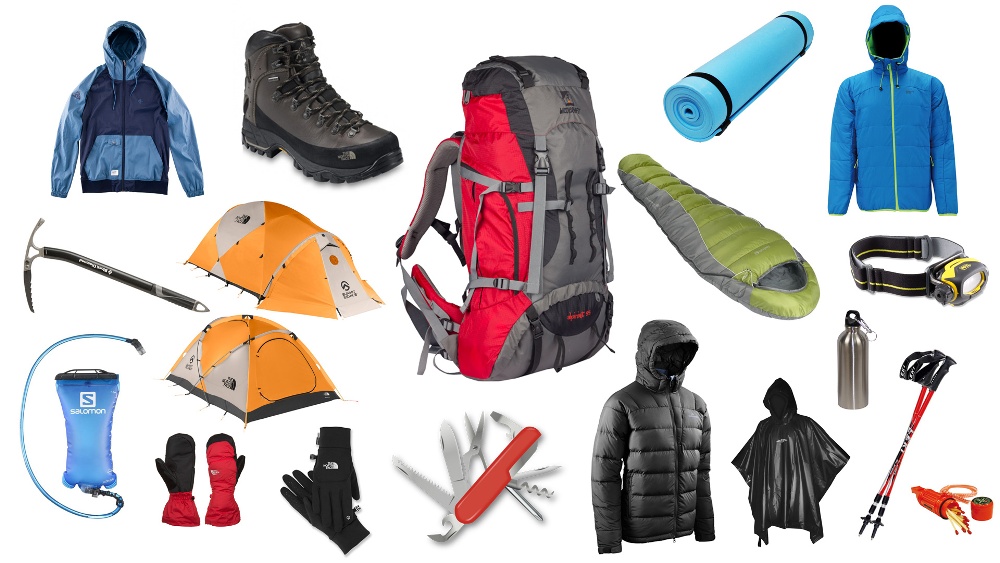
This complete Kilimanjaro Packing List 2026–2027 guide covers everything you need for a successful trekking experience, including clothing, hiking gear, summit equipment, sleeping essentials, toiletries, electronics, medications, and expert packing tips. Whether you are climbing the Machame, Lemosho, Marangu, Rongai, or Northern Circuit route, this guide will help you prepare confidently for one of the world’s greatest hiking adventures.
Many climbers underestimate Mount Kilimanjaro. Since it is considered a trekking mountain rather than a technical climb, some people assume that ordinary hiking clothes and basic equipment are enough. However, Kilimanjaro presents unique challenges that require careful preparation and proper gear selection. Climbers face rapid weather changes, cold temperatures at high altitude, rain and muddy trails on the lower slopes, strong summit winds, and long hiking hours over several consecutive days.
However, Kilimanjaro presents several challenges:
Packing correctly helps you:
The key to climbing Kilimanjaro comfortably is layering.
Before packing for Mount Kilimanjaro, it is important to understand the mountain’s different climate zones. One of the unique features of Kilimanjaro is that climbers pass through several environmental regions during the trek, each with its own temperatures, weather conditions, and terrain. As you ascend higher, the climate changes dramatically, requiring different types of clothing and equipment along the way. Preparing for these changing conditions is essential for staying comfortable, safe, and healthy throughout the climb.
The Rainforest Zone is the first section of the mountain and is usually warm, humid, and wet. This area receives heavy rainfall throughout much of the year, and trails can become muddy and slippery. Dense forest vegetation surrounds the routes, and temperatures are generally mild during the day. Climbers often begin their trek in light clothing but still need waterproof protection because sudden rain showers are very common in this zone.
What you need:
As climbers leave the rainforest behind, the landscape changes into open moorland with cooler temperatures and stronger winds. The air becomes drier, and temperatures can drop significantly during the evening and early morning hours. Weather conditions in this zone can change quickly, so proper layering becomes increasingly important to stay warm and comfortable while hiking.
What you need:
The Alpine Desert Zone is much colder and drier than the lower sections of the mountain. Vegetation becomes very limited, and the environment feels harsh due to strong sunlight during the day and freezing temperatures at night. The air at this altitude is thinner, making breathing more difficult for many climbers. Proper insulation and warm clothing become essential as the body begins to feel the effects of high altitude and colder conditions.
What you need:
The Arctic Summit Zone is the final and most challenging section of Mount Kilimanjaro. This area includes the summit ascent to Uhuru Peak, where temperatures can become extremely cold, especially during nighttime summit attempts. Strong winds, freezing temperatures, and low oxygen levels make this part of the climb physically demanding. Climbers must wear multiple warm layers to protect themselves from extreme cold and harsh summit conditions.
Temperatures may drop to:
What you need:
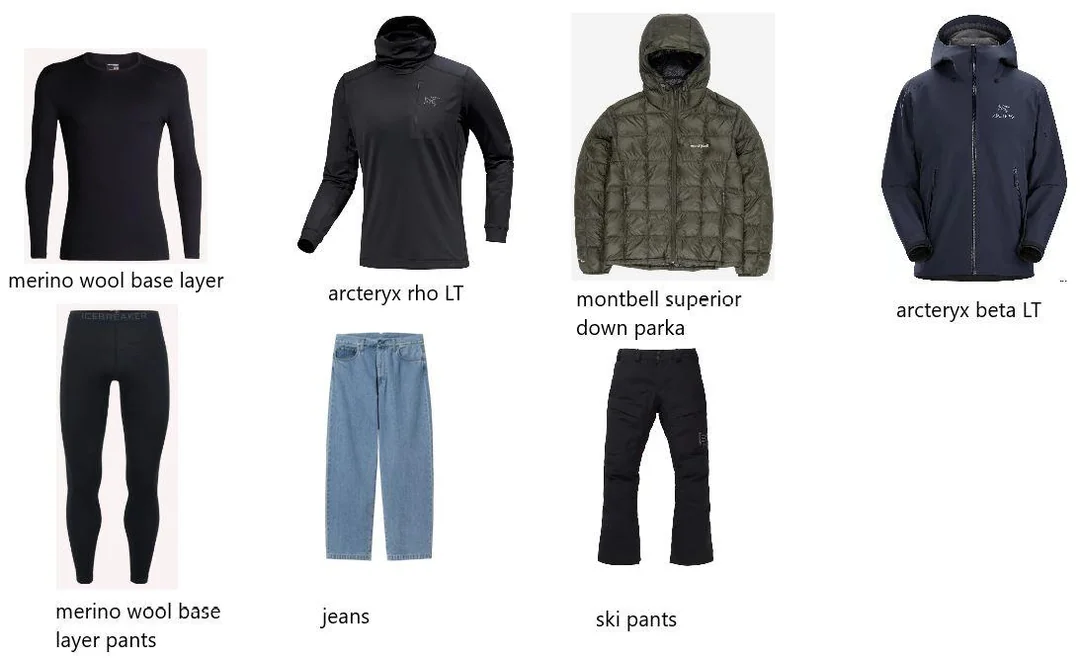
The secret to staying comfortable on Mount Kilimanjaro is dressing in layers. Since temperatures and weather conditions change dramatically as you climb higher, layering allows you to easily adjust your clothing throughout the trek. During the day, you may hike under warm sunshine, while mornings, evenings, and summit night can become extremely cold and windy. Wearing the correct clothing layers helps regulate body temperature, keeps moisture away from the skin, and protects you from rain, wind, and freezing temperatures.
Base layers sit directly against your skin and play an important role in regulating body temperature. They are designed to move sweat and moisture away from the body, helping you stay dry and warm even during long hiking days. Good base layers are especially important at higher altitudes where wet clothing can quickly lead to discomfort and cold exposure.
Pack:
Avoid cotton because it traps moisture and can make you cold.
Hiking shirts are your primary trekking clothing during the day, especially in the warmer lower zones of the mountain. Lightweight and breathable shirts help keep you comfortable while protecting your skin from sun exposure. Long-sleeve hiking shirts are especially useful because they provide extra protection against strong mountain sunlight and changing weather conditions.
Bring:
Quick-drying materials work best.
As temperatures become colder higher on the mountain, insulating layers help retain body heat and keep you warm during breaks, evenings, and colder hiking sections. Fleece jackets and insulated mid-layers provide warmth without adding too much weight, making them ideal for Kilimanjaro trekking.
Pack:
Fleece is ideal for cooler evenings and mornings.
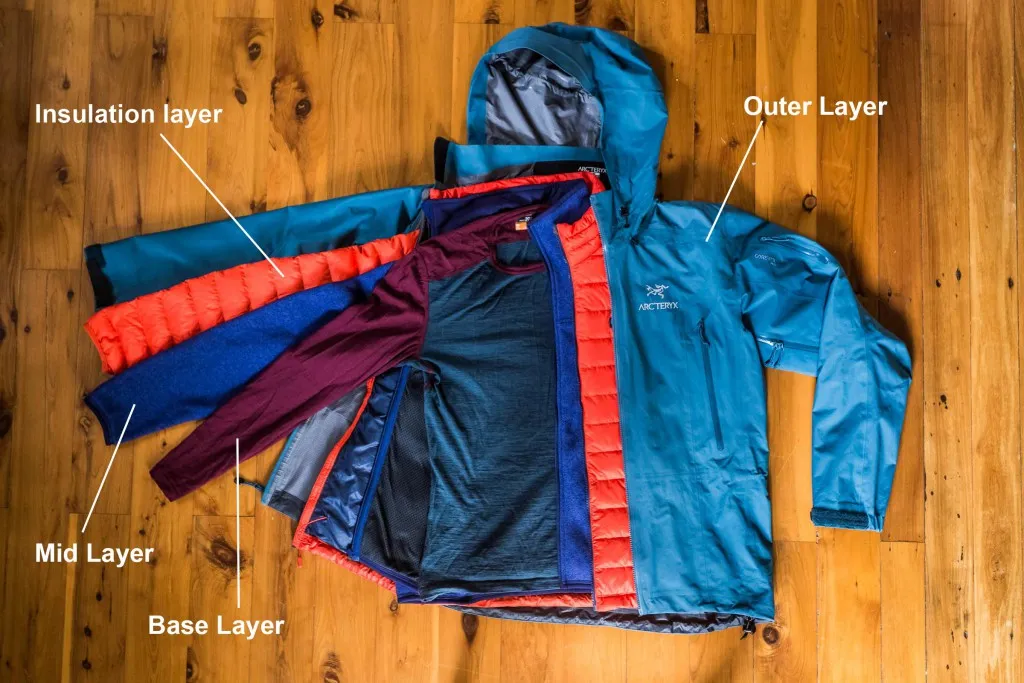
Rain and wet conditions are common on Kilimanjaro, particularly in the rainforest zone. A reliable waterproof outer layer protects you from rain, wind, and cold conditions while helping keep your inner layers dry. Waterproof gear is essential because hiking in wet clothing can quickly become uncomfortable and increase the risk of getting cold.
Bring:
Choose breathable waterproof materials to avoid overheating.
A warm insulated jacket is one of the most important items for climbing Kilimanjaro, especially during summit night when temperatures can fall far below freezing. A high-quality down or synthetic insulated jacket provides critical warmth and protection against cold winds and harsh summit conditions.
A high-quality down or synthetic insulated jacket helps protect against freezing temperatures.
Comfortable hiking pants are important for long trekking days across different terrains and weather conditions. Lightweight trekking pants work well for lower elevations, while insulated pants are necessary for colder sections near the summit. Good hiking pants should allow easy movement and provide protection against wind and cold.
Bring:
Avoid jeans because they are heavy and uncomfortable for trekking.
Summit night is the coldest and most physically demanding part of the Kilimanjaro climb. Climbers usually begin the summit ascent around midnight when temperatures are at their lowest. Wearing proper thermal layers is essential for staying warm, protecting against freezing winds, and maintaining comfort during the long climb to Uhuru Peak.
Pack:
Layering is essential for staying warm.
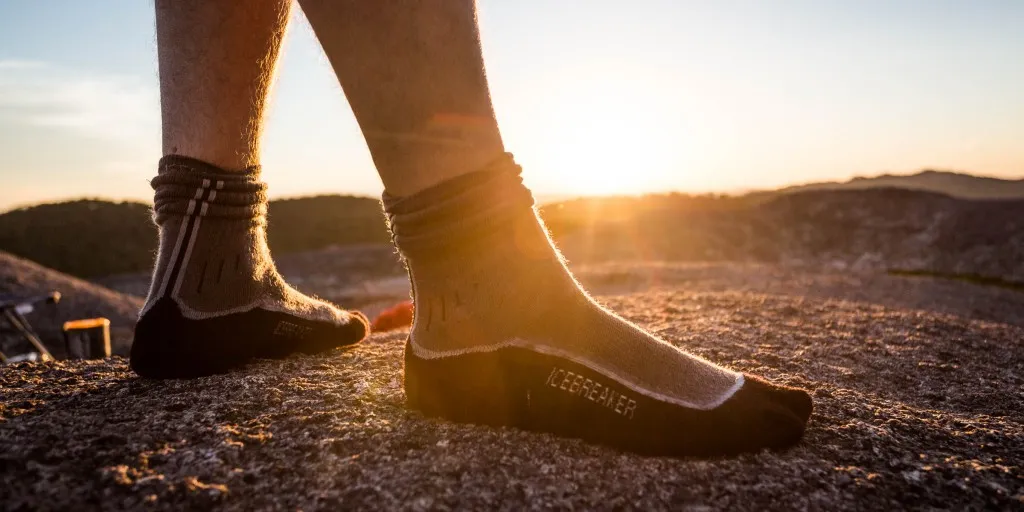
Good footwear is one of the most important parts of your Kilimanjaro packing list. During the trek, climbers spend many hours walking across different types of terrain, including muddy rainforest trails, rocky paths, loose gravel, and steep summit slopes. Wearing the right footwear helps prevent blisters, foot pain, injuries, and discomfort while improving stability and confidence on the mountain. Since your feet will carry you to the summit, investing in quality footwear is essential for a successful climb.
A reliable pair of hiking boots is essential for climbing Mount Kilimanjaro. The mountain’s changing terrain and weather conditions require boots that provide comfort, stability, warmth, and protection against rain and mud. Proper ankle support is especially important because some sections of the trail can be steep, uneven, and slippery. Before your climb, make sure your boots are fully broken in to avoid painful blisters and pressure points during the trek.
Bring:
Your boots should be:
✔ Comfortable
✔ Broken in before the trek
✔ Waterproof
Never bring brand-new boots to Kilimanjaro.
After long hiking days, changing into comfortable camp shoes helps your feet rest and recover. Camp shoes are useful for relaxing at camp, walking around tents, and giving your hiking boots time to dry and air out. Lightweight shoes are best because they add minimal extra weight to your gear.
Bring:
Good hiking socks are just as important as hiking boots. Quality socks help reduce friction, keep your feet dry, and provide extra warmth during colder sections of the climb. Moisture-wicking socks are especially important because damp feet can quickly lead to blisters and discomfort. Warm wool socks are highly recommended for summit night when temperatures become extremely cold.
Pack:
Choose moisture-wicking socks to prevent blisters.
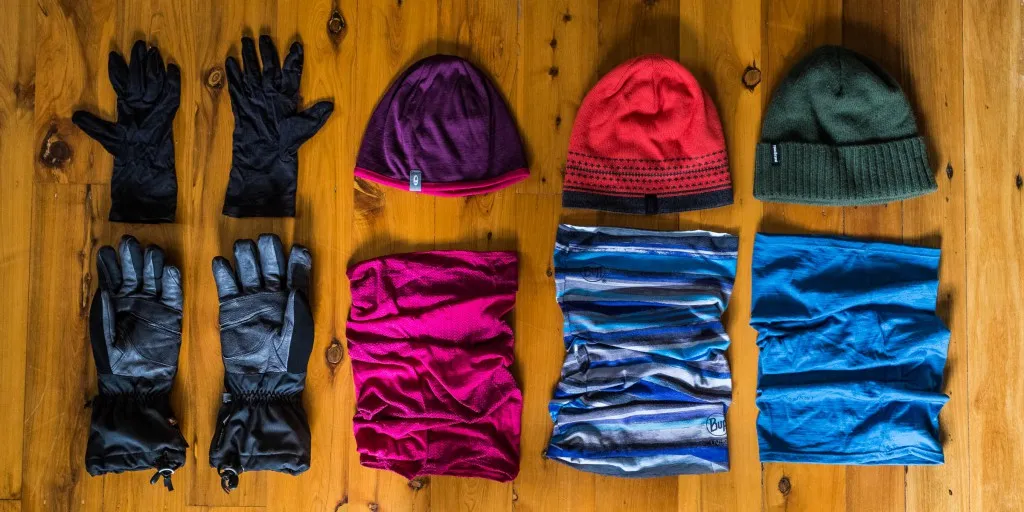
Accessories may seem like small items, but they play a major role in keeping climbers comfortable and protected on Mount Kilimanjaro. As you climb to higher elevations, temperatures become colder, winds become stronger, and sunlight becomes more intense. Proper accessories help protect sensitive areas such as your head, hands, neck, and eyes from harsh mountain conditions. Having the right accessories can greatly improve your comfort during long hiking days and especially during the cold summit ascent.
Temperatures near the summit can become extremely cold, particularly during nighttime summit attempts. A warm hat helps retain body heat and protects your head and ears from freezing winds. Since a large amount of body heat can be lost through the head, this item is essential for staying warm at high altitude.
Pack:
Even though Kilimanjaro becomes cold at higher elevations, the African sun can still be very strong during daytime hiking. A sun hat helps protect your face, neck, and scalp from direct sunlight and reduces the risk of sunburn and heat exposure while trekking.
Bring:
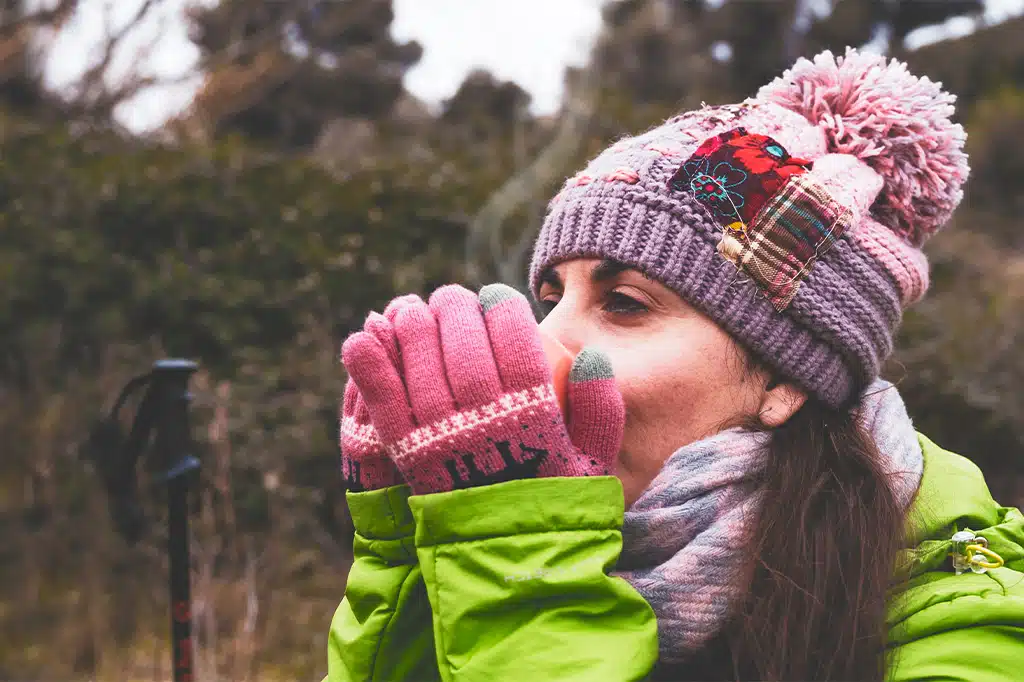
Cold hands are very common on Mount Kilimanjaro, especially during summit night when temperatures drop well below freezing. Wearing proper gloves helps protect your hands from cold winds and prevents numbness during the climb. Many climbers use lightweight gloves during regular hiking and switch to insulated waterproof gloves for colder conditions near the summit.
Pack:
Cold hands are very common during summit night.
A neck gaiter or buff is a versatile accessory that provides protection against dust, wind, and cold temperatures. It can be worn around the neck, over the face, or even as head protection depending on weather conditions. This simple item becomes especially useful in dry and windy sections of the mountain.
Useful for:
Sunlight at high altitude is much stronger because the atmosphere becomes thinner as you climb higher. Snow, ice, and bright sunlight near the summit can also increase glare and strain your eyes. Good sunglasses help protect your eyes from harmful UV rays and improve visibility during the trek.
Choose:
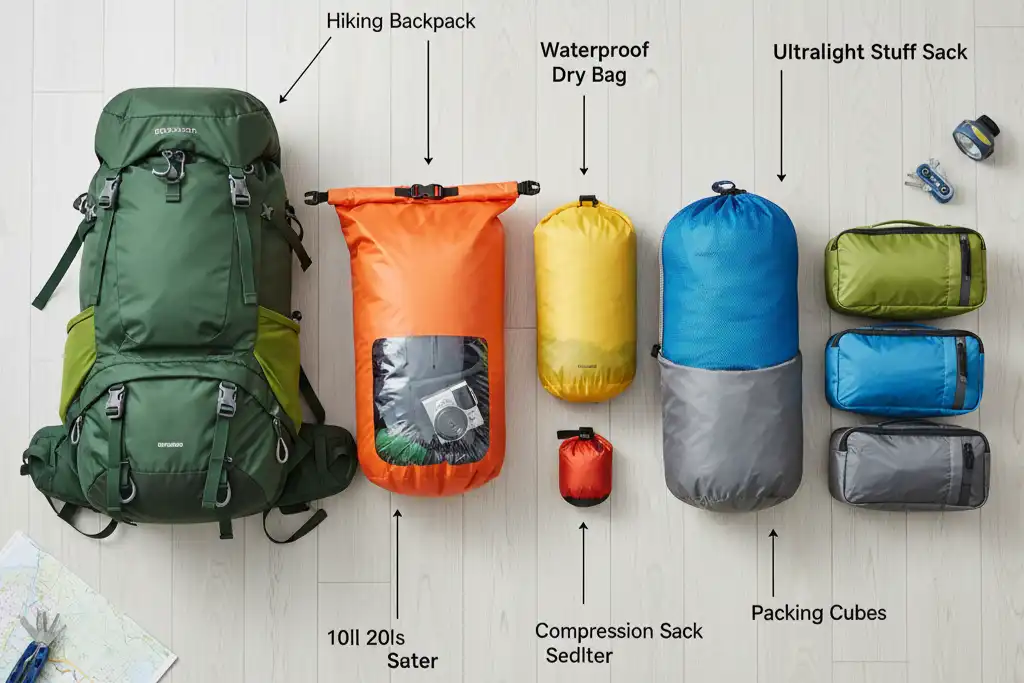
Having the right bags is essential for organizing your gear and making your Kilimanjaro trek more comfortable and efficient. Since you will be moving through different climate zones and spending several days on the mountain, your equipment needs to be well-packed, easy to access, and protected from rain and dust. A good bag setup also helps porters carry your main load safely while keeping your essential items within reach during the day.
Your daypack is the most important bag you will carry yourself during the climb. It contains all the essential items you need while hiking each day, so it should be lightweight, comfortable, and well-fitted. Since weather conditions can change quickly on Kilimanjaro, your daypack allows you to access important gear such as rain protection, hydration, and snacks without stopping or unpacking your main luggage.
Include:
Most Kilimanjaro tour operators provide porters who carry your main luggage in a duffel bag. This bag holds the majority of your clothing and personal gear that you will not need during the day. Because Kilimanjaro weather can be unpredictable, it is highly recommended to use a waterproof or water-resistant duffel bag to protect your belongings from rain, dust, and moisture.
Recommended:
Sleeping conditions on Kilimanjaro can be very cold, especially at higher camps where temperatures drop significantly at night. Good sleeping gear is essential for rest, recovery, and maintaining energy for the next day’s hike. Without proper sleep insulation, cold nights can affect your performance and overall climbing experience.
A high-quality sleeping bag is one of the most important pieces of equipment for your climb. It should be specifically designed for cold temperatures to ensure warmth and comfort during freezing nights on the mountain. A well-rated sleeping bag helps you sleep better, recover faster, and stay energized for the challenging days ahead.
Bring a sleeping bag rated for:
-10°C to -20°C (14°F to -4°F)
A sleeping pad provides insulation from the cold ground and adds extra comfort while sleeping in mountain tents. Some Kilimanjaro tour companies provide sleeping pads, but this is not always guaranteed, so it is important to confirm in advance. A good sleeping pad improves warmth and sleep quality, which is essential for high-altitude trekking recovery.
Having the right trekking equipment is essential for a safe, comfortable, and successful climb on Mount Kilimanjaro. The mountain’s terrain changes constantly, and climbers must deal with steep ascents, long descents, cold temperatures, and unpredictable weather conditions. Proper gear helps reduce physical strain, improves safety, and ensures you are well-prepared for both daytime hiking and the challenging summit push.
Trekking poles are highly recommended for climbing Kilimanjaro because they provide extra stability and reduce pressure on your knees, especially during steep descents. They help distribute weight more evenly across your body, making long hiking days less tiring. Many climbers find trekking poles especially useful when descending loose gravel or slippery trails, where balance and control are very important.
Highly recommended for:
A headlamp is an essential item for every Kilimanjaro climber, especially for summit night. The final ascent to Uhuru Peak begins around midnight, meaning you will be hiking in complete darkness for several hours. A reliable headlamp ensures you can see the trail clearly while keeping your hands free for balance and support. Carrying extra batteries is also important because cold temperatures can reduce battery life.
Bring:
You will start hiking to the summit in darkness around midnight.
Staying hydrated is extremely important at high altitude, where the body loses water faster due to dry air and physical exertion. Climbers are advised to drink regularly throughout the day to maintain energy levels and reduce the risk of altitude-related issues. A combination of reusable water bottles and a hydration bladder make it easier to carry and access water during long trekking hours.
Recommended:
Aim for 3 liters of water per day.
Dry bags are essential for protecting your gear from rain, dust, and moisture during the trek. Weather on Kilimanjaro can change quickly, especially in the rainforest zone where heavy rain is common. Using dry bags helps keep important items safe and organized inside your duffel bag or backpack, ensuring that electronics, clothing, and documents remain dry throughout the climb.
Use for:
Maintaining hygiene on Mount Kilimanjaro is important for comfort, health, and overall well-being during the trek. Since facilities on the mountain are very basic and showers are generally not available, climbers need to rely on travel-friendly hygiene products to stay clean and refreshed throughout the journey. Good personal hygiene also helps prevent infections, skin irritation, and discomfort caused by long days of hiking.
Bring travel-size essentials:
Showers are generally unavailable during the trek.
Bringing the right medications and basic first aid supplies is an important part of preparing for a Kilimanjaro climb. Because you will be trekking for several days in a remote mountain environment, access to pharmacies or medical facilities is extremely limited. Having essential medical items with you ensures that you can quickly manage minor health issues and continue your climb safely and comfortably.
It is common for climbers to experience mild headaches, blisters, fatigue, stomach discomfort, or cold symptoms during the trek. A well-prepared personal medical kit helps you respond quickly to these situations before they become more serious. Staying hydrated, taking rest when needed, and treating small issues early can make a big difference in your overall trekking experience.
Recommended:
Consult your doctor before taking altitude medication.
.webp)
Electronics are optional on Mount Kilimanjaro, but they can be very useful for communication, navigation, capturing memories, and staying organized during your climb. While the mountain environment is remote and basic, many climbers still choose to bring essential devices to document their journey and keep their gear powered throughout the trek. It is important to remember that cold temperatures at higher altitudes can drain batteries much faster than normal. For this reason, keeping your electronics protected and warm especially at night is essential to ensure they continue working when you need them most.
Optional but useful:
Cold weather drains batteries quickly.
Keep electronics inside warm layers at night.
Bringing your own snacks for energy is a smart way to stay fueled during long trekking days on Mount Kilimanjaro. Although meals are provided by your trekking team, having quick-access snacks helps maintain energy levels between breaks, especially on steep or demanding sections of the climb. The high altitude and long hiking hours can reduce appetite, so lightweight, high-calorie snacks become very important for keeping your strength up. Energy-rich foods are also helpful for summit night, when climbers need quick bursts of energy to push through cold temperatures and fatigue. Choosing compact, easy-to-carry snacks ensures you can eat on the move without slowing down your progress.
Bring lightweight energy foods:
These can boost energy during long trekking days.
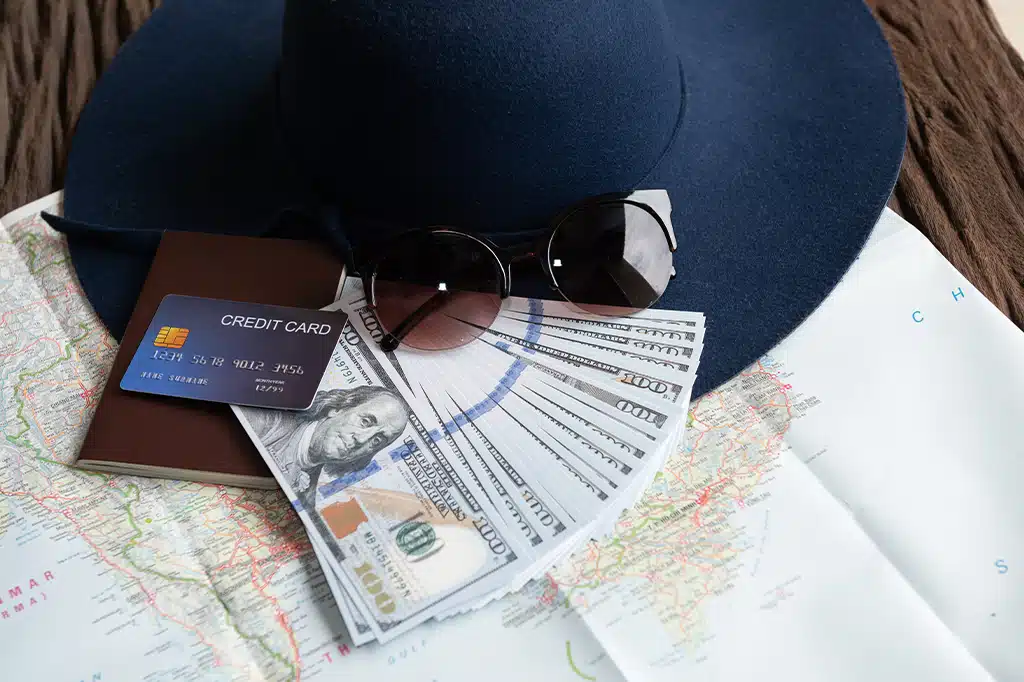
Carrying the correct travel documents is essential for a smooth and stress-free Kilimanjaro climb. These items ensure you can complete necessary check-ins, verify your travel arrangements, and handle any unexpected situations during your trip. Since you will be trekking in a remote mountain environment, it is also important to keep all documents well-organized and easily accessible when needed. Before starting your climb, make sure all important paperwork is prepared and stored safely to avoid damage from rain, dust, or moisture. Using waterproof bags or protective folders is highly recommended to keep everything secure throughout the trek.
Important items include:
Keep documents in waterproof bags.
Packing light is just as important as packing the right gear when preparing for Mount Kilimanjaro. Every extra kilogram adds strain on your body and makes the long trekking days more difficult. Since porters carry your main bag and you only carry a daypack, avoiding unnecessary or impractical items will make your climb more comfortable and manageable. Overpacking is one of the most common mistakes climbers make. The mountain already presents challenges such as altitude, changing weather, and long hiking hours, so carrying only what is essential helps you stay focused, conserve energy, and enjoy the experience more fully.
Do NOT bring:
Remember, lighter bags make trekking easier.
Preparing for Mount Kilimanjaro requires more than just collecting gear it requires smart planning, realistic expectations, and an understanding of how the mountain environment works. First-time climbers often overpack or bring unsuitable items, which can make the trek more difficult than it needs to be. Following practical packing strategies will help you stay comfortable, avoid unnecessary weight, and focus your energy on reaching the summit instead of managing excess baggage.
Packing light is one of the most important rules for a successful Kilimanjaro climb. Every extra item adds weight to your duffel bag, which is carried by porters, and may also lead to confusion when accessing your gear at camp. The goal is to bring only what is truly necessary for safety, warmth, hygiene, and comfort. Avoid “just in case” items that you are unlikely to use. Instead, focus on versatile clothing and equipment that can serve multiple purposes. A lighter bag not only makes transport easier for porters but also ensures faster organization at camps and less stress throughout the journey. Smart packing also means choosing quality over quantity, ensuring each item has a clear purpose on the mountain.
One of the biggest mistakes first-time climbers make is using brand-new gear on Kilimanjaro. Boots, backpacks, jackets, and even socks should be tested well before the trip to ensure they are comfortable and functional. Hiking boots in particular must be broken in to prevent painful blisters, pressure points, or discomfort during long hiking days. You should also test how your clothing layers work together in different temperatures to understand how to adjust them efficiently. Practicing with your backpack helps you adjust straps for proper weight distribution, reducing strain on your shoulders and back. Testing gear early gives you confidence and helps you identify any problems before you are on the mountain, where replacements are not easily available.
Layering is essential for dealing with Kilimanjaro’s rapidly changing climate zones. As you climb higher, temperatures can shift from warm and humid to freezing cold within a few hours. A good layering system includes a moisture-wicking base layer, an insulating middle layer, and a waterproof outer layer. This system allows you to add or remove clothing easily depending on weather conditions and your activity level. During steep climbs, you may feel warm and need to remove layers, while during rest breaks or windy sections, you will need insulation to retain body heat. Proper layering not only improves comfort but also helps regulate body temperature and prevent overheating or excessive cooling, both of which can affect performance at high altitude.
Hydration plays a critical role in your success on Kilimanjaro. At high altitude, the body loses water faster due to dry air, increased breathing rate, and physical exertion. Dehydration can quickly lead to fatigue, headaches, and increased risk of altitude sickness. Drinking small amounts of water regularly throughout the day is more effective than drinking large amounts at once. Carrying a hydration bladder or easily accessible water bottles encourages consistent hydration while hiking. Warm drinks like tea at camp can also help maintain fluid intake and body temperature. Staying well-hydrated supports energy levels, improves acclimatization, and helps your body cope better with the demands of long trekking days.
Renting gear is a practical and cost-effective option for many climbers, especially beginners who may not want to invest in expensive equipment. Items such as sleeping bags, trekking poles, insulated jackets, and even backpacks are often available for rent from tour operators. This approach reduces luggage weight and saves space in your duffel bag, making travel more convenient. Renting also allows you to access high-quality, mountain-tested gear without having to purchase everything yourself. However, it is still important to check the condition of rented equipment before your climb and ensure it meets the necessary warmth and safety standards. Combining rented items with your personal essentials can create a balanced and efficient packing setup for your Kilimanjaro adventure.
The most important items for climbing Mount Kilimanjaro are high-quality hiking boots and proper warm clothing for summit conditions. Hiking boots protect your feet on long and uneven trails, while warm layers especially a down jacket and thermal wear are essential for surviving freezing temperatures near the summit. Without the right footwear and insulation, climbers are more likely to experience discomfort, fatigue, and difficulty completing the trek. Since Kilimanjaro involves multiple climate zones, having reliable gear for both warm and cold conditions is crucial for safety and summit success.
Mount Kilimanjaro becomes extremely cold as you gain altitude, especially during nighttime and summit attempts. At the highest point, Uhuru Peak, temperatures can drop to around -20°C (-4°F) or even lower when wind chill is taken into account. Lower zones are warmer, but conditions can still change quickly, with rain, wind, and cold temperatures occurring throughout the trek. Because of these extreme variations, climbers must be prepared with layered clothing, insulated jackets, gloves, and proper sleeping gear to stay warm and safe during the climb.
Yes, beginners can successfully climb Mount Kilimanjaro. In fact, thousands of first-time trekkers reach the summit every year. The mountain does not require technical climbing skills, ropes, or special mountaineering experience. However, success depends heavily on physical preparation, mental readiness, proper acclimatization, and having the right gear. Choosing a longer route, such as the Lemosho or Machame route, can improve your chances of acclimatizing properly and reaching the summit safely. With good preparation and a reliable guide team, beginners can complete the climb successfully.
Trekking poles are not mandatory for climbing Kilimanjaro, but they are strongly recommended for most climbers. They provide extra balance, reduce pressure on the knees, and help conserve energy during long hiking days. Trekking poles are especially useful during steep descents, where the terrain can be slippery and challenging. Many climbers find that using poles significantly reduces fatigue and improves stability, making the overall trekking experience more comfortable and controlled.
Yes, it is very common to rent Kilimanjaro gear, especially in Moshi and Arusha where many tour operators provide rental services. Items such as sleeping bags, trekking poles, insulated jackets, and backpacks are often available for rent at affordable prices. This is a convenient option for climbers who do not want to purchase expensive equipment or carry heavy luggage from home. Renting gear also allows you to access high-quality mountain equipment that is specifically suited for Kilimanjaro’s cold and variable conditions. Before your climb, it is always recommended to check the condition and warmth rating of rented items to ensure they meet your needs.
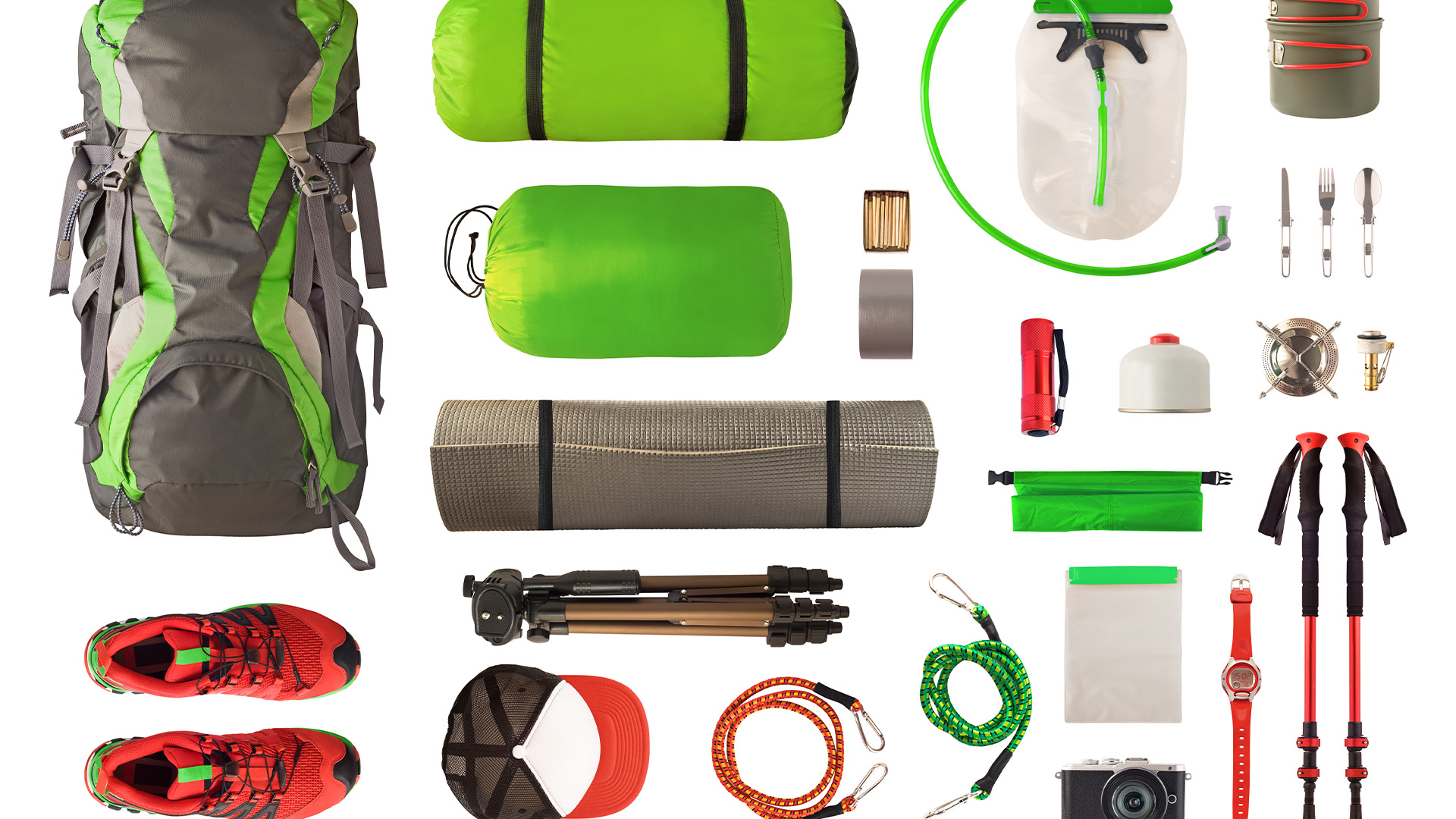
Packing correctly is one of the biggest keys to a successful Kilimanjaro climb. Since the mountain includes multiple climate zones from rainforest to arctic conditions climbers must prepare for changing temperatures, rain, wind, and freezing summit nights. By following this Kilimanjaro Packing List 2026–2027, you will be better prepared, more comfortable, and more confident on your journey to the Roof of Africa. The right gear helps improve safety, comfort, and your chances of standing proudly at Uhuru Peak, the highest point in Africa.
Book Your Kilimanjaro Climb
Planning your Mount Kilimanjaro adventure for 2026–2027? Let our experienced local team help you reach the summit safely and successfully.
We offer:
For bookings and inquiries:
📧 Email: redetours2005@gmail.com
📱 WhatsApp: +255 676 063 791
Start planning your Kilimanjaro adventure today and conquer Africa’s highest mountain with confidence