
Climbing Mount Kilimanjaro is more than just a hike it’s a life-changing journey to the Roof of Africa. Rising to 5,895 meters above sea level, this iconic peak in Tanzania offers one of the most accessible high-altitude adventures in the world.
What makes Kilimanjaro truly unique is that it allows you to walk from lush rainforest to an arctic summit in just a few days, without needing technical climbing skills or prior mountaineering experience. Along the way, you’ll pass through diverse landscapes, encounter breathtaking views above the clouds, and challenge both your body and mind. The final push to Uhuru Peak at sunrise is an emotional and unforgettable moment one that rewards every step of the journey.
If you’re planning your 2026 adventure, you can now join affordable Kilimanjaro hiking tours starting from just $1350 per person without compromising safety, quality, or experience. These tours are designed to provide professional guidance, proper acclimatization, and full support on the mountain, making it possible for both beginners and experienced trekkers to successfully reach the summit.
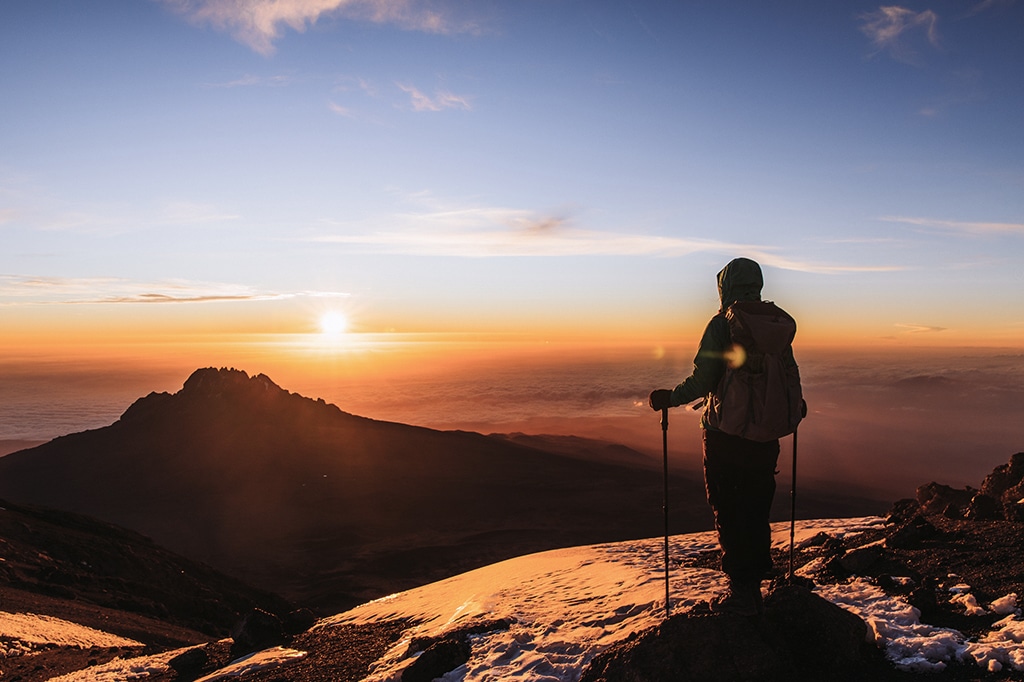
Unlike many high mountains, Kilimanjaro requires no technical climbing skills. With the right preparation and experienced guides, anyone with good fitness and determination can reach the summit.
What makes this trek unforgettable:
Our tours are designed to be budget-friendly yet professional, giving you excellent value for your investment.
Price Guide (Per Person)
Choosing the right route on Mount Kilimanjaro is one of the most important decisions you will make when planning your climb. Each route offers a different experience in terms of scenery, difficulty, acclimatization, and crowd levels. In general, routes that take more days give your body enough time to adjust to the altitude, which significantly improves your chances of reaching the summit successfully.
The Machame Route, often called the “Whiskey Route,” is the most popular path on the mountain because it offers a perfect balance of challenge and beauty. As you ascend, you move through diverse landscapes, from dense rainforest to rocky ridges and high alpine desert. One of its key advantages is the “climb high, sleep low” approach, which helps your body adapt to altitude more effectively. Although it is physically demanding in some sections, especially around the Barranco Wall, it rewards climbers with spectacular views and a strong success rate, particularly on the 7-day itinerary.
The Lemosho Route is widely regarded as the best overall option for most climbers. It begins on the quieter western side of Mount Kilimanjaro, allowing for a more peaceful start before joining the Machame Route later on. This route is longer and more gradual, giving your body extra time to acclimatize, which is why it has one of the highest summit success rates. The scenery is exceptional throughout, with sweeping views, varied terrain, and fewer crowds in the early days, making it ideal for those who want a more relaxed and scenic climb.
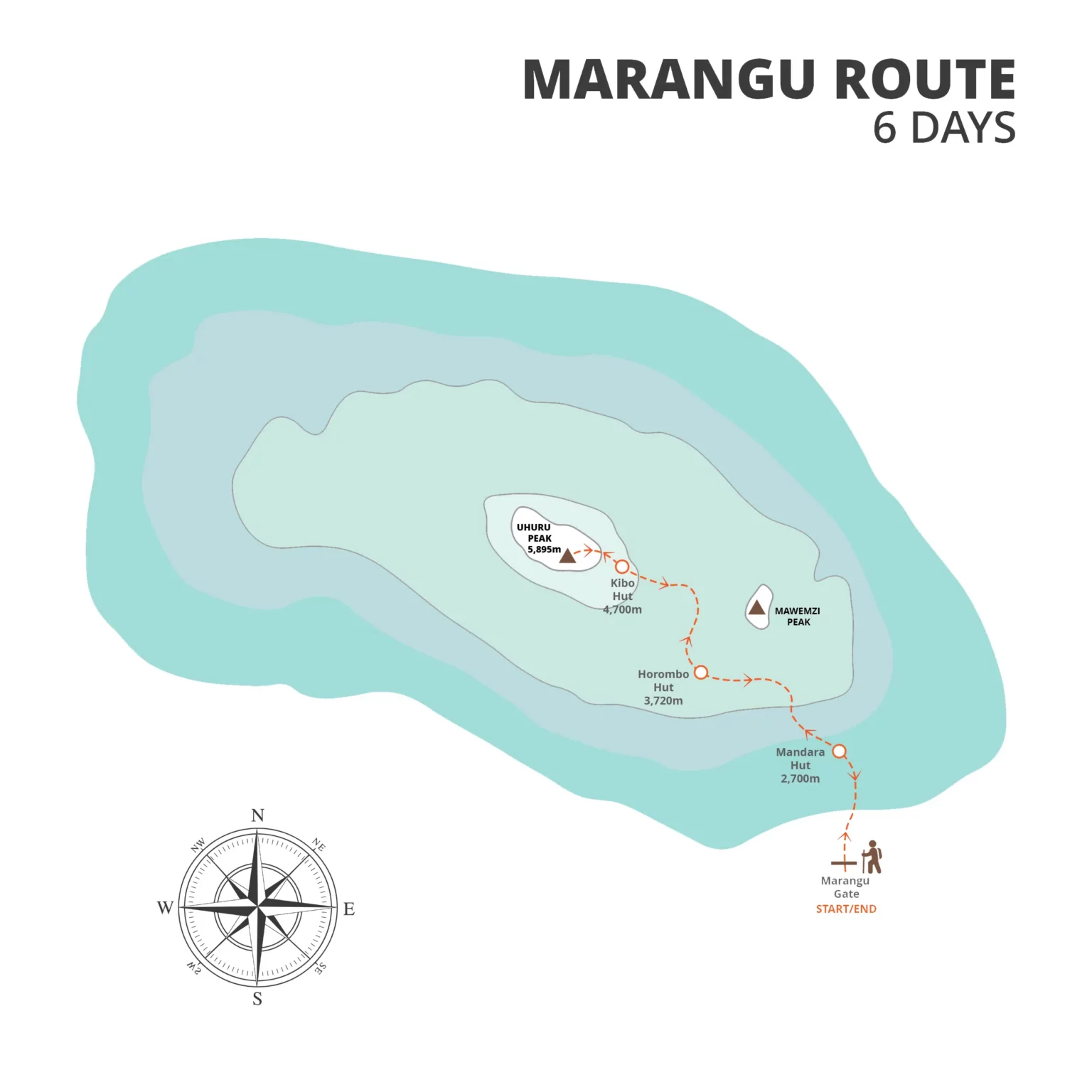
The Marangu Route is unique because it is the only route that offers hut accommodation instead of camping. This makes it a more comfortable option, especially for climbers who prefer not to sleep in tents. The trail itself is more direct, following the same path up and down the mountain. However, because it is shorter and allows less time for acclimatization, it has a lower success rate compared to longer routes. While it may seem easier due to the facilities, the faster ascent can make altitude more challenging for some climbers.
The Rongai Route approaches the mountain from the northern side near the Kenyan border and is known for being quieter and less crowded. The ascent is more gradual, making it physically less intense in terms of steep climbs. It is also a good choice during the rainy season because this side of the mountain tends to receive less rainfall. While the scenery is not as dramatic as the southern routes, it offers a unique perspective and a more remote trekking experience, which many climbers find appealing.
The best route ultimately depends on your goals, fitness level, and preferences. If your main priority is reaching the summit with the highest chance of success, a longer route like Lemosho is often the best choice. If you are looking for a popular and scenic adventure with a bit more challenge, Machame is an excellent option. For those who value comfort and simplicity, Marangu may be suitable, while Rongai is ideal for climbers seeking a quieter and less crowded journey.
No matter which routes you choose, climbing Mount Kilimanjaro is an unforgettable experience that combines natural beauty, personal challenge, and the rewarding achievement of standing on Africa’s highest peak.
This route offers excellent acclimatization, improving your chances of reaching the summit.
Your safety is our top priority on Mount Kilimanjaro.
We provide:
Success Rate: Up to 90% on 7–8-day routes
Altitude is the biggest challenge when climbing Mount Kilimanjaro. As you ascend higher, the oxygen level drops, which can affect how your body performs. This is a normal part of high-altitude trekking, and almost every climber feels it in some way.
These symptoms can start mild but may worsen if you climb too quickly or ignore early warning signs.
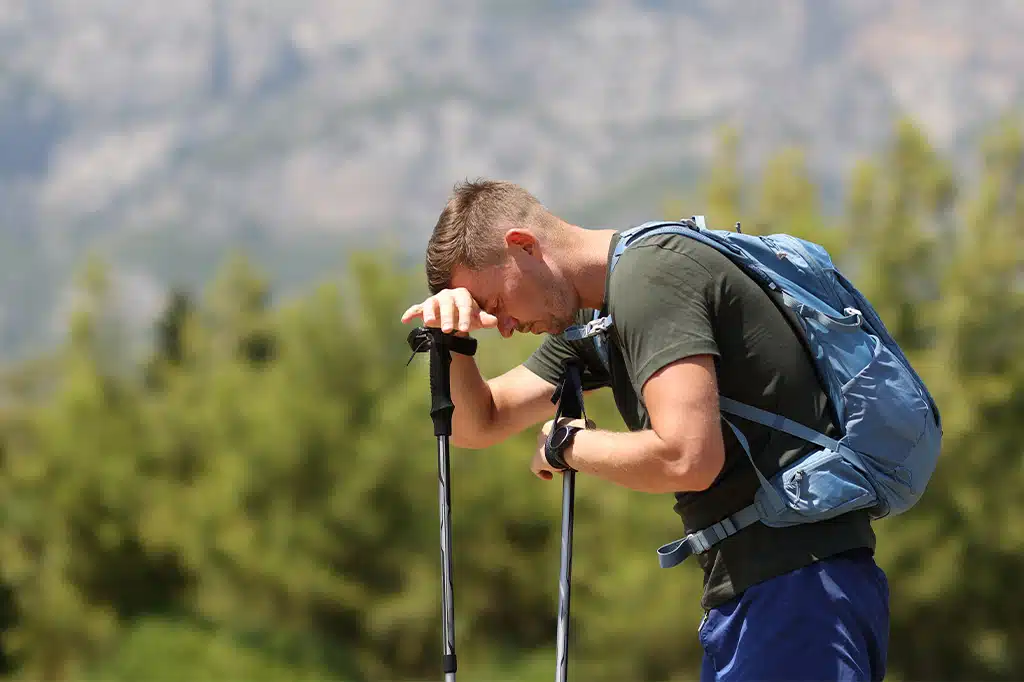
On Mount Kilimanjaro, success is not about speed it is about patience, preparation, and listening to your body.
Choosing the right season for climbing Mount Kilimanjaro is very important because weather conditions directly affect your safety, comfort, and summit success rate. Even though the mountain can be climbed all year round, some months offer much better visibility, drier trails, and higher chances of reaching the summit.
This period is one of the most beautiful times to climb. The mountain is generally less crowded, giving you a more peaceful and personal trekking experience. The weather is cooler, and skies are often clear, which means you get amazing views of glaciers and landscapes.
However, it can be slightly colder at higher altitudes, and there is still a chance of light snow near the summit. The biggest advantage of this season is the quiet trails, making it ideal for climbers who want a less busy and more reflective journey.
This is considered the peak climbing season for Kilimanjaro. The weather is mostly dry, skies are clear, and trail conditions are at their best. These months offer the highest visibility, allowing you to enjoy stunning sunrise views and panoramic scenery from different climate zones.
Because of the excellent conditions, this is also the most popular time, meaning the mountain is busier. However, the combination of stable weather and better trail safety makes it the most recommended period for first-time climbers and those aiming for a successful summit.
These months bring heavy and continuous rainfall on Mount Kilimanjaro. Trails become muddy, slippery, and more difficult to navigate. Visibility is often poor due to cloud cover, and the overall climbing experience is less enjoyable.
Although it is still possible to climb, the conditions are challenging, and many operators reduce activity during this period.
November brings shorter but frequent rains. While not as intense as April and May, the trails can still be wet and cloudy. Crowds are low, but the weather can affect visibility and comfort during the climb.
For the best experience on Mount Kilimanjaro, the ideal climbing windows are January to March and June to October.
If your priority is the highest summit success rate and stable weather, choose June to October. If you prefer a quieter and more peaceful adventure, January to March is a great option.
Avoiding the rainy seasons will significantly improve your safety, comfort, and overall enjoyment on the mountain.
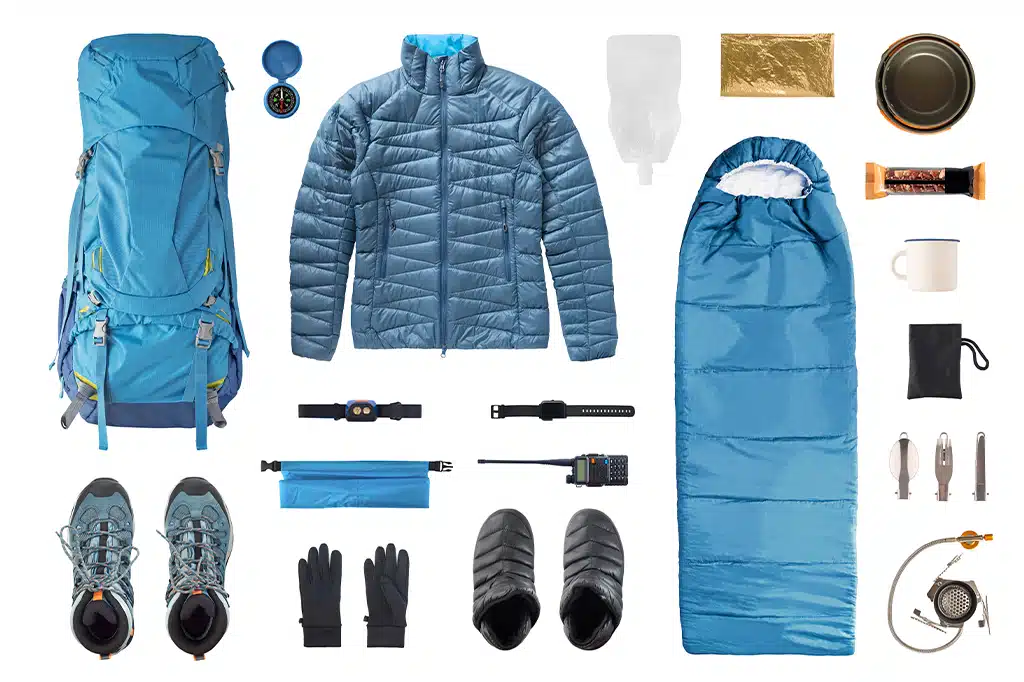
A successful climb of Mount Kilimanjaro depends greatly on having the right equipment. Because the mountain has multiple climate zones, conditions change quickly from warm rainforest to freezing summit temperatures, so proper preparation is essential.
You need layered clothing that allows you to adjust as temperatures change during the day. A warm insulated jacket is required for summit night when temperatures drop significantly. Waterproof outer layers are also important to protect you from rain and wind at higher elevations. Well-broken-in hiking boots are essential for comfort and safety on rocky and uneven trails.
Other key items include thermal gloves and a warm hat for cold conditions, a high-quality sleeping bag suitable for sub-zero temperatures, a headlamp for night trekking, and a hydration system or water bottles to stay properly hydrated throughout the climb.
Sunscreen, sunglasses, and dry bags for protecting gear from rain are also strongly recommended.
Your journey to climb Mount Kilimanjaro is designed to be smooth and well-organized from the moment you arrive in Tanzania. Proper logistics ensure you focus on the adventure while everything else is taken care of.
To make your trip even more rewarding after summiting Mount Kilimanjaro, you can extend your adventure with optional experiences:
This complete travel setup ensures your Kilimanjaro experience is not only successful but also comfortable, safe, and unforgettable.
Choosing the right operator for your climb up Mount Kilimanjaro makes a big difference in your safety, comfort, and summit success. Our focus is not just getting you to the top, but ensuring you enjoy every step of the journey.
With the right support team, your journey to the summit of Mount Kilimanjaro becomes safer, more enjoyable, and far more rewarding.
Climbing Mount Kilimanjaro is one of the most rewarding adventures in the world, but it is also normal to have questions before booking. Understanding the reality of the climb helps you prepare better and increases your chances of reaching the summit successfully.
Kilimanjaro is a challenging trek, but it is not a technical climb. This means you do not need ropes, ice axes, or mountaineering skills. The main difficulty comes from walking long distances for several days while the altitude steadily increases. As you go higher, the air becomes thinner, and your body receives less oxygen, which is why many climbers feel tired or slower near the upper sections. Weather can also change quickly from warm rainforest conditions to freezing temperatures near the summit. Despite these challenges, most healthy people can complete the climb with proper preparation, good pacing, and the right route. Longer routes such as 7–8 days are strongly recommended because they give your body more time to adjust, greatly improving comfort and success rate.
No previous climbing or trekking experience is required to climb Mount Kilimanjaro. Many first-time hikers reach the summit every year. What matters most is preparation and consistency rather than experience. Basic fitness such as walking, jogging, cycling, or hiking before your trip will help your body handle long trekking days. Mental readiness is also important because the climb can feel slow and repetitive, especially when following the “pole pole” (slowly, slowly) pace used by guides. You do not need to be an athlete, but you should be willing to walk for several hours a day at a steady pace. Our guides will support you throughout the journey, ensuring you climb safely and comfortably.
Tipping is an important and expected part of climbing Kilimanjaro. The mountain crew including guides, cooks, and porters play a key role in your safety, carrying equipment, preparing meals, and setting up camp every day. Because they work under demanding conditions at high altitude, tipping is a significant part of their income. The exact amount depends on the number of days and the size of your group, but clear guidelines are always provided before the climb so you know what to expect. Tipping is usually done at the end of the trek at the mountain gate during a small appreciation ceremony.
Yes, beginners can successfully climb Mount Kilimanjaro. In fact, many climbers are first-timers with no prior high-altitude experience. The key to success is choosing a suitable route with enough days for acclimatization, maintaining a slow and steady pace, and following your guide’s instructions. Longer routes such as Lemosho or Machame 7–8 days are ideal for beginners because they reduce the risk of altitude sickness and increase summit success rates. With proper preparation, the right mindset, and professional support, beginners can safely reach Uhuru Peak and enjoy one of the most unforgettable achievements of their lives.
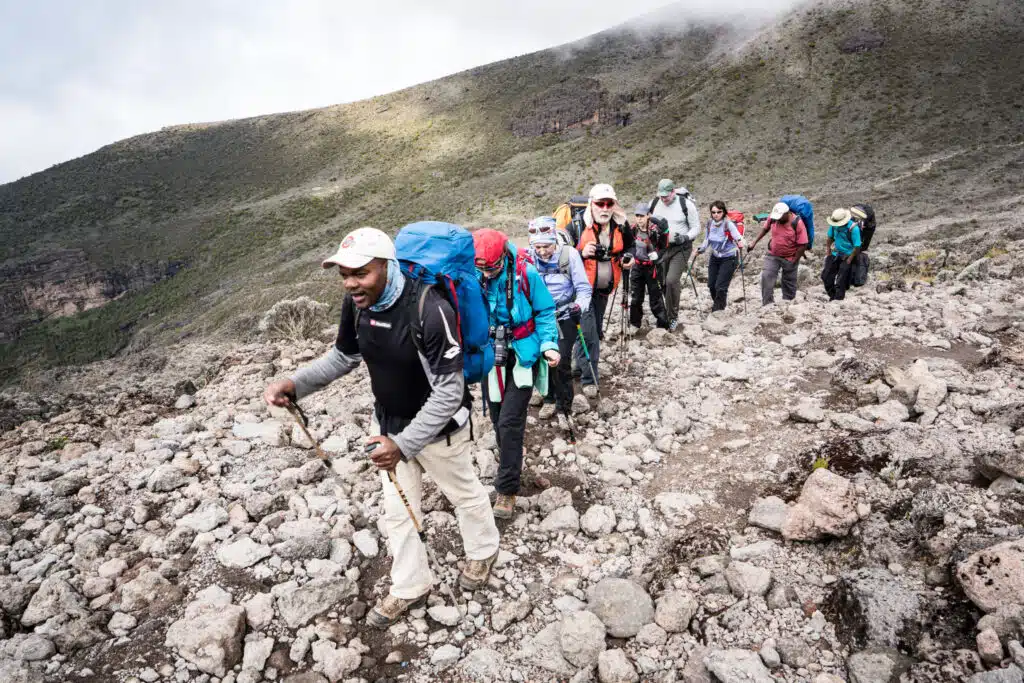
Climbing Mount Kilimanjaro is not just a trek it is a powerful personal journey that challenges your body, strengthens your mindset, and rewards you with one of the most incredible achievements in the world. From the moment you step into the lush rainforest at the base of the mountain to the final push through freezing winds toward Uhuru Peak, every stage of the climb teaches patience, endurance, and determination. Reaching the summit is more than standing at the top of Africa it is a moment of pride, reflection, and unforgettable accomplishment that stays with you forever.
Book Your 2026 Kilimanjaro Trek Today
Spaces for 2026 climbs are limited and filling quickly, especially for the most popular routes and peak seasons. Early booking ensures you secure your preferred dates and gives you enough time to prepare physically and mentally for the journey ahead.
Do not wait until the last minute contact us today and take the first confident step toward conquering Africa’s highest mountain and achieving a lifetime dream.