
Climbing Mount Kilimanjaro is a once-in-a-lifetime adventure that combines physical challenge, natural beauty, and personal achievement. Rising to 5,895 meters above sea level, it is the tallest mountain in Africa and one of the most accessible high-altitude summits in the world. Unlike many other major peaks, Kilimanjaro does not require technical climbing skills such as ropes or mountaineering experience what you need instead is determination, proper preparation, and the right mindset to handle the altitude and long trekking days.
As you make your way up the mountain, you pass through a variety of unique landscapes, from lush rainforest and open moorlands to alpine desert and icy glaciers near the summit. This dramatic change in environment makes the journey not only physically demanding but also incredibly rewarding and memorable.
For the 2026/2027 climbing seasons, thousands of travelers from around the world are already planning their trek to the iconic Uhuru Peak, the highest point in Africa. Reaching this summit is a proud achievement that requires careful planning, the right route selection, and enough time for your body to adjust to the altitude.
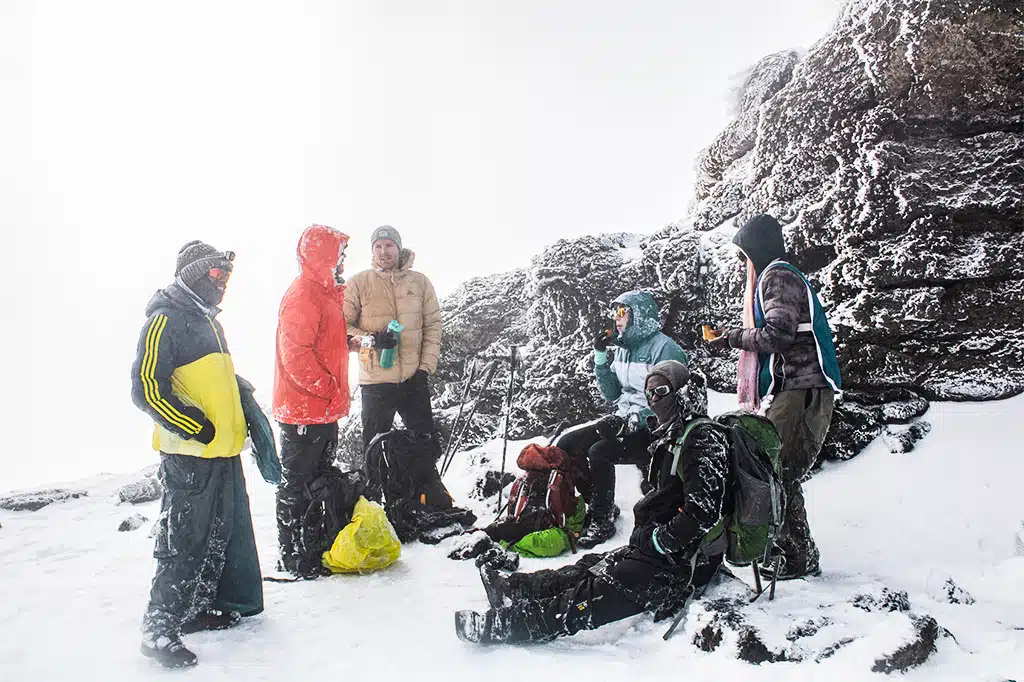
This guide is designed to help you make informed decisions by explaining the different climbing routes, giving you a clear understanding of pricing, and showing you how to increase your chances of success. With the right preparation and approach, standing on the summit of Kilimanjaro is an achievable goal for many people not just experienced climbers, but anyone willing to commit to the journey.
Each route on Mount Kilimanjaro offers a different experience in terms of scenery, difficulty, acclimatization, and overall success rate. Choosing the right route is one of the most important decisions because it directly affects how your body adapts to altitude and how enjoyable your journey will be.
The Lemosho Route is widely considered the best option for most climbers because it combines beautiful scenery, lower crowds at the start, and excellent acclimatization. It begins on the western side of the mountain, allowing trekkers to gradually ascend and give their bodies enough time to adjust to the decreasing oxygen levels.
One of the biggest advantages of Lemosho is its “climb high, sleep low” profile, where you hike to higher altitudes during the day and descend slightly to sleep. This process helps your body adapt more effectively, significantly increasing your chances of reaching the summit.
As you trek along this route, you pass through diverse landscapes starting with dense rainforest, moving into wide moorlands, and eventually reaching the dramatic alpine desert. The route later joins the Machame trail, giving you access to iconic sections like the Barranco Wall, which adds a bit of adventure without requiring technical climbing skills.
Because of its longer duration, Lemosho is especially suitable for:
Although it may cost slightly more due to the extra days, the higher success rate and overall experience make it one of the most recommended routes on Kilimanjaro.
The Machame Route is one of the most popular ways to climb Mount Kilimanjaro, and for good reason it offers a perfect mix of scenery, challenge, and solid acclimatization. Often called the “Whiskey Route,” it is considered more demanding than easier options, but also more rewarding.
This route approaches the mountain from the south and is known for its varied and dramatic landscapes. Climbers pass through lush rainforest, open moorland, rocky ridges, and finally the harsh alpine desert before reaching the summit zone. The constant change in scenery keeps the trek exciting and visually impressive.
One of the key strengths of Machame is its acclimatization profile, especially when done over 7 or 8 days. Like Lemosho, it follows the principle of “climb high, sleep low,” helping your body gradually adjust to altitude and improving your chances of success.
A highlight of this route is the famous Barranco Wall, a steep but non-technical climb that adds adventure to the journey. While it may look intimidating at first, most climbers manage it well with the guidance of experienced guides.
However, Machame is more physically demanding because:
This route is best suited for:
While it is busier than routes like Lemosho or the Northern Circuit, its combination of challenge, beauty, and high success rate makes Machame one of the top choices for Kilimanjaro climbers.
The Northern Circuit is the longest and most successful route on Mount Kilimanjaro, and it is widely regarded as the safest option for reaching the summit. Because of its extended duration, it provides the best acclimatization profile, giving your body more time to adapt gradually to high altitude conditions.
This route begins on the western side of the mountain, similar to Lemosho, but instead of heading directly south or east, it takes a wide loop around the quieter northern slopes. This makes the journey feel more remote, peaceful, and less crowded compared to other routes.
One of the biggest advantages of the Northern Circuit is the slow and steady ascent. The body is exposed to altitude in a controlled way, reducing the risk of altitude sickness and significantly improving summit success rates. This is the main reason why it has one of the highest success rates on the mountain.
Throughout the trek, climbers experience a full range of Kilimanjaro’s ecosystems lush forest at the beginning, open moorlands, volcanic landscapes, and eventually the icy summit zone near Uhuru Peak.
Another key benefit is the low traffic volume. Compared to popular routes like Machame, the Northern Circuit feels quieter and more exclusive, allowing for a more peaceful and reflective trekking experience.
This route is especially suitable for:
Although it requires more days and is slightly more expensive due to extended logistics, the Northern Circuit is considered the gold standard for safety and success on Kilimanjaro.
The Marangu Route is one of the oldest and most established routes on Mount Kilimanjaro, and it is often chosen by climbers looking for a more comfortable and budget-friendly experience. It is commonly known as the “Coca-Cola Route” because of its relatively straightforward path and availability of basic comforts along the way.
What makes Marangu unique is that it is the only route on Kilimanjaro that uses hut accommodation instead of tents. Instead of camping outdoors, climbers sleep in shared mountain huts at designated campsites. These huts provide bunk beds and simple shelter, which can feel more comfortable compared to camping in cold or rainy conditions.
However, despite being seen as “easier,” Marangu is actually more challenging in terms of acclimatization. The main reason is that it has a shorter itinerary and follows the same route up and down, which limits gradual altitude adjustment. This is one of the main reasons why its success rate is lower compared to longer routes.
The route starts on the southeastern side of the mountain and passes through rainforest before reaching moorland and higher alpine zones. While the scenery is still beautiful, it is less varied compared to routes like Lemosho or Machame.
Marangu is best suited for:
However, it is important to note that the shorter duration means your body has less time to adjust to altitude, which can increase the risk of fatigue and altitude sickness if not properly prepared.
Despite its lower success rate, Marangu remains a classic Kilimanjaro route for those who value comfort and simplicity over extended acclimatization and scenic diversity.
option during rainy seasons.
The Rongai Route is the only major route that approaches Mount Kilimanjaro from the northern side, close to the border with Kenya. Because of its location, it receives less rainfall compared to the southern routes, making it one of the best choices during wetter months.
One of the main advantages of Rongai is its quiet and remote atmosphere. It is far less crowded than popular routes like Machame or Marangu, which allows for a more peaceful trekking experience. Climbers often feel a stronger sense of wilderness here because the trail passes through less-traveled areas with fewer groups on the path.
The route begins in dry, lowland agricultural areas and gradually ascends through pine forests and moorland before merging with other routes near the higher slopes of the mountain. The scenery is more subtle compared to the southern routes, but the sense of isolation and tranquility is a major attraction.
Rongai is also known for having a gentler and more gradual ascent at the beginning, which makes it feel slightly easier in the early stages. However, like all Kilimanjaro routes, the final summit push is still physically demanding due to altitude and cold conditions.
This route is especially suitable for:
Although it has fewer dramatic landscapes compared to routes like Lemosho or Machame, Rongai offers a unique perspective of the mountain and is considered a reliable option for climbers who want good success rates with fewer crowds.
The Umbwe Route is widely regarded as the most difficult way to climb Mount Kilimanjaro. It is known for its steep, direct ascent and fast elevation gain, which makes it physically demanding from the very beginning of the trek.
Unlike other routes that gradually build altitude over several days, Umbwe climbs sharply through dense rainforest right from the start. This rapid gain in height means the body has less time to adjust to reduced oxygen levels, which is the main reason for its lower success rate compared to other Kilimanjaro routes.
The trail is also less developed and more rugged in certain sections, adding to the feeling of a true wilderness expedition. However, it eventually joins the Machame and Barranco routes higher on the mountain, where climbers continue toward the summit through more established paths.
Because of its intensity, Umbwe is often chosen by climbers who are:
Despite its beauty and sense of adventure, Umbwe requires careful preparation. Without proper acclimatization and pacing, climbers are more likely to experience fatigue or altitude-related difficulties.
For those who succeed, the Umbwe Route offers one of the most intense, rewarding, and direct experiences on Kilimanjaro, but it is generally recommended only for experienced trekkers who understand the challenges of high-altitude climbing.
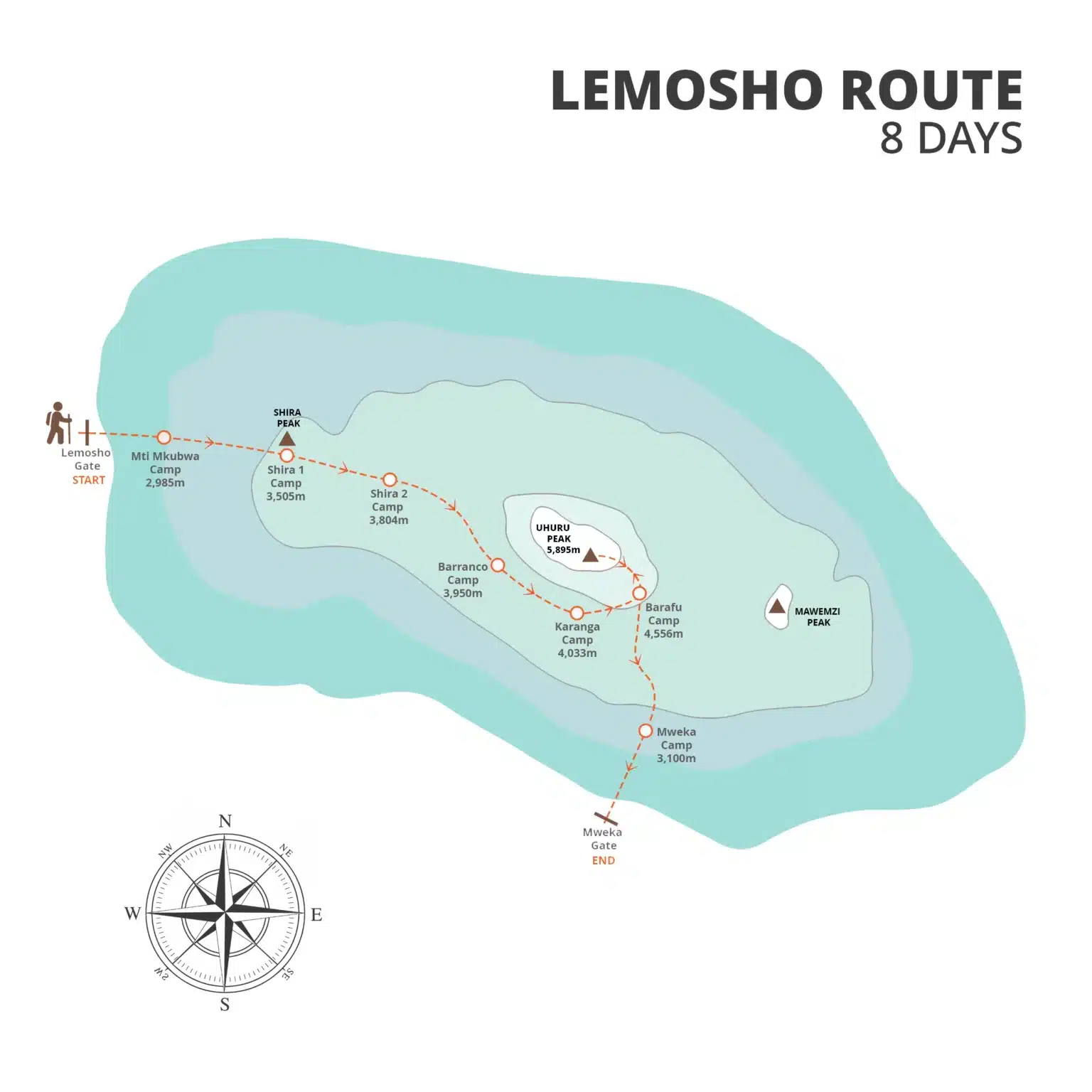
Below are the most popular trekking options on Mount Kilimanjaro, designed for different fitness levels, budgets, and summit success goals.
The 7-day Lemosho Route is one of the most balanced and scenic climbs on Kilimanjaro. It starts on the quieter western side of the mountain and gradually joins the main trail, giving climbers a strong mix of solitude and adventure. This route is known for excellent acclimatization due to its steady ascent profile, which improves summit success chances. Trekkers pass through rainforest, moorland, and alpine desert before reaching the summit zone. It is ideal for first-time climbers who want a higher success rate without extending the trek too long. The 7-day version is slightly more challenging than the 8-day option but still offers a good balance of time, cost, and performance. Overall, it is one of the most recommended routes for a successful summit attempt.
The 7-day Machame Route is a popular and adventurous option for climbing Mount Kilimanjaro. Known as the “Whiskey Route,” it is more challenging than Lemosho but offers stunning scenery and a rewarding trekking experience. The route includes steep sections, diverse landscapes, and the famous Barranco Wall, which adds excitement to the climb. With 7 days, acclimatization is improved compared to the 6-day version, increasing the chance of reaching the summit. Climbers experience rainforest, volcanic terrain, and high-altitude desert environments. This package is best suited for fit and adventurous trekkers who want a balance between challenge and success. It is also one of the most social routes due to its popularity, making it ideal for group climbs.
The 8-day Lemosho Route is considered one of the best overall expeditions on Kilimanjaro. It offers the highest level of acclimatization among standard routes, significantly increasing summit success rates. Starting from the western approach, climbers enjoy a quiet and scenic beginning before joining other routes higher up. The extra day compared to the 7-day version allows for slower pacing, better altitude adjustment, and reduced risk of altitude sickness. The journey passes through multiple ecological zones, offering one of the most beautiful trekking experiences in Africa. This route is highly recommended for beginners, older climbers, or anyone prioritizing safety and success over speed. It is often considered the “gold standard” for reaching the summit comfortably.
The 6-day Marangu Route is one of the shortest and most direct ways to climb Mount Kilimanjaro. It is unique because it offers hut accommodation instead of camping, making it more comfortable for climbers who prefer beds over tents. The route ascends and descends along the same path, passing through rainforest, moorland, and alpine zones. However, due to its shorter duration, acclimatization is limited, which affects summit success rates compared to longer routes. This package is best suited for budget-conscious climbers or those with limited time. While it is more physically demanding at higher altitudes, it remains a classic and historic route with a strong cultural trekking experience.
Prices for climbing Mount Kilimanjaro vary depending on the route, number of days, and level of service you choose. There is no fixed price because each climb is a full expedition that includes guides, porters, food, park fees, and safety logistics.
In general, costs start from around $1,250 to $2,700 per person, depending on the type of climb and itinerary length. Longer routes cost more because they include more days on the mountain, better acclimatization, and higher summit success rates.
Your chances of reaching the summit of Mount Kilimanjaro mainly depend on how many days you spend on the mountain and how well your body adapts to altitude.
In simple terms, longer routes give your body more time to adjust to low oxygen levels, which significantly increases your chances of reaching Uhuru Peak successfully.
(Longer routes = better acclimatization = higher success.)
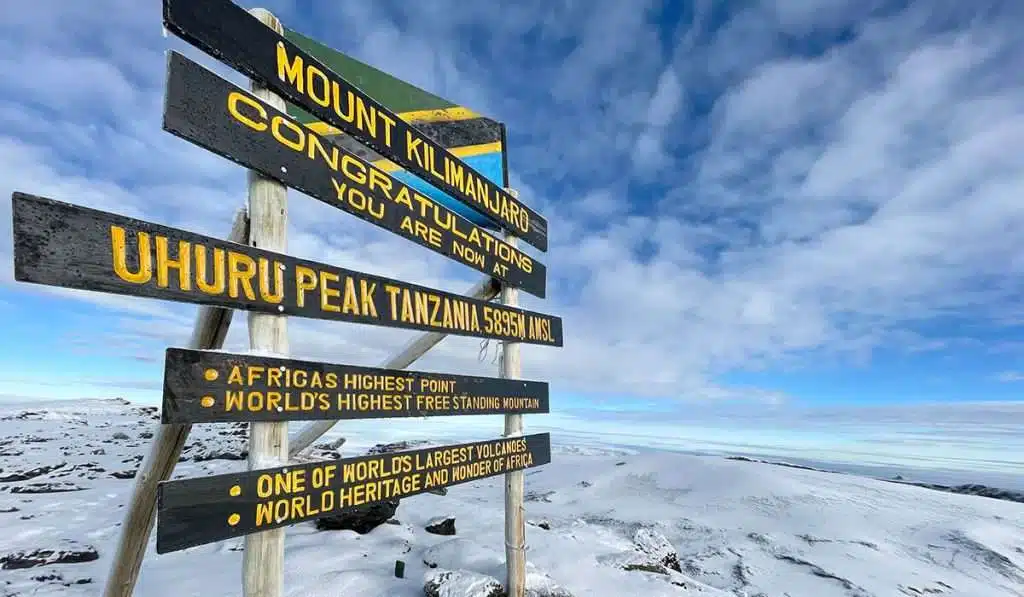
Climbing Mount Kilimanjaro does not require technical climbing skills like ropes or mountaineering equipment, but it is still a physically demanding trek because of long hiking days and high-altitude conditions.
Training for at least 6–8 weeks before the climb is highly recommended. This preparation improves stamina, strengthens your legs, and helps your body adjust to long trekking days, increasing your comfort and chances of reaching Uhuru Peak successfully.
Altitude is the biggest challenge when climbing Mount Kilimanjaro because oxygen levels become lower as you go higher. Even fit and strong climbers can be affected, especially above 3,000 meters.
These symptoms usually appear when the body is struggling to adapt to reduced oxygen levels. Ignoring them can make the condition worse, so it’s important to listen to your body early.
.webp)
In simple terms, the key to avoiding altitude sickness is not speed or strength it is slow movement, proper hydration, and giving your body enough time to adjust as you move toward Uhuru Peak.
Climbing Mount Kilimanjaro takes you through very different weather conditions from hot rainforest at the base to freezing temperatures near the summit. That is why proper gear is essential for comfort, safety, and success.
Good equipment makes a big difference on the mountain not just for comfort, but also for your energy levels and overall summit success.
.webp)
When planning to climb Mount Kilimanjaro, you can choose between joining a group climb or booking a private climb. Both options follow the same routes, but the experience is quite different.
Group climbs are ideal if you enjoy meeting new people and want a more budget-friendly option.
Private climbs are best for those who prefer comfort, flexibility, and a more personal journey toward Uhuru Peak.
Climbing Mount Kilimanjaro is physically demanding because of altitude, weather changes, and long trekking days. However, it is also one of the safest high mountains in the world because climbers are supported by trained crews and structured emergency systems throughout the journey.
Professional mountain guides check climbers every day to make sure they are adapting well to altitude. They observe symptoms like headache, fatigue, appetite loss, and breathing changes. One of the most important safety tools used is oxygen level monitoring (pulse checks), which helps identify early signs of altitude sickness before it becomes serious.
Guides also control the trekking speed using the principle of “pole pole” (slowly, slowly). This slow pace is not random it is a safety strategy that helps your body adjust gradually to lower oxygen levels.
If a climber becomes seriously unwell and cannot continue, there is a structured evacuation system in place inside the national park. Depending on the situation, the climber is escorted down the mountain immediately by guides or assisted with a stretcher in lower areas where vehicles can access.
The key priority is always fast descent, because symptoms of altitude sickness usually improve quickly when a person goes to lower elevation.
Basic medical support is available on most climbs. Guides carry first aid kits to handle minor issues such as headaches, blisters, dehydration, or fatigue.
In higher camps, supplemental oxygen may also be available to help climbers who experience stronger altitude effects. This is not used for everyone, but only, when necessary, as a temporary support before descent or recovery.
.webp)
Safety on Kilimanjaro is based on prevention, monitoring, and quick response. Most problems are avoided by climbing slowly, drinking enough water, and choosing the right route length.
In simple terms, the system is designed so that:
With proper preparation and guidance, the journey to Uhuru Peak is challenging but well-managed and highly achievable for many climbers.
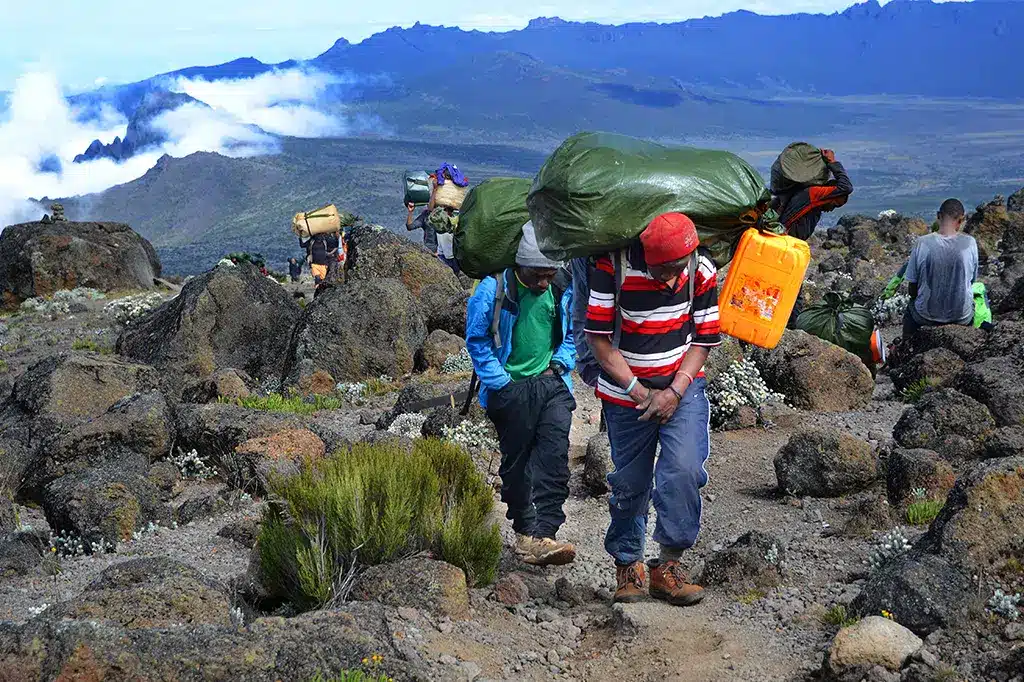
Tipping is a standard and important part of climbing Mount Kilimanjaro because the mountain crew works hard to support your safety, comfort, and success throughout the trek.
In simple terms, tipping is a way of showing gratitude to the people who help you safely reach Uhuru Peak.
Your journey to climb Mount Kilimanjaro usually begins in northern Tanzania, where all final preparations and briefing take place before heading to the mountain.
It is strongly recommended to arrive at least one day before your climb. This extra time allows you to rest after travel, adjust to the environment, and complete important preparations such as gear checks and final instructions from your guides.
In simple terms, proper travel planning ensures you start your climb well-rested, organized, and fully prepared for the journey to Uhuru Peak.
Choosing when to climb Mount Kilimanjaro is very important because weather affects everything on the mountain trail conditions, visibility, temperature, and even your chances of reaching the summit.
This period is less crowded, so you get a more peaceful experience on the mountain. The weather is generally stable with good visibility, meaning you can enjoy clear views of landscapes and glaciers.
However, temperatures are colder, especially at night and near the summit. Snow is also more likely at higher elevations, which makes the final ascent more physically demanding but very scenic.
This season is ideal for climbers who prefer fewer people and don’t mind colder conditions.
This is the most popular time to climb Kilimanjaro because conditions are usually dry, stable, and predictable. Trails are less muddy, skies are clearer, and rainfall is minimal, making trekking more comfortable.
Because of this, more climbers are on the mountain during this period, especially on popular routes. Camps can feel busier, but safety and support systems are at their strongest due to high activity.
This season is best for climbers who want the highest chance of smooth weather conditions and a more reliable summit attempt.
These months bring heavy or unpredictable rainfall. Trails can become muddy, slippery, and sometimes difficult to navigate, especially in forest and lower zones.
Visibility is often reduced due to clouds and mist, and trekking becomes more physically tiring because of wet conditions. Even though the mountain is quieter during this time, the weather can negatively affect the overall experience.
In simple terms, the best time depends on what you value more:
No matter when you go, success on Mount Kilimanjaro depends more on acclimatization, preparation, and choosing the right route than just the season itself.
The ultimate goal is always the same reaching Uhuru Peak safely and successfully.
.webp)
Climbing Mount Kilimanjaro is not just a trek it is a deeply personal journey that challenges your body, tests your mindset, and rewards you with one of the most unforgettable achievements in the world. Standing at the summit is a moment of pride, reflection, and victory that stays with you for life.
Each route offers a different kind of experience, and the right choice depends on what you value most:
Ultimately, success on the mountain is not just about strength it is about preparation, patience, and choosing the right path to the top of Uhuru Peak.
If you are ready to take on Kilimanjaro, don’t do it alone or leave your success to chance. Choose the right route, prepare properly, and make your dream summit a reality.
Book your Kilimanjaro climb with us today and let our experienced team guide you safely to the Roof of Africa.