

Climbing Mount Kilimanjaro in January 2027 is a good option for travelers who want to start the year with a major adventure. January is one of the warmer and generally drier periods on the mountain, although weather can still change quickly as you climb higher. If you are planning to climb Kilimanjaro in January 2027, choosing the right route, preparing your body and bringing the correct clothing can make your experience much easier and more enjoyable.
Yes, January is one of the popular months for climbing Kilimanjaro. The weather is generally warmer than during the colder months, and many days can have clear views. However, January can also have some rain, especially in the lower forest areas. The most important thing to remember is that Kilimanjaro has different weather conditions at different heights. You can begin your climb in warm weather and finish near the summit in freezing temperatures. For this reason, you need to prepare for both warm and cold conditions.
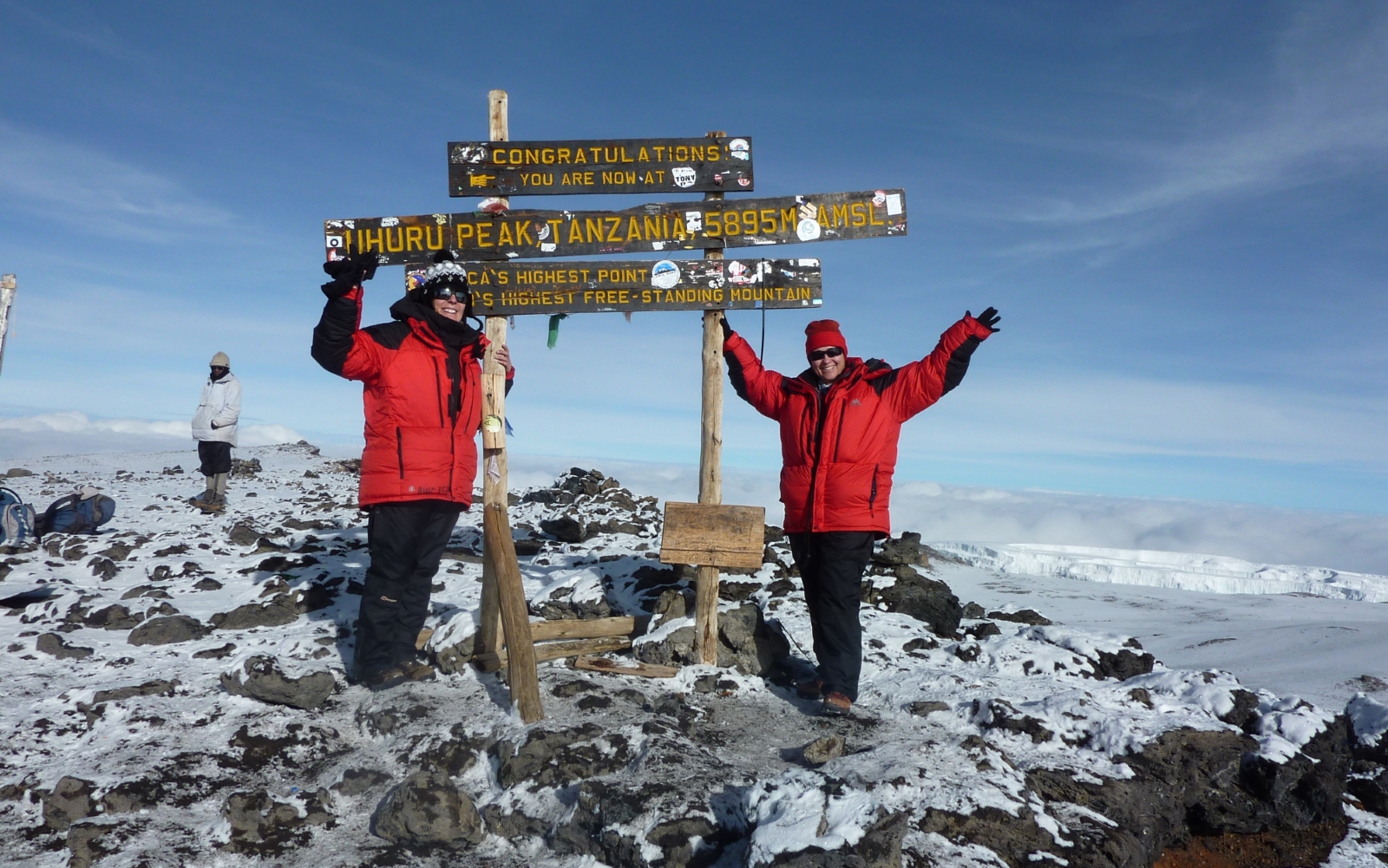
January is usually part of the warmer season on Mount Kilimanjaro. At the lower elevations, the weather can be warm and sometimes humid. You may experience rain when walking through the forest. As you climb higher, temperatures become cooler. Nights can be cold, and the summit area is very cold throughout the year. Weather can also change during the day. You might start hiking under clear skies and later experience clouds, wind or rain. Do not let a weather forecast for Moshi or Arusha determine what you pack for the mountain. The conditions on Kilimanjaro are very different from those at the base.
Temperatures depend on your altitude. At the lower slopes, daytime conditions can feel warm. In the rainforest, you may also experience wet conditions. The temperature drops as you climb higher. At the higher camps, nights can be very cold. Near Uhuru Peak, temperatures can fall below freezing, particularly during the summit climb. This is why layers are important. You can remove a layer when you are warm and add one when the temperature drops.
There are several routes available for climbing Kilimanjaro in January. The best choice depends on your available time, fitness, hiking experience and how much time you want for acclimatization.
The Lemosho Route is a popular choice for climbers who want a longer approach to Kilimanjaro. The route gives you time to walk through different landscapes before reaching the higher parts of the mountain. Longer itineraries also give your body more time to adjust to the altitude. A 7-day or 8-day Lemosho climb can be a good option for travelers who want a more gradual experience.
The Machame Route is another popular choice. It is known for its changing scenery and has a more challenging trail than Marangu. The route involves several ups and downs, so you should be comfortable with long hiking days. A 7-day Machame Route gives you more time on the mountain than shorter versions of the route.
The Marangu Route is different from most other Kilimanjaro routes because climbers sleep in mountain huts rather than tents. It is sometimes called the Coca-Cola Route and follows the same path when going up and coming down. A 6-day Marangu climb gives you more time for acclimatization than the shorter 5-day option.
The Rongai Route approaches Kilimanjaro from the northern side. It offers a different experience from routes such as Machame and Lemosho. It is also a good option for travelers who want to see another side of the mountain. Rongai is generally quieter in some sections and passes through a different landscape.
The Northern Circuit is the longest route on Kilimanjaro. It takes you around the northern side of the mountain and gives you plenty of time for acclimatization. An 8-day to 10-day Northern Circuit climb is suitable for travelers who have enough time and prefer a longer climb rather than trying to reach the summit quickly.
There is no single route that is right for everyone. If you want a longer climb with more time to adjust to altitude, consider Lemosho or Northern Circuit. If you want a popular route with beautiful scenery and a good challenge, Machame may suit you. If you prefer mountain huts instead of camping, Marangu is the main option. If you want to approach the mountain from the northern side, consider Rongai. Your guide or climbing company can also help you choose a route based on your experience, available days and personal goals.
One of the most important things when climbing Kilimanjaro is allowing your body enough time to adjust to the altitude. A longer itinerary does not guarantee that you will reach the summit, but it gives you more time to adapt to the changing altitude. Avoid choosing a very short climb simply because it costs less or takes fewer days. For many climbers, adding an extra day can make the experience more comfortable and give them more time to adjust.
Summit day is usually the most demanding day of the climb. You normally start walking very early, often around midnight. The climb begins in darkness because the goal is usually to reach the summit around sunrise or early in the morning. The temperature can be extremely cold at this time. You will need warm layers, gloves, a warm hat, good socks and a suitable jacket. Your guide will help you maintain a slow and steady pace. The climb becomes more difficult as you get higher because the air contains less oxygen.
When you reach Uhuru Peak at 5,895 metres, you will have time to enjoy the views and take photographs before beginning the descent.
You need clothing for several different weather conditions. Bring comfortable hiking boots, hiking trousers, T-shirts, warm layers, thermal clothing, a waterproof jacket, warm insulated clothing, gloves, a warm hat and good hiking socks. You should also carry sunglasses, sunscreen, a headlamp, water bottles or a hydration system, personal medicines and a backpack. A backpack rain cover is useful because January can still bring rain on the lower sections of the mountain. Your clothes should be easy to layer. This allows you to stay comfortable as the temperature changes.
.webp)
Yes, you can see snow and ice near the summit. January can be warmer at lower elevations, but the summit area remains very cold. As you approach Uhuru Peak, the landscape changes from vegetation to a high-altitude rocky environment. Depending on the conditions, you may see snow and ice around the summit area. This is one reason why you need proper winter clothing even if you arrive in Tanzania during a warm month.
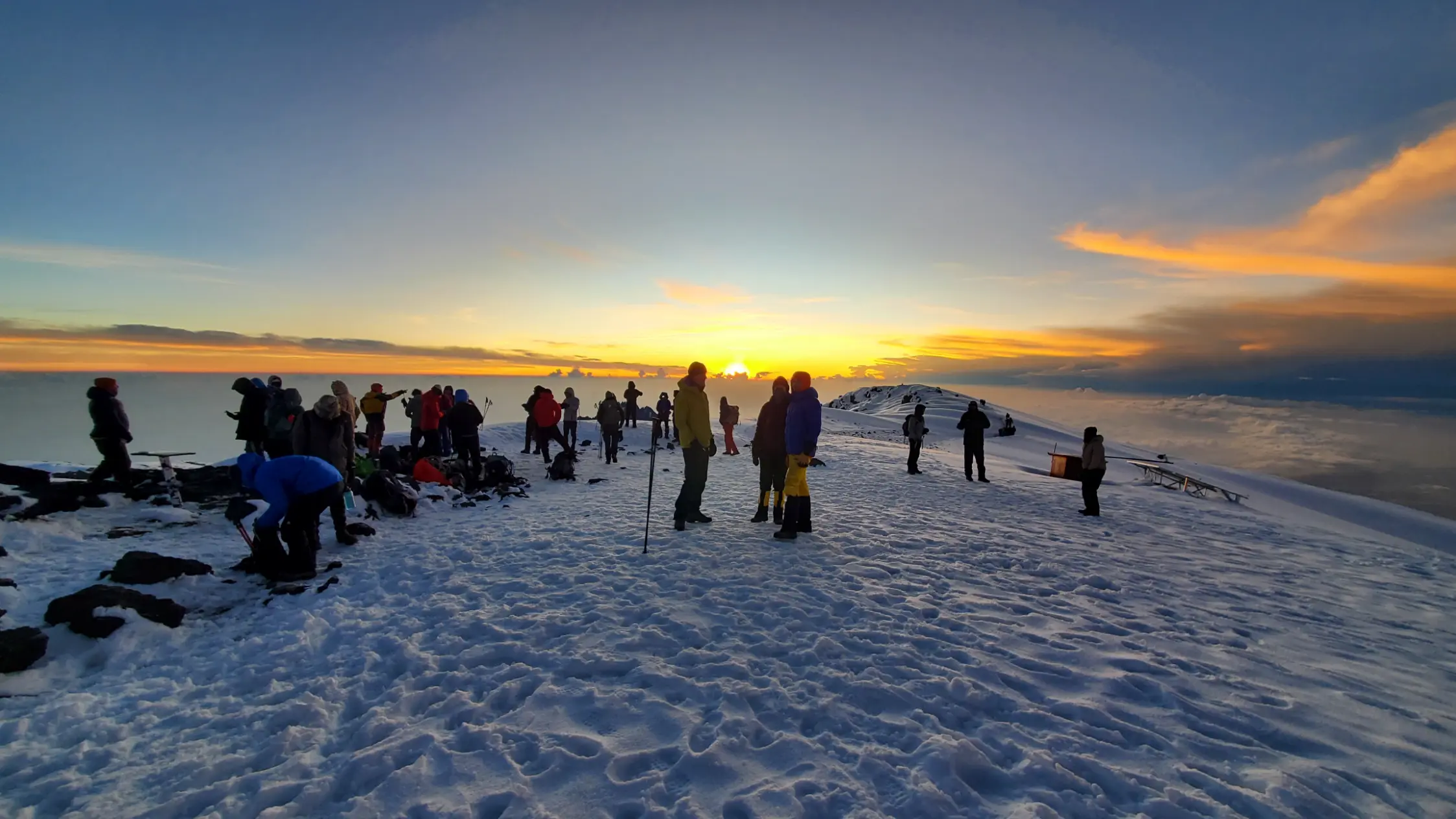
January is a popular period for climbing Kilimanjaro, particularly around the beginning of the year. You may meet other climbers on the trails and at camps. The number of climbers can vary depending on the dates and route you choose. Some routes can feel busier than others. If you are traveling during a busy holiday period, booking your climb early can help with planning your preferred dates and route.
January gives you the chance to start the year with a memorable challenge. You will experience several different landscapes during one climb. The journey begins in the lower forest and continues through moorland and high-altitude areas before reaching the summit zone. You can also enjoy beautiful mountain views when the skies are clear. But Kilimanjaro is not only about reaching the top. The daily walks, changing landscapes, mountain camps and experience of climbing with your guide and support team are all part of the journey.
Before leaving for Tanzania, make sure you have:
Most importantly, give yourself enough time for the climb and choose an itinerary that allows proper acclimatization.
January can be a great time to experience Mount Kilimanjaro, but good preparation is important. Choose your route carefully, train before your trip, pack for changing weather and take your climb slowly. With the right preparation and support, you can enjoy the journey from the rainforest to Uhuru Peak and begin 2027 with an unforgettable Kilimanjaro adventure.
Plan Your January 2027 Kilimanjaro Climb, Contact us for Kilimanjaro routes, prices and available January 2027 climbing dates.
Call/WhatsApp: +255 676 063 791
Email: redetours2005@gmail.com