

Climbing Mount Kilimanjaro is one of the most exciting adventures you can have in Tanzania. You do not need previous mountain-climbing experience or technical climbing skills to reach the summit, but you do need good preparation, enough time to acclimatize, the right Kilimanjaro climbing route, and a reliable mountain crew.
At 5,895 meters (19,341 feet), Uhuru Peak is the highest point in Africa. The Mount Kilimanjaro climb takes you through several very different landscapes, from green rainforest to open moorland, alpine desert, and finally the cold, rocky summit zone.
For a beginner, Kilimanjaro climbing can feel challenging, but it is possible with the right plan. The most important thing is not simply being strong or fast. Walking slowly, allowing your body to adjust to altitude, choosing a suitable Kilimanjaro route, staying hydrated, and listening to your guide are all important.
Mount Kilimanjaro is the highest mountain in Africa and one of the world's most famous trekking destinations. It is located in northern Tanzania, close to the town of Moshi.
Kilimanjaro is a non-technical mountain, which means you normally do not need ropes, technical climbing equipment, or previous mountaineering experience on the standard Kilimanjaro trekking routes. However, reaching 5,895 meters is still a serious physical challenge because of the high altitude.
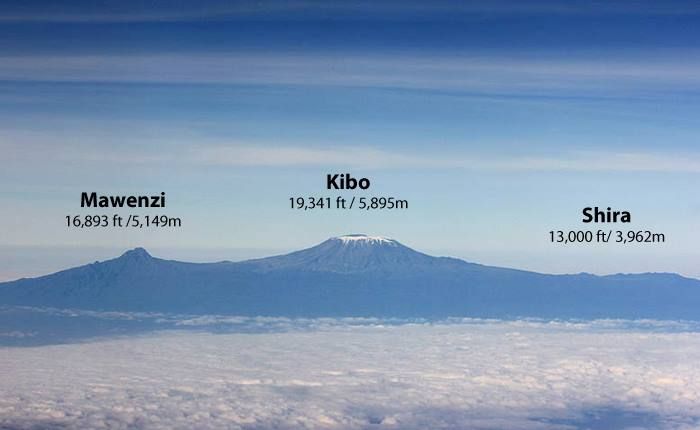
The mountain has three volcanic cones: Kibo, Mawenzi, and Shira. Uhuru Peak is located on Kibo, the highest of the three.
For most visitors, the goal is to reach Uhuru Peak. The journey to the summit usually takes several days, allowing you to slowly gain altitude and give your body time to adjust during your Kilimanjaro climb.
Yes, a beginner can climb Kilimanjaro.
You do not need to be an experienced mountaineer. Many people who choose climbing Kilimanjaro for beginners have never climbed a high mountain before.
However, beginner does not mean unprepared. You should be comfortable walking for several hours each day, carrying a daypack, walking on uneven ground, and continuing when you are tired.
The biggest challenge is usually altitude rather than technical climbing. Your body has to work with much less oxygen as you climb higher, and this can affect anyone regardless of age, fitness, or previous hiking experience.
This is why a longer itinerary is often a better choice for a first Kilimanjaro climb. Giving yourself extra days can support better acclimatization and give your body more time to adjust to the mountain.
Kilimanjaro’s highest point, Uhuru Peak, stands at 5,895 meters (19,341 feet) above sea level, making it much higher than most hiking destinations. As you climb higher, the air becomes thinner and there is much less oxygen available compared with sea level. Because of this, you may notice that you breathe faster, walk more slowly, sleep differently, or feel tired more easily as you gain altitude. This is one of the main reasons you should never rush a Mount Kilimanjaro climb. Walking slowly and giving your body enough time to adjust to the altitude can make your Kilimanjaro trekking experience more manageable and enjoyable.
Kilimanjaro is generally considered a challenging trek rather than a technical climb. You do not normally need rock-climbing skills, ropes, or previous mountaineering experience to complete the standard Kilimanjaro climbing routes. However, you should be prepared to walk for several hours on many days, often on uneven and uphill terrain. The most difficult part for many climbers is summit night, when you start walking in darkness and face cold temperatures, steep sections, tiredness, and very high altitude.
The difficulty of a Kilimanjaro climb for beginners depends on several factors, including the route you choose, the number of days you spend on the mountain, your physical preparation, and how well your body responds to high altitude. Weather conditions can also make the trail more difficult, while your walking pace and mental strength can affect how comfortably you handle long days on the mountain. The experience and support of your guide and mountain crew are also important because they can help you maintain a slow pace, monitor how you are feeling, and make good decisions throughout the climb.
Being very fit does not guarantee an easy climb because altitude can affect anyone, including experienced and physically strong hikers. At the same time, you do not need to be an elite athlete to reach Uhuru Peak. With proper training, a suitable Kilimanjaro climbing route, enough time for acclimatization, a slow and steady walking pace, and good support from an experienced mountain crew, many first-time climbers can successfully reach the summit. The key is to prepare well, listen to your guide, and give your body enough time to adjust to the altitude.
For beginners, we recommend planning at least 7 days on Mount Kilimanjaro, while 8 or 9 days can be an even better choice if your budget and travel schedule allow. Spending more time on the mountain gives your body more opportunity to adjust to the increasing altitude and allows you to enjoy your Kilimanjaro climbing adventure at a slower and more comfortable pace.
A 5–6 day Kilimanjaro climb is possible, and some experienced or well-prepared trekkers choose these shorter itineraries. However, they are generally less suitable for beginners because the ascent is faster and there is less time for your body to adjust to the high altitude. If this is your first mountain climb, a longer itinerary is usually a better choice.
A 7-day Kilimanjaro climbing itinerary is a good option for many fit beginners. It gives you several days to gradually gain altitude while enjoying the different landscapes of the mountain. With proper preparation, a slow walking pace, and good support from your guide and mountain crew, this can be a strong choice for your first Kilimanjaro adventure.
An 8-day Kilimanjaro climb is an excellent choice for beginners because it provides more time for acclimatization. The slower pace can make the journey more comfortable and gives your body additional time to adjust as you climb higher. If you have enough time, choosing an 8-day itinerary can be a smart way to prepare for the summit.
A 9-day Kilimanjaro climbing itinerary is an excellent option if your priority is to take the mountain slowly and allow more time for acclimatization. The additional days can reduce the pressure of rushing from one camp to another and give you more time to enjoy the scenery, rest, and prepare for the summit attempt.
The most important thing is not to choose your Kilimanjaro route only because it is cheaper or shorter. Extra days can give your body more time to adjust to altitude and allow you to climb at a more relaxed pace. For beginners, taking your time can make the experience more comfortable and give you a better opportunity to enjoy the journey toward Uhuru Peak, the highest point in Africa.
Kilimanjaro has several established routes. The main Kilimanjaro routes for beginners should know about are Lemosho, Machame, Marangu, Rongai, and Northern Circuit. Umbwe is much steeper and is generally better suited to experienced trekkers.
There is no single route that is perfect for everybody. Your best Kilimanjaro climbing route depends on your time, budget, fitness, scenery preferences, and how much importance you place on acclimatization.
Lemosho is one of the best choices for beginners. The Lemosho Route Kilimanjaro approaches the mountain from the western side and starts in a quieter area before joining the higher sections of the mountain.
One of the biggest advantages is that Lemosho can be completed over 7 or 8 days, giving you more time to adjust to altitude. It also offers beautiful scenery, including rainforest, moorland, the Shira Plateau, alpine desert, and the high summit zone.
For a first-time climber who wants a good balance of scenery, acclimatization, and a comfortable pace, 8-day Lemosho is an excellent choice for Kilimanjaro climbing for beginners.
The Machame Route is one of the most popular Kilimanjaro climbing routes. It is known for beautiful scenery and varied terrain. You walk through rainforest, reach the Shira Plateau, climb near Lava Tower, cross the Barranco area, and continue toward Barafu before the summit attempt.
Machame is more physically demanding than some beginners expect, but a 7-day Machame Route Kilimanjaro itinerary can be a good choice for a fit first-time climber.
One important advantage is the opportunity to climb high and then sleep lower. For example, the route commonly takes climbers toward Lava Tower before descending to Barranco Camp, which supports acclimatization.
Marangu is often called the “Coca-Cola Route.” It is different because climbers sleep in mountain huts instead of camping in tents. The trail is generally more gradual in many sections, which can make it look like the easiest Kilimanjaro route.
However, the shorter versions do not give as much time for acclimatization. This is why beginners should be careful about choosing Marangu simply because it appears easier or cheaper. A longer Marangu itinerary is generally a better choice than the shortest option.
If you strongly prefer sleeping in huts rather than tents, Marangu can still be considered for your Mount Kilimanjaro climb.
Rongai approaches Kilimanjaro from the northern side, close to the Tanzania-Kenya border. It is usually quieter than the popular southern routes and has a different landscape and atmosphere. The northern side can also be a useful choice during wetter periods because it tends to be drier than some southern approaches.
Rongai can work well for beginners who want a quieter trail and a gradual approach to Kilimanjaro trekking.
The Northern Circuit is the longest major route and provides a very gradual approach around the mountain. Because you spend more time on Kilimanjaro, it offers excellent acclimatization. It is a good choice for beginners who have enough time and want to give themselves a wider acclimatization window during their Kilimanjaro climb.
The main disadvantage is that it requires more days and therefore usually costs more. If your priority is to take the climb slowly rather than finish as quickly as possible, the Northern Circuit is worth considering.
Umbwe is a short and steep route. It is not the route I would normally recommend to a first-time climber. The rapid altitude gain and steep terrain make it more demanding, particularly for people who have little high-altitude trekking experience.
For beginners, Lemosho, Machame, Rongai, Marangu, or Northern Circuit are generally more appropriate choices for Kilimanjaro climbing.
If you are climbing Kilimanjaro for the first time, these are strong options:
Our recommended overall choice: 8-day Lemosho.
Our recommended popular route: 7-day Machame.
Our recommended choice for more acclimatization: 8-day Lemosho or 9-day Northern Circuit.
Our recommended choice for huts: 6-day or longer Marangu.
Our recommended choice for a quieter experience: Rongai.
The most important rule is simple: choose enough days for acclimatization rather than choosing only the cheapest or shortest Kilimanjaro climbing itinerary.
Mount Kilimanjaro can be climbed throughout much of the year, but some months usually offer better trekking conditions than others. The most popular periods for Kilimanjaro climbing are January to early March and June to October, when the weather is generally drier and the trails can be more comfortable for walking. However, every season has its own advantages, so the best time for your climb also depends on your weather preference, travel plans, and how comfortable you are with rain and changing mountain conditions.
January to March is one of the popular periods for climbing Kilimanjaro. The weather is often relatively dry, and you may enjoy good visibility as you climb through the different mountain zones. This period can also be a good choice if you want to experience Mount Kilimanjaro outside the busiest months. The mountain can still have cold conditions at higher elevations, especially around the summit, so you should be prepared for a wide range of temperatures.
June to October is another popular climbing season and is often chosen by travelers looking for generally favorable trekking conditions. July, August, and September are especially popular because they usually have good conditions for hiking and clear mountain views are possible. Because these months are popular, some routes and camps can be busier, so booking your Kilimanjaro climb early can be helpful if you have specific travel dates.
November to December can bring the short rains to Kilimanjaro, but the mountain can still be climbed during this period. You should be prepared for changing weather, wet trails, clouds, and occasional rain, especially in the lower forest areas. One advantage of this period is that there may be fewer climbers compared with the busiest months, giving you the chance to enjoy a quieter Kilimanjaro trekking experience on some routes.
April and May are generally among the wetter months on Kilimanjaro and can bring heavier rainfall, particularly on the lower slopes. The trails may be muddy and conditions can be more challenging, so these months are usually less popular with climbers. However, some experienced travelers still choose this period because there may be fewer people on the mountain and some Kilimanjaro climbing packages can be more affordable. If you decide to climb during these months, good waterproof clothing and proper preparation are especially important.
For most beginners, January to early March and June to October are the best periods to consider because they generally offer more favorable trekking conditions. If you prefer a quieter mountain and do not mind a higher chance of rain, the shoulder or wetter months can also be considered. Whatever month you choose, remember that Kilimanjaro weather can change quickly, especially at higher elevations, so you should always pack for both warm and cold conditions and be prepared for rain, wind, and freezing temperatures near the summit.
The cost of climbing Kilimanjaro depends on the route, number of days, group size, accommodation before and after the climb, park fees, crew size, equipment, and the level of service.
A responsible guided Kilimanjaro climb is not simply the price of a hotel and a hiking guide. Your package normally needs to cover mountain permits and park-related costs, guides, cooks, porters, food, camping or hut accommodation, transportation, and other logistical services.
For a private or higher-quality Kilimanjaro climb, you should expect to pay more than the cheapest group options.
For many travelers, a realistic budget for a well-organized 7–8 day Kilimanjaro climb can be several thousand US dollars per person, depending heavily on the operator and service level. Prices can vary substantially between operators and packages, so it is important to compare what is included rather than comparing price alone.
A very cheap Kilimanjaro package deserves careful checking. Ask exactly what is included before booking your Kilimanjaro climbing tour.
A professional Kilimanjaro climbing package normally includes mountain transportation, park and camping fees, professional guides, porters, a cook where applicable, meals on the mountain, camping equipment or hut accommodation depending on the route, and emergency or safety arrangements provided by the operator.
Many packages also include airport transfers and hotel accommodation before or after the climb, but this varies between companies. Always ask for a detailed list of inclusions before you pay a deposit for your Mount Kilimanjaro climb.
International flights are normally not included in the Kilimanjaro climbing package, so you will need to arrange and pay for your flights separately. Travel insurance is also usually your responsibility, and you should choose a policy that covers high-altitude trekking and emergency evacuation where required. You may also need to budget separately for your Tanzania visa, personal climbing gear, drinks, tips for the mountain crew, hotel nights outside the climbing package, personal expenses, and optional activities before or after your climb. Because inclusions can be different from one tour operator to another, always ask for a clear inclusions and exclusions list before booking so you know exactly what is covered in the price.
You do not need to become a professional athlete to climb Mount Kilimanjaro. However, good preparation can make your Kilimanjaro climb more comfortable and help you handle the long walking days. Your training should focus on walking endurance, leg strength, uphill fitness, and the ability to keep moving steadily for several hours.
Start your training several weeks before your climb, and give yourself more time if you are not used to hiking or regular exercise. Begin with shorter walks and gradually increase the distance and walking time as your fitness improves. Regular walking is one of the simplest and most effective ways to prepare because it helps your body become comfortable with spending several hours on your feet during Kilimanjaro trekking.
Try to include hills, stairs, or treadmill incline walking in your training whenever possible. Walking uphill helps prepare your legs and lungs for the changing terrain you will experience on Kilimanjaro. You should also practice walking downhill because descending can put extra pressure on your knees and legs.
Strength training can also help prepare your body for the climb. Exercises such as squats, lunges, step-ups, and controlled uphill walking can strengthen your legs, while simple core exercises can help improve your balance and stability. You do not need extremely heavy weights; the goal is to build useful strength and endurance for Kilimanjaro hiking.
The goal of your training is not to learn how to walk fast. On Kilimanjaro, you will normally walk slowly, following the famous Swahili phrase “pole pole,” meaning “slowly, slowly.” Your training should help you stay comfortable while walking for long periods rather than trying to finish the trail as quickly as possible. A steady pace, proper preparation, and enough rest are much more important than speed when you are working toward Uhuru Peak.
Yes. During training, you can sometimes walk with a light backpack similar to the daypack you expect to use on Kilimanjaro.
Do not make your training backpack unnecessarily heavy. Your porter normally carries your main luggage, while you carry only the items you need during the day's walk. Practice using your hiking boots, socks, rain jacket, and other important gear before arriving in Tanzania.
You will probably hear your Kilimanjaro guide say “pole pole” many times during your climb. In Swahili, “pole pole” means “slowly, slowly,” and it is one of the most important phrases to remember on Mount Kilimanjaro. You are not racing to the summit, so walking slowly and steadily helps you save energy and gives your body more time to adjust to the increasing altitude. Do not worry if another climber passes you on the trail because reaching the summit is not about being the fastest. Your goal is to maintain a comfortable pace, listen to your guide, enjoy the journey, and reach Uhuru Peak safely and successfully.
Altitude sickness happens when your body has difficulty adjusting to the lower oxygen levels found at high elevations. It can affect anyone, including people who are physically fit and experienced hikers, so being strong or well-trained does not guarantee that you will avoid altitude problems. Common mild symptoms can include headache, tiredness, dizziness, reduced appetite, nausea, and difficulty sleeping. More serious forms of altitude illness can become dangerous and require immediate action, which is why your guide should monitor your condition throughout the Kilimanjaro climb. If you develop any unusual symptoms or start feeling unwell, tell your guide immediately rather than trying to hide how you feel or continuing without assistance. Your guide can then assess the situation and decide the safest next step, which may include resting, stopping the ascent, or descending to a lower altitude.
One of the best ways to reduce the risk of altitude problems on Mount Kilimanjaro is to ascend gradually and give your body enough time to adjust to the increasing elevation. Choosing an itinerary with enough days for acclimatization can make a big difference, especially for beginners. Longer Kilimanjaro climbing routes allow you to gain altitude more slowly instead of pushing your body too quickly toward the summit.
Walking slowly and steadily is also very important. Your guide may use the Swahili phrase “pole pole,” meaning “slowly, slowly,” to remind you not to rush. You should also drink water regularly, eat enough food to maintain your energy, and get as much sleep and rest as possible during the climb. Taking care of your body, each day can help you handle the physical demands of the mountain.
It is also important to listen carefully to your guide and tell them how you are feeling. Do not hide symptoms because you are worried about disappointing your group or missing the summit. Altitude affects people differently, and even a very fit climber can develop altitude problems. If your body is not coping well with the altitude, your guide may recommend resting, stopping the ascent, or descending to a lower elevation.
Most importantly, remember that reaching the summit is never more important than your health. Uhuru Peak will always be there, but your safety must come first. A responsible Kilimanjaro climbing experience means knowing when to continue and when it is safer to stop or descend.
Good food is an important part of your Kilimanjaro climb because your body needs enough energy for long walking days and high-altitude conditions. Mountain meals are usually planned to provide a good balance of carbohydrates, protein, fats, and calories to help you stay strong throughout the trek.
Breakfast is usually a filling meal to give you energy for the day ahead. It may include eggs, bread, porridge, fruit, tea, or coffee. A good breakfast can help you start your morning with enough energy for several hours of Kilimanjaro hiking.
Lunch is often lighter but still filling. Depending on your tour operator, it may include sandwiches, rice, pasta, vegetables, meat, soup, or other foods that are easy to eat during the climb.
Dinner is usually a warm and substantial meal because you need to replace the energy used during the day. You may have soup followed by rice, potatoes, pasta, vegetables, and meat. A warm dinner can also be especially enjoyable after spending several hours walking in the cold mountain air.
Your exact Kilimanjaro food menu will depend on your tour operator, route, and personal dietary needs. If you have food allergies, follow a vegetarian or vegan diet, or have other dietary requirements, tell your tour operator before your Kilimanjaro climbing trip so suitable meals can be prepared for you.
Staying hydrated is important during your Kilimanjaro climb, but you should not force yourself to drink extreme amounts of water. Drink regularly throughout the day and follow your guide’s advice about hydration based on the weather, walking conditions, and how you are feeling.
Carry enough water in your daypack for the day’s hike. A hydration bladder or water bottles can both work well, so choose the option that is comfortable and easy for you to use while walking.
Remember that cold weather can make you feel less thirsty, but your body still needs water. Even when you do not feel thirsty, continue drinking regularly during the day to help maintain good hydration.
Packing correctly can make your Kilimanjaro climb much more comfortable. Your essential clothing and gear should include:
Your tour operator will normally provide a more detailed Kilimanjaro packing list before your climb, including any extra equipment you may need based on your route, season, and number of climbing days.
You do not need technical mountaineering equipment for the standard trekking routes on Kilimanjaro. You normally do not need ropes, climbing harnesses, or advanced rock-climbing equipment because most routes are trekking routes rather than technical climbs. However, good clothing and footwear are extremely important, especially near the summit. The summit can be very cold during the night summit attempt, so good thermal layers, a warm insulated jacket, gloves, a warm hat, and suitable hiking boots can make a major difference to your comfort. Some tour operators provide or rent certain equipment, so it is a good idea to check with your operator before buying everything yourself.
Yes, good hiking boots are strongly recommended for a Kilimanjaro climb. Choose comfortable boots with good grip and enough room to wear warm socks without making your feet feel tight. Avoid arriving in Tanzania with completely new boots and starting your climb immediately. Break them in before your trip so your feet can get used to them and the boots can become more comfortable. This is important because blisters and sore feet can make an otherwise enjoyable Kilimanjaro climbing adventure much more painful.
Your accommodation on Kilimanjaro depends on the Kilimanjaro route you choose. On camping routes such as Lemosho and Machame, you normally sleep in mountain tents at designated camps along the trail. On the Marangu Route, climbers stay in mountain huts with shared sleeping areas. On camping routes, your mountain crew usually sets up your tent, allowing you to focus on walking, eating, resting, and preparing for the next day. You should not expect luxury hotel conditions on the mountain. Even on a private or premium Kilimanjaro climbing trip, the mountain environment remains simple and basic. The real experience is about the mountain, beautiful landscapes, fresh air, and the journey to the Roof of Africa.
A typical climbing day on Kilimanjaro usually starts with breakfast before you prepare your daypack and get ready for the trail. Your guide will explain the day’s route, expected weather, altitude, and walking time before you begin. You then start walking at a slow and comfortable pace, with regular breaks for water, snacks, and rest along the way. Most days involve several hours of trekking before you reach your camp in the afternoon. Once you arrive, you have time to rest, drink, eat, and prepare your clothing and equipment for the next morning. After dinner, you normally go to bed early so you can get enough rest for the next day. The daily routine may feel simple, but it is an important part of the Kilimanjaro trekking experience, giving you time to enjoy the scenery, adjust to the altitude, and prepare for the journey ahead.
Summit day is the hardest and most exciting part of your Kilimanjaro climb. You normally leave your high camp around midnight or in the early hours of the morning while it is still dark and very cold. You may already feel tired, but you know you are walking toward the highest point in Africa. You move slowly with your guide, taking steady steps as the trail becomes steeper and more challenging. Depending on your route and progress, you may reach Stella Point on the crater rim before continuing toward Uhuru Peak. The final section can feel especially difficult because you are climbing at extreme altitude, but you keep moving one step at a time. Then, after hours of walking, you finally see the summit sign and realize that you have reached Uhuru Peak at 5,895 meters (19,341 feet). It is often a very emotional moment, and many climbers feel a mixture of pride, excitement, relief, and tiredness when they realize they have made it to the Roof of Africa.
The summit push usually takes several hours, but the exact time can vary depending on your route, starting camp, weather conditions, walking pace, fitness level, altitude response, and trail conditions. It is important not to compare your summit time with another climber because everyone responds differently to the high altitude. Some people move faster, while others need to walk very slowly and take more breaks. The most important thing is to follow your guide’s advice and maintain a steady pace that allows you to continue safely toward Uhuru Peak during your Kilimanjaro summit climb.
After spending a short time at Uhuru Peak, you normally begin your descent. This is important because staying at extreme altitude for longer increases the stress on your body. The descent can feel much faster than the climb, but it can still be tiring after the long summit attempt. Your knees and legs may feel sore, especially after hours of walking over steep and rocky terrain. Depending on your route and itinerary, you will descend to a lower camp where you can rest, eat, drink, and recover before continuing down the mountain the following day.
Temperatures on Mount Kilimanjaro vary greatly depending on altitude, time of day, and weather conditions. On the lower slopes, the weather can be warm and humid, while temperatures become much colder as you climb higher. Near the summit, especially during the night summit attempt, temperatures can fall below freezing, and strong wind can make it feel even colder. This is why having the right clothing system is so important for your Kilimanjaro climb. You should be prepared for warm conditions on the lower slopes as well as very cold conditions near Uhuru Peak.
Kilimanjaro weather can change quickly as you move through different elevations. During your climb, you may experience sunshine, rain, clouds, strong wind, cold temperatures, and sometimes snow near the summit. The lower rainforest is often wet and humid, while the upper mountain becomes much colder and drier. It is important to remember that the weather in Moshi does not always show what conditions will be like on the mountain. Mountain weather can be very different from town weather, so you should be prepared for changing conditions throughout your Kilimanjaro trekking experience.
For a normal tourist climb, you should climb with a properly organized guided operator and an experienced mountain crew. A professional guide plays an important role in navigation, pacing, altitude monitoring, weather decisions, emergency response, and overall mountain safety. Your guide knows the trail and understands how to manage the group when weather or trail conditions become difficult. For first-time climbers, having an experienced guide can make the entire Kilimanjaro climbing experience safer, more comfortable, and more enjoyable.
A Kilimanjaro crew can include guides, assistant guides, cooks, and porters, with each person playing an important role in your climb. Your guide leads the group, manages the daily climb, and helps keep you safe on the mountain. Assistant guides provide additional support and help monitor climbers, especially during challenging sections. The cook prepares your meals throughout the trek, while porters carry camping equipment, food, and other supplies needed for the journey. Together, the crew works behind the scenes to make your Kilimanjaro climb possible and more comfortable. Because the mountain crew plays such an important role, it is important to choose a responsible tour company that treats its guides, cooks, and porters fairly and with respect.
Tipping is customary on Kilimanjaro and is an important part of the mountain culture. The amount you choose to give can depend on the size of your group, length of the climb, number of crew members, quality of service, and your personal budget. Your tour operator should explain its recommended tipping system before your climb so you know what to expect and can prepare in advance. It is a good idea to include tips in your Kilimanjaro trip budget before arriving in Tanzania rather than treating them as an unexpected expense.
If by “alone” you mean without other travelers, you can arrange a private Kilimanjaro climb. A private climb allows you to choose your preferred dates and usually gives you more flexibility with your walking pace, rest times, and itinerary. However, you should still have a professional mountain crew supporting you throughout the climb. A private climb does not mean climbing without guides or safety support. Your guide and crew are there to help with navigation, altitude monitoring, pacing, meals, camping, and mountain safety, making your journey more comfortable and well organized.
Families can climb Kilimanjaro, but the trip needs careful planning and the right route. Children should be physically capable of handling long walking days and the challenges of high altitude, and parents should choose a route that matches the family’s experience, fitness, and comfort level. It is also a good idea to discuss the climb with a qualified medical professional when appropriate, especially because altitude can affect each person differently. A private family Kilimanjaro climb can provide more flexibility, allowing the guide to adjust the walking pace, rest breaks, and daily schedule to suit the needs of the whole family.
Age alone does not automatically prevent someone from climbing Kilimanjaro. Older travelers should focus on good preparation, choosing the right route, allowing enough time for acclimatization, and getting appropriate medical advice before the climb. A longer itinerary with a slower walking pace can be a better option because it gives the body more time to adjust to the altitude and reduces unnecessary pressure. A private Kilimanjaro climbing trip can also be a good choice because the guide can give more attention to the group’s needs and adjust the pace and rest breaks when necessary.
A luxury Kilimanjaro experience does not mean you will have a luxury hotel at 5,000 meters. The mountain itself remains a mountain, and accommodation on the upper slopes is still simple. However, you can make the overall experience more comfortable with a private climb, quality camping equipment, a professional mountain crew, good meals, airport transfers, comfortable hotel accommodation before and after the climb, and a carefully planned itinerary. For many travelers, the 8-day Lemosho Route is a strong luxury Kilimanjaro climbing option because it offers beautiful scenery, a longer itinerary for better acclimatization, and the flexibility of a private climb.
Kilimanjaro can be an unforgettable experience for couples and honeymooners. You can arrange a private Kilimanjaro honeymoon climb where you walk at your own pace with your guide and mountain crew, giving you more privacy and flexibility throughout the journey. Many couples choose to combine their Kilimanjaro adventure with a Zanzibar beach holiday after the climb. This creates a wonderful combination of adventure and relaxation, with several days of trekking through the beautiful landscapes of Kilimanjaro followed by peaceful days on the beach. After the physical challenge of reaching the Roof of Africa, relaxing together in Zanzibar can be the perfect way to finish your Tanzania honeymoon or romantic getaway.
Another popular option is combining Kilimanjaro climbing with a Tanzania safari. After your climb, you can visit famous wildlife destinations such as Tarangire, Serengeti, and Ngorongoro. This gives you the chance to experience two very different sides of Tanzania in one memorable trip. First, you climb Africa’s highest mountain and enjoy the incredible landscapes of Kilimanjaro. Then, you continue to the national parks for exciting game drives, where you can search for lions, elephants, buffalo, leopards, and many other animals. You can also add Zanzibar at the end of your trip for beautiful beaches, warm weather, and relaxing days by the Indian Ocean.
The number of people in a Kilimanjaro group depends on the tour operator and the type of climb you choose. You can join a group Kilimanjaro climbing tour with other travelers or arrange a private climb for your own family, friends, or travel group. For travelers who want more flexibility, privacy, and personal attention, a private climb is often a better choice. Smaller groups can also make it easier for the guide to monitor each climber’s condition, walking pace, and overall comfort throughout the journey.
Kilimanjaro offers incredible photography opportunities throughout the climb. You can capture the rainforest, clouds below the mountain, giant plants, volcanic landscapes, glaciers, sunrise, and the summit. However, photography should never become more important than your safety and comfort. Keep your camera or phone protected from rain, moisture, dust, and cold temperatures. During summit night, very low temperatures can affect battery performance, so it is a good idea to carry spare batteries or keep your device protected from the cold as much as practical. Take time to enjoy the views with your own eyes too. The experience of standing on Kilimanjaro is just as important as the photos you take.
You can use your phone on Kilimanjaro, but phone coverage can vary significantly depending on your location, network, and weather conditions. You should not depend on having a strong signal throughout the climb, especially in remote areas and at higher elevations. Before leaving Moshi, download important information, maps, and any documents you may need during the trek. It is also a good idea to keep important emergency contacts available and let your family or friends know that communication may be limited while you are on the mountain. Your guide and tour operator should have appropriate communication equipment and emergency procedures in place to support you throughout the Kilimanjaro climbing trip.
Yes, you should have appropriate travel insurance before climbing Kilimanjaro. Your insurance should specifically cover high-altitude trekking and the activities included in your trip. Do not assume that a standard travel insurance policy automatically covers Kilimanjaro climbing. Before traveling, check the maximum altitude covered by your policy and confirm whether emergency medical treatment and evacuation are included. Read the policy carefully and make sure you understand its terms, exclusions, and requirements before starting your climb.
Before climbing Kilimanjaro, consider discussing your trip with a qualified medical professional, especially if you have an existing medical condition or concerns about high-altitude travel. Tell your doctor that you will be climbing to 5,895 meters (19,341 feet) so they can advise you appropriately. Your medical preparation should focus on whether you are fit to take part in a high-altitude trek and whether any medications or other health considerations need attention before your trip. Do not rely only on being physically fit, because high altitude affects the body in ways that normal exercise cannot completely predict.
One common mistake is choosing the shortest Kilimanjaro route simply because it is cheaper, without considering the importance of acclimatization. Another mistake is walking too quickly during the first few days instead of following a slow and steady pace. Some beginners also pack too much, start the climb with new hiking boots, do not train properly, or fail to eat and drink enough during the trek. Another serious mistake is hiding symptoms of altitude sickness from your guide. Always tell your guide if you feel unwell so they can help you make the safest decision. Remember: there is no shame in turning around. Kilimanjaro will still be there, and your safety is more important than reaching the summit on a particular attempt.
To increase your chances of reaching Uhuru Peak, choose a longer Kilimanjaro climbing itinerary that gives your body more time to adjust to the altitude. Train properly before your trip and follow a slow, steady walking pace throughout the climb. Listen carefully to your guide’s instructions, stay hydrated, eat regular meals, and get enough rest each night. Wear suitable clothing and choose a Kilimanjaro route that matches your fitness level and experience. Most importantly, tell your guide immediately if you feel unwell or notice symptoms that concern you. Do not rush the climb. Kilimanjaro rewards patience, steady progress, and good preparation.
For a first-time climber, an 8-day Lemosho Kilimanjaro itinerary can provide a good balance between adventure, gradual altitude gain, and acclimatization. Each day has a different experience as you move from the rainforest toward the high mountain and finally to Uhuru Peak.
You begin your Kilimanjaro climbing adventure after transportation to the western side of the mountain. The trail enters the rainforest, where the environment is green, cool, and humid. After several hours of walking through the forest, you arrive at Mti Mkubwa Camp, where you can rest and enjoy your first night on the mountain.
The trail continues upward as the dense rainforest gradually gives way to open heath and moorland. You gain more altitude while enjoying wider views of the mountain and surrounding landscape. The walking pace remains slow and steady to help your body begin adjusting to the higher elevation.
This is a gentler day across the beautiful Shira Plateau, giving you more time to adjust to the increasing altitude. The landscape becomes more open and dramatic, with wide views across the plateau and surrounding mountain terrain. You continue walking at a comfortable pace and allow your body to adapt gradually before moving higher.
This is an important acclimatization day. You climb toward Lava Tower, reaching a much higher elevation before descending to Barranco Camp. This follows the useful principle of “climb high, sleep low,” which gives your body valuable time to adjust to the altitude while you sleep at a lower elevation.
You begin the day by tackling the famous Barranco Wall before continuing through the dramatic mountain landscape toward Karanga Camp. Although the wall looks impressive, the route is mainly a trekking scramble rather than technical rock climbing. Your guide will help you move carefully and confidently through this section.
You continue climbing toward Barafu Camp, which serves as your high camp for the summit attempt. After reaching camp, it is important to rest, eat, drink, and prepare your clothing and equipment for summit night. You will normally go to sleep early because the summit push begins in the early hours of the morning.
You usually wake around midnight and begin your summit attempt in darkness. You slowly climb toward the crater rim, taking steady steps and regular breaks before continuing toward Uhuru Peak at 5,895 meters. After reaching the summit, you spend a short time enjoying the achievement before beginning the descent to Mweka Camp where you can rest and recover.
You make your final descent through the lower mountain zones, enjoying the changing landscape as you return toward the forest. At the gate, you complete the necessary mountain formalities and meet your vehicle for transfer back to your hotel. After several days on the mountain, reaching the gate marks the end of your Kilimanjaro climbing adventure.
The exact itinerary can vary between operators, and route stages may be arranged differently depending on weather, trail conditions, acclimatization needs, and the operator’s planning.
Before your trip, make sure you have:
⇒Kilimanjaro can be an excellent first major mountain adventure. You do not need technical climbing experience, but you do need good preparation, patience, and respect for the mountain. Choose enough days for acclimatization, train properly, walk slowly, stay hydrated, eat well, and always listen to your guide.
An 8-day Lemosho climb is a great choice for beginners who want beautiful scenery and more time to adjust to the altitude, while 7-day Machame is another popular option. With the right preparation and professional support, reaching Uhuru Peak at 5,895 meters can be an unforgettable achievement.
With Rede Tours and Safaris, you can enjoy a well-planned Kilimanjaro climbing experience and combine your adventure with a Tanzania safari or Zanzibar holiday for a complete Tanzania experience.
Ready to Climb Kilimanjaro?
Contact Rede Tours and Safaris to plan your Kilimanjaro climbing adventure. We can help you choose the right route, number of days, mountain crew, and itinerary based on your travel plans, experience, and preferences.