
Climbing Mount Kilimanjaro is often seen as a once-in-a-lifetime adventure, especially for beginners who dream of reaching the highest point in Africa without needing technical climbing skills. Mount Kilimanjaro is the tallest free-standing mountain in the world standing at 5,895 meters. Climbing Kilimanjaro involve long distance hiking rather than technical climb which require ropes or advanced equipment. For first-time trekkers, the journey is less about extreme physical strength and more about endurance, preparation, and understanding altitude. Many beginners are surprised to learn that people from all fitness levels successfully reach the summit each year what matters most is choosing the right route, walking at a slow and steady pace, and giving the body enough time to adapt to thinning oxygen. This guide is designed to simplify the entire experience. It breaks down the climb into clear steps so you understand exactly what happens from the moment you start planning your trip to the final push toward Uhuru Peak. It also highlights beginner-friendly routes like the Marangu Route, Machame Route, and Lemosho Route, each offering different levels of comfort, scenery, and success rates.
Whether you are completely new to trekking or just planning your first high-altitude hike, this introduction sets the foundation for a safe, enjoyable, and successful journey to the Roof of Africa.
.webp)
Before you even think about packing gear, choosing a route, or starting training, the first and most important decision is selecting a licensed and experienced trekking company. Every climb on Mount Kilimanjaro is legally required to be done with a professional guide team, meaning you cannot climb independently.
This step is often underestimated by beginners, but in reality, it determines almost every part of your experience from safety and comfort to your chances of reaching the summit successfully. A professional operator does far more than simply guide you up the mountain. They are responsible for organizing the entire expedition, including transportation, park permits, meals, tents or huts, porters, and daily logistics. On the mountain, they become your support system in every sense.
Your success on Kilimanjaro depends heavily on the quality of your support team. A well-trained guide and crew directly influence how safely and comfortably you climb, especially in high altitude conditions.
A professional guide will:
For beginners, this step is not optional it is the foundation of the entire journey. A strong and reputable operator can make the difference between struggling on the mountain and standing confidently at the summit of Mount Kilimanjaro.
Although Mount Kilimanjaro does not require technical climbing skills like ropes, helmets, or mountaineering experience, it is still a physically and mentally challenging trek. The difficulty does not come from steep rock climbing, but from high altitude, long walking days, and changing weather conditions as you ascend.
One of the most important things beginners must understand is that Kilimanjaro is a journey through completely different environments. As you climb higher each day, the landscape changes dramatically, and so does the temperature, air pressure, and oxygen level.
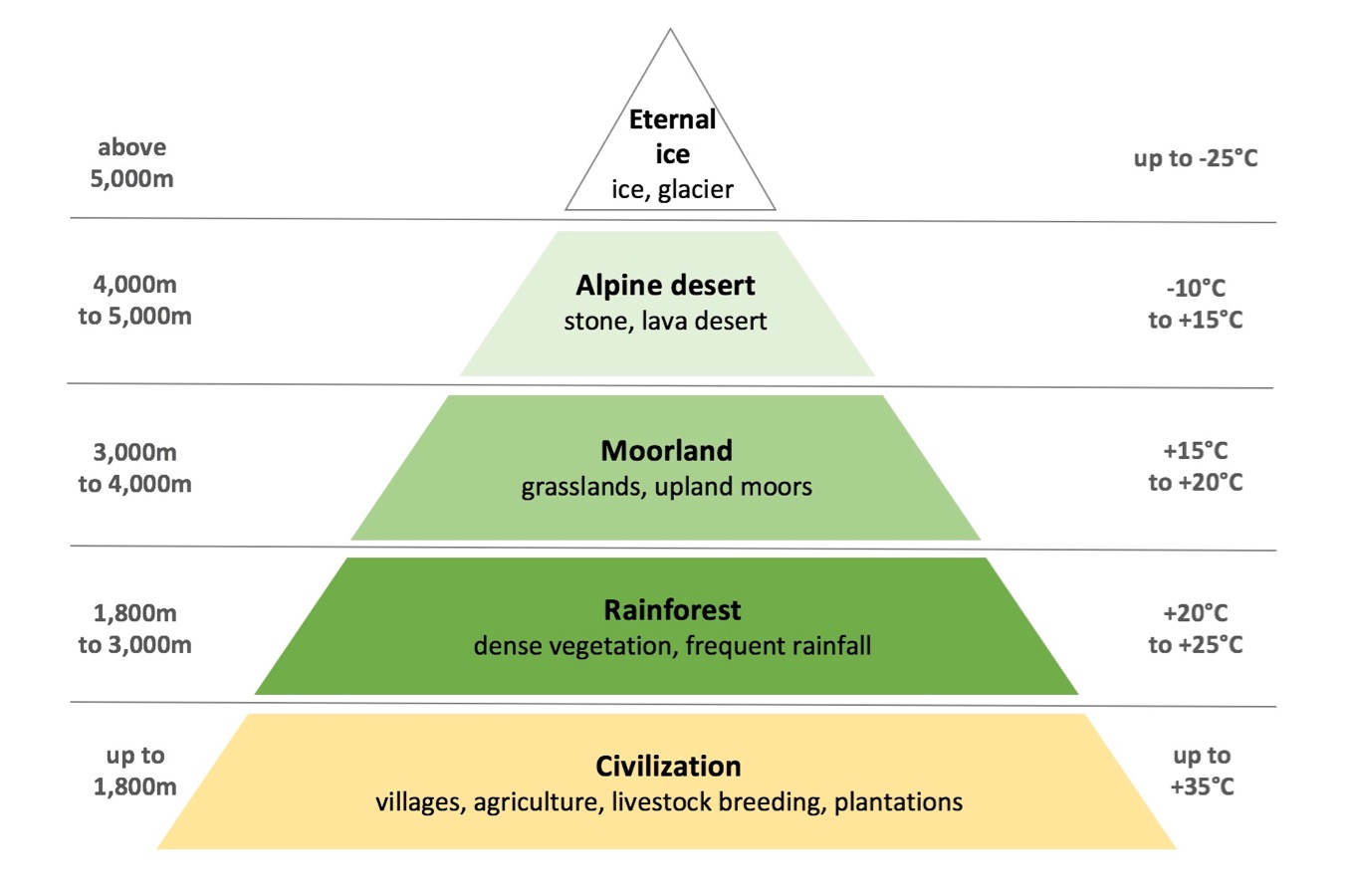
One of the most fascinating parts of climbing Mount Kilimanjaro is that you don’t stay in one environment you move through completely different ecosystems as you gain altitude. Each zone reflects a change in temperature, oxygen level, vegetation, and overall atmosphere. This is why many climbers say the journey feels like traveling from the equator to the Arctic in just a few days.
The journey begins at the lower slopes where human life is most visible. This area is filled with small villages, banana plantations, coffee farms, and fertile agricultural land. The soil is rich due to volcanic activity, making farming very productive. The climate here is warm and humid, and you may see local communities going about daily life before entering the mountain’s wilderness. This is also where your trek officially begins, and the scenery feels peaceful and welcoming.
As you start climbing, you enter a dense tropical rainforest. This is one of the most beautiful and atmospheric sections of Kilimanjaro. Tall trees form a natural canopy, creating shade and cool temperatures beneath. This zone is alive with wildlife such as colobus monkeys, blue monkeys, and a wide variety of birds and insects. The air is humid, and rainfall is common, which makes the trails muddy and slippery at times. Although physically easier in terms of oxygen, the humidity and terrain can feel challenging for beginners.
After leaving the forest behind, the landscape changes dramatically into open moorland. Trees disappear, and instead you see wide, rolling hills covered with strange and ancient-looking plants such as giant lobelias and groundsels. The air becomes noticeably thinner and cooler. This is where altitude starts to affect your breathing and energy levels more seriously. The scenery is vast and dramatic, with clear views of the mountain’s upper slopes. Many trekkers describe this zone as surreal because it feels like another planet.
This is one of the toughest sections of the climb. The landscape becomes dry, rocky, and almost completely barren. There is very little vegetation, and the ground is made up of volcanic gravel and stone. Temperatures here can swing drastically hot during the day due to direct sunlight, and extremely cold at night. The air is thin, and every step requires more effort as oxygen levels continue to drop. This zone tests your endurance and mental strength, as fatigue begins to build.
The final stretch before the summit is the most extreme environment on Mount Kilimanjaro. The terrain is covered in ice, snow, and volcanic rock. Strong winds and freezing temperatures are common, especially during summit night. Oxygen levels are at their lowest, making movement slow and difficult. Climbers often take very small steps and frequent breaks to conserve energy. Despite the harsh conditions, this is also the most rewarding section. Reaching the summit at sunrise, above the clouds, is an unforgettable moment that marks the achievement of standing on the Roof of Africa.
The most important thing to understand is that the climb is not technically difficult the real challenge is altitude. As you go higher, oxygen levels decrease, making breathing harder and movement slower. This affects everyone, regardless of fitness level. That is why pacing, hydration, and acclimatization are more important than speed or strength.
Most expeditions on Mount Kilimanjaro take between 5 to 9 days, depending on the route you choose. Longer routes give your body more time to adapt to altitude, increasing your chances of reaching the summit safely. Understanding this step prepares you mentally for what lies ahead and helps you approach the mountain with realistic expectations and confidence.
Your route selection on Mount Kilimanjaro is one of the most important decisions in your entire climbing journey. It is not just about choosing a path on a map it directly determines your comfort level, scenery, acclimatization quality, physical difficulty, and summit success rate. For beginners especially, this step can make the difference between a difficult struggle and a successful, enjoyable summit. The key principle to understand is simple but very important: longer routes are safer and more successful.
This is because your body needs time to adjust to high altitude. As you climb higher, oxygen levels drop, and without enough time for acclimatization, the risk of altitude sickness increases. Longer routes allow your body to adapt gradually, increasing your chances of reaching Uhuru Peak safely.
Below are the three most recommended beginner-friendly routes, explained in detail.
Marangu Route is the oldest and most established route on Kilimanjaro, often chosen by beginners who want a simpler and more structured experience. It is famously known as the “Coca-Cola Route” because of its relative comfort compared to other trekking routes. One of its unique features is that it is the only route with permanent hut accommodation, meaning you sleep in shared mountain huts instead of camping tents. This makes it appealing for climbers who prefer more shelter and a slightly less rugged experience.
Key features:
What the experience feels like:
The Marangu Route feels like a continuous uphill hike with structured overnight stops. While it is physically shorter, it can feel more challenging in terms of altitude because the body has less time to adapt. The scenery is pleasant but more limited compared to other routes, as you ascend and descend along the same path.
Best for:
Beginners who prefer comfort, simplicity, and a shorter schedule, and who may be trying Kilimanjaro for the first time with moderate trekking experience.
Machame Route is the most popular route on Kilimanjaro and is widely recommended for beginners who want both challenge and beauty. It is often called the “Whiskey Route” because it is more demanding than Marangu, but also far more rewarding. This route is known for its excellent acclimatization strategy, which follows the principle of “climb high, sleep low.” This helps your body adjust more effectively to altitude, significantly improving summit success rates.
Key features:
What the experience feels like:
The Machame Route is a true adventure. Each day brings new scenery from dense rainforest and rocky ridges to wide alpine deserts and dramatic viewpoints. You will sleep in tents at designated campsites, and the experience feels wilder and more immersive. The trail can be steep in sections, but the views are constantly rewarding. Because of its gradual ascent and varied terrain, many climbers consider it the perfect balance between challenge and success.
Best for:
Beginners who want a full adventure experience, stunning scenery, and a higher chance of summit success while still being manageable with preparation.
Lemosho Route is often regarded as the most beautiful and most successful route for beginners. It begins on the western side of Kilimanjaro and offers a longer, more gradual approach to the summit. Because of its extended itinerary, it provides one of the best acclimatization profiles, making it ideal for climbers who want to maximize their chances of reaching the top.
Key features:
What the experience feels like:
The Lemosho Route starts in untouched rainforest, giving a peaceful and remote feeling right from the beginning. As you progress, you move through moorlands, alpine deserts, and finally the icy summit zone.
The route is less busy, allowing for a more quiet and personal experience with nature. The longer duration means your body adjusts more naturally, reducing fatigue and altitude stress.
Best for:
Beginners who want the safest option, highest summit success rate, and a more peaceful trekking experience, even if it requires more days on the mountain.
When choosing your route on Mount Kilimanjaro, think beyond just difficulty. Consider your goals:
Regardless of the route, success always depends on slow pacing, good hydration, proper acclimatization, and listening to your guide. Kilimanjaro rewards patience more than speed, and every step should be taken steadily and consistently.
Preparing your body for a climb on Mount Kilimanjaro is less about intense gym workouts and more about training your body for long, slow, repetitive walking over several days. Many beginners assume they need to be very strong or highly athletic, but in reality, success on the mountain depends more on endurance, consistency, and breathing control than raw strength. On Kilimanjaro, you may walk 4–8 hours per day for multiple days, often on uneven terrain and at increasing altitude where oxygen levels drop. Your legs must keep moving even when your body feels tired, and your breathing must stay calm even when the air feels thinner. That is exactly what your training should prepare you for. The best time to start preparation is 6 to 8 weeks before your climb, although longer preparation (2–3 months) is even better for beginners.
Regular walking or hiking is the most important part of preparation because it directly mimics what you will do on the mountain.
Instead of short or fast workouts, focus on:
This type of training builds muscle endurance in your legs, improves joint stability, and helps your body adapt to long-duration effort without exhaustion. It also mentally prepares you for the repetitive nature of trekking, where progress is steady rather than fast.
Stair climbing is one of the closest simulations to uphill trekking on Kilimanjaro. Many sections of the mountain involve continuous ascent, which can feel demanding even for fit people. Training with stairs helps you:
For better results:
This exercise prepares your body for steep sections where every step requires effort and patience.
Cardio exercises like jogging, cycling, or swimming improve your heart and lung efficiency, which becomes very important at high altitude. On Mount Kilimanjaro, oxygen levels decrease as you climb higher, so your body must learn to use oxygen more efficiently. Good cardio training helps you:
The key is moderate intensity, not extreme workouts. You should feel challenged but not exhausted.
During your climb, you will carry a daypack containing essentials like water, snacks, extra clothing, and personal items. Even though porters carry most of your gear, your backpack still adds weight and affects balance. Training with a backpack helps you:
Start with a light load (4–5 kg) and gradually increase it. Walk on different surfaces to simulate real mountain conditions.
Weekend hiking is one of the most effective ways to prepare because it simulates the actual experience of being on the mountain. During these hikes:
This helps your body and mind adjust to real trekking conditions, not just short daily exercise sessions.
Physical fitness is important, but mental preparation is equally critical on Kilimanjaro. Many climbers struggle not because they are unfit, but because they underestimate altitude effects.
You should also train yourself to:
At higher altitudes, slow movement is not weakness it is the key to success.
The goal of preparing for Mount Kilimanjaro is not to become stronger in a gym sense, but to become efficient at long, steady movement over time. If you can:
Then you are physically ready for the mountain. In the end, Kilimanjaro rewards those who move slowly, consistently, and patiently, not those who move fast.
.webp)
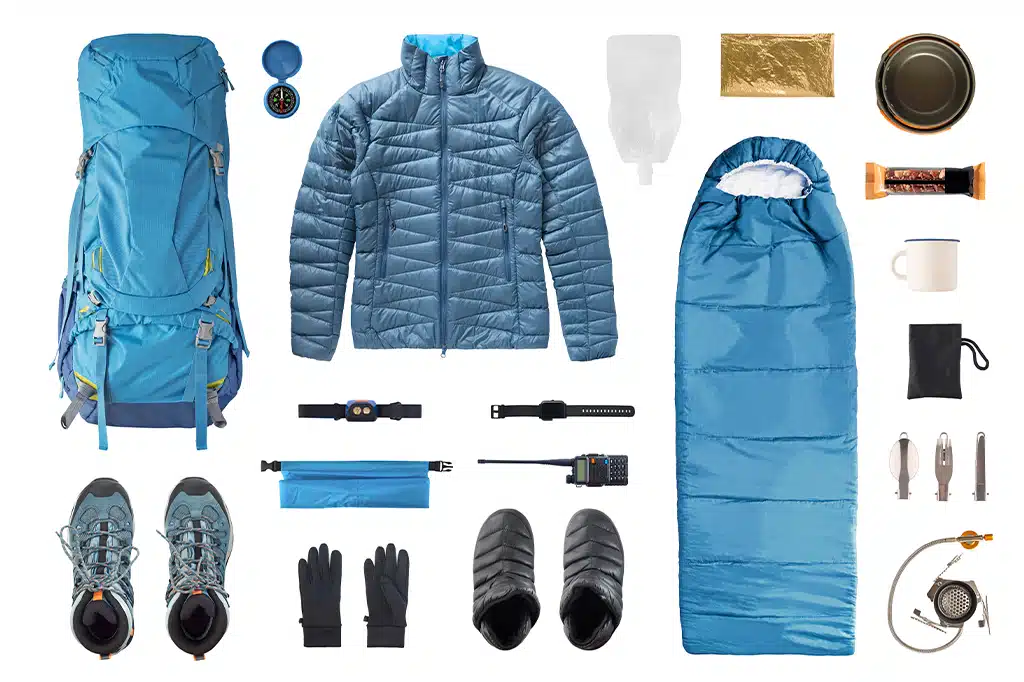
A successful climb of Mount Kilimanjaro depends greatly on having the right equipment. Because the mountain has multiple climate zones, conditions change quickly from warm rainforest to freezing summit temperatures, so proper preparation is essential. You need layered clothing that allows you to adjust as temperatures change during the day. A warm insulated jacket is required for summit night when temperatures drop significantly. Waterproof outer layers are also important to protect you from rain and wind at higher elevations. Well-broken-in hiking boots are essential for comfort and safety on rocky and uneven trails. Other key items include thermal gloves and a warm hat for cold conditions, a high-quality sleeping bag suitable for sub-zero temperatures, a headlamp for night trekking, and a hydration system or water bottles to stay properly hydrated throughout the climb.
Sunscreen, sunglasses, and dry bags for protecting gear from rain are also strongly recommended. The golden rule: layering beats heavy clothing because temperatures vary dramatically across zones.
One of the most important safety lessons before climbing Mount Kilimanjaro is understanding altitude sickness, also known as Acute Mountain Sickness (AMS). This is not a normal travel discomfort it is the body’s reaction to reduced oxygen as you gain elevation. As you climb higher, the air becomes thinner and contains less oxygen. Even though the trail may still feel walkable, your body is quietly working harder to supply enough oxygen to your brain and muscles. This is why altitude sickness is considered the main challenge on Kilimanjaro, not the terrain itself. What makes it especially important is that it can affect any climber, regardless of fitness level, age, or experience. A very fit athlete and a beginner can both experience symptoms at the same altitude.
Altitude sickness usually does not appear instantly. It develops gradually as you ascend too quickly without enough time for acclimatization.
At lower elevations, your body functions normally. But as you move into higher zones of Kilimanjaro, oxygen levels drop significantly. Your body begins to adjust by:
If ascent is faster than your body’s ability to adapt, symptoms begin to appear.
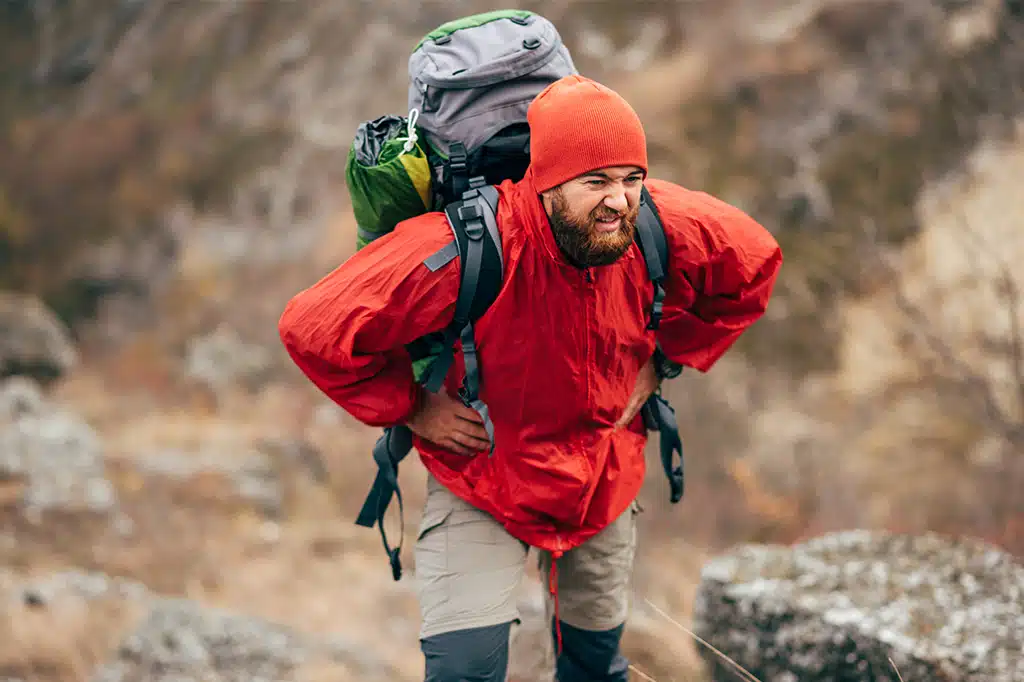
Early symptoms are usually mild but should always be taken seriously. They often feel like a combination of flu and fatigue.
Early warning signs:
Important note:
If symptoms worsen instead of improving with rest, it is a warning sign that the body is struggling to adapt.
On Mount Kilimanjaro, altitude sickness is unpredictable. Two people climbing together at the same pace may react very differently.
This happens because:
This is why comparing yourself to others on the mountain is dangerous. Feeling fine one day does not guarantee you will feel the same the next day.
While altitude sickness cannot be fully eliminated on Mount Kilimanjaro, it can be significantly reduced through smart habits, proper pacing, and good decision-making throughout the climb. Prevention is not about one single action, but a combination of consistent behavior from the first day to the summit attempt.
On Kilimanjaro, slow movement is not just advice it is a survival strategy. The phrase “pole pole,” meaning “slowly, slowly,” is repeated by guides for a reason. When you walk slowly, your body uses oxygen more efficiently, which is extremely important at high altitude where oxygen levels are lower. A steady pace also reduces pressure on your heart and lungs, allowing your body to adjust gradually instead of being forced into sudden strain. Even when the trail feels easy or you feel strong, rushing increases the risk of altitude sickness. Many climbers discover that success on Kilimanjaro is not about speed or fitness level, but about patience and consistency over many hours of walking.
Hydration plays a major role in how your body adapts to altitude on Mount Kilimanjaro. At higher elevations, the air is dry and breathing becomes faster, which causes the body to lose water more quickly than normal. Drinking enough water helps reduce headaches, supports healthy blood circulation, improves oxygen transport in the body, and prevents early fatigue. It also helps your body regulate temperature more effectively during long trekking days. Even if you do not feel thirsty, you must continue drinking regularly throughout the day. Waiting until you feel thirsty is too late at high altitude, so consistent hydration is essential from morning until evening.
The length of your trekking route directly affects how well your body adapts to altitude. On Mount Kilimanjaro, slower ascents give your body more time to adjust to decreasing oxygen levels. Longer routes such as Lemosho Route and Machame Route are highly recommended because they allow gradual elevation gain over several days. This slow progression improves acclimatization and significantly increases summit success rates. Shorter routes may seem attractive because they take fewer days, but they increase the risk of altitude sickness since the body is pushed upward too quickly without enough recovery time at each elevation level.
One of the most common causes of altitude problems is pushing too hard in the early stages of the climb. Many climbers feel strong at lower elevations and unintentionally walk too fast or skip important rest breaks. Typical mistakes include trying to keep up with faster trekkers, moving uphill too quickly, ignoring fatigue signals, or believing that physical strength alone will carry them to the top. On Kilimanjaro, this approach often leads to early exhaustion and increased altitude symptoms. The mountain is designed to test endurance over time, not short bursts of energy. Consistency, steady rhythm, and controlled effort are far more effective than speed or intensity.
Your guide is one of the most important safety factors on Mount Kilimanjaro. They are trained to monitor your condition closely and identify early signs of altitude sickness that you may not notice yourself. If your guide advises you to slow down, rest longer, pause your ascent, or even descend, it is always for your safety. These decisions are based on experience and mountain conditions, not guesswork. Ignoring guidance or trying to push through symptoms can quickly turn a mild issue into a serious medical problem. Trusting your guide and following instructions immediately is one of the most important rules for a safe and successful summit attempt.
Preventing altitude sickness on Kilimanjaro is about discipline, awareness, and patience. There is no shortcut to the summit. By walking slowly, staying hydrated, choosing the right route, avoiding overexertion, and listening to your guide, you greatly increase your chances of reaching the top safely and successfully.
Your guide is not just leading the route they are monitoring your health throughout the climb. On Mount Kilimanjaro, experienced guides are trained to:
In many cases, their judgment can prevent serious illness and ensure a safe summit attempt.
Key Takeaway
Altitude sickness is the most serious challenge on Kilimanjaro, but it is also manageable when approached correctly. By walking slowly, staying hydrated, choosing the right route, and trusting your guide, you greatly increase your chances of a safe and successful climb to the Roof of Africa.
Life on Mount Kilimanjaro is very different from normal travel or hiking trips. Each day follows a strict rhythm that is carefully designed to balance movement, rest, and altitude adaptation. Everything is structured around one principle: move slowly enough for the body to adjust, but consistently enough to reach higher camps safely. There is no rush, no distractions, and no flexibility like in everyday life. The mountain controls your schedule.
Early mornings on Kilimanjaro begin quietly and often before sunrise. The temperature is usually very cold, especially at higher camps, and the air feels thin and still. Guides or porters gently wake climbers, and the first moments of the day are usually about slowly warming up the body. At this stage, your body is still recovering from the previous day’s effort and adjusting to the altitude you gained overnight. Even simple movements like getting out of the sleeping bag, putting on clothes, or stepping outside feel slower than normal because the body is functioning in low-oxygen conditions. Breakfast is then served in a shared dining tent or open area depending on the route. This meal is more than just food it is fuel for several hours of physical effort ahead. Even if appetite is low due to altitude, eating is important because your body needs consistent energy. Mentally, this moment also sets the tone for the day. You prepare your gear, check your water, and mentally adjust to another long walking session at altitude.
After preparation, the group begins walking. This is the longest and most important part of the day on Mount Kilimanjaro. The pace is deliberately very slow. This is not because the terrain is difficult, but because oxygen levels are lower as altitude increases. Your body must be given time to adjust with every step. Even if the path looks easy, the effort inside your body is much higher than it feels. During this 4-to-7-hour walking period, your breathing becomes deeper and more intentional. You may notice that conversations become shorter, and breaks become more frequent. This is normal and part of proper acclimatization. The landscape also changes gradually during this phase forest areas become open moorland, and eventually rocky alpine zones. Each step upward means slightly less oxygen, which is why steady pacing is critical. This part of the day tests endurance, patience, and mental focus more than physical strength.
Midway through the trek, the group stops for a well-prepared lunch. This is not a rushed stop it is an important recovery phase. At this point, your body has already used a significant amount of energy. The break allows your heart rate to slow down, you’re breathing to stabilize, and your muscles to recover slightly before continuing. Even though altitude may reduce appetite, eating is essential. The food provided is usually simple but energy-rich, designed to support long-distance trekking. Hydration also becomes a focus here. Drinking water during this break helps maintain energy levels and reduce altitude-related symptoms like headaches or fatigue. This pause is also mentally refreshing. It breaks the long walking period into manageable sections, making the journey feel more controlled and less overwhelming.
By mid to late afternoon, the group reaches the next campsite. This moment often brings relief because the physical effort for the day is complete. However, even though the walking stops, your body is still actively adjusting to altitude. Upon arrival, your circulation and breathing are still elevated, and your energy reserves are lower than normal. Porters usually arrive earlier and prepare tents or sleeping areas, depending on the route. Once you settle in, the focus shifts from movement to recovery. This is also when you begin to notice how altitude affects rest. Simple tasks like changing clothes or organizing gear feel slightly more tiring than expected, even though you are no longer walking. The afternoon is intentionally free of strenuous activity to allow full recovery before the next day.
Evenings on Kilimanjaro are calm and structured. After a short rest period, dinner is served in a communal setting This meal is very important because it restores energy after hours of trekking and prepares the body for overnight recovery. The food is usually warm and easy to digest, designed to help with both nutrition and hydration. After dinner, climbers usually gather briefly with their guides for a health check and briefing for the next day. This is where the team evaluates how everyone is adapting to altitude. Then the atmosphere becomes quiet. There is very little activity, as most climbers retreat into their tents early. At this stage, the body is fully focused on recovery and acclimatization. Oxygen levels are lower than at the start of the day, so rest becomes a key part of performance, not just relaxation.
Nighttime on Mount Kilimanjaro is one of the most important phases of the entire climb, even though nothing physically happens on the surface. While you sleep, your body is actively working to adjust to altitude. It is improving oxygen usage, stabilizing breathing patterns, and preparing for the next day’s higher elevation. Sleep can sometimes feel lighter or less deep than normal because of altitude effects, but rest is still essential. Even short or broken sleep allows the body to recover energy and adapt internally. Cold temperatures also play a role, especially at higher camps, which is why proper sleeping gear is important.
Key Insight
Daily life on Kilimanjaro is not random it is a carefully designed system of controlled effort and recovery. Each day follows the same pattern: slow walking, structured breaks, steady hydration, early arrival at camp, and deep rest. This rhythm allows the body to gradually adapt to altitude without being overwhelmed. In the end, success on Kilimanjaro is not about how strong you are in a single moment, but how well you manage your energy across many days of consistent, slow progress.
Summit night on Mount Kilimanjaro is the most difficult, intense, and emotionally powerful part of the entire journey. After several days of gradual climbing and acclimatization, this is the final push to reach the highest point in Africa Uhuru Peak (5,895m). Unlike daytime trekking, summit night feels completely different. You leave camp in darkness, move slowly through freezing temperatures, and climb for several exhausting hours with one goal in mind: reach the summit at sunrise. This is the moment where physical endurance, mental strength, and patience all come together.
The summit attempt usually begins around midnight. While the rest of the mountain is silent, climbers wake up, dress in multiple warm layers, and prepare for the hardest climb of the expedition. The atmosphere is quiet and serious. There is little conversation because everyone understands what lies ahead. The temperature is extremely low, and the air feels even thinner than during the day. At this stage, your body is already tired from previous days of trekking, but you must reset mentally and focus only on the next step, not the full distance ahead.
One of the biggest challenges of summit night is the cold. Temperatures often drop well below freezing, especially in exposed areas near the summit. The wind can be strong, and the ground may be covered with ice or frost. Every part of your body feels the cold more intensely because oxygen levels are also very low. Climbers must wear full thermal protection layers, gloves, hats, and windproof jackets to survive the conditions comfortably enough to keep moving.
The climb from high camp to the summit is long and extremely slow. Even though the distance may not seem very far on a map, the altitude makes every step feel heavier. You will walk for approximately 6 to 8 hours uphill, often in a zigzag pattern. The terrain is steep, rocky, and challenging, and progress is measured step by step. At this altitude, even simple movements require effort. Breathing becomes deeper and more deliberate, and frequent short breaks are normal. The guiding principle remains the same: slow, steady, and consistent movement. Rushing is not possible and is not safe.
Summit night is not just a physical test it is a mental one. By this point, climbers are often:
However, the key to success is staying focused on small goals: the next step, the next breath, the next short break. Many climbers describe summit night as a “mental battle,” where persistence matters more than strength.
As you climb higher, oxygen levels become extremely low. This is one of the toughest parts of summit night. At this altitude, your body works harder just to function. You may feel:
This is normal and expected. The key is to continue moving slowly while listening to your guide.
After hours of slow and steady climbing, you finally reach the summit of Mount Kilimanjaro. This moment is often emotional and unforgettable. The darkness fades as the sun begins to rise over the African landscape, revealing breathtaking views above the clouds. Standing at Uhuru Peak, you are literally on the Roof of Africa. Many climbers describe this experience as:
Final Insight
Summit night is the ultimate test of determination on Kilimanjaro. It is not about speed or strength it is about patience, resilience, and mindset. Those who succeed are not always the fastest climbers, but the ones who keep moving slowly, steadily, and confidently until the very last step. Reaching the summit is not just the end of the climb it is the reward for every step taken with discipline and persistence.
The best time to climb Mount Kilimanjaro is during the dry seasons, from January to March and June to October. These months provide the clearest skies, the most stable weather, and the best trail conditions for trekking. Climbers can enjoy breathtaking mountain views, comfortable hiking conditions, and a higher chance of successfully reaching the summit. Choosing the best time to climb Kilimanjaro can make your adventure safer, more enjoyable, and truly unforgettable.
.webp)
Climbing Mount Kilimanjaro as a beginner is absolutely achievable when you approach it with the right mindset and preparation. Many people assume it is only for highly trained athletes, but in reality, success on the mountain depends far more on patience, planning, and proper acclimatization than on speed or physical strength. The journey becomes manageable when you respect the mountain’s rhythm walking slowly, staying hydrated, and allowing your body enough time to adjust to altitude. Every decision you make before and during the climb plays a role in how smoothly your experience unfolds.
Choosing a reliable operator, preparing your body step by step, and selecting the right route are the three pillars of a successful summit attempt. Routes such as the Marangu Route, Machame Route, and Lemosho Route offer different experiences, but all can lead to success when matched with proper preparation and guidance. Every step you take on Kilimanjaro is more than just movement it is progress toward one of the greatest achievements in the world: standing on the Roof of Africa and witnessing the sunrise above the clouds.
Book Your Kilimanjaro Adventure with Us
If you are ready to turn this dream into reality, we are here to guide you every step of the way. Our professional team offers safe, well-organized, and beginner-friendly climbs on Mount Kilimanjaro, with experienced guides, high-quality equipment, and carefully designed itineraries to maximize your success rate.
Whether you are looking for comfort, adventure, or the highest chance of reaching the summit, we will help you choose the perfect route and prepare you properly for the journey.
Book your Kilimanjaro climb with us today and start your journey to the Roof of Africa.