

Altitude is one of the biggest challenges on Mount Kilimanjaro. Unlike many mountains that require technical climbing skills, Kilimanjaro’s greatest difficulty comes from its high altitude and reduced oxygen levels, which can affect every climber regardless of fitness or experience.
As climbers gain elevation, the amount of oxygen in the air gradually decreases, making it harder for the body to function normally. This natural change in air pressure can lead to a condition known as Acute Mountain Sickness (AMS), which is one of the most common challenges faced by trekkers on the mountain. AMS can affect anyone and often appears as the body struggles to adapt to higher elevations.
Understanding how altitude works, recognizing early symptoms, and preparing properly before the climb are very important for a safe and successful journey to the summit of Africa’s highest peak.
Mount Kilimanjaro stands at:
At the summit, the oxygen level is significantly lower than at sea level. Although the atmosphere still contains about 21% oxygen, the air pressure is much lower at high altitude, which makes breathing feel much harder and more demanding for the body. This means the body receives less oxygen with every breath, even though the oxygen percentage in the air does not change. As a result, the lungs and muscles must work harder to supply enough oxygen to the brain and organs, especially during physical activity like climbing.
By the time climbers reach the summit:
This sharp drop in oxygen availability is the main reason climbers feel extremely exhausted, slow, and breathless at high altitude on Mount Kilimanjaro. As the body receives less oxygen, every step requires more effort, and normal physical activities start to feel much more difficult than at lower elevations.
Because of this reduced oxygen, even experienced hikers and very fit climbers can struggle during the final ascent to the summit. The combination of thin air, freezing temperatures, fatigue from long trekking days, and the steep climb to the top makes the last stage of the journey especially challenging, requiring slow pacing, strong mental focus, and proper acclimatization to succeed.
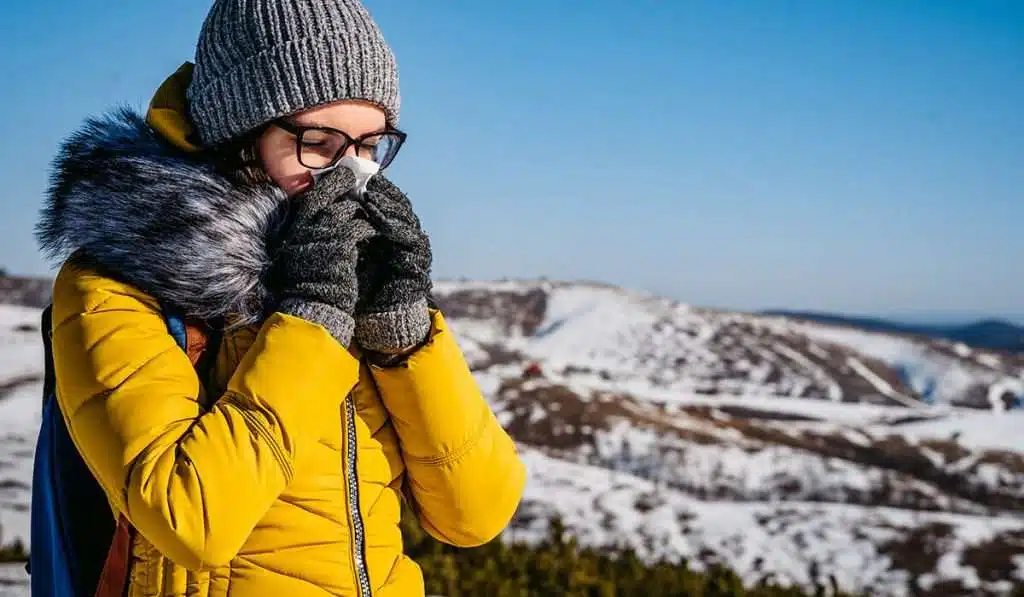
As altitude increases on Mount Kilimanjaro, the body must work much harder to deliver enough oxygen to the muscles, brain, and other vital organs. The air becomes thinner, meaning each breath contains less usable oxygen, and the body immediately begins to adjust to this change.
The body reacts by:
These changes are part of the body’s natural acclimatization process, and they help climbers adapt gradually to high altitude conditions. However, this adjustment does not happen instantly. It takes time for the body to fully adapt to lower oxygen levels.
If climbers ascend too quickly without proper acclimatization, the body may struggle to cope with the rapid change in altitude. This can lead to altitude sickness, also known as Acute Mountain Sickness (AMS), which is one of the most common challenges faced during the climb.
Acute Mountain Sickness (AMS) is the mildest and most common form of altitude illness that can occur when climbing high mountains such as Mount Kilimanjaro. It happens when the body does not get enough time to adjust properly to the reduced oxygen levels found at higher elevations, causing the body to experience stress as it struggles to adapt. It can affect anyone regardless of:
Even very fit athletes can develop AMS.
This condition usually begins to appear at altitudes above about 2,500 meters (8,200 feet), where oxygen levels and air pressure start to drop significantly compared to sea level. As climbers continue to gain elevation beyond this point, the symptoms often become more noticeable and can gradually worsen if the body is still struggling to adapt to the changing environment.
Because Kilimanjaro rises far above this level, AMS is something that many climbers may experience at some point during the trek, especially if they move too quickly, do not drink enough water, or do not follow proper acclimatization practices such as “pole pole” (slowly, slowly) pacing.
When climbing high on Mount Kilimanjaro, many climbers begin to experience mild symptoms of Acute Mountain Sickness (AMS) as the oxygen level in the air continues to decrease. These symptoms are the body’s natural response to reduced oxygen and are usually a sign that the climber needs to slow down and allow more time for acclimatization. Mild AMS symptoms include:
Many trekkers experience at least one or more of these mild symptoms during the ascent, especially above 3,000 meters. A headache is usually the earliest and most reliable warning sign, and it should always be taken seriously as it may indicate the beginning of altitude-related stress.
As climbers ascend higher on Mount Kilimanjaro, the oxygen level continues to drop significantly and the body becomes more stressed in trying to adapt. If early signs of Acute Mountain Sickness (AMS) are ignored or if a climber continues to go higher without proper acclimatization, the condition can become severe and develop into dangerous altitude illnesses. These advanced stages of altitude sickness are serious medical emergencies and require immediate attention because they can quickly become life-threatening if not treated properly such as:
This condition happens when fluid starts building up inside the lungs due to the extreme lack of oxygen at high altitude. As the lungs fill with fluid, the ability to absorb oxygen becomes severely reduced, making breathing extremely difficult and stressful for the body. Symptoms include:
HAPE is a life-threatening condition, but it is also treatable if action is taken quickly. The most important step is immediate descent to a lower altitude, where oxygen levels are higher and the body can begin to recover. Delaying descent or continuing to climb can be extremely dangerous. In some cases, oxygen therapy or medical evacuation may be necessary depending on severity.
As climbers continue ascending higher on Mount Kilimanjaro, the reduction in oxygen becomes more severe and the body may begin to struggle not only physically but also mentally. In rare but very serious cases, Acute Mountain Sickness (AMS) can progress into a dangerous condition called High Altitude Cerebral Edema (HACE). This happens when fluid builds up in the brain due to extreme altitude stress and lack of oxygen, causing the brain to swell and function improperly. Symptoms include:
HACE is a medical emergency and must be treated immediately. The only effective response is rapid descent to a lower altitude as quickly as possible, where oxygen levels are higher and the pressure on the brain is reduced. In serious cases, emergency oxygen and medical evacuation may be required.
Because HACE can progress rapidly and become fatal, it is extremely important for climbers on Mount Kilimanjaro to recognize early symptoms of altitude sickness and act quickly by stopping ascent and descending when necessary.
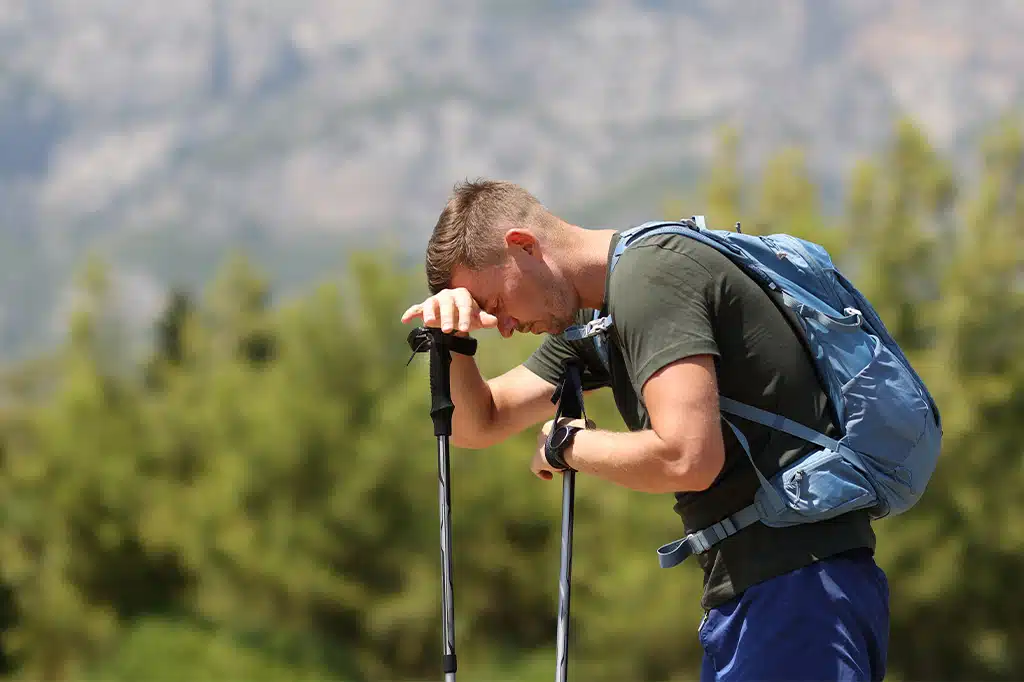
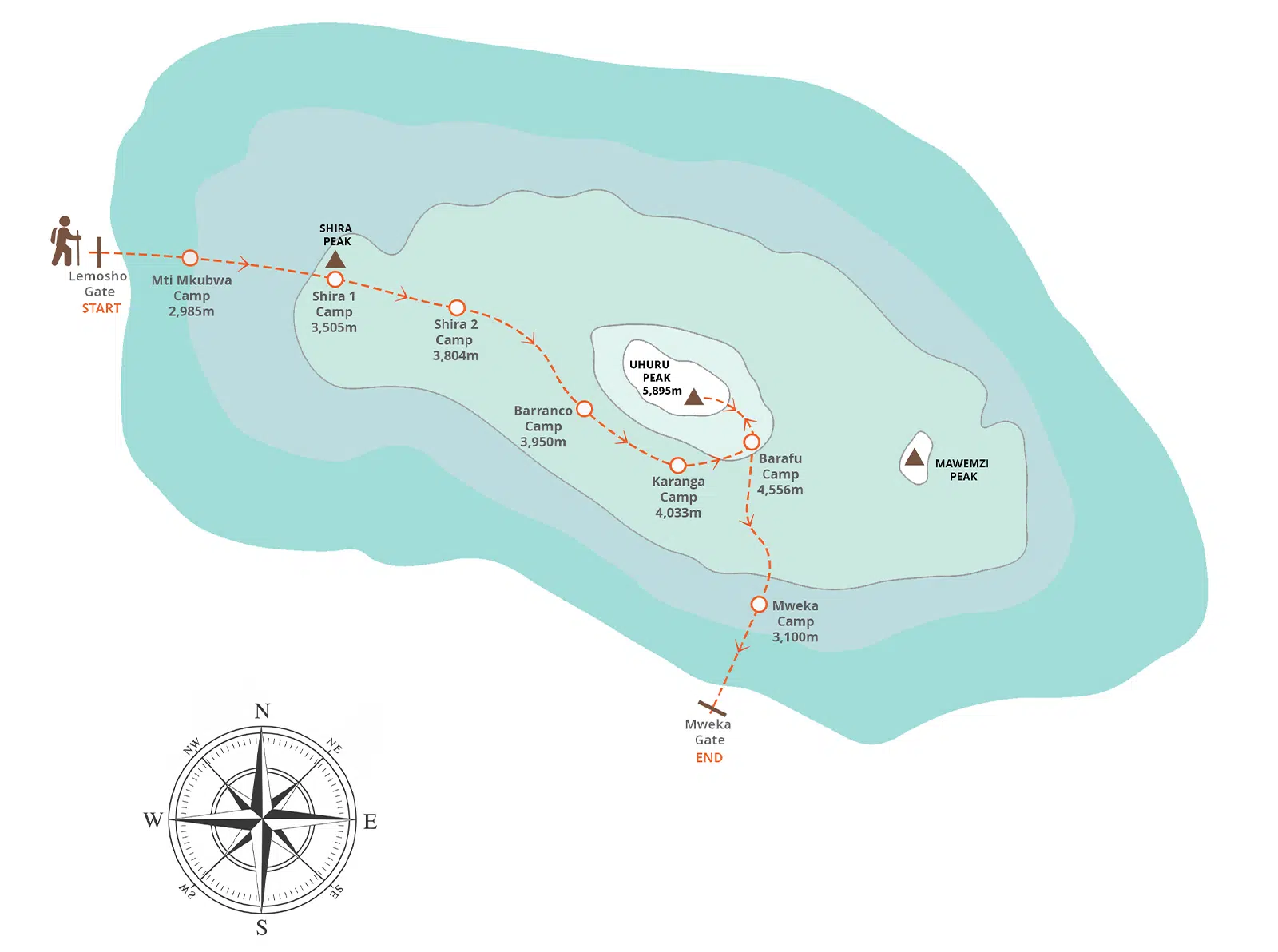
One of the main reasons climbers experience altitude sicknesses on Mount Kilimanjaro is the speed at which the mountain is climbed. Unlike many high mountains where climbers spend weeks gradually moving through different elevations, Kilimanjaro is often climbed in a relatively short period of time, which gives the body limited time to adapt to the rapidly decreasing oxygen levels. In many trekking routes, climbers move from warm tropical rainforest at the base of the mountain to extremely high altitudes close to 5,000 meters in just a few days.
For example:
Because the body is forced to adapt so quickly, it struggles to produce enough red blood cells and improve oxygen delivery efficiently. As a result, symptoms of altitude sickness such as headaches, fatigue, and breathlessness become more likely, especially during the higher stages of the climb. This is why many climbers feel fine at lower elevations but start to struggle as they approach higher camps.
In summary, Kilimanjaro is challenging mainly because of its rapid altitude gain, and not because it requires technical climbing skills. The fast ascent limits proper acclimatization, making careful pacing, longer routes, and good preparation essential for a safe and successful summit attempt.
Acclimatization is the natural process that allows the human body to gradually adjust to lower oxygen levels as altitude increases on Mount Kilimanjaro. As climbers move higher, the air becomes thinner and each breath contains less usable oxygen. Without enough time to adapt, the body can become stressed, leading to fatigue and altitude sickness.
However, these adaptations do not happen immediately. The process takes time, which is why slower ascent rates are so important. This is also why longer routes on Kilimanjaro generally have higher summit success rates, as they give the body enough time to adjust gradually instead of being forced to adapt too quickly.
Longer Kilimanjaro routes generally provide better altitude adjustment.
Popular routes with good acclimatization include:
The Lemosho Route is widely considered one of the best routes for both scenery and acclimatization. It usually takes 7 to 8 days and starts on the western side of the mountain. This route is popular because it allows a very gradual ascent, giving the body more time to adjust to decreasing oxygen levels. Climbers pass through beautiful rainforest, moorland, and alpine desert zones at a slow and steady pace. One of the most important acclimatization benefits is the “climb high, sleep low” strategy, especially near Lava Tower. Because of its long duration and smooth elevation gain, it has one of the highest summit success rates.
The Northern Circuit Route is the longest route on Kilimanjaro, usually taking 8 to 9 days. It circles around the northern slopes of the mountain and offers the best acclimatization experience. Because of its long itinerary, climbers ascend very slowly, which gives the body maximum time to adapt to altitude changes. It provides excellent rest periods and gradual elevation gain, which greatly reduces the risk of altitude sickness. This route also has one of the highest success rates because climbers are well acclimatized by the time they reach the summit.
The Machame Route is one of the most popular routes and is often called the “Whiskey Route.” It usually takes 6 to 7 days. The 7-day version is highly recommended because it provides better acclimatization compared to the shorter 6-day option. This route is more physically demanding, with steeper sections, but it offers excellent scenery and a strong acclimatization profile. Climbers use the “climb high, sleep low” method, especially during the Lava Tower Day, which helps the body adjust to altitude more effectively.
The Marangu Route is the oldest and most established route on Kilimanjaro. It usually takes 5 to 6 days and is the only route that offers sleeping huts instead of tents. Although it is often considered more comfortable in terms of accommodation, it has a lower summit success rate because of its shorter acclimatization period. The ascent is faster compared to other routes, which gives the body less time to adjust to altitude. Many climbers underestimate this route because it feels easier at the start, but the rapid elevation gain can make summit day more difficult.
The Rongai Route approaches Kilimanjaro from the northern side, near the Kenya border. It usually takes 6 to 7 days and is known for being drier and less crowded. This route has a more gradual and steadier ascent compared to Marangu, making it better for acclimatization. Because it is on the dry side of the mountain, it receives less rainfall, especially in the lower zones. However, scenery is slightly less varied compared to southern routes. It is a good option for climbers looking for a quieter experience with moderate difficulty.
The Umbwe Route is the steepest and most direct route on Kilimanjaro. It usually takes 5 to 6 days and is considered the most challenging route in terms of ascent profile. Because the climb is very fast and steep, acclimatization is poor compared to other routes. This increases the risk of altitude sickness, and for this reason, Umbwe is recommended only for very experienced and strong trekkers. Although it is physically demanding, it offers a quiet and remote trekking experience.
These routes allow climbers to:
Choosing the right route is one of the most important decisions for a successful Kilimanjaro climb.
Kilimanjaro guides often use the principle:
“Climb high, sleep low.”
The idea is simple but very effective. Climbers ascend to a higher altitude during the day, where the oxygen level is lower, so the body is exposed to the stress of thin air. This exposure encourages the body to begin adapting by improving oxygen use efficiency and stimulating natural physiological changes needed for high-altitude survival.
However, instead of staying at that higher elevation overnight, climbers descend slightly to sleep at a lower altitude. This is important because resting at a slightly lower elevation allows the body to recover, breathe more comfortably, and reduce the strain caused by reduced oxygen levels during sleep.
Successfully reaching the summit of Kilimanjaro is not only about physical strength, but also about how well you manage altitude. Since the mountain rises to extreme elevations, climbers must follow simple but very important rules to help the body adapt safely to lower oxygen levels.
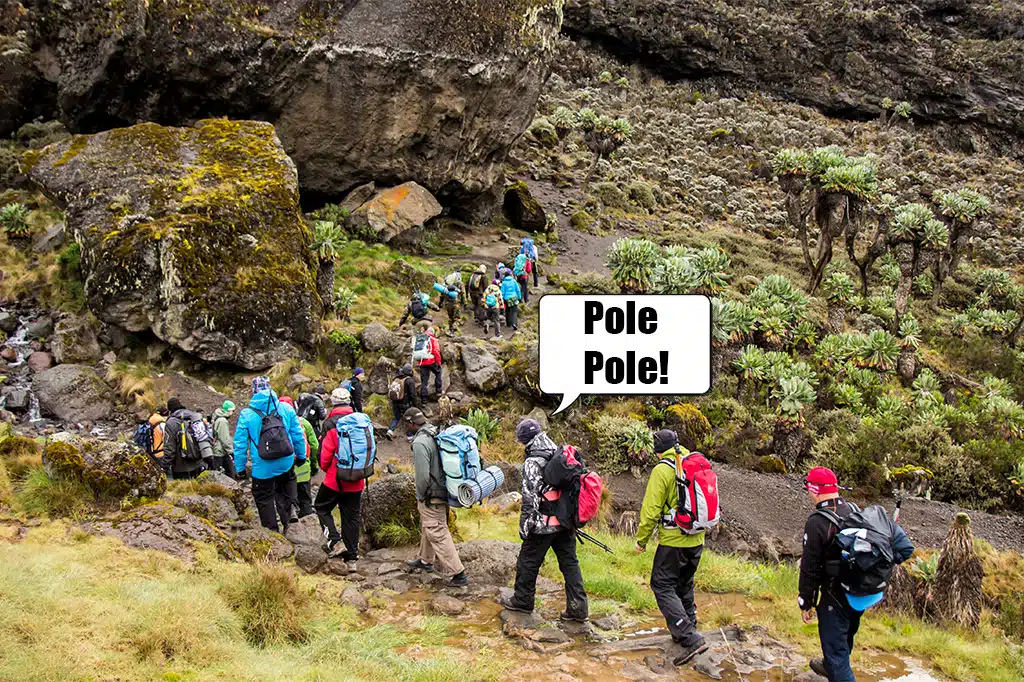
One of the most important rules on Kilimanjaro is to walk slowly. Guides often repeat the phrase “pole pole”, which means slowly, slowly in Swahili. This is not just advice it is a survival strategy at high altitude. Walking slowly helps the body use less energy, control breathing, and adjust gradually to thinner air. When climbers move too fast, the body demands more oxygen than it can get, which increases exhaustion and raises the risk of Acute Mountain Sickness (AMS). A slow and steady pace allows the heart and lungs to work more efficiently and makes long trekking days much more manageable.
Hydration plays a major role in how the body responds to altitude. At higher elevations, the air is dry and the body loses water faster through breathing and sweating, even if you do not feel thirsty. Climbers are usually advised to drink around 3 to 4 liters of water per day on Mount Kilimanjaro. Proper hydration helps maintain good blood circulation and supports oxygen delivery to muscles and vital organs. When the body is dehydrated, symptoms of altitude sickness such as headaches and fatigue become worse.
Even though appetite often decreases at high altitude, eating well is still very important. The body needs energy to cope with reduced oxygen levels and long trekking hours. High-carbohydrate foods are especially beneficial because they provide quick and efficient energy for the body. Eating regularly helps maintain strength, supports endurance, and improves recovery after each day’s hike. Climbers who eat poorly often feel weaker and more tired at higher camps.
Route selection has a major impact on altitude safety. Longer routes give the body more time to adjust gradually to increasing elevation, which is one of the most effective ways to prevent altitude sickness. On Kilimanjaro, longer routes such as Lemosho or Northern Circuit allow slow ascent and better acclimatization. These routes usually have:
More days on the mountain mean the body can adapt step by step instead of being pushed too quickly into high altitude conditions.
Professional mountain guides play a critical role in keeping climbers safe. On Mount Kilimanjaro, guides constantly monitor climbers’ health and altitude response. They often check oxygen levels, observe physical condition, and look for early signs of AMS such as headaches, dizziness, or unusual fatigue. If symptoms become serious, guides may decide that a climber needs to stop ascending or descend immediately. Ignoring guide instructions can be very dangerous because altitude sickness can worsen quickly. Trusting the guide’s experience is one of the most important factors for a safe and successful summit attempt.
Summit night had been the most difficult and demanding part of the entire Kilimanjaro climb. Climbers had left camp around midnight and began a long, steep ascent in extremely harsh conditions. At that stage, the combination of very high altitude, freezing temperatures, complete darkness, physical exhaustion, and very low oxygen levels made every single step feel much harder than the daytime trekking sections. Because of these conditions, climbers had moved very slowly and had often taken frequent short breaks just to catch their breath and regain energy. Even simple actions like walking uphill had felt physically exhausting because the body was working with far less oxygen than it was used to at lower elevations.
Many climbers move very slowly and take frequent breaks.
Simple tasks like walking uphill become physically demanding.
A common misunderstanding had been that being very physically fit could prevent altitude sickness. While fitness helped with strength and endurance, it did not protect climbers from the effects of high altitude. In reality, altitude sickness could affect anyone, regardless of age or fitness level. Even very strong athletes had developed symptoms when their bodies did not have enough time to adjust to lower oxygen levels.
Key facts had included:
High altitude had not only affected the body but also the mind. As oxygen levels decreased, the brain had received less oxygen, which had influenced normal mental performance.
Climbers may experience:
This is normal at very high elevations.
Many climbers attempt to reach the summit of Kilimanjaro each year, but not all of them succeed. The main challenge is not technical climbing difficulty, but the impact of high altitude on the human body. As climbers go higher, oxygen levels decrease, and the body may struggle to adapt. This often leads to altitude sickness, which is the most common reason people are forced to stop or descend before reaching the top.
Common reasons climbers fail to reach the summit include:
In conclusion, success on Kilimanjaro depends less on strength and more on preparation, patience, and respecting altitude. Climbers who manage their pace, hydration, and acclimatization properly have a much higher chance of reaching the summit safely.
Mountain rescue on Kilimanjaro is closely connected to altitude challenges because most emergencies happen when climbers cannot adapt properly to decreasing oxygen levels. As altitude increases, the body becomes weaker, breathing becomes difficult, and altitude sickness can quickly turn into a serious medical emergency. In such cases, rescue teams focus on stabilizing the climber and bringing them down to a safer, lower altitude as fast as possible.
Because oxygen levels are much lower at high elevations, even small health problems can become worse quickly. This is why guides constantly monitor climbers and act immediately when symptoms of severe altitude sickness appear.
Mountain rescue situations usually involve:
When a rescue is needed, the process usually includes:
In most cases on Kilimanjaro, evacuation is done by trained mountain crews rather than helicopters, because of the steep terrain and unpredictable weather at high altitude. This makes guide experience and quick decision-making very important for safety.
In summary, mountain rescue on Mount Kilimanjaro is directly linked to altitude conditions. The higher the elevation, the lower the oxygen, and the more important it becomes to act quickly. Early symptom recognition, proper acclimatization, and experienced guides are the best ways to prevent emergencies and ensure climbers reach lower altitudes safely when needed.
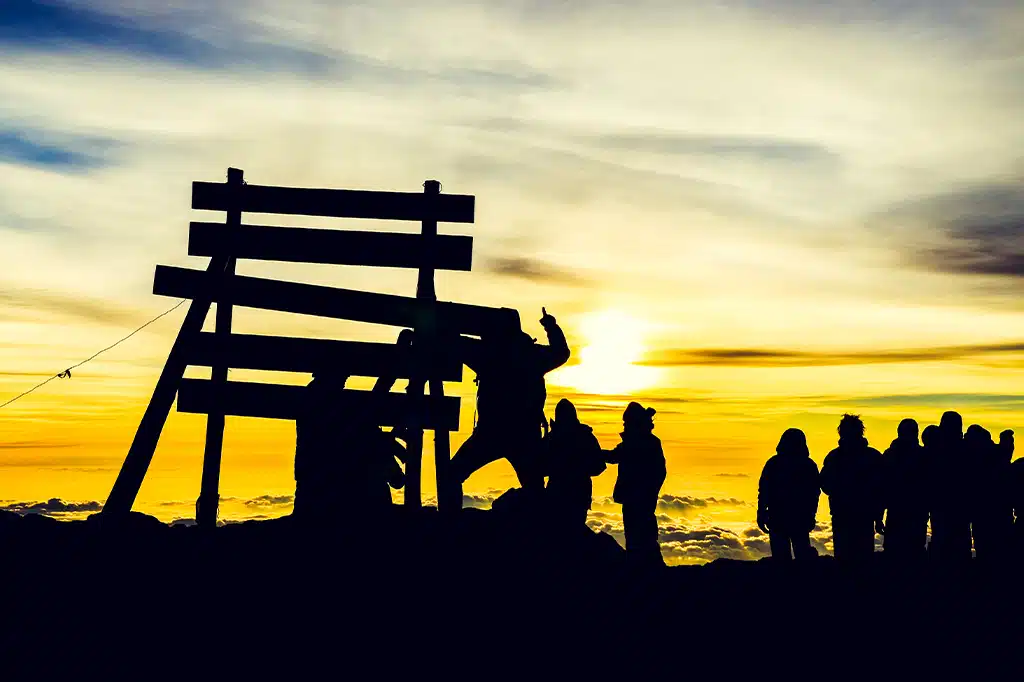
Altitude is the greatest challenge on Mount Kilimanjaro. As climbers ascend higher, oxygen levels gradually decrease, making even simple activities like walking, breathing, and resting feel more difficult than at lower elevations. Understanding how altitude affects the body helps climbers prepare both physically and mentally for the journey. When climbers are aware of the risks and responses of the body at high elevation, they are more likely to make safe decisions, recognize early symptoms, and adjust their pace accordingly.
With:
many climbers successfully reach the summit of Africa’s highest mountain safely and confidently. The key message is simple: Kilimanjaro is not about rushing to the top, but about patience, preparation, and respect for altitude. With the right approach and determination, the summit is not only possible it is achievable. Start your preparation today, train your body, choose the right route, and take the first step toward standing on the roof of Africa.
For Kilimanjaro climbing inquiries, bookings, and guidance:
📧 Email: redetours2005@gmail.com
📱 WhatsApp: +255 676 063 791