

Yes, there is an official age requirement for climbing Mount Kilimanjaro, but it may surprise many travelers. While there is a minimum age limit, there is no maximum age restriction for reaching Africa’s highest mountain. According to regulations from the Kilimanjaro National Park (KINAPA), climbers must be at least 10 years old to attempt the trek. This rule exists mainly to protect younger children from the physical and altitude-related challenges of the mountain. Children under 10 are generally not allowed to climb because high altitude can affect younger bodies more seriously. Since Kilimanjaro reaches 5,895 meters (19,341 feet), oxygen levels become much lower near the summit, increasing the risk of altitude sickness.
However, there is no upper age limit. Many climbers in their 50s, 60s, 70s, and even older successfully reach the summit every year. Age alone does not determine success on Kilimanjaro. A healthy, well-prepared older climber can often perform better than a younger person who has not trained properly. The biggest challenge on Kilimanjaro is usually altitude, not age. Success depends more on fitness, acclimatization, preparation, and choosing the right route than on how old you are. With proper planning and a slow climbing pace, people of many different ages can achieve the dream of standing on Uhuru Peak.
The minimum age requirement of 10 years old exists mainly because of the risks associated with high altitude. Although Kilimanjaro is considered a trekking mountain and does not require technical climbing skills, the mountain still presents serious physical challenges. At higher elevations, oxygen levels decrease, making it harder for the body to function normally. Younger children may struggle to explain symptoms of altitude sickness, such as headaches, dizziness, nausea, or unusual tiredness. This can make it difficult for guides and parents to recognize health problems early.
Climbing Kilimanjaro also requires several days of hiking, long walking hours, cold temperatures, and mental endurance. Summit night is especially demanding, as climbers hike in freezing conditions during the night to reach the top by sunrise. For safety reasons, younger children are considered more vulnerable to these conditions. However, many teenagers aged 10 and above successfully climb Kilimanjaro every year with proper preparation, experienced guides, and enough acclimatization time.
In rare cases, special permission for younger climbers may be granted by the Kilimanjaro National Park, but this is uncommon and depends on special approval.
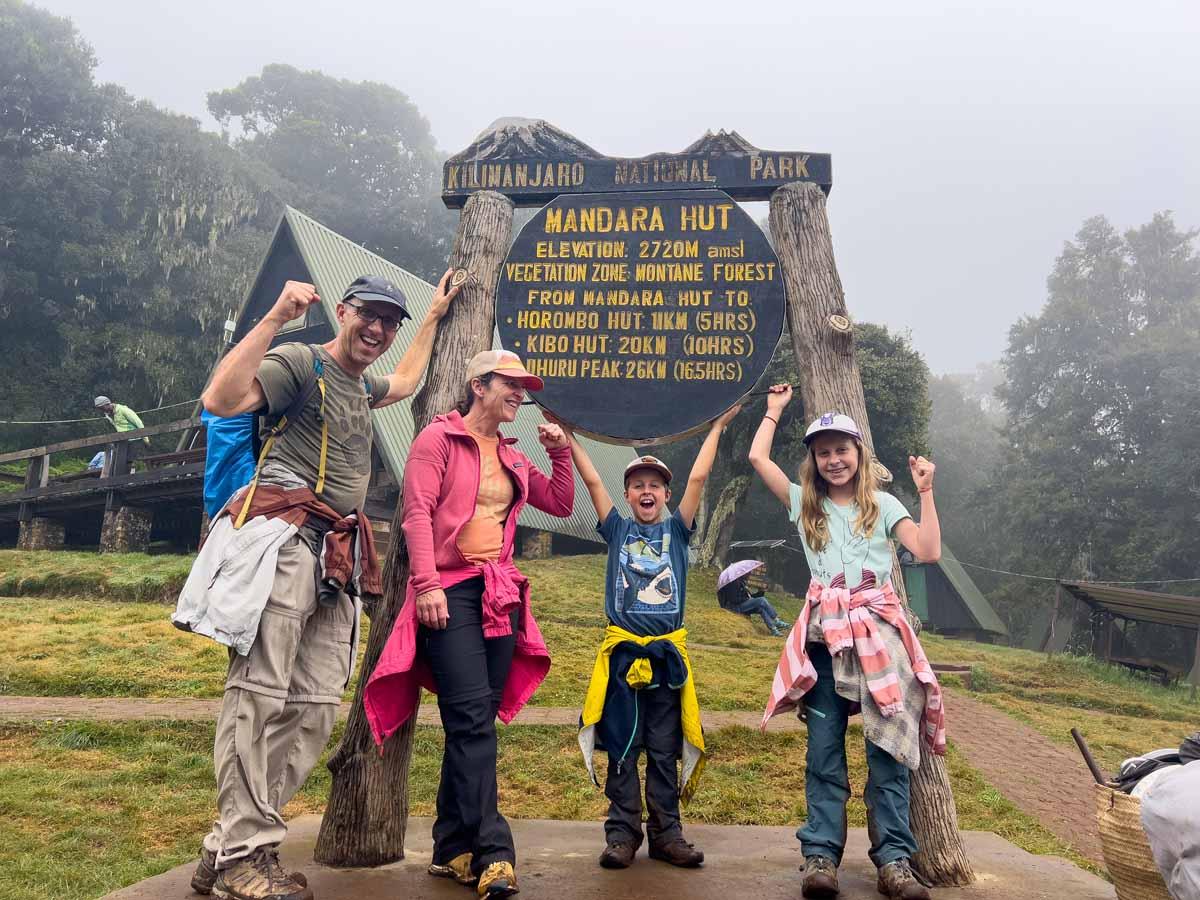
Yes, teenagers can climb Mount Kilimanjaro, and many of them actually perform very well on the mountain. Climbers between the ages of 10 and 18 successfully reach the summit every year when they are properly prepared and guided. Teenagers often have strong energy and good physical fitness, which can help during long trekking days. However, success on Kilimanjaro is not only about strength. Preparation plays a very important role. Teenagers who train before the climb, stay well-hydrated, take enough rest days for acclimatization, and follow guide instructions usually have a much better experience. One important factor for younger climbers is patience. Kilimanjaro is not a race, and moving too fast increases the risk of altitude sickness. That is why experienced guides always remind climbers to go “Pole Pole” (slowly, slowly). This slow pace allows the body to adjust gradually to the high altitude and greatly improves the chances of reaching the summit safely. With the right support, teenagers can enjoy a safe and successful Kilimanjaro adventure.
Absolutely. Older adults can and do climb Mount Kilimanjaro successfully every year. Many climbers in their 50s, 60s, and 70s reach the summit, and there are even cases of people in their 80s completing the trek. On Kilimanjaro, age is not the main factor that determines success. What matters most is overall health, fitness level, and proper preparation. A well-prepared older climber who trains regularly and chooses a good route can often perform better than a younger person who is not physically ready. Important factors for older climbers include heart and lung health, stamina, mental determination, and allowing enough time for acclimatization. Choosing a longer route with gradual ascent can also make a big difference in comfort and success. With proper planning and medical clearance where needed, age should never be seen as a barrier to climbing Kilimanjaro.
Over the years, Mount Kilimanjaro has seen remarkable achievements from senior climbers who have challenged age expectations. Some of the oldest climbers have successfully reached Uhuru Peak, proving that determination and preparation matter more than age. These record-breaking climbs show that Kilimanjaro is not only a young person’s adventure but a mountain that welcomes people of many generations. While such achievements are rare, they highlight the importance of training, pacing, and choosing the right support team. Senior climbers who succeed usually take longer routes, move slowly, and focus on acclimatization rather than speed. Their success demonstrates that with the right mindset and preparation, even older adventurers can experience the incredible feeling of standing on the Roof of Africa.
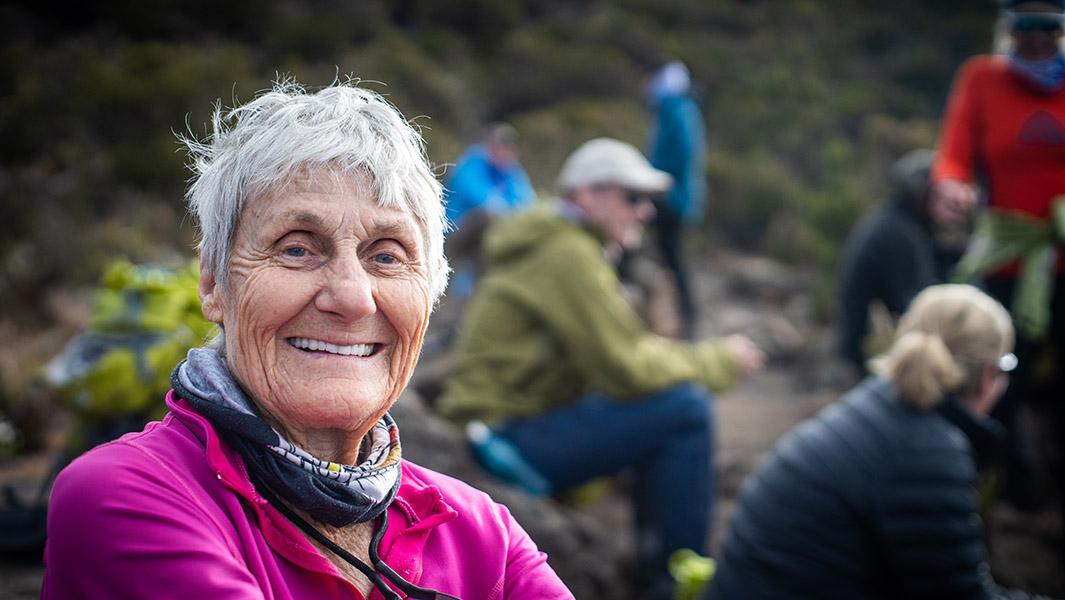
Older adults who are planning to climb Mount Kilimanjaro should take health preparation seriously before booking the trek. While many senior climbers successfully reach the summit each year, proper medical advice is an important first step to ensure safety and comfort throughout the journey. Before the climb, it is strongly recommended to speak with a doctor, especially to assess heart health. Kilimanjaro involves several days of continuous hiking at increasing altitude, where oxygen levels gradually decrease. For this reason, people with known heart conditions or a history of cardiovascular issues should seek medical clearance before attempting the mountain.
Blood pressure is another important factor to consider. At higher elevations, the body works harder to supply oxygen, which can sometimes affect blood pressure levels, particularly above 4,000 meters. Regular monitoring and medical guidance can help reduce potential risks during the climb. Joint and knee strength also play a major role, especially during the descent. Many climbers find that going downhill is more physically demanding than climbing up because of the pressure placed on the knees. For this reason, trekking poles are highly recommended, as they reduce strain and improve balance on steep or uneven terrain. Lung capacity should also be considered, especially for climbers with asthma or other breathing conditions. However, many people with well-controlled asthma successfully complete Kilimanjaro climbs by following proper medication routines and pacing strategies. Consulting a healthcare professional before the trip ensures the best preparation.
Age alone does not determine whether someone will reach the summit of Kilimanjaro. In fact, research and guide experience consistently show that acclimatization, route selection, and preparation are far more important factors than age. Longer routes are generally recommended because they give the body more time to adjust to altitude changes. This gradual ascent significantly increases the chances of reaching Uhuru Peak, especially for older climbers or those who prefer a slower pace.
Some routes are better suited for senior climbers due to their slower ascent profiles and better acclimatization opportunities. The Machame Route is a popular choice because it offers good acclimatization and beautiful scenery throughout the trek. The Lemosho Route is often considered one of the best options for older climbers because it provides a longer itinerary, allowing the body more time to adjust to altitude changes, which improves comfort and summit success rates. The Northern Circuit Route is the longest route on Kilimanjaro and offers the best acclimatization experience. It has one of the highest summit success rates, making it an excellent option for seniors who want a more gradual and safer climb.
The Marangu Route, while more comfortable in terms of hut accommodation, has a faster ascent profile. This shorter acclimatization time can make it more challenging for some climbers, especially older adults. The Umbwe Route is the most direct and steep route on Kilimanjaro. It is physically demanding and is generally not recommended for beginners or senior climbers due to its rapid altitude gain and tough terrain.
Preparation is essential for all climbers, but training approaches may differ depending on age. Younger climbers benefit from building stamina through long walks, carrying light backpacks, and learning discipline for mountain trekking. Adults should focus on endurance training, cardio exercises, and strengthening their legs and core to handle long hiking days. Senior climbers are encouraged to train consistently for several months before the climb, focusing on walking endurance, uphill hiking practice, and using trekking poles during training to prepare joints for the descent. Regardless of age, the more prepared the body is, the more enjoyable and successful the Kilimanjaro experience becomes.
Climbing Kilimanjaro is not only a physical challenge but also a mental one. Summit night is often the most difficult part of the journey due to freezing temperatures, strong winds, fatigue, and low oxygen levels. In these moments, mental strength becomes extremely important. Determination, patience, and a positive mindset often matter more than physical strength or age. Many older climbers succeed because they remain calm, focused, and steady throughout the climb.
Success on Kilimanjaro depends on smart preparation. Choosing a longer route helps with acclimatization, while climbing slowly allows the body to adjust naturally to altitude. Staying hydrated, eating properly even when appetite is low, and following guide instructions all play a major role in reaching the summit. Training before the trek builds endurance; while listening to experienced guides ensures safety decisions are made correctly throughout the journey. Adding extra acclimatization days can also significantly increase the chances of success.
Yes, a 10-year-old can climb Mount Kilimanjaro because this is the official minimum age set by park authorities. However, success depends heavily on preparation, fitness, and support from guides and family. At this age, children must be physically active, used to long walks, and able to handle cold conditions and long trekking days. The climb is challenging even for adults, so younger climbers need a slower pace, enough rest days, and careful monitoring for altitude sickness. With proper planning and a responsible tour operator, many 10-year-old climbers successfully reach the summit.
Yes, a 70-year-old can climb Kilimanjaro, and many have successfully reached Uhuru Peak. Age alone is not a barrier if the climber is healthy and well-prepared. Older climbers often succeed by choosing longer routes that allow gradual acclimatization and reduce physical strain. Medical check-ups before the trek are very important, especially for heart, lung, and blood pressure conditions. Slow walking, proper hydration, and listening to guides are key. With the right mindset and preparation, many seniors find Kilimanjaro achievable and deeply rewarding.
Kilimanjaro can feel more physically demanding for older climbers, but it is not necessarily harder when preparation is done correctly. The main challenge is altitude, not age. Older climbers may take slightly longer to recover from fatigue or muscle strain, especially during long trekking days and the steep descent. However, by choosing a longer route, maintaining a slow pace, and training before the climb, many older climbers perform just as well as younger ones. Experience, patience, and discipline often give older climbers an advantage.
On Kilimanjaro, age is far less important than fitness, health, acclimatization, route selection, and mental strength. A well-prepared climber in their 60s can succeed more easily than an untrained young adult. Proper training improves stamina, while good acclimatization reduces altitude sickness risk. Choosing the right route gives the body time to adjust gradually. Mental strength is also crucial, especially during summit night when conditions are cold and exhausting. Ultimately, preparation and mindset matter far more than the number of years a person has lived.
No, there is no official maximum age limit for climbing Kilimanjaro. As long as a climber is medically fit and physically prepared, they are allowed to attempt the mountain regardless of age. Many climbers in their 60s, 70s, and even older have successfully reached the summit. The key is proper medical clearance, choosing a suitable route, and training in advance. With the right preparation and support from experienced guides, even senior climbers can safely enjoy the journey to the Roof of Africa.
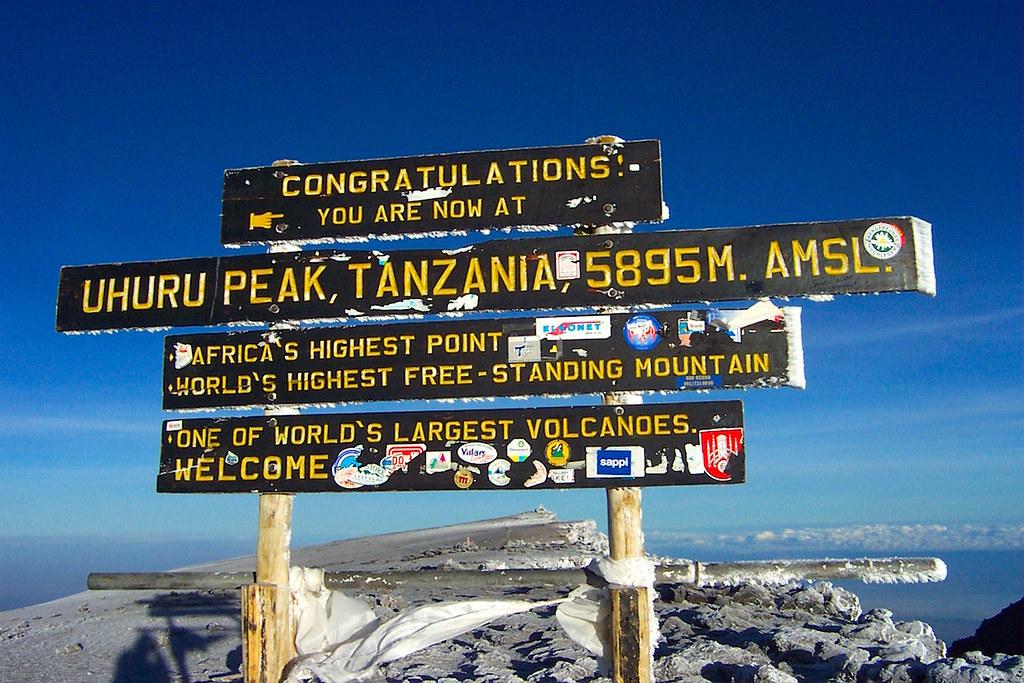
So, are there age limitations for climbing Mount Kilimanjaro? The answer is simple: there is a minimum age of 10 years, but no maximum age limit. From teenagers to senior adventurers, anyone can climb the mountain with proper preparation, good health, and the right mindset. Success on Kilimanjaro depends far more on fitness, acclimatization, and determination than on age itself.
Ready to Climb Kilimanjaro in 2026–2027?
With us, we support climbers of all ages with experienced local guides, quality equipment, and personalized trekking services to help you safely reach the Roof of Africa.
For bookings and inquiries:
📧 Email: redetours2005@gmail.com
📱 WhatsApp: +255 676 063 791