

Climbing Mount Kilimanjaro is a dream adventure for many trekkers around the world, but one of the most common questions is whether it is worth attempting the climb during the rainy season. Kilimanjaro, standing at 5,895 meters (19,341 feet), experiences distinct wet and dry seasons that can significantly affect trekking conditions, visibility, summit success rate, and overall safety on the mountain. While most climbers prefer the dry seasons for clearer skies and more stable trails, the rainy months still attract adventurous trekkers who want fewer crowds, lower prices, and a more peaceful, authentic mountain experience. However, conditions such as muddy trails, slippery terrain, and reduced visibility can make the trek more physically demanding and challenging. Understanding the advantages and challenges of climbing during the rainy season, along with proper preparation, gear selection, and route choice, is essential before making your decision.
Kilimanjaro has two main rainy seasons:
Long rains: March to May
Short rains: November to mid-December
During these months, the mountain experiences increased cloud cover, frequent rainfall at lower elevations, and snowfall at higher altitudes. However, weather conditions can still vary, and rain does not fall continuously throughout the day.
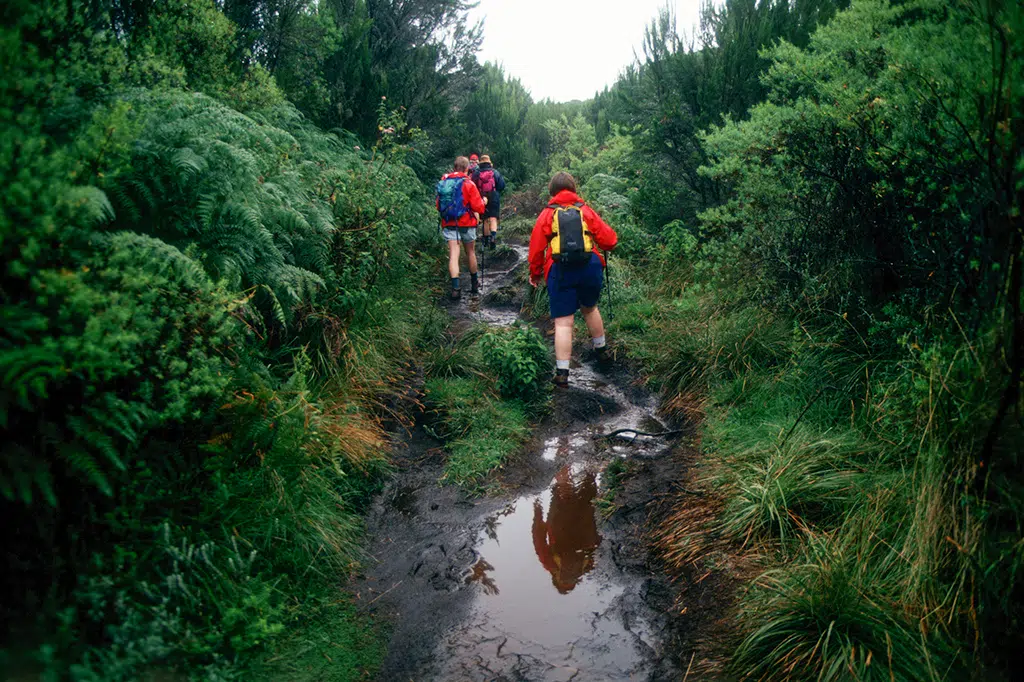
Climbing Kilimanjaro during the rainy season is very different from the dry season experience. The lower slopes are often muddy, slippery, and humid, especially in the dense rainforest zone, where heavy vegetation and frequent rainfall make trails more challenging to navigate. Visibility may be reduced due to thick clouds, mist, and low-hanging fog, and hikers should expect wet, cold, and unpredictable conditions for much of the trek. As climbers ascend higher, temperatures drop significantly, and rain can turn into snow, ice, or freezing winds near the summit zone, especially around Uhuru Peak. Despite these tough conditions, many trekkers still successfully reach the summit during the rainy season with proper preparation, quality waterproof gear, experienced guides, and strong acclimatization support, proving that success is still possible with the right planning and mindset.
Although it is less popular, climbing Kilimanjaro in the rainy season offers several unique benefits:
One of the biggest advantages is fewer climbers on the mountain. Popular routes such as the Machame Route and Marangu Route are much quieter, allowing for a more peaceful and personal trekking experience.
Many tour operators offer discounted rates during the rainy season. This makes it a more budget-friendly option for travelers who want to experience Kilimanjaro at a lower cost.
The rainforest and lower slopes are incredibly green and vibrant during the rainy season. Waterfalls are stronger, vegetation is lush, and the landscape feels alive and fresh.
For experienced trekkers, the rainy season adds an extra level of challenge and adventure, making the summit experience even more rewarding.
Despite its advantages, there are also important challenges to consider:
Rain makes trails muddy and difficult to navigate, especially in the rainforest zone. Hiking poles and waterproof boots become essential.
Cloud cover and mist can block mountain views, reducing the scenic experience that Kilimanjaro is famous for.
Climbers must deal with wet clothing, colder temperatures, and higher humidity at lower elevations, which can make trekking less comfortable.
Slippery ground and wet conditions require more energy and concentration, making the trek feel more demanding.
Rain itself does not directly affect summit success as much as altitude acclimatization does, which remains the most important factor for reaching Uhuru Peak. The key challenge on Mount Kilimanjaro is how well your body adapts to decreasing oxygen levels at high altitude, rather than the weather alone. However, difficult weather conditions during the rainy season can still make the journey more physically demanding and mentally exhausting, especially on steep or slippery sections of the trail. Routes with longer itineraries such as the Lemosho Route or Northern Circuit Route are generally better choices during the rainy season because they provide more acclimatization days, a slower ascent, and improved summit success rates. In contrast, shorter routes like the Marangu Route or Umbwe Route may feel significantly more difficult under wet conditions due to faster altitude gain, reduced stability on trails, and limited time for the body to adjust.
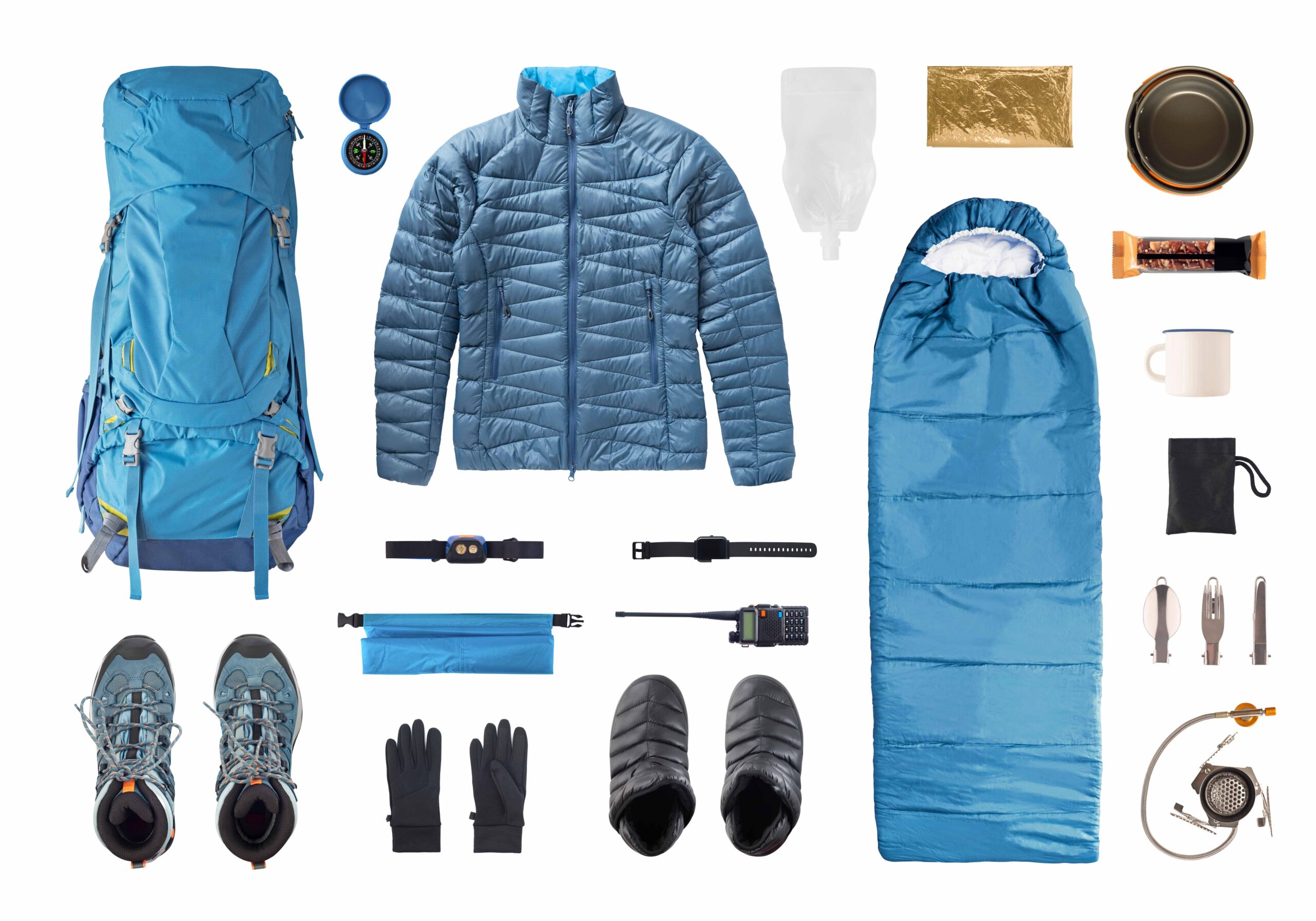
Climbing Mount Kilimanjaro during the rainy season requires good preparation and the right gear. Always bring high-quality waterproof clothing, including a jacket, pants, and waterproof boots to stay dry on muddy and slippery trails. Using trekking poles is highly recommended for better balance, especially in the rainforest zone where paths can be very wet. Choose longer routes such as the Lemosho Route or Northern Circuit Route because they offer better acclimatization and improve your chances of reaching the summit safely. Always follow the “pole pole” (slowly slowly) rule to conserve energy and adjust to altitude properly. It is also important to pack extra dry clothes, socks, and rain protection for your backpack. Most importantly, climb with an experienced guide who understands mountain weather conditions and can ensure your safety during the trek.
Proper gear is extremely important if you plan to climb during the rainy season. Essential items include:
Staying dry is key to maintaining comfort and preventing fatigue during the climb.
Yes-climbing Kilimanjaro during the rainy season can be worth it, but it depends on your priorities.
It is a great option if you:
However, it may not be ideal if you:
For many trekkers, the rainy season offers a more private and authentic mountain experience, even if it is more physically demanding.
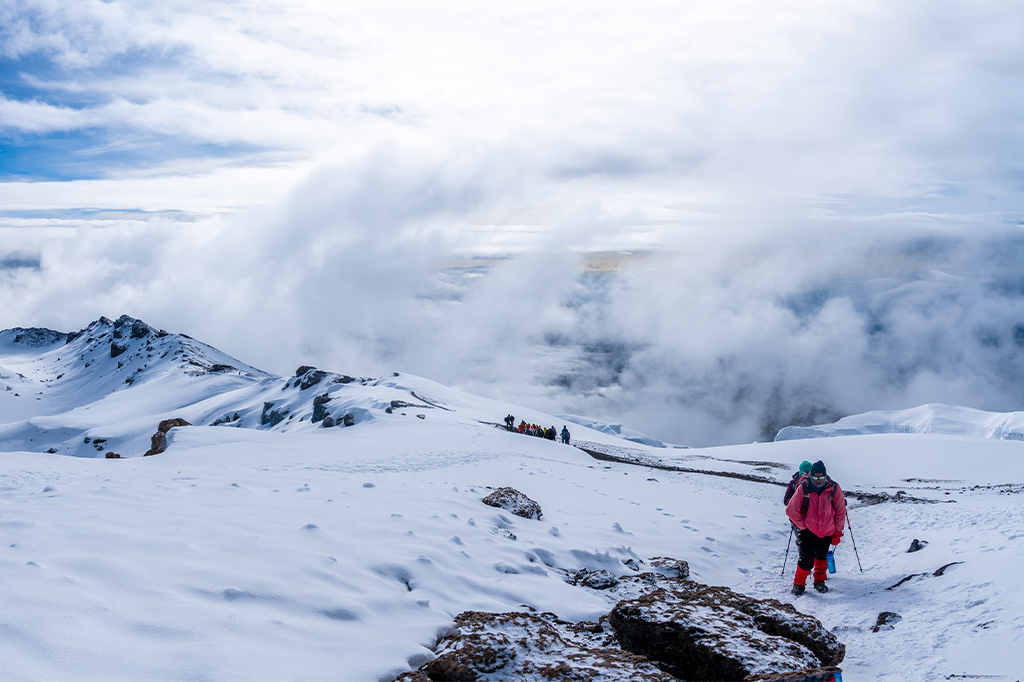
Climbing Mount Kilimanjaro during the rainy season is absolutely possible and can be a rewarding experience for well-prepared trekkers. While conditions are more challenging due to rain, mud, and reduced visibility, the benefits of fewer crowds, lower prices, and lush scenery make it appealing for adventurous climbers. Ultimately, whether it is worth it depends on your expectations and tolerance for challenging weather. If you are prepared with the right gear, mindset, and route choice, the rainy season can still offer a successful and unforgettable journey to the Roof of Africa.
Book Your Kilimanjaro Adventure
Ready to plan your Kilimanjaro climb?
For bookings and inquiries:
📧 Email: redetours2005@gmail.com
📱 WhatsApp: +255 676 063 791