
Climbing Mount Kilimanjaro is widely considered one of the greatest trekking adventures in the world and a once-in-a-lifetime achievement for many travelers. Standing at the highest point in Africa, the journey challenges both the body and mind, but it also rewards climbers with unforgettable scenery, diverse ecosystems, and a true sense of accomplishment. Many first-time climbers often worry that they are not fit enough to attempt the climb. However, the truth is that with proper preparation, steady training, and the right mindset, most healthy individuals can successfully reach the summit. You do not need to be an elite athlete or professional hiker to climb Kilimanjaro. What truly matters is building good endurance, strengthening your legs, and preparing your body to walk for several hours a day over multiple consecutive day. It is also important to adapt mentally to slower movement and changing altitude conditions as you ascend through different climate zones.
This guide will take you step by step through the most effective ways to prepare your body and mind so you can feel confident, ready, and fully prepared for your Kilimanjaro adventure.
A structured training plan is one of the most effective ways to prepare for climbing Mount Kilimanjaro. Instead of trying to do everything at once, you gradually build your fitness step by step so your body adapts safely and steadily to long-distance hiking, steep terrain, and endurance demands.
During the first month, the main goal is to create a strong fitness foundation and build consistency in your routine. Start with regular walking sessions at a comfortable pace, aiming for about 5–7 km per walk, several times per week. At this stage, you should focus on developing a habit rather than pushing speed or intensity. If possible, include light stair climbing or gentle uphill walking to begin activating the muscles you will use on the mountain. This phase is all about preparing your body to move regularly and comfortably for longer periods of time.
In the second phase, you start increasing both distance and intensity. Gradually extend your walks to 8–12 km and begin incorporating more challenging terrain such as hills, trails, or uneven surfaces. Weekend hikes become especially important during this stage because they simulate real trekking conditions inside Kilimanjaro National Park. You should also begin training with a light backpack weighing around 3–5 kg. This helps your shoulders, back, and legs adjust to carrying equipment during long hiking days.
The final stage focuses on building stamina and preparing your body for consecutive days of trekking. At this point, you should be able to handle longer hikes on back-to-back days to simulate the multi-day nature of the climb. Increase your backpack weight to around 8–10 kg to match real trekking conditions. Long hikes help your body adapt to fatigue, while consecutive-day training teaches your muscles how to recover more quickly. This phase is essential for building the endurance needed for the long ascent and descent sections of Kilimanjaro routes.
By the end of this stage, your body should feel more prepared, stronger, and more confident for the challenge ahead.
.webp)
The most important and effective training for climbing Mount Kilimanjaro is simple, consistent walking. Although it may sound basic, walking is the exact movement you will be doing for many hours each day on the mountain, so your body must become fully comfortable with long-distance hiking. During the climb, you will often walk for 6–8 hours a day, sometimes even longer depending on the route and pace. Because of this, your legs, feet, and overall stamina need to adapt to sustained physical effort over time. The more you train your body to walk regularly, the easier the real trek will feel.
It is especially important to practice walking on uphill paths, hills, or uneven ground rather than only flat surfaces. Kilimanjaro is not a flat hike it involves continuous ascent, rocky trails, and changing terrain inside Kilimanjaro National Park. Training on varied terrain helps prepare your muscles, improves your breathing efficiency, and builds the endurance needed for long climbing days. It also strengthens your joints and improves balance, which becomes very important during both uphill and downhill sections of the mountain.
In simple terms, the more you walk now, the stronger and more comfortable your body will feel when you are actually on the mountain.
Strong muscles make climbing easier and significantly reduce fatigue during long trekking days on Mount Kilimanjaro. Strength training helps your body handle steep climbs, uneven terrain, and long downhill sections while protecting your joints and improving overall stability throughout the journey.
Focus on exercises such as:
These exercises work together to prepare your body for the physical demands of long trekking days inside Kilimanjaro National Park, where endurance, strength, and stability are all equally important.
Cardio training is very important when preparing for climbing Mount Kilimanjaro because it strengthens your heart, lungs, and overall stamina. As you climb higher, oxygen levels decrease, so good cardio fitness helps your body cope better with reduced oxygen and long walking hours.
Good activities include:
Try to train 3–5 times per week for 30–60 minutes. Consistent cardio training helps your body adapt to long hiking days, improves breathing efficiency, and makes it easier to handle the physical demands of high-altitude trekking.
Many beginners forget this important but very practical step when preparing for climbing Mount Kilimanjaro. During the actual climb, you will carry a small daypack containing essentials such as water, snacks, extra clothing, rain gear, and personal items you may need during long hiking hours. Training with a backpack helps your body adjust to the real weight and pressure you will feel on the mountain. Without this preparation, your shoulders, back, and neck may feel tired quickly during the first days of the trek.
Start by walking with a light bag weighing around 3–5 kg. This allows your body to slowly adapt to carrying weight while walking for long distances. As your strength improves, gradually increase the weight to about 8–10 kg to simulate real trekking conditions. This type of training strengthens your shoulders, improves posture, and builds endurance in your back muscles. It also helps you understand how your body reacts to carrying weight for several hours, especially on uphill sections inside Kilimanjaro National Park.
By practicing with a backpack before your trip, you reduce discomfort, prevent unnecessary strain, and make your overall Kilimanjaro experience much smoother and more enjoyable.
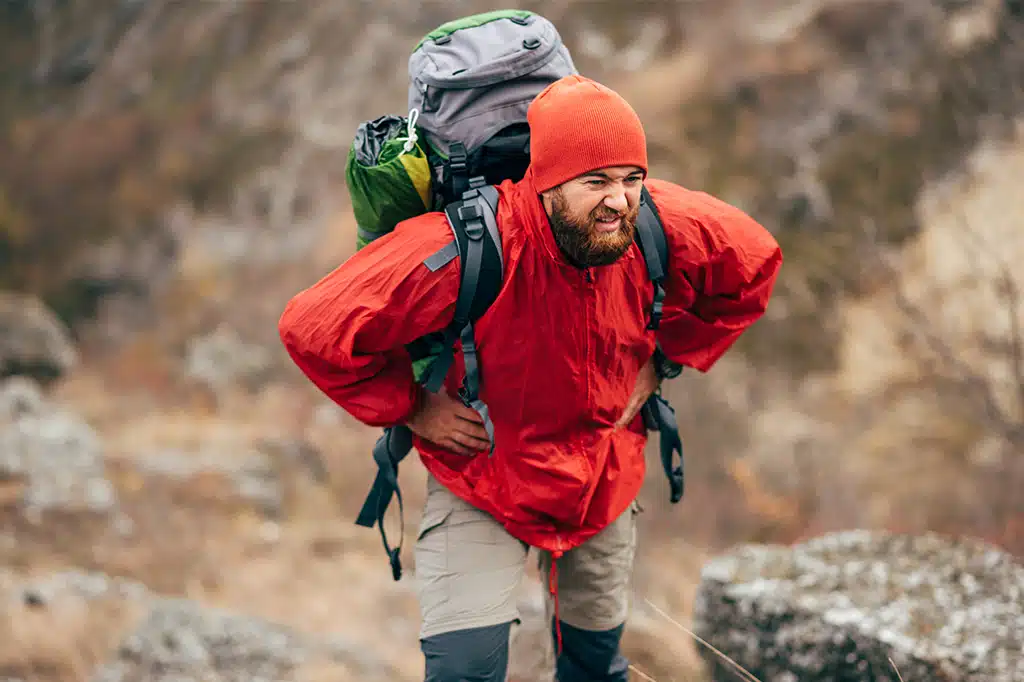
On Mount Kilimanjaro, you will be hiking for several days in a row without full rest days in between. This means your body must learn how to keep moving even when it is already tired from the previous day’s effort. To prepare for this, it is very important to practice hiking on consecutive days. For example, you can go for a long hike on Saturday and then repeat another hike on Sunday. This type of training helps your body experience real trekking conditions similar to what you will face on the mountain. Doing back-to-back hikes improves your recovery speed, strengthens your endurance, and teaches your muscles to keep working even when they are already fatigued. It also helps reduce soreness over time and builds mental toughness, which is just as important as physical strength during long climbs inside Kilimanjaro National Park.
By consistently training on consecutive days, your body becomes more prepared for the demanding schedule of Kilimanjaro trekking, making the overall climb feel more manageable and less exhausting.
Before climbing Mount Kilimanjaro, it is very important to test and break in all your hiking gear during training. Many beginners make the mistake of using brand-new equipment on the mountain, which often leads to discomfort, pain, or even injuries during the climb.
Also practice with:
By training with your full gear before the climb, you reduce surprises on the mountain and make your trekking experience much smoother, safer, and more comfortable from the very first day. Never use brand-new gear on the climb.
One of the most important things to prepare for when climbing Mount Kilimanjaro is the effect of high altitude. As you go higher, the air becomes thinner and oxygen levels decrease, which can affect how your body feels even if you are physically fit.
At higher elevations inside Kilimanjaro National Park, you may experience slower breathing, reduced energy, headaches, or mild fatigue. This is normal and happens to many climbers because the body needs time to adjust to lower oxygen levels. The key to managing altitude is to move slowly and steadily. Climbers are often advised to walk at a relaxed pace (“pole pole”) and avoid rushing, as going too fast can make altitude effects stronger. Taking regular breaks and drinking enough water also helps the body adjust more comfortably. It is important to understand that fitness alone does not fully prevent altitude challenges. Even very fit people can feel the effects of high altitude, which is why patience, proper pacing, and following your guide’s instructions are essential for a safe and successful climb.
Proper nutrition and hydration are essential when preparing for climbing Mount Kilimanjaro because your body needs steady energy, strong muscles, and good recovery ability to handle long trekking days and changing altitude conditions. During training, your diet should support endurance and muscle strength. Balanced meals help your body build stamina and stay active during long walks and workouts.
Good hydration is especially important for altitude adaptation. When climbing inside Kilimanjaro National Park, your body loses water faster due to cold air, physical effort, and breathing at higher elevations. Staying well-hydrated helps improve circulation, supports oxygen delivery in the body, and reduces the risk of altitude-related discomfort.
In simple terms, good food and enough water keep your body strong, energetic, and ready for the physical and environmental challenges of Kilimanjaro.
Many climbers make simple mistakes that affect their performance:
Avoiding these mistakes makes your training more effective and safer.
Yes, beginners can absolutely climb Mount Kilimanjaro, and many first-time trekkers successfully reach the summit every year. One of the most important things to understand is that you do not need any technical mountaineering skills such as ropes, ice climbing, or special equipment experience. The climb is mainly a long trekking journey, which means it is more about endurance, patience, and mental strength than advanced technical ability. With basic fitness, proper preparation, and the right attitude, most healthy beginners are capable of completing the challenge.
What matters most is your willingness to walk slowly and steadily every day, especially as you gain altitude inside Kilimanjaro National Park. The famous climbing pace “pole pole” (slowly, slowly) is very important for success and helps your body adjust naturally to changing oxygen levels.
With good training, consistent preparation, and proper guidance, beginners can absolutely succeed in reaching the summit and enjoy one of the most rewarding adventures in the world.
Climbing Mount Kilimanjaro is not only a physical challenge but also a strong mental test. Even well-prepared climbers can find the journey demanding because of long walking hours, cold temperatures at night, and the slow pace required at high altitude. As you ascend through different climate zones inside Kilimanjaro National Park, progress may feel slower than expected. This is normal, and it requires patience and a positive mindset to keep moving forward each day. Mental strength is built through accepting that the climb is not about speed, but about steady progress. Trusting your guides is also very important, as they understand the mountain conditions, set a safe pace, and know how to support climbers through difficult moments. Staying positive, focused, and taking each step one at a time (“step by step” mindset) helps you overcome fatigue and motivation challenges. In many cases, it is mental determination not physical strength alone that ultimately helps climbers reach the summit successfully.
Training for Mount Kilimanjaro does not need to be complicated, but it must be consistent and well-planned. Simple activities like regular walking, strength training, cardio workouts, and mental preparation all work together to build the fitness and confidence you need for the climb.
Every step of preparation you take improves your chances of success. The more consistent you are, the easier the long hiking days, altitude changes, and physical demands will feel once you are on the mountain. With the right mindset and steady training, even beginners can achieve this incredible goal. Climbing Africa’s highest mountain is more than just a physical challenge it is a life-changing experience that rewards determination, discipline, and courage.
Now is the best time to turn your dream into reality. Start your training early, stay committed, and prepare yourself step by step for the adventure ahead. If you are serious about reaching the summit, begin planning your climb today, choose your preferred route, and take the first step toward standing on the Roof of Africa.
For inquiries, bookings, or more information about climbing Mount Kilimanjaro and trekking preparations:
You can reach out to get help with route selection, training advice, packing lists, and full Kilimanjaro climbing arrangements.