
Mount Kilimanjaro is one of the world’s most famous trekking destinations and Adfrica’s highest mountain, standing at 5,895 meters (19,341 feet). Every year, thousands of climbers from around the world travel to Tanzania to experience the challenge of reaching the summit, known as Uhuru Peak. One common question many travelers ask before booking a trek is: “How many people have died on Kilimanjaro?” While Kilimanjaro is considered a non-technical climb compared to mountains like Everest, it still presents serious risks due to altitude, weather conditions, and physical challenges. In this article, we will explore how many people die on Kilimanjaro, the main causes of deaths, how dangerous the climb really is, and how climbers can stay safe.
Although there is no exact official number released every year, estimates suggest that between 3 to 10 people die on Mount Kilimanjaro annually. Some reports indicate that around 10 deaths occur per year, but the number can vary depending on weather, trekking conditions, and climber health. Considering that approximately 35,000 to 50,000 people attempt to climb Kilimanjaro every year, the death rate is relatively low compared to many other high mountains. Most climbers successfully complete the trek without major issues, especially when they choose experienced guides and proper acclimatization routes.
Most deaths on Kilimanjaro are not caused by falls or accidents. Instead, they are usually related to altitude sickness and medical emergencies.
The most common cause of serious illness and death on Kilimanjaro is Acute Mountain Sickness (AMS), which happens when the body struggles to adjust to high altitude. At high elevations, oxygen levels become lower, making breathing harder. Some climbers may develop severe altitude-related illnesses such as:
Symptoms may include:
If symptoms worsen and a climber does not descend quickly, the situation can become life-threatening.
Some climbers on Kilimanjaro have existing or hidden health issues such as heart disease, asthma, high blood pressure, or diabetes. At high altitude, oxygen levels drop and the body must work harder to function normally. This can place extra stress on the heart, lungs, and circulation system, sometimes triggering serious complications. Even people who feel healthy at sea level may struggle once they reach higher elevations. Because of this, a medical check-up before the climb is strongly recommended. Climbers should also inform their guides about any medical conditions or medications so they can be properly monitored and supported during the trek. Good preparation helps reduce risks and improves safety.
Although Kilimanjaro is near the equator, summit conditions can be extremely cold, especially at night. Temperatures often drop below freezing, with strong winds, snow, and icy trails making the climb more difficult. These conditions can lead to hypothermia, where the body loses heat faster than it can produce it. Symptoms include shivering, confusion, weakness, and poor coordination. Without proper clothing, the risk increases. Climbers should wear thermal layers, waterproof jackets, gloves, hats, and insulated boots to stay warm. Proper gear and preparation are essential for safety in harsh mountain weather.
Kilimanjaro does not require technical climbing skills, but accidents can still happen. Trails can be steep, rocky, muddy, or slippery, especially during rain or on descent after summit night. Many slips occur when climbers are tired and less focused. Poor footwear or rushing can increase the risk of injury. Using trekking poles, wearing strong hiking boots, and following guide instructions carefully helps prevent accidents. Walking slowly and staying alert is key to staying safe on the mountain.
Compared to technical mountains such as Mount Everest, Kilimanjaro is considered moderately safe, especially because climbers do not need ropes, ice axes, or advanced mountaineering experience. However, the altitude should never be underestimated. Many people think Kilimanjaro is “easy” because it is a walking mountain, but the biggest challenge is adjusting to the high altitude. In fact, many climbers fail to reach the summit due to altitude sickness rather than lack of fitness. The key to safety is proper preparation and choosing the right route.
Routes with more days for acclimatization generally have higher success rates and lower health risks. Some of the best routes for safer acclimatization include:
Shorter itineraries, especially rushed climbs, increase the risk of altitude sickness.
Yes, many first-time trekkers successfully climb Kilimanjaro every year. You do not need technical climbing experience, but preparation matters. Beginners should choose routes with better acclimatization and avoid very short itineraries. With the right guide company, proper gear, and enough time on the mountain, Kilimanjaro can be a safe and unforgettable experience.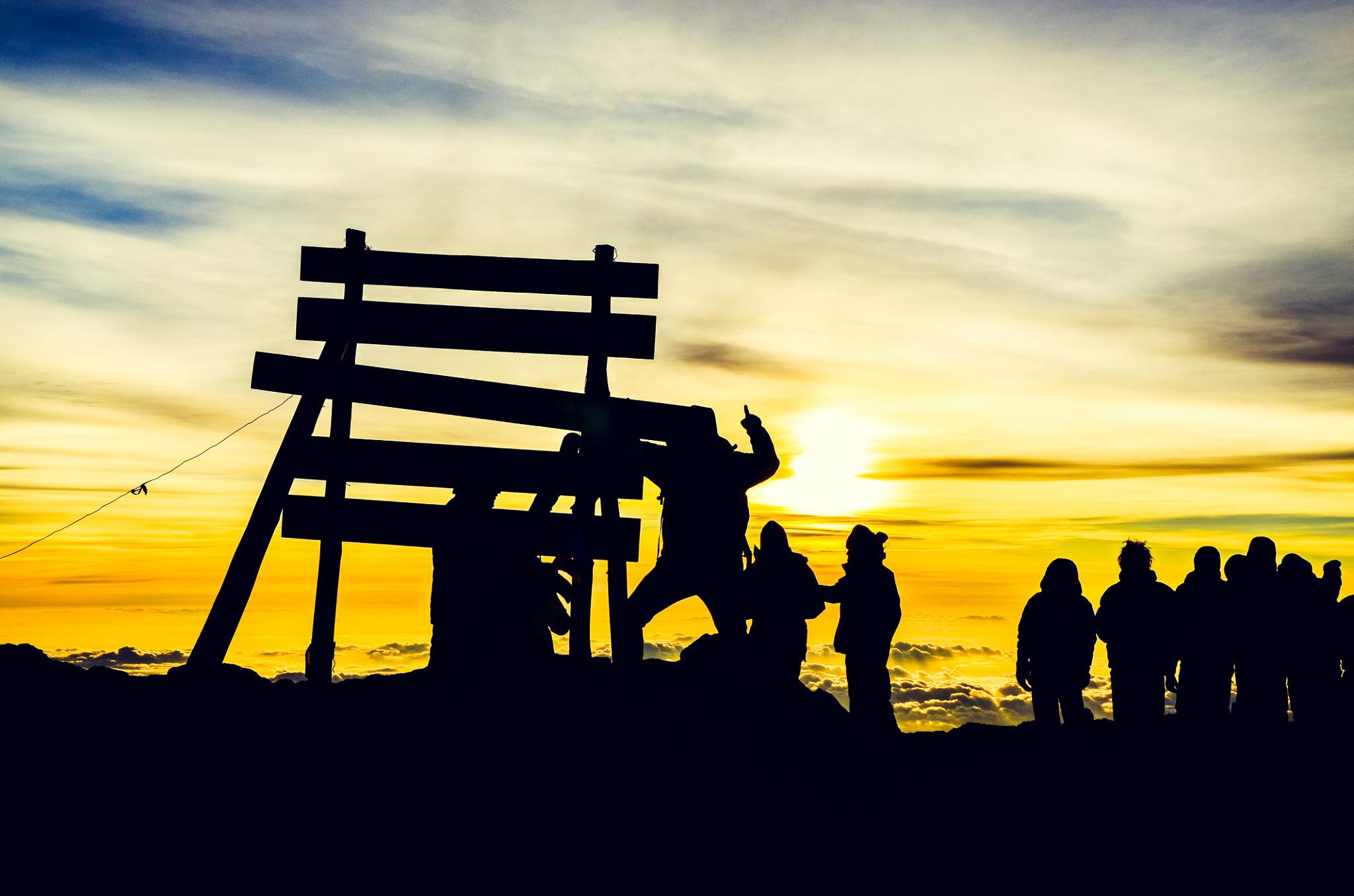
So, how many people die on Kilimanjaro? Estimates suggest around 3–10 people per year, mostly due to altitude sickness and medical complications. While any mountain climb carries some risk, Kilimanjaro remains one of the safer high-altitude mountains when climbed responsibly. The best way to stay safe is to choose a trusted tour operator, allow enough acclimatization time, climb slowly, and listen to your guides. For most climbers, reaching the Roof of Africa is not only possible it becomes one of the greatest achievements of their lives.
Plan Your Safe Kilimanjaro Adventure
Choosing the right trekking company can make a huge difference in safety and summit success.
For bookings and inquiries:
📧 Email: redetours2005@gmail.com
📱 WhatsApp: +255 676 063 791
Book your guided Kilimanjaro climb today and experience the adventure safely with professional mountain experts.