

Climbing Mount Kilimanjaro is one of the greatest adventures in the world. Standing at 5,895 meters (19,341 feet), Kilimanjaro is the highest mountain in Africa and one of the most famous trekking destinations for travelers seeking a once-in-a-lifetime experience. However, one of the first questions many climbers ask before booking their trek is: How many days does it take to climb Mount Kilimanjaro? The answer depends on the route you choose, your fitness level, acclimatization needs, and your goal for summit success. While some climbers attempt shorter itineraries, most experts recommend taking more days to increase your chances of safely reaching the summit. In this guide, we explain everything you need to know about how long it takes to climb Mount Kilimanjaro, the best number of days to choose, and why longer itineraries often lead to higher summit success rates.
On average, climbing Mount Kilimanjaro takes 5 to 9 days, depending on the route selected. Some routes are shorter and more challenging, while others are longer and designed for better acclimatization. Although it is possible to climb Kilimanjaro in just 5 days, most climbers choose 7 or 8 days because longer itineraries provide more time for the body to adjust to high altitude, reducing the risk of altitude sickness. Below is a general breakdown of Kilimanjaro climbing durations:
These are shorter itineraries and are generally more physically demanding due to faster altitude gain. Climbers have less time to acclimatize, making altitude sickness more common.
This is considered the best duration for most trekkers. It offers a balance between comfort, acclimatization, and summit success.
Longer climbs are ideal for beginners, older climbers, photographers, or travelers who want a slower pace and maximum acclimatization.
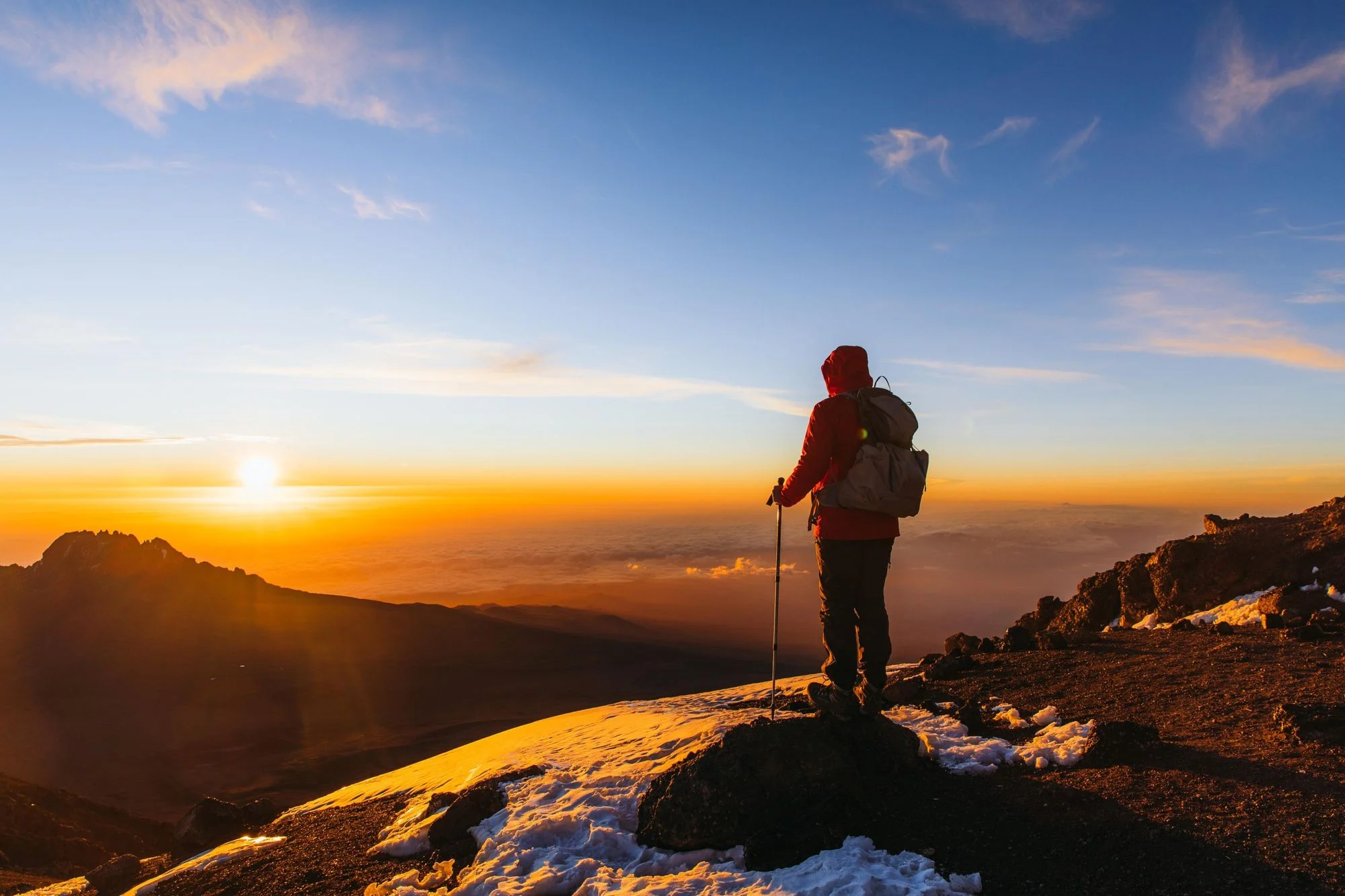
Different Kilimanjaro routes require different climbing durations. Here is how long each route usually takes:
The Marangu Route, often called the “Coca-Cola Route,” is one of the oldest and most popular routes on Mount Kilimanjaro and is especially known for being the only route that offers hut accommodation instead of camping. This route approaches the mountain from the southeastern side and provides dormitory-style huts at Mandara, Horombo, and Kibo camps, making it attractive for climbers who prefer more comfort and protection from cold or rain during the trek. The Marangu Route can be completed in either 5 or 6 days, but most experienced operators recommend the 6-day itinerary because it includes an extra acclimatization day at Horombo Hut, which helps the body adjust to higher altitude and improves summit success. While some people consider Marangu one of the easier routes because of the sleeping huts and relatively gradual trail, its shorter acclimatization profile can make summit night more difficult for climbers who choose the faster 5-day itinerary.
The Machame Route, commonly referred to as the “Whiskey Route,” is one of the most scenic and highly recommended Kilimanjaro routes due to its beautiful landscapes, excellent acclimatization opportunities, and high summit success rates. Beginning on the southwestern side of the mountain, this route passes through lush rainforest, moorland, rocky ridges, alpine desert, and glaciers before reaching Uhuru Peak. The Machame Route usually takes 6 to 7 days to complete, though the 7-day option is strongly advised because it follows the “climb high, sleep low” principle, which helps climbers adapt more effectively to altitude. Although a 6-day climb is possible, it can be physically demanding and may increase the risk of altitude sickness, especially for beginners or trekkers without previous high-altitude experience, making the longer itinerary a better choice for many climbers.
The Lemosho Route is widely regarded as one of the best and most beautiful routes on Mount Kilimanjaro because of its breathtaking scenery, lower crowds, and outstanding acclimatization profile. Starting on the western side of the mountain, the route takes climbers through untouched rainforest, scenic plateaus, volcanic rock formations, and panoramic mountain landscapes before joining the Machame Route near Lava Tower. Most climbers complete the Lemosho Route in 7 or 8 days, although the 8-day itinerary is generally recommended because it gives the body more time to adjust to altitude, significantly improving summit success and reducing the chances of altitude sickness. Due to its gradual ascent, stunning views, and quieter trail, the Lemosho Route is often considered an ideal option for beginners, photographers, and travelers seeking a comfortable yet rewarding Kilimanjaro experience.
The Rongai Route is the only Kilimanjaro route that approaches the mountain from the northern side near the Kenyan border and is well known for being quieter, less crowded, and drier than routes on the southern side. Because the northern side receives less rainfall, the Rongai Route is often a preferred choice during wetter months and offers climbers a more peaceful trekking experience. The route usually takes between 6 and 7 days, with the 7-day itinerary being the better option for improved acclimatization and higher summit success rates. The trail features a gradual ascent and relatively moderate terrain, making it suitable for beginners and climbers looking for a less demanding route. Although the scenery may be less dramatic than Machame or Lemosho in some sections, Rongai offers unique wilderness views and a calm atmosphere throughout the journey.
The Northern Circuit Route is the longest route on Mount Kilimanjaro and is often recognized for offering one of the highest summit success rates due to its excellent acclimatization schedule and slower pace. Starting from the western side of the mountain, this route circles around the quieter northern slopes, allowing climbers to experience remote landscapes, spectacular panoramic views, and significantly fewer crowds than most other routes. The Northern Circuit typically takes 8 to 9 days to complete, making it an excellent option for trekkers who prioritize comfort, acclimatization, and maximizing their chances of safely reaching Uhuru Peak. While this route requires more time and can cost slightly more because of additional park fees and days on the mountain, many climbers consider it one of the best choices for a successful and enjoyable Kilimanjaro adventure.
The Umbwe Route is considered one of the shortest, steepest, and most physically demanding routes on Mount Kilimanjaro, making it best suited for experienced hikers or climbers with strong fitness levels and previous trekking experience. Beginning on the southern side of the mountain, the route ascends rapidly through dense rainforest before entering steep ridges and rugged terrain that led toward the summit. The Umbwe Route generally takes between 5 and 6 days to complete, but because of its quick altitude gain, it provides limited time for acclimatization and may increase the chances of altitude sickness for inexperienced climbers. Despite its difficulty, Umbwe is attractive to adventurous trekkers because of its dramatic scenery, challenging nature, and lower crowds, offering a more remote and intense mountain experience compared to other Kilimanjaro routes.
The number of days you spend climbing Kilimanjaro is extremely important because of altitude acclimatization.
As you climb higher, oxygen levels decrease. If your body does not have enough time to adjust, you may experience altitude sickness symptoms such as:
Taking extra days on the mountain allows your body to gradually adapt to lower oxygen levels. This significantly improves comfort, safety, and summit success. The common saying on Kilimanjaro is: “Pole Pole”, meaning “slowly slowly.” Going slowly often increases your chances of successfully reaching the summit.
For most climbers, 7 to 8 days is the ideal duration.
A 7-day or 8-day itinerary provides:
If this is your first high-altitude trek, avoiding short 5-day itineraries is often the better choice.
Yes, beginners can absolutely climb Mount Kilimanjaro. You do not need technical climbing skills because Kilimanjaro is a trekking mountain, not a technical mountaineering climb. However, beginners should strongly consider choosing a 7-day or 8-day route for better acclimatization and comfort. Preparing with cardio exercises, hiking practice, and mental preparation can also improve your overall experience.
Routes with more acclimatization days generally have better summit success rates. The routes often considered best for summit success include:
Shorter routes may cost less, but they can reduce summit success due to faster altitude gain.
A 5-day Kilimanjaro climb is possible, but it is not ideal for most climbers. Short itineraries provide limited time for acclimatization, making altitude sickness more likely. Many climbers who choose short climbs struggle near the summit due to exhaustion and reduced oxygen levels. For a safer and more enjoyable experience, 7 or more days is usually recommended.
The best time to climb Mount Kilimanjaro is during the dry seasons:
Rainy seasons can make trails muddy and visibility lower, although climbing is still possible.
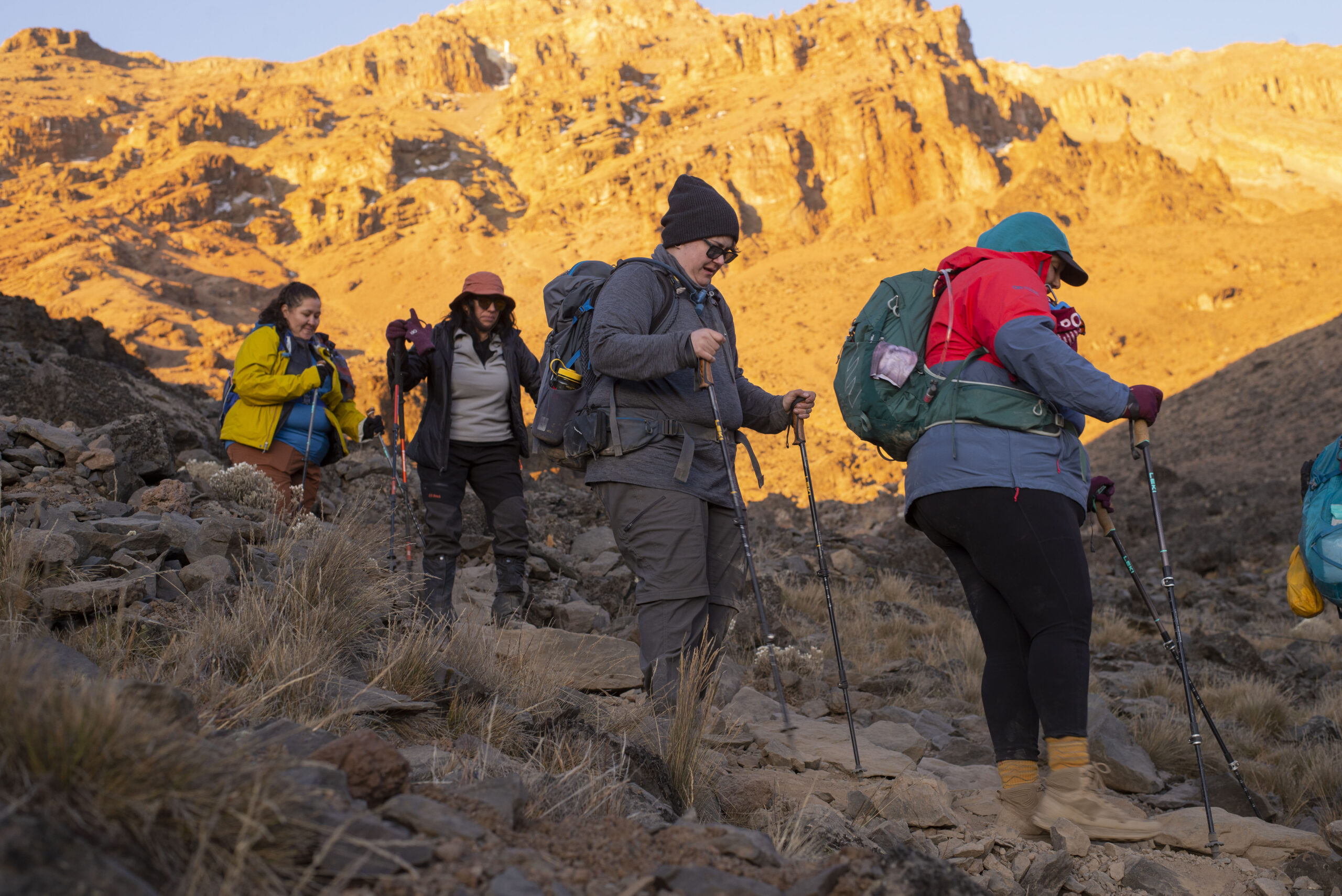
So, how many days does it take to climb Mount Kilimanjaro? The answer is usually between 5 and 9 days, depending on the route and your climbing goals. While shorter climbs may seem attractive, most climbers achieve better results with 7 to 8 days due to improved acclimatization and higher summit success. If your goal is to enjoy the experience, stay safe, and maximize your chance of reaching Uhuru Peak, choosing a longer itinerary is often the smartest decision. Whether you select the scenic Lemosho Route, the popular Machame Route, or the quieter Northern Circuit, proper planning and enough climbing days can make all the difference in achieving your dream of standing on the Roof of Africa.
Book Your Kilimanjaro Adventure Today
Ready to climb Mount Kilimanjaro? Choosing the right number of days and route is the first step toward a successful summit.
For bookings and inquiries:
📧 Email: redetours2005@gmail.com
📱 WhatsApp: +255 676 063 791
Start planning your unforgettable Kilimanjaro adventure today with experienced local experts.