

Climbing Mount Kilimanjaro is one of the world’s greatest trekking adventures an experience that takes you from tropical rainforest at the base to icy glaciers near the top, all without requiring technical climbing skills. Standing at 5,895 meters, it is the highest free-standing mountain in the world and a dream destination for trekkers from every continent who seek both challenge and transformation in a single journey.
What makes this mountain truly special is the way it changes as you ascend. Each step brings you into a completely different world lush green forests filled with wildlife, open moorlands with giant plants, rugged alpine deserts, and finally the frozen summit zone where conditions become extreme and silent. This constant transformation makes the climb feel like traveling through several continents in just a few days, rather than a single mountain trek. The journey ultimately ends at Uhuru Peak, the Roof of Africa, where climbers stand above the clouds and experience one of the most breathtaking sunrises on Earth. The golden light breaking over the horizon, combined with the vast sea of clouds below, creates a powerful emotional moment that many describe as life-changing and unforgettable.
This guide explains the full experience from base to summit, including terrain changes, altitude stages, preparation tips, and the unique elements that make Kilimanjaro not just a mountain to climb, but a personal journey of endurance, discovery, and achievement.
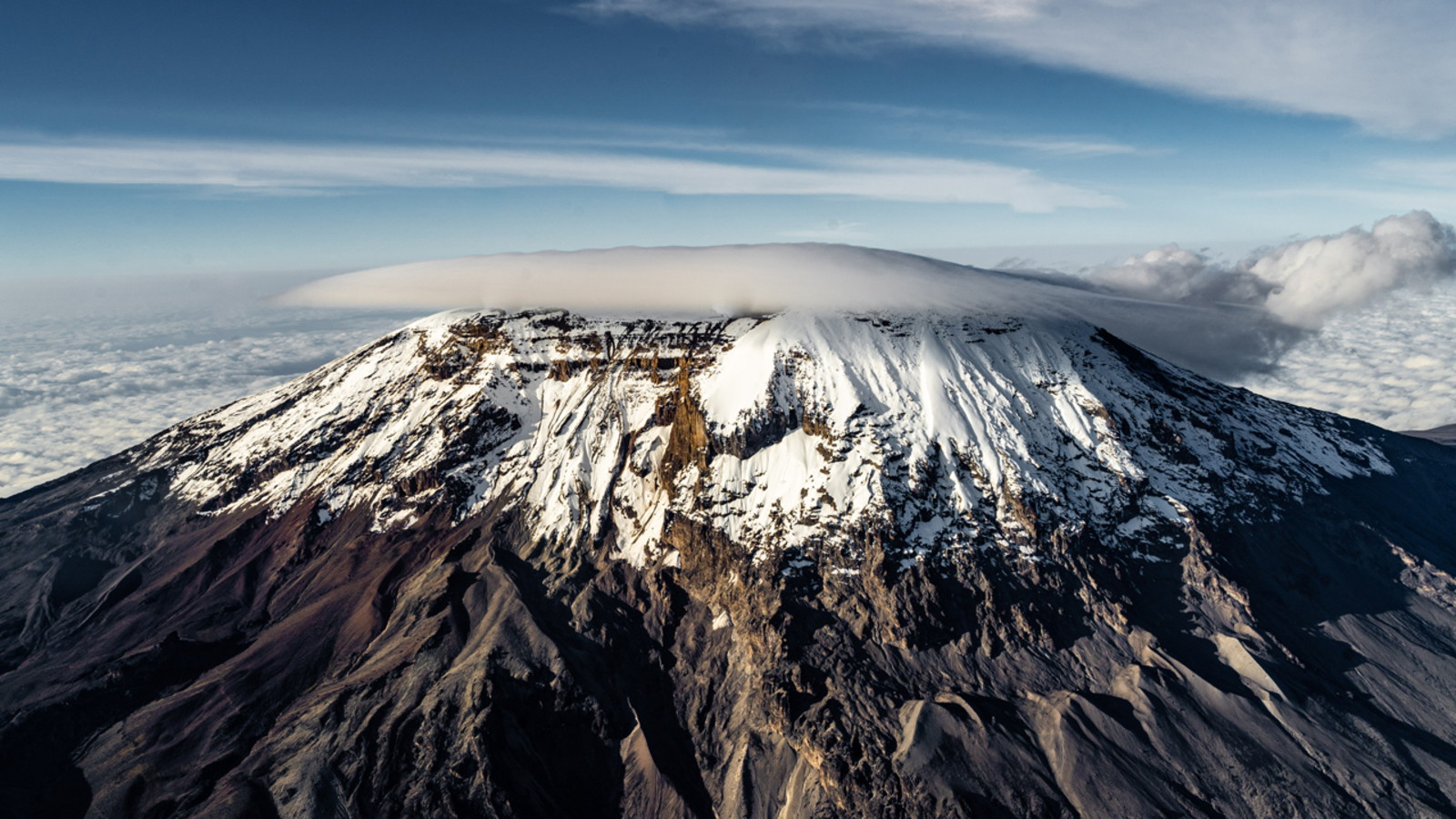
The adventure on Mount Kilimanjaro begins at its lower slopes, where the landscape is filled with fertile farmland, coffee plantations, and small local villages. Life here is vibrant and connected to the mountain, giving climbers a first glimpse of the cultural environment surrounding this iconic peak. Before the trek officially starts, all climbers’ complete registration at the park gate, meet their guide team, and receive a final briefing on safety, route, and expectations for the journey ahead. From this point onward, the atmosphere changes completely. Roads and settlements quickly fade away as you step into protected wilderness. The noise of daily life is replaced by the sounds of nature, and the real trekking experience begins. The trail leads through dense forest paths, river crossings, and gradually rising valleys as you move deeper into the mountain ecosystem.
Each step forward marks a transition into higher altitude landscapes, where the environment slowly shifts and the challenge increases. This is the true beginning of the climb toward Uhuru Peak, setting the tone for the days of adventure, endurance, and discovery that lie ahead.
The first stage of the climb on Mount Kilimanjaro begins in a dense tropical rainforest, a vibrant and living ecosystem filled with greenery, sound, and movement. This zone is warm, humid, and often misty, creating a magical jungle atmosphere that immediately immerses climbers into nature. As you walk through this section, the trail winds beneath thick green canopies where sunlight filters softly through the trees. The forest is alive with bird calls, rustling leaves, and the occasional movement of wildlife. It is common to see monkeys playing in the branches and colorful birds flying overhead, making the experience feel like a true African wilderness adventure.
This stage is not only scenic but also very important for preparing your body for the days ahead. The steady walking pace helps you build rhythm, warm up your muscles, and begin adapting to the longer trekking hours that will follow as you move higher toward Uhuru Peak.
.webp)
Key highlights of the Rainforest Zone:
This opening section of the mountain sets a peaceful yet exciting tone for the journey, offering a deep connection with nature before the terrain begins to change dramatically in the higher zones.
As you continue ascending Mount Kilimanjaro, the dense rainforest gradually fades away and gives way to the moorland zone. This is where the landscape begins to feel more open, expansive, and dramatic. The air becomes noticeably cooler, and the humidity drops, creating a fresher and more refreshing trekking environment as you move higher toward Uhuru Peak. Unlike the enclosed forest below, this zone offers wide visibility and a sense of vast space. The terrain stretches out into rolling hills, rocky paths, and volcanic formations, allowing climbers to see far across the mountain slopes. It is the first stage where you truly feel the scale and height of Kilimanjaro.
One of the most fascinating features of this zone is its unique plant life. The vegetation here is specially adapted to high altitude conditions, creating an almost surreal landscape that cannot be found in lower regions of the mountain.
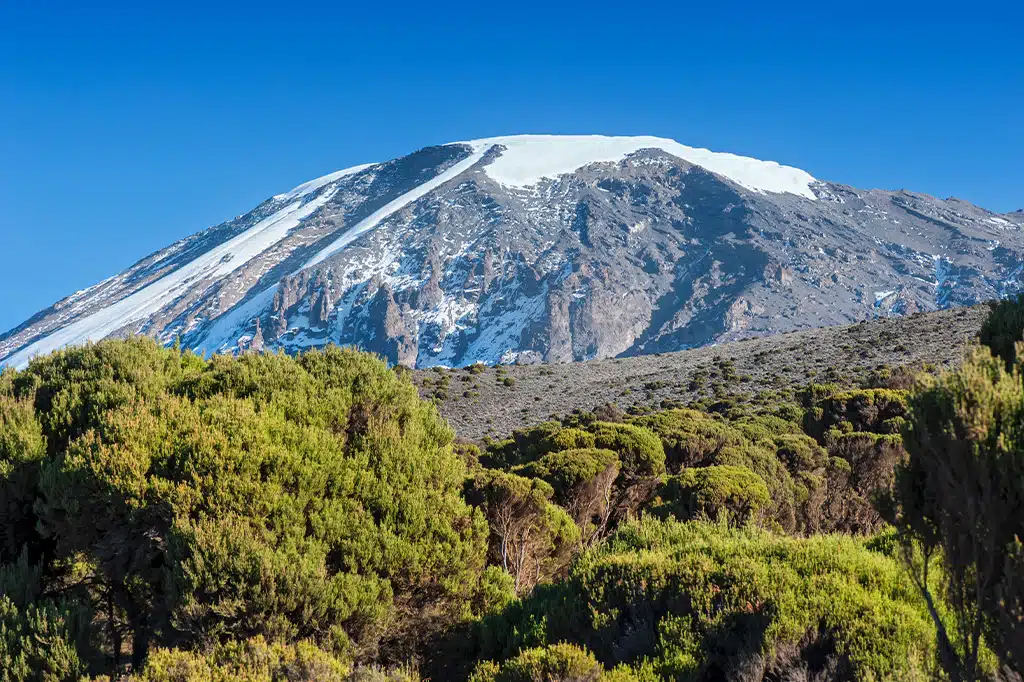
Key highlights of the Moorland Zone:
This stage of the climb marks a major transition in both scenery and altitude. It prepares climbers mentally and physically for the more extreme environments ahead, while offering some of the most beautiful and unique views on the entire mountain.
As climbers ascend higher on Mount Kilimanjaro, the environment dramatically shifts into the alpine desert zone. This is one of the most extreme sections of the mountain, where vegetation almost completely disappears and the landscape becomes dry, rocky, and volcanic. The scenery feels vast, empty, and silent, creating a powerful sense of isolation as you continue moving toward Uhuru Peak. Unlike the lower zones, this area is exposed to intense conditions. During the day, the sun can be very strong with little shade, while nights can drop to freezing temperatures. The sharp contrast between hot and cold makes this zone physically demanding and mentally challenging. In addition, oxygen levels are significantly lower, which means every step requires more effort and controlled breathing.
This stage tests endurance, patience, and mental strength. Climbers must slow their pace, conserve energy, and stay fully focused on steady progress. It is also a crucial preparation phase before the final ascent, allowing the body and mind to adjust to high-altitude conditions.
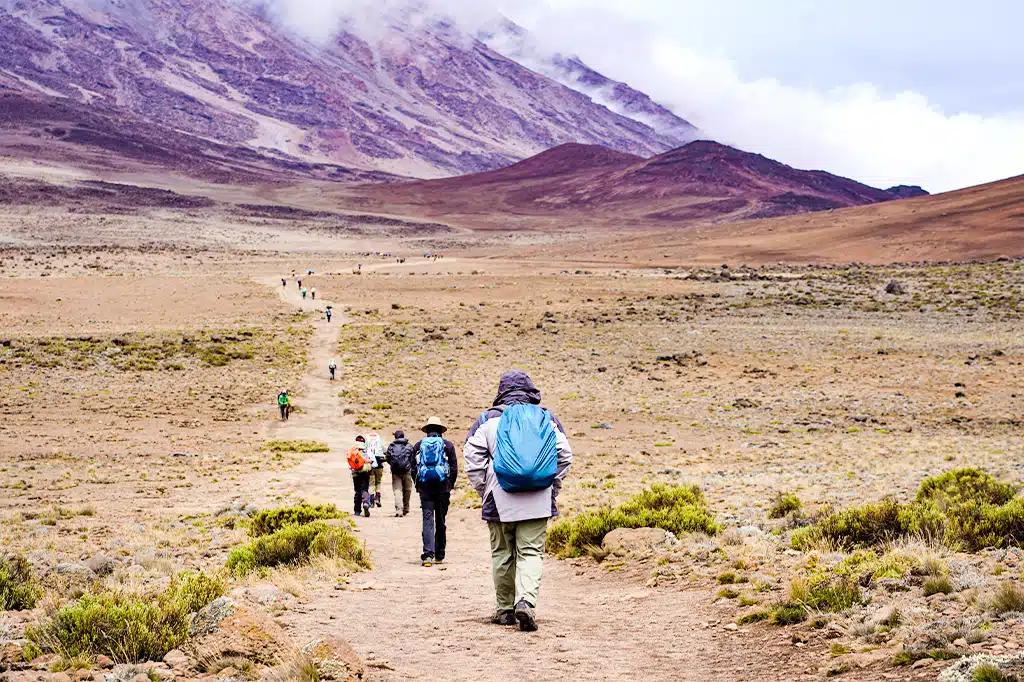
Key highlights of the Alpine Desert Zone:
This section of the climb is often considered the most mentally demanding, but it is also what prepares climbers for the final and most rewarding stage of the journey to the summit.
As climbers continue ascending Mount Kilimanjaro, they eventually reach high camp, usually located above 4,000 meters. This is one of the most important stages of the entire journey because it marks the final resting point before the summit attempt at Uhuru Peak. At this altitude, the air becomes noticeably thinner, temperatures drop sharply, and even simple movements begin to feel more demanding. High camp is not about distance anymore it is about preparation, recovery, and mental readiness. Climbers use this time to rest their bodies, eat light meals, and conserve energy for the challenging summit night ahead. The environment is usually quiet and cold, with a strong sense of anticipation as everyone prepares for the final push.
Guides play a very important role during this stage. They closely monitor each climber’s health, checking for signs of fatigue or altitude-related symptoms. Hydration is strongly encouraged, and pacing is carefully managed to ensure everyone is physically and mentally ready for the ascent.
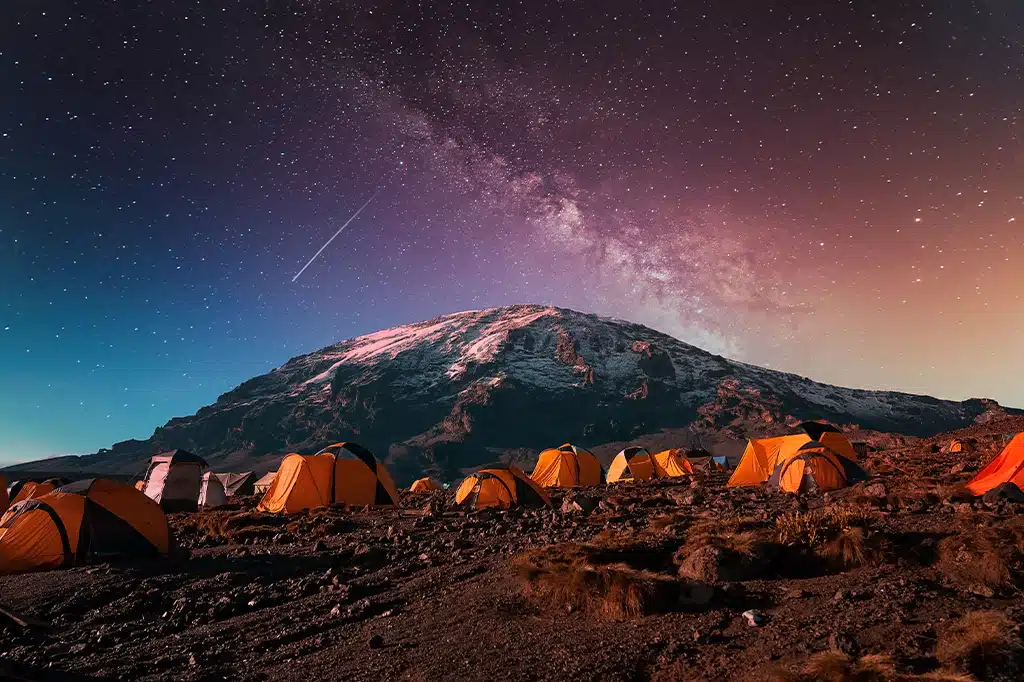
Key highlights of High Camp:
This stage represents the final transition from preparation to achievement. Everything now builds toward one goal the summit of Uhuru Peak, where the journey reaches its most powerful and rewarding moment.
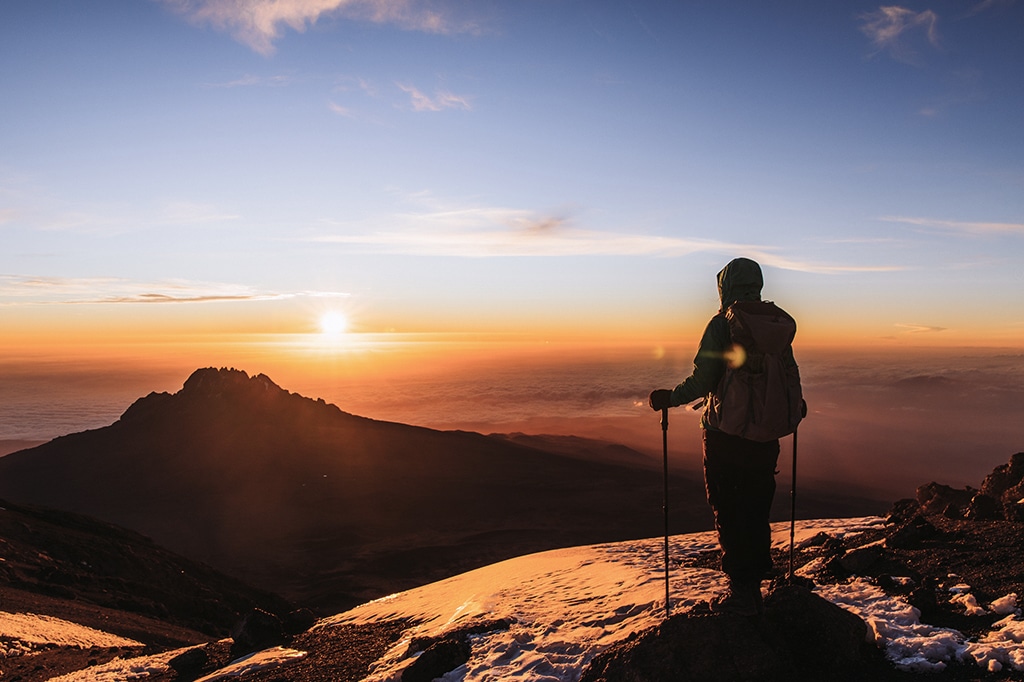
Summit night on Mount Kilimanjaro is the most intense, emotional, and physically demanding part of the entire climb. This is the moment where preparation, endurance, and mental strength are tested to their absolute limit as climbers make their final push toward Uhuru Peak. The ascent usually begins around midnight. In complete darkness, climbers move slowly up steep volcanic slopes using headlamps to guide their path. The silence of the night, combined with cold wind and thin air, creates a powerful and challenging atmosphere. Every step becomes deliberate and focused, as energy must be carefully conserved for the long climb ahead.
As altitude increases, conditions become more extreme. Temperatures drop significantly, often reaching freezing or below, while oxygen levels become very low. This makes breathing harder and slows down movement, turning even short distances into a test of determination and patience. Despite the difficulty, climbers continue step by step with a clear goal in mind reaching the summit before sunrise.
Key highlights of Summit Night:
After hours of climbing in darkness, the reward finally arrives. At dawn, climbers reach Uhuru Peak. The first light of the sun rises above the horizon, painting the sky in golden colors while a vast sea of clouds spreads below. It is one of the most powerful and emotional moments in trekking a true symbol of victory, resilience, and personal achievement that stays with climbers for life.
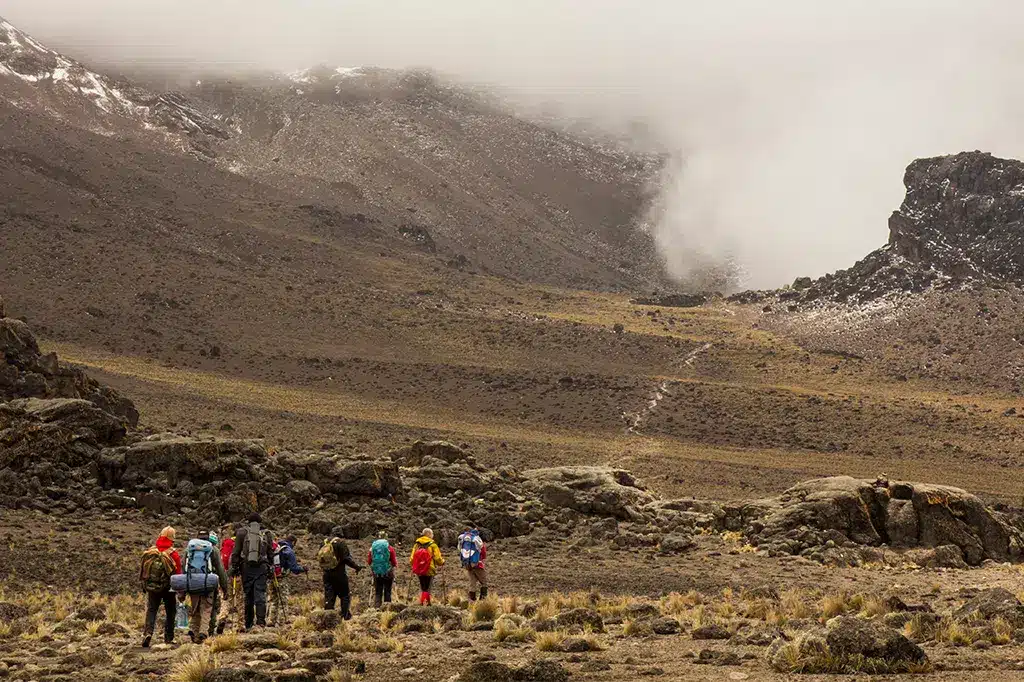
After reaching the summit of Mount Kilimanjaro, the journey is not over the descent begins, which is an important and rewarding part of the overall experience. Climbers carefully make their way back down through the same mountain zones, passing from the icy summit environment back into alpine desert, moorland, and eventually the lush rainforest below. Each step downward brings a noticeable change in climate, temperature, and atmosphere as the mountain gradually returns to its green base. As altitude decreases, oxygen levels increase, and the body begins to recover quickly from the strain of summit night. Breathing becomes easier, energy slowly returns, and the intense fatigue of the climb starts to fade. Many climbers describe this phase as a mix of relief, satisfaction, and deep reflection on what they have just achieved at Uhuru Peak.
The descent also provides a final opportunity to fully absorb the beauty of the mountain. With less pressure and more energy, climbers can enjoy the changing landscapes, take photos, and appreciate how far they have come from base to summit.
Key highlights of the Descent:
The descent completes the full circle of the Kilimanjaro experience, transforming the climb from a physical challenge into a lasting memory of endurance, achievement, and personal success.
Climbing Mount Kilimanjaro is not just a physical challenge it is a powerful personal transformation that affects the body, mind, and emotions. Every stage of the mountain pushes you beyond your comfort zone, teaching endurance when the climb feels long, patience when progress is slow, and mental strength when conditions become difficult. What makes this journey truly unique is the constant change in environment. From rainforest to alpine desert and finally to the icy summit zone, each landscape challenges you in a different way. Combined with thinning air and altitude pressure, the experience forces you to adapt, stay focused, and keep moving forward step by step toward Uhuru Peak.
This combination of physical effort and emotional intensity makes the journey deeply meaningful. Many climbers find that the mountain reflects real life where progress depends on consistency, resilience, and belief in yourself even when things become difficult. Reaching the summit is not just about standing at the highest point in Africa. It becomes a powerful symbol of discipline, preparation, and self-confidence. The moment you arrive at Uhuru Peak, you are not only celebrating a mountain conquered, but also a personal challenge overcome.
To improve your experience and summit success:
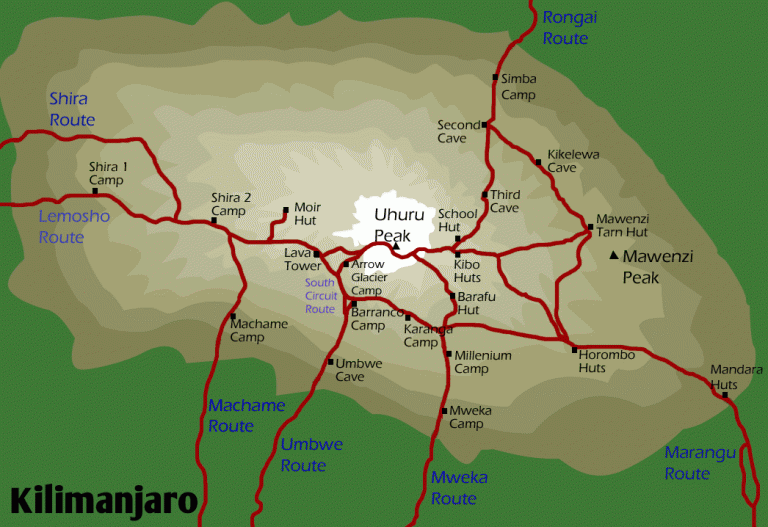
Choosing the right route on Mount Kilimanjaro is one of the most important decisions for your entire climb because it directly affects your scenery, difficulty level, acclimatization, and chances of reaching Uhuru Peak. Although all routes lead to the same summit, each one offers a completely different experience on the mountain.
The Lemosho Route is widely considered one of the best overall routes on Kilimanjaro. It begins on the remote western side of the mountain, giving climbers a peaceful and less crowded start. The early days pass through untouched rainforest before opening into wide moorlands and dramatic high-altitude landscapes. What makes this route special is its gradual ascent. Climbers gain altitude slowly, which allows the body to adapt better and reduces the risk of altitude sickness. Because of this, it has one of the highest summit success rates. It is ideal for trekkers who want both beauty and a higher chance of reaching the top comfortably.
The Machame Route is one of the most popular ways to climb Kilimanjaro. It is more physically demanding than Lemosho, but it rewards climbers with some of the most dramatic scenery on the mountain. The trail includes steep climbs, ridge walking, and constantly changing landscapes. Climbers experience rainforest, rocky valleys, and alpine desert all in one journey. It also follows the “climb high, sleep low” approach, which helps with acclimatization. This route is perfect for adventurous trekkers who want a more challenging and energetic climb while still having a good chance of reaching the summit.
The Marangu Route is the oldest and most established route on Kilimanjaro. It is often called the “Coca-Cola Route” because of its reputation for being the most straightforward and comfortable option. Unlike other routes, it offers hut accommodation instead of camping, which provides more comfort during cold nights. The trail is also more direct, meaning fewer days on the mountain. However, this shorter duration gives less time for acclimatization, which can make the summit push more challenging for some climbers. It is a good choice for those who prefer comfort and have limited time, but still want to experience reaching the top of Kilimanjaro.
The Rongai Route approaches Kilimanjaro from the northern side near the Kenyan border. It is one of the least crowded routes, making it ideal for climbers who want a quieter and more remote experience. This route is also one of the driest, meaning it is less affected by rain and can be a good option during wetter seasons. The terrain is gentler compared to other routes, with gradual slopes and open landscapes. It offers a calm and steady climb, giving trekkers a peaceful journey toward the summit.
The Northern Circuit Route is the longest route on Kilimanjaro and offers the most complete experience of the mountain. It circles much of the northern slopes, giving climbers unique panoramic views from different angles. Because of its longer duration, this route provides the best acclimatization conditions of all. The body has more time to adjust to altitude, which results in the highest summit success rate. It is ideal for climbers who want a premium, less crowded, and highly scenic expedition with the best possible chance of reaching the summit.
Climbing Mount Kilimanjaro is considered a moderate to challenging trek, but it is important to understand that it is not a technical climb. This means you do not need ropes, climbing equipment, or mountaineering experience. However, the real challenge comes from the high altitude, long trekking days, and changing weather conditions as you make your way toward Uhuru Peak.
Success on Kilimanjaro depends more on endurance, pacing, and mental strength than pure physical power. The trek involves several consecutive days of hiking, often at high altitude where oxygen levels are lower. As you go higher, your body must adjust, which is why good preparation and choosing the right itinerary are essential.
To comfortably complete the climb, you should be:
No prior climbing experience is required, making Kilimanjaro accessible to many people. However, proper preparation such as regular hiking, cardio workouts, and building stamina will greatly improve your overall experience and increase your chances of reaching the summit successfully.
One of the most important aspects of climbing Mount Kilimanjaro is understanding how altitude affects the human body. As you ascend higher, the air becomes thinner and oxygen levels gradually decrease. This is the main challenge on the mountain and can lead to Altitude Sickness if not properly managed. Symptoms may include headache, fatigue, nausea, or dizziness, especially when climbing too quickly.
Because of this, successful summit attempts are not about speed they are about slow, steady, and controlled ascent. Proper acclimatization is the key factor that separates successful climbers from those who turn back early.
Professional mountain guides play a very important role in keeping climbers safe throughout the journey to Uhuru Peak. They are trained to recognize early signs of altitude sickness and take immediate action when needed.
They manage safety by:
In addition, all professional Kilimanjaro trekking packages for 2026/2027 include essential safety equipment. This typically consists of portable oxygen systems, first aid kits, and emergency communication tools. These measures ensure that climbers are well-supported throughout the expedition.
With the right guidance, preparation, and safety systems in place, climbing Kilimanjaro becomes a controlled and well-managed adventure rather than a risky ascent.
When planning your climb on Mount Kilimanjaro, one of the most important factors to consider is the summit success rate. Reaching Uhuru Peak is not only about physical fitness it is strongly influenced by the route you choose and, most importantly, the number of days spent on the mountain.
The main reason for differences in success rates is acclimatization time. The longer your body has to adjust to high altitude, the better your chances of avoiding altitude-related problems and completing the climb successfully. Shorter routes move faster, which increases physical strain and reduces adaptation time.
Here is a general breakdown of summit success rates based on itinerary length:
.webp)
Choosing a longer itinerary is one of the most effective decisions you can make when planning your Kilimanjaro trekking package for 2026/2027. It not only improves your chances of reaching the summit but also makes the entire journey more comfortable, safer, and enjoyable.
Weather plays a major role in your overall experience on Mount Kilimanjaro, affecting everything from visibility and trail conditions to comfort and summit success. Choosing the right season can make your journey smoother, safer, and more enjoyable all the way to Uhuru Peak. The mountain has two main climbing seasons, each offering different advantages depending on what kind of experience you want.
This period is one of the most peaceful times to climb Kilimanjaro. The mountain is less crowded, which means quieter trails and a more personal experience with nature. Temperatures are generally cooler, especially at higher altitudes, and the scenery is often very clear and beautiful. The lower slopes are still green from previous rains, making the rainforest zone especially vibrant and full of life. At higher elevations, there is a higher chance of snow on the summit, which adds to the dramatic landscape. Because there are fewer climbers on the mountain, this season is ideal for those who prefer a calm, less busy trekking experience with strong natural beauty and good summit conditions.
This is the most popular time to climb Mount Kilimanjaro. The weather is generally dry and stable, with excellent visibility and very little rain, making trekking conditions more predictable and safer. The skies are often clear, allowing climbers to enjoy wide panoramic views across Tanzania. This is also the busiest season, so trails and camps can be more crowded, but the reliable weather conditions make it the preferred choice for many trekkers. Because of the stable climate, this period offers some of the highest summit success rates, especially for those aiming to reach Uhuru Peak.
Climbing Mount Kilimanjaro at the right time is one of the most important factors that influences your overall experience, safety, and summit success. The mountain has changing weather conditions throughout the year, and selecting the right season can greatly improve comfort, visibility, and trekking performance on the way to Uhuru Peak. When weather conditions are stable, the trails become safer and easier to navigate. Dry paths reduce the risk of slipping, while clear skies provide breathtaking views of the mountain’s landscapes. This also enhances photography opportunities, especially during sunrise and summit moments when climbers reach the top of Africa.
Timing also plays a key role in altitude adaptation. Stable weather supports a smoother acclimatization process, reducing physical stress on the body and helping climbers adjust more comfortably to high elevations. This significantly increases the chances of a successful summit experience.
Key reasons why timing matters:
In simple terms, choosing the right season means fewer weather challenges, better comfort, and a much higher probability of successfully reaching the summit of Kilimanjaro.
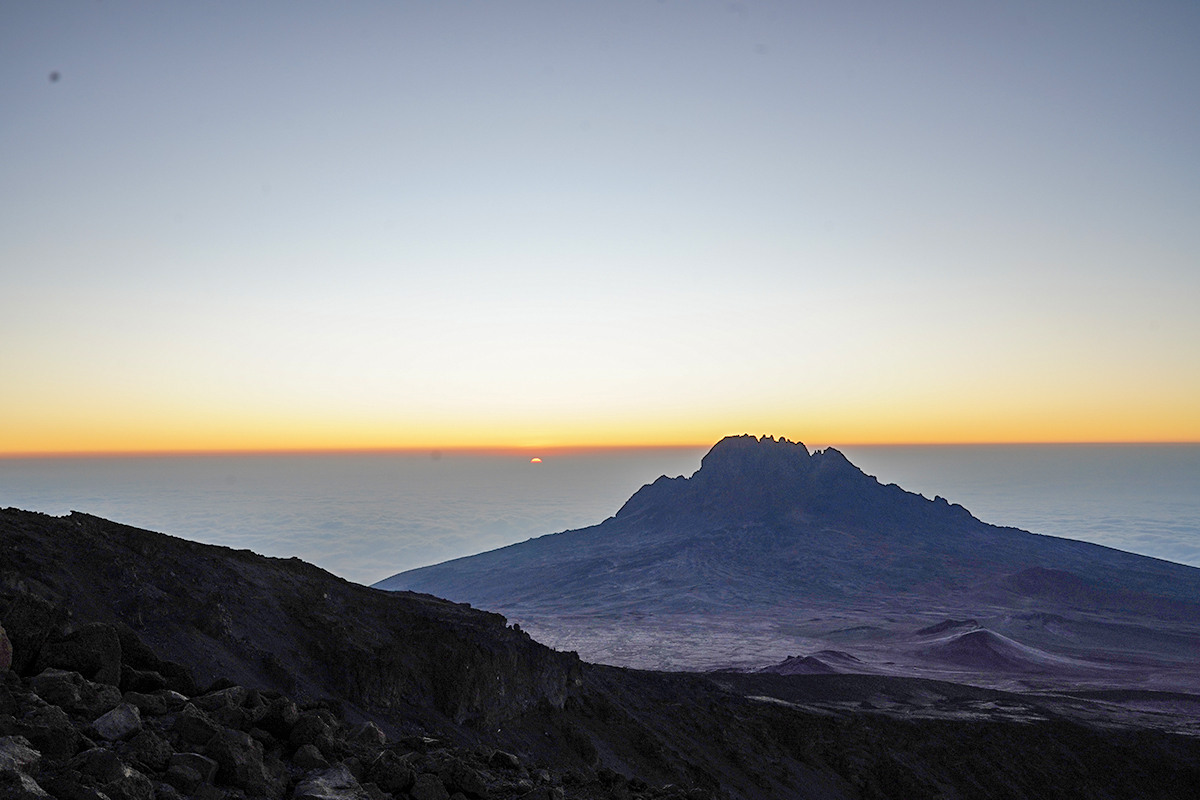
The journey from base to summit on Mount Kilimanjaro is one of the most powerful and rewarding trekking experiences in the world. It is not just a physical climb, but a full transformation that combines nature, endurance, and personal growth into one unforgettable adventure. Every stage of the mountain challenges you in a different way, shaping both your body and mindset as you move toward the top. Whether you are a first-time trekker or an experienced adventurer, reaching Uhuru Peak is more than just standing on a mountain it is a personal milestone that represents determination, discipline, and achievement. The feeling of standing above the clouds at the Roof of Africa is something that stays with you for life.
For 2026/2027, Kilimanjaro continues to be the ultimate trekking goal in Africa. It is an adventure that begins at the base and ends in the sky, offering one of the most unforgettable experiences on Earth. Your dream of climbing Mount Kilimanjaro can become reality with the right preparation and support. Now is the best time to start planning your 2026/2027 expedition and secure your place on the mountain.
Start your journey today:
Your adventure to Uhuru Peak starts the moment you decide to take the first step.