

Mount Kilimanjaro is not only Africa’s highest mountain but also a place full of rich culture, warm people, and unique traditions. While many travelers come here to climb the mountain, the experience around it is just as important. Staying in cultural accommodation near Mount Kilimanjaro, especially in Moshi, allows you to experience real Tanzanian life beyond tourism. These stays give you the chance to live close to local communities, enjoy traditional food, and learn about the Chagga culture that lives on the slopes of the mountain. Instead of only seeing Kilimanjaro as a climbing destination, you get to feel its culture, history, and everyday life. This guide will help you understand the best cultural lodges, homestays, and local experiences near Kilimanjaro, and how to choose the right place for a meaningful and unforgettable journey.
Choosing cultural accommodation is not just about a place to sleep it is about experiencing Tanzania beyond tourism.
Here’s why it matters:
Instead of staying in standard hotels, cultural lodges and homestays allow you to experience real life in the foothills of the mountain.
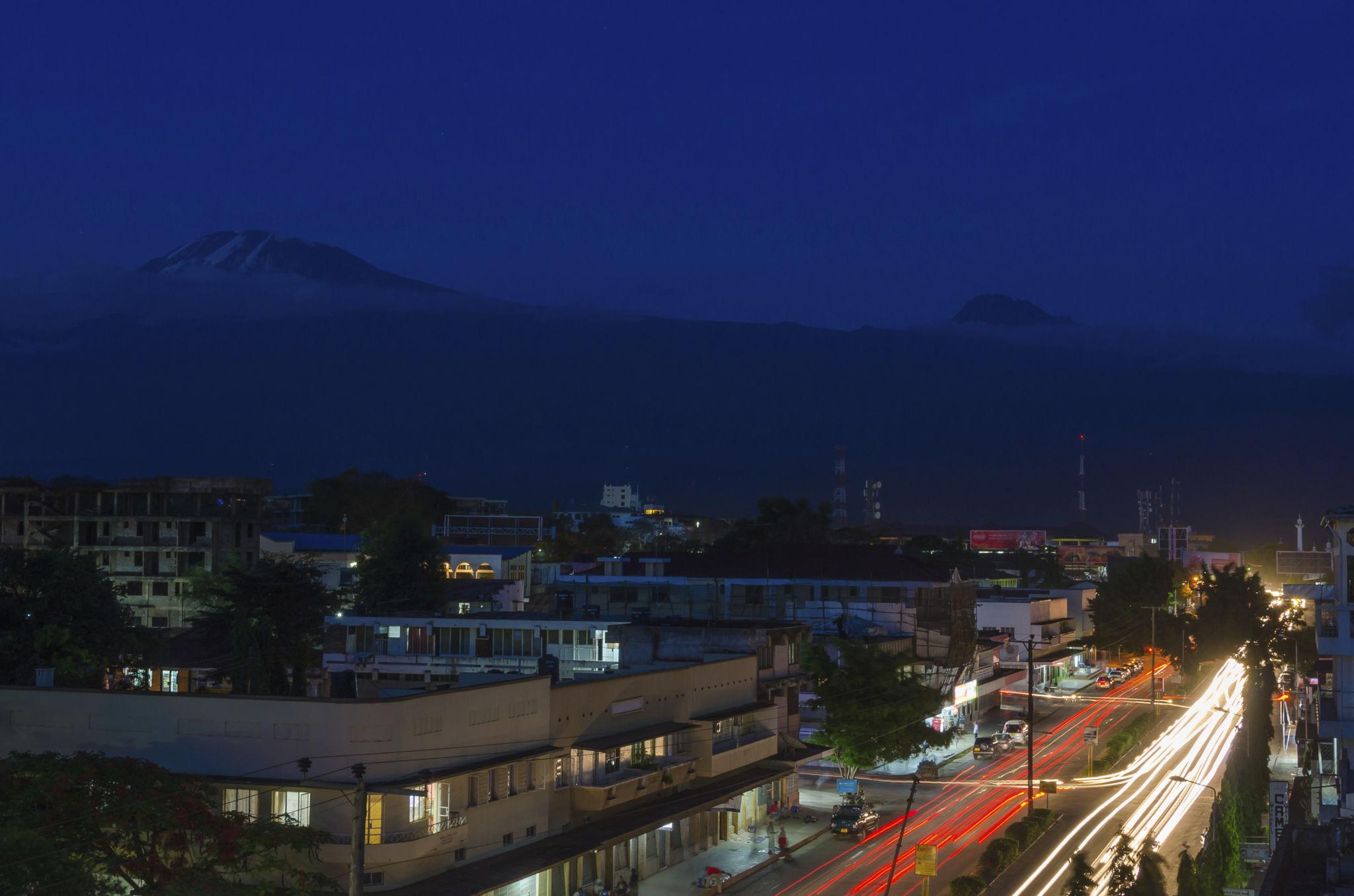
Moshi is the main gateway for anyone visiting Mount Kilimanjaro, and it plays a central role in both climbing logistics and cultural experiences. Most travelers start and end their journey here, which makes it the most convenient base for accommodation. Beyond convenience, Moshi is also a lively cultural town where modern life blends with traditional Tanzanian values. Staying in Moshi gives you access to a wide range of accommodation options, from locally run guesthouses to eco-lodges that reflect traditional African design. Many of these places are owned by local families, which means your stay directly supports the community. One of the biggest advantages of staying in Moshi is the easy access to daily cultural life. You can walk through local markets filled with fresh produce, spices, and handmade crafts. Coffee is a major part of life here, so you can also visit nearby coffee farms where you learn how beans are grown, harvested, and processed. Cultural tours are also easy to arrange, including visits to nearby villages where you can experience traditional Chagga life. Moshi is ideal for travelers who want comfort, accessibility, and cultural exposure without traveling far from town facilities.
Outside Moshi, the landscape changes into peaceful rural villages where life is slower, more traditional, and deeply connected to nature. Staying in these areas offers a completely different experience from town life and is ideal for travelers seeking authenticity. Here, many accommodations are simple homestays or small community-run lodges. You may stay in traditional Chagga-style homes where families welcome you as part of their daily life. This gives you a rare opportunity to observe and participate in real village routines such as farming, cooking, and local ceremonies. The Chagga people, who are native to the Kilimanjaro region, are known for their rich agricultural knowledge and unique history. In rural stays, you often join guided nature walks through banana plantations, coffee fields, and forest paths. Local guides also share stories about traditional beliefs, ancient farming techniques, and the history of the mountain. This type of stay is quieter, more personal, and perfect for travelers who want a deep cultural connection rather than a tourist experience.
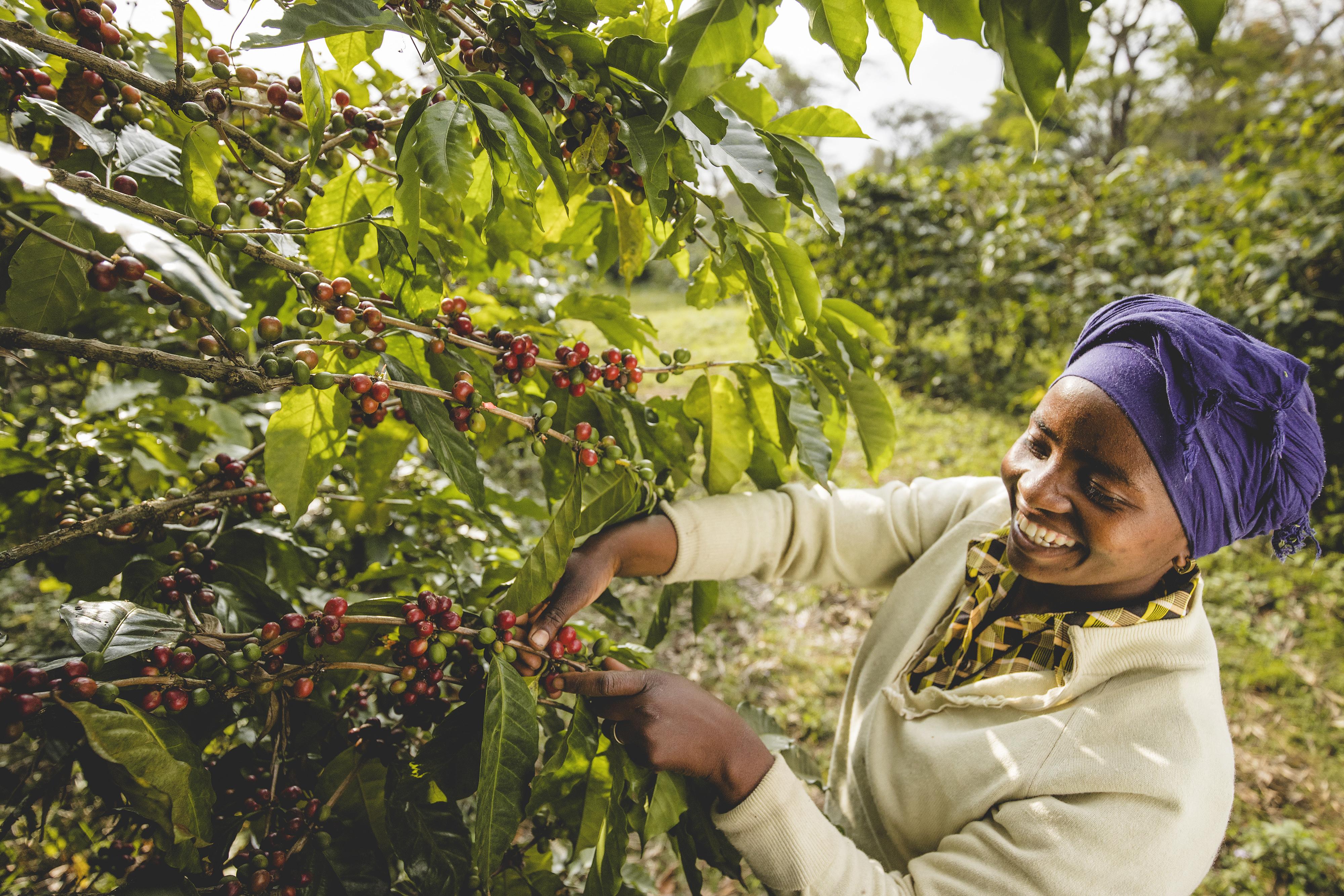
The slopes of Mount Kilimanjaro are famous for producing some of the best Arabica coffee in Africa. Staying on or near coffee plantations gives travelers a scenic and educational experience surrounded by green landscapes and mountain views. Accommodation in these areas is usually part of working farms or eco-lodges built within coffee estates. Guests are often surrounded by coffee trees, banana plants, and rich volcanic soil that makes the region so fertile. One of the highlights of staying here is the full coffee experience. You can walk through plantations, pick ripe coffee cherries, and learn the entire process from drying to roasting. Many lodges also offer tasting sessions where you enjoy freshly brewed Kilimanjaro coffee directly from the source. Beyond coffee, these stays also offer cultural interaction with farmers who share their daily routines and agricultural traditions. The peaceful environment, combined with stunning views of the mountain, makes this one of the most relaxing cultural experiences in the region.
Cultural lodges near Kilimanjaro are designed to reflect local architecture, traditions, and community values while still offering comfort to travelers. These lodges are often built using natural materials and decorated with handmade African art, giving them a warm and authentic atmosphere. Staying in a cultural lodge is more than just accommodation it is an experience. Guests often enjoy traditional meals prepared with local ingredients, and evenings may include live music, drumming, or cultural dance performances. Many lodges also organize guided visits to nearby villages where travelers can meet local families and learn about their way of life. These lodges are ideal for travelers who want a balance between comfort and cultural immersion.
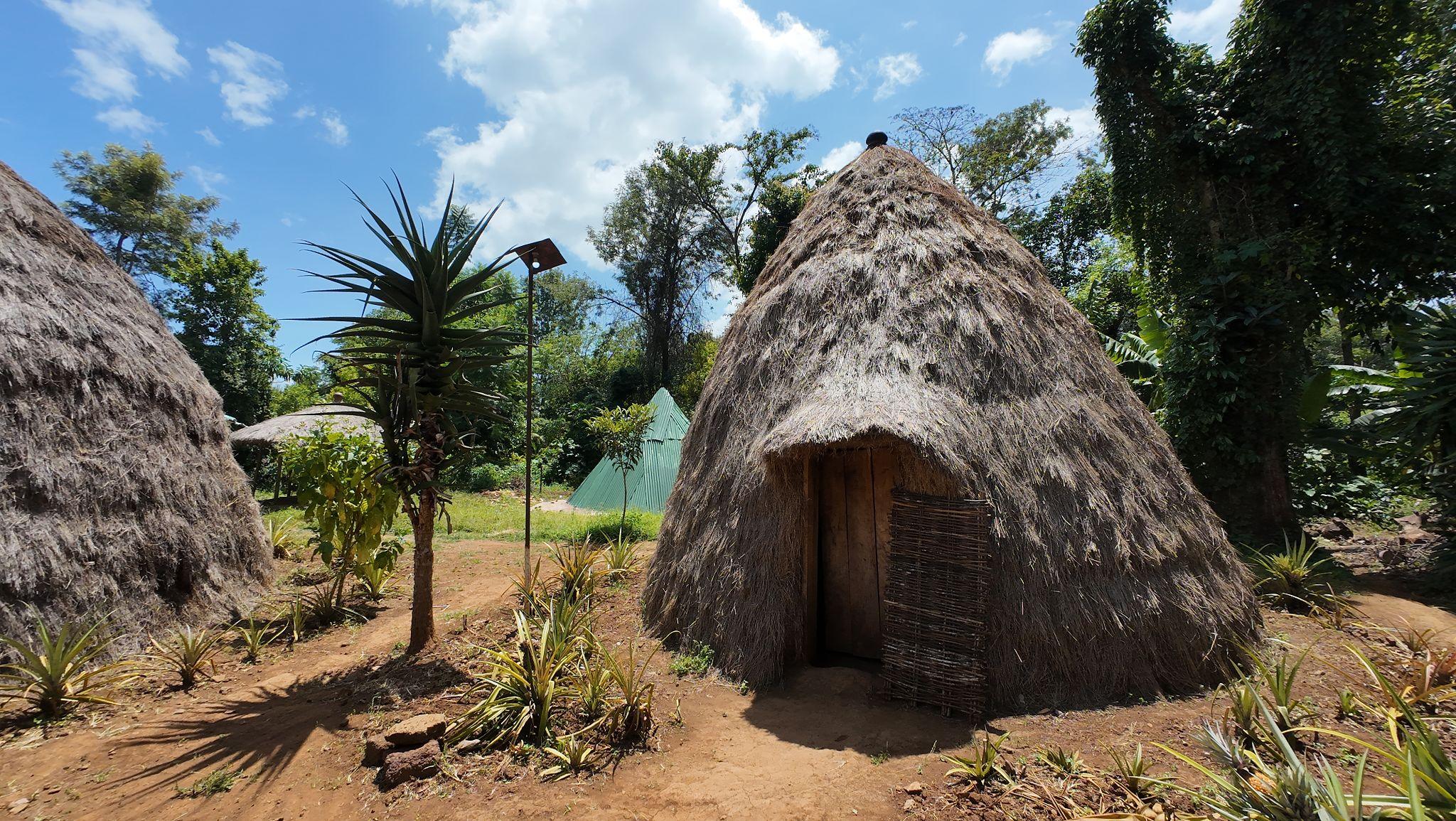
Homestays offer the deepest form of cultural immersion available near Mount Kilimanjaro. Instead of staying in a hotel or lodge, you live directly with a local family and experience their daily life firsthand. In a homestay, you share meals with your host family, often enjoying traditional Tanzanian dishes cooked using locally grown ingredients. You also participate in everyday activities such as farming, fetching water, or helping in the kitchen, depending on the family’s lifestyle. Language is also part of the experience. Many travelers pick up basic Swahili phrases through daily interaction, which creates a stronger cultural connection. Homestays are perfect for travelers who want meaningful interaction, personal connection, and a true understanding of Tanzanian culture.
Eco-lodges near Kilimanjaro are designed for travelers who care about sustainability and environmental protection. These accommodations focus on reducing environmental impact while still providing comfort and quality service. Many eco-lodges use solar power for electricity, harvest rainwater, and grow their own organic food in gardens. Some are involved in community projects such as supporting local schools or conservation programs. Staying in an eco-lodge allows you to enjoy nature responsibly. You are often surrounded by forests, birds, and natural landscapes, creating a peaceful and refreshing atmosphere. These lodges are especially popular among eco-conscious travelers and those seeking a quiet retreat.
Guesthouses in and around Moshi have become increasingly popular for travelers looking for affordable yet meaningful cultural experiences. While they are simpler than lodges, many now offer cultural activities that enhance the stay. Guests can join cooking classes to learn how to prepare local dishes, visit markets with hosts, or take part in coffee tours. Some guesthouses also host storytelling evenings where local elders share traditions, history, and legends of the Kilimanjaro region. These accommodations are flexible, budget-friendly, and ideal for travelers who want cultural exposure without high costs.
Chagga cultural tours introduce visitors to the heritage of the Chagga people, who are one of the largest ethnic groups in the Kilimanjaro region. These tours often take place in villages on the slopes of the mountain, where traditional life is still preserved. During the tour, visitors explore traditional houses, some of which include underground tunnel systems used historically for protection during tribal conflicts. Guides explain how these homes were built and how families lived within them. You also learn about banana farming systems, which are a central part of Chagga agriculture. Bananas are used for food, brewing traditional drinks, and even making household items. The tour also includes storytelling sessions about local legends, ancestors, and the cultural history of the region.
Coffee farm tours are one of the most popular cultural experiences near Kilimanjaro. The region is known for producing high-quality Arabica coffee due to its fertile volcanic soil and ideal climate. Visitors are guided through coffee plantations where they see the full production process. You learn how coffee cherries are picked by hand, processed, dried, and roasted using traditional methods. Many farms also allow visitors to participate in picking and roasting activities. The experience usually ends with a fresh cup of Kilimanjaro coffee, giving you a direct taste of the land you are exploring. It is both educational and enjoyable, especially for coffee lovers.
Cooking classes in the Kilimanjaro region offer hands-on experience with Tanzanian cuisine. These classes are usually held in local homes or community kitchens where guests learn traditional cooking methods. You are taught how to prepare popular dishes such as ugali, which is a staple made from maize flour, and nyama choma, a traditional grilled meat dish. You may also learn banana-based meals and vegetable stews made from locally grown ingredients. The experience is interactive, and participants often cook together with local hosts, making it both educational and social. It is a great way to understand daily life through food.
Village walks provide a close look at everyday life in rural Tanzania. Guided by local residents, you walk through small villages where you meet artisans, farmers, and families going about their daily routines. During the walk, you may visit schools, farms, and workshops where handmade crafts are produced. Guides explain cultural traditions, farming techniques, and community values. These walks are peaceful and informative, offering a real-life glimpse into how people live around Mount Kilimanjaro. They are also a great way to support local communities directly.
Cultural dance and music experiences are often offered in lodges or during special evening events. These performances are an important part of local tradition and storytelling. You will hear traditional drums and see dancers performing Chagga-style dances that reflect celebration, history, and community life. The rhythm and energy of the performances create a lively atmosphere. Some experiences also include storytelling sessions around a fire, where elders share myths, history, and life lessons passed down through generations. This creates a powerful cultural connection and memorable evening experience for visitors.
Unlike standard hotels, cultural accommodation offers:
It turns your Kilimanjaro trip into a life-changing cultural journey, not just a mountain climb.
The best time depends on your Kilimanjaro plans:
Always book early during peak climbing months.
Before booking, consider:
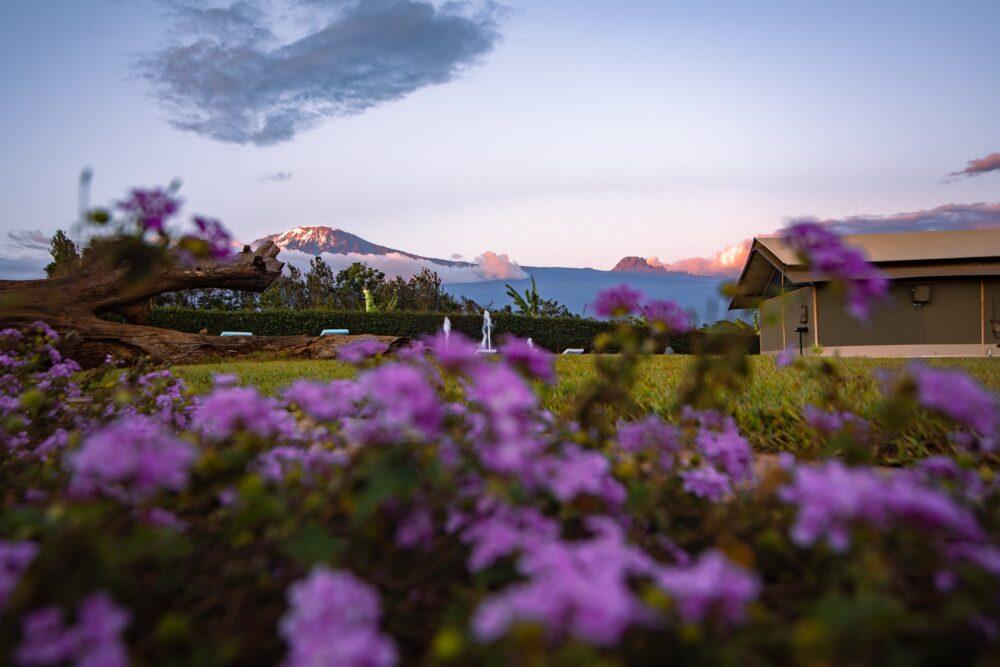
Staying in cultural accommodation near Mount Kilimanjaro transforms your trip into something far more meaningful than simple sightseeing. Whether you choose a homestay in a rural village, an eco-lodge on the coffee-covered slopes, or a cultural guesthouse in Moshi, you will experience the true heart of Tanzanian life.
These stays allow you to connect with local people, enjoy traditional food, and understand daily life in a way that hotels alone cannot offer. Every experience from sharing meals with families to exploring coffee farms adds deeper value to your journey around the mountain. It is the perfect way to connect your Kilimanjaro adventure with real people, real culture, and unforgettable memories.
Plan your cultural stay and Kilimanjaro experience with us.
📞 Phone / WhatsApp: +255 676 063 791
📧 Email: info@redetoursandsafaris.com