
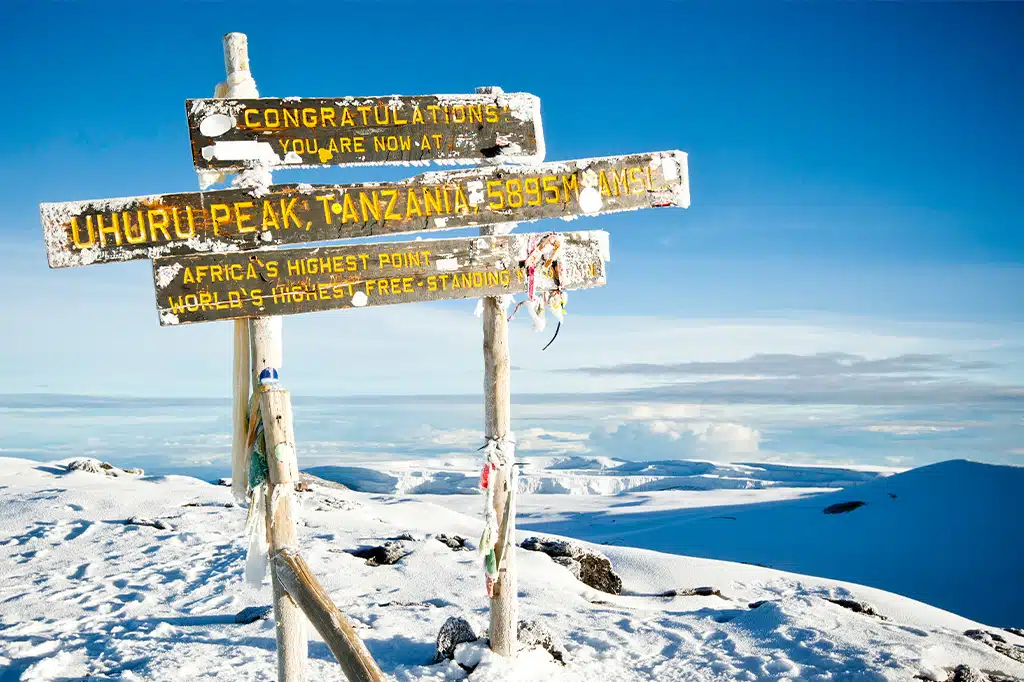
Climbing Mount Kilimanjaro is one of the greatest adventures in Africa. Rising 5,895 meters (19,341 feet) above sea level, Kilimanjaro attracts thousands of trekkers every year from around the world. While many people assume that climbing Kilimanjaro is only possible for fully able-bodied hikers, the reality is that individuals with disabilities have successfully completed the climb and reached Uhuru Peak through proper preparation, determination, and professional support. Kilimanjaro is considered a non-technical mountain, meaning climbers do not need ropes, ice axes, or advanced mountaineering skills. However, the trek still requires endurance, physical effort, and the ability to cope with high altitude. For climbers with disabilities, careful planning and choosing the right support team can make the experience both achievable and rewarding.
Yes, people with disabilities can climb Mount Kilimanjaro. Over the years, several climbers with physical disabilities, visual impairments, hearing impairments, and amputations have successfully reached the summit. Their achievements demonstrate that disability does not necessarily prevent someone from pursuing challenging outdoor adventures. The level of difficulty depends on the individual's condition, fitness level, experience, and the type of support available during the climb. Every climber's needs are different, which is why customized planning is essential. Some climbers may require additional guides, specialized equipment, or modified itineraries to improve comfort and safety on the mountain. Rather than focusing on limitations, climbers should focus on understanding the challenges ahead and preparing effectively for them.
Preparation begins months before arriving in Tanzania. A successful climb depends heavily on physical conditioning, medical readiness, and mental preparation.
The first step is consulting with a healthcare professional. A doctor familiar with your medical history can help determine whether high-altitude trekking is suitable for your condition and provide advice regarding medications, mobility concerns, and altitude-related risks. Physical training should also be taken seriously. Kilimanjaro requires several consecutive days of walking, often for five to eight hours per day. Depending on your abilities, training may include walking, hiking, swimming, cycling, strength training, or adaptive fitness activities. The goal is to improve endurance and prepare your body for long days on the trail.
Mental preparation is equally important. Climbers should understand that summit day can be physically and emotionally demanding. Weather conditions, altitude, and fatigue can create challenges, but maintaining a positive attitude and realistic expectations helps many climbers overcome difficult moments.
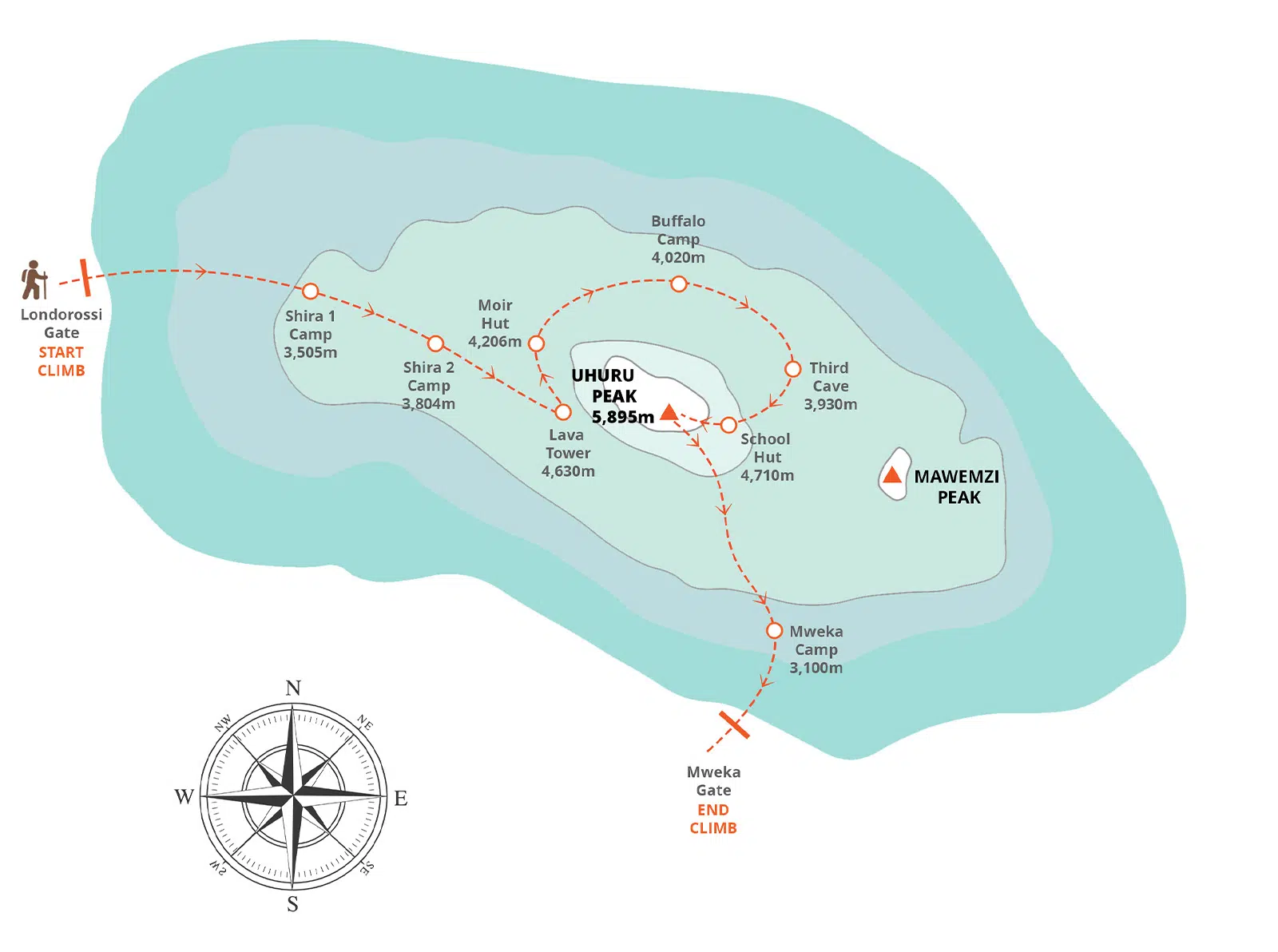
Route selection is one of the most important decisions for climbers with disabilities. Some routes are easier than others due to their terrain and acclimatization profile. The Lemosho Route is often considered one of the best choices because it provides a gradual ascent and excellent acclimatization opportunities. The Northern Circuit Route is another excellent option because it offers the longest itinerary, allowing climbers more time to adjust to altitude and reducing the risk of altitude sickness. Longer routes may cost more, but they significantly increase comfort and summit success rates. They also provide more flexibility for climbers who may require a slower pace during the trek. Choosing a route based solely on the shortest duration is generally not recommended, as rapid elevation gain can increase physical stress and altitude-related problems.
Depending on the nature of the disability, adaptive equipment may be necessary for the climb. Climbers should ensure that all equipment is tested before arriving in Tanzania to avoid unexpected issues on the mountain. Some climbers may use prosthetic limbs specifically designed for hiking, while others may require specialized trekking poles or mobility devices. In certain situations, additional support staff may be needed to assist with difficult sections of the trail. Professional trekking companies can often arrange customized support services, ensuring climbers receive assistance while maintaining independence and dignity throughout the expedition.
One of the greatest challenges on Kilimanjaro is not the trail itself but the altitude. As climbers gain elevation, oxygen levels decrease, making physical activity more demanding. Altitude sickness can affect anyone regardless of age, fitness level, or disability status. Common symptoms include headaches, dizziness, nausea, fatigue, and shortness of breath. Severe cases can become life-threatening if not addressed quickly. To reduce the risk of altitude sickness:
Experienced guides regularly monitor climbers' health and will recommend descent if necessary. Safety should always take priority over reaching the summit.
Safety is the most important aspect of any Kilimanjaro climb, especially for trekkers with disabilities. A reputable operator should conduct daily health checks and monitor climbers for signs of altitude sickness and exhaustion. Weather conditions on Kilimanjaro can change rapidly. Temperatures near the summit often drop below freezing, while lower elevations may be warm and humid. Climbers should be prepared for a wide range of weather conditions by bringing appropriate clothing and gear. Good quality hiking boots, warm layers, waterproof clothing, gloves, and proper sleeping equipment can make a significant difference in both comfort and safety. Travel insurance is also highly recommended. Climbers should ensure their policy covers high-altitude trekking, emergency evacuation, and any disability-related medical requirements.
The quality of the support team can have a major impact on the success of a Kilimanjaro climb. Experienced guides understand the challenges of high-altitude trekking and know how to respond to emergencies. For climbers with disabilities, having knowledgeable guides and supportive porters can provide additional confidence throughout the journey. These professionals help manage logistics, monitor health, and provide assistance when necessary. When selecting a trekking company, ask about their experience working with climbers who have disabilities. Companies that offer customized services and flexible itineraries are often the best choice.
For many climbers with disabilities, reaching the summit of Kilimanjaro is about more than standing on the highest point in Africa. It is an opportunity to challenge personal limits, build confidence, and prove that barriers can be overcome. The journey takes climbers through diverse landscapes, including rainforest, moorland, alpine desert, and arctic summit zones. Every day offers new scenery and unforgettable experiences. The sense of achievement gained from completing the trek often lasts a lifetime. Whether or not a climber reaches Uhuru Peak, the experience of trekking on Kilimanjaro can be deeply inspiring and rewarding.
Climbing Mount Kilimanjaro with a disability requires careful planning, physical preparation, and a strong commitment to safety. While the mountain presents challenges, it is possible for many people with disabilities to successfully complete the trek with the right support and preparation. Choosing an experienced operator, selecting an appropriate route, training properly, and allowing sufficient time for acclimatization can greatly improve the chances of a safe and enjoyable climb. Kilimanjaro remains a symbol of determination, perseverance, and achievement, proving that extraordinary adventures are possible for people of all abilities.
Book Your Accessible Kilimanjaro Adventure
If you are planning to climb Kilimanjaro and require specialized assistance, our experienced team can help create a customized trekking experience designed around your needs and goals.
For bookings and inquiries:
📧 Email: redetours2005@gmail.com
📱 WhatsApp: +255 676 063 791