

If you are thinking about climbing Mount Kilimanjaro in October 2026–2027, you are choosing one of the best times of the year to reach the Roof of Africa. October is widely regarded as one of the ideal months for trekking because it offers pleasant weather, clear mountain views, and comfortable hiking conditions. The long dry season is coming to an end, but the trails are usually still dry and in excellent condition, making the climb safer and more enjoyable. Whether you are an experienced hiker or climbing a mountain for the first time, October provides a great opportunity to enjoy every stage of the journey while improving your chances of reaching Uhuru Peak. You can expect beautiful sunrises, spectacular landscapes, and cool temperatures as you gain altitude. Since this is also a popular month, booking your Kilimanjaro climb early helps you secure your preferred route, experienced guides, and the best travel dates. With the right preparation and a well-planned itinerary, climbing Kilimanjaro in October can become one of the most rewarding adventures of your life.
Yes, October is one of the best months to climb Kilimanjaro. The mountain usually experiences dry weather, making hiking easier and safer. Most days are sunny with clear skies, allowing you to enjoy amazing views across Tanzania and even into Kenya from the summit. Since the trails are generally dry, you are less likely to deal with slippery paths, muddy sections, or heavy rainfall that can make climbing more difficult. This makes October suitable for beginners as well as experienced hikers. October is also a popular month, so you can expect to meet other climbers along the way, especially on the most famous routes.
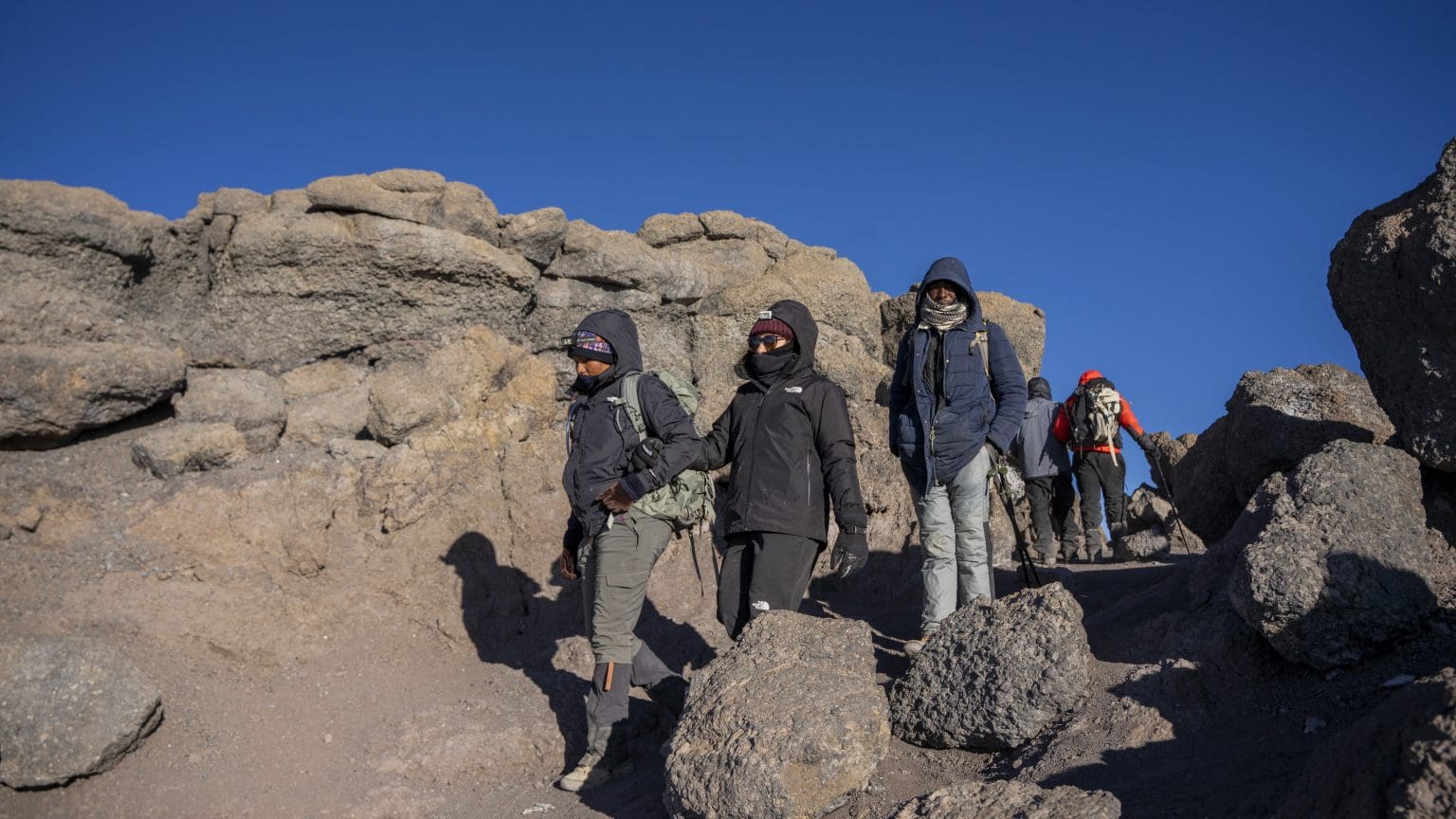
Weather on Kilimanjaro changes with altitude, but October is generally known for stable conditions. At the lower slopes near the rainforest, temperatures are warm during the day and cool at night. As you climb higher, temperatures become much colder, especially after sunset. Near the summit, temperatures often fall below freezing during the night summit attempt. You should expect cold winds and icy conditions even though the days lower on the mountain may feel pleasant. Typical temperatures include:
Even during October, mountain weather can change quickly, so you should always be prepared for sunshine, wind, cold temperatures, and occasional light rain.
There are many reasons why October is one of the favorite months for climbing Kilimanjaro. The weather is usually dry, making walking easier throughout the trek. The clear skies provide outstanding views of glaciers, valleys, and surrounding landscapes. Wildlife is often active in the lower rainforest, and photography conditions are excellent throughout the climb. October also comes before the short rainy season, meaning you can enjoy the mountain before wetter conditions arrive later in the year. Many climbers also combine their Kilimanjaro adventure with a Tanzania safari or a relaxing holiday in Zanzibar after reaching the summit because the weather is still excellent across much of the country.
October is considered a busy month because of its favorable weather. Popular routes like Machame and Marangu usually have more climbers, especially during the middle and end of the month. However, Kilimanjaro has several routes, and some are naturally quieter. If you prefer a more peaceful experience, routes such as Lemosho, Rongai, or the Northern Circuit offer fewer crowds while still providing excellent scenery and high summit success rates. Booking several months in advance is recommended since accommodation, park availability, and experienced guides become busy during October.
Every route offers something different, but some are especially recommended during October because of their scenery and excellent acclimatization.
The Lemosho Route is one of the best options for climbing Kilimanjaro in October because it combines beautiful scenery with excellent acclimatization. The route starts on the western side of the mountain, passing through lush rainforest, the wide Shira Plateau, alpine desert, and rocky high-altitude landscapes before reaching Uhuru Peak. Since the climb is gradual, your body has more time to adjust to the increasing altitude, giving you a higher chance of reaching the summit. The route usually takes 7 or 8 days and is perfect for climbers who want fewer crowds, breathtaking views, and one of the highest summit success rates on Kilimanjaro.
The Machame Route is one of the most popular and scenic ways to climb Mount Kilimanjaro. It is known for its diverse landscapes, including rainforest, moorland, alpine desert, and rocky summit terrain. During October, the dry weather makes the steep and challenging sections easier to hike, while the clear skies provide outstanding views throughout the trek. The route follows the "climb high, sleep low" principle, helping your body adjust to the altitude. Most climbers choose the 7-day itinerary because it provides better acclimatization and a higher chance of reaching Uhuru Peak than the shorter 6-day option.
The Marangu Route is the only Kilimanjaro route that provides mountain huts instead of camping, making it popular with climbers who prefer sleeping indoors. The trail passes through beautiful rainforest, heath, moorland, and alpine desert before reaching the summit. While many people think it is the easiest route because of the hut accommodation, the climb is still physically demanding and requires proper preparation. The 6-day itinerary is strongly recommended because it gives your body more time to acclimatize than the shorter 5-day climb, increasing your chances of safely reaching Uhuru Peak.
The Rongai Route approaches Mount Kilimanjaro from the northern side near the Kenyan border. It is one of the quieter routes on the mountain, making it an excellent choice for climbers who prefer a more peaceful trekking experience. This side of Kilimanjaro receives less rainfall than the southern slopes, so the trails usually remain dry and comfortable during October. The route offers beautiful views, diverse landscapes, and good opportunities to spot wildlife in the lower forests. Usually completed in 6 or 7 days, Rongai provides good acclimatization and a solid chance of reaching the summit.
The Northern Circuit Route is the longest and one of the most successful routes on Mount Kilimanjaro. Lasting between 8 and 9 days, it gives climbers plenty of time to adjust to the altitude, making it one of the highest summit success-rate routes available. The trail circles around the quieter northern slopes of the mountain, offering spectacular panoramic views that few other routes provide. October's dry conditions make the trek even more enjoyable, with clear skies and comfortable hiking weather. This route is ideal for climbers who want a less crowded experience, outstanding scenery, and the best possible chance of standing on Uhuru Peak.
Packing the right equipment is one of the most important parts of preparing for your October climb. You should bring warm layered clothing because temperatures change significantly as you gain altitude. A waterproof jacket and rain pants are still necessary because mountain weather can be unpredictable. Good hiking boots that are already broken in will help prevent blisters. Warm gloves, thermal socks, a winter hat, sunglasses, sunscreen, a sleeping bag suitable for freezing temperatures, trekking poles, and a comfortable daypack are also highly recommended. Do not underestimate the cold near the summit. Proper clothing can make a huge difference during summit night.
You do not need to be a professional athlete to climb Kilimanjaro, but good fitness will make the experience much more enjoyable. The best preparation includes regular walking, hiking, jogging, cycling, or swimming several months before your trip. Strength exercises for your legs and core also help when carrying your daypack and walking for several hours each day. The biggest challenge on Kilimanjaro is altitude rather than steep climbing. Walking slowly, staying hydrated, eating enough food, and listening to your guides all improve your chances of reaching the summit safely.
Yes. Anyone can develop altitude sickness regardless of age or fitness level. Common symptoms include headache, nausea, dizziness, tiredness, loss of appetite, and difficulty sleeping. Professional guides check climbers every day and monitor their health throughout the trek. Choosing a longer route, climbing slowly, drinking plenty of water, and following your guide's instructions greatly reduce the risk of serious altitude sickness.
Although there are five-day climbs available, most experienced operators recommend spending at least six or seven days on the mountain. Longer itineraries give your body more time to adjust to the altitude, making the climb more comfortable and increasing your chances of standing on Uhuru Peak. If your schedule allows, seven or eight days usually provide the best balance between enjoyment and summit success.
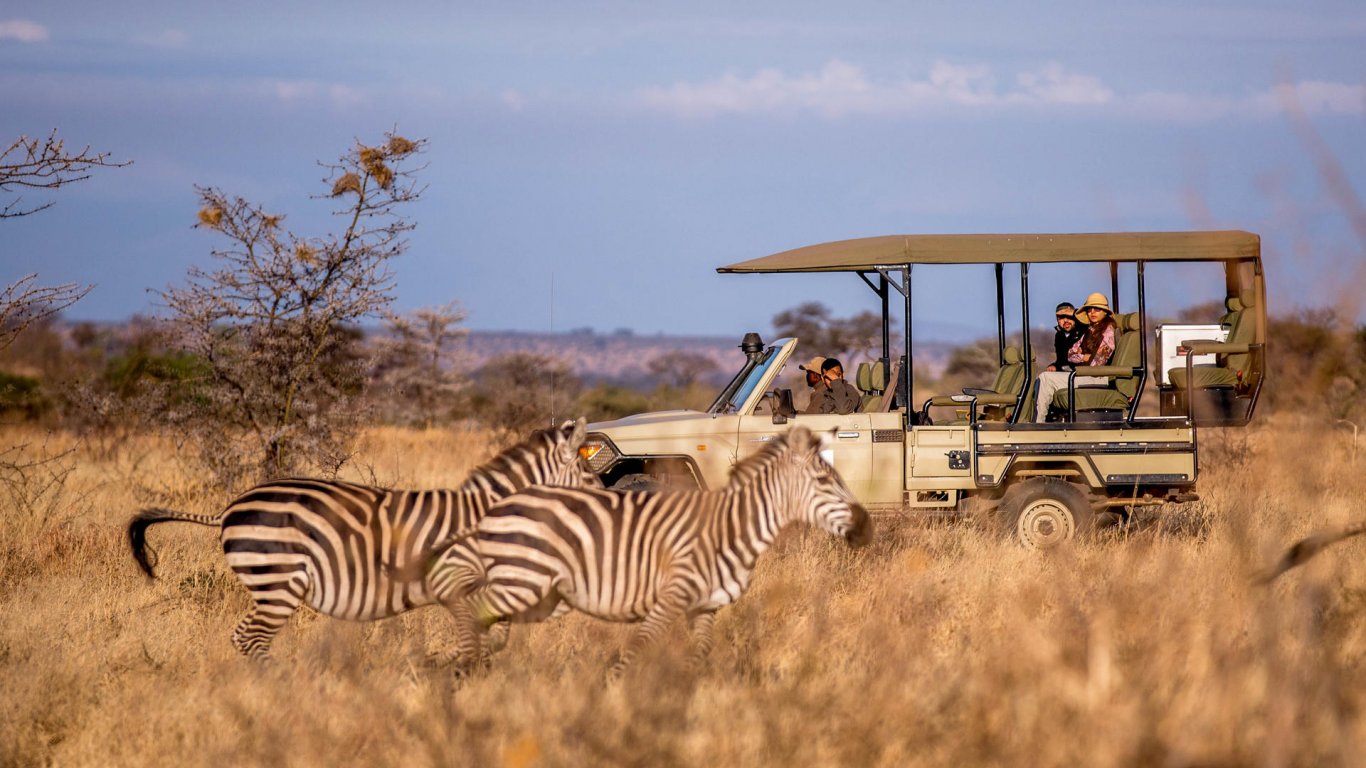
Absolutely. Many visitors climb Kilimanjaro first and then continue with a safari to Serengeti National Park, Ngorongoro Crater, Tarangire National Park, or Lake Manyara National Park. Others finish their adventure by relaxing on the white sandy beaches of Zanzibar. October offers excellent weather for both safaris and beach holidays, making it easy to enjoy more of Tanzania during one trip.
Start training several months before your climb so your body is ready for long walking days. Book your trip early because October is one of the busiest months on the mountain. Choose a route with enough days for proper acclimatization, pack warm clothing for freezing summit temperatures, and always follow your guide's advice. Remember that reaching the summit is not about walking fast. The people who succeed are usually the ones who walk slowly, stay patient, drink plenty of water, and allow their bodies to adjust naturally.
Because October is one of the most popular months, many climbing dates fill up well in advance. Booking early gives you a better choice of routes, departure dates, accommodation before and after the climb, and experienced mountain guides. It also gives you enough time to prepare physically, arrange your flights, and gather all the equipment you need.
Climb Kilimanjaro with Us
If you are planning to climb Kilimanjaro in October 2026–2027,we are ready to help you have a safe, successful, and unforgettable adventure. Our experienced mountain guides, quality camping equipment, well-planned itineraries, and personalized service ensure you have the best possible chance of reaching Uhuru Peak while enjoying every step of the journey.
Contact us today to book your October Kilimanjaro climb and begin planning your adventure to the highest mountain in Africa.
For bookings and inquiries:
📧 Email: redetours2005@gmail.com
📱 WhatsApp: +255 676 063 791