

Climbing Mount Kilimanjaro is already one of the most rewarding adventures you can experience, but climbing it for charity gives the journey an even greater purpose. Instead of reaching the summit only for personal achievement, you are also helping change lives by raising funds and awareness for a cause that matters to you. Every step toward Uhuru Peak becomes a step toward supporting children, protecting wildlife, improving healthcare, funding education, or helping communities in need. If you are thinking about climbing Kilimanjaro for charity in 2026 or 2027, this guide will help you understand how it works, how to plan your fundraising climb, and what you should know before beginning your journey.
Many people choose to climb Kilimanjaro because it is one of the world's most famous mountains and the highest peak in Africa. Reaching the summit at 5,895 meters (19,341 feet) is a life-changing achievement. However, when you climb for charity, your success means much more than reaching the top. Every training session, every donation, and every kilometer you climb represents support for people or organizations that need help. Friends, family, and colleagues often feel inspired to donate because they know how challenging the climb is. Your adventure becomes a way to encourage generosity while creating awareness about an important cause. Many charities organize Kilimanjaro fundraising climbs every year, while others allow participants to choose any registered charity they wish to support.
A charity climb works much like a regular Kilimanjaro trek, but with fundraising added before your trip. First, you choose the charity or nonprofit organization you want to support. Some organizations have official Kilimanjaro fundraising programs, while others simply encourage supporters to organize their own campaigns. After choosing your charity, you create a fundraising goal. Some people aim to raise $2,000, while others raise $10,000 or more. The amount depends on your network, your campaign, and the cause you are supporting. You then begin sharing your story with family, friends, coworkers, and social media followers. Many people donate because they want to support both your effort and the charity's mission. As your departure date gets closer, your supporters follow your progress and become part of your journey. Once fundraising is complete, you travel to Tanzania and climb Mount Kilimanjaro with a licensed local tour operator.
The most successful fundraising campaigns usually begin with a cause that is meaningful to the climber. People are more likely to donate when they understand why the cause matters to you. You may choose to support:
There is no single best charity to choose. What matters most is selecting a cause that you genuinely care about and can confidently explain to your supporters.
One of the most important decisions is selecting the right climbing route. Because fundraising climbs often include participants with different experience levels, choosing a route with a higher summit success rate is recommended. The Lemosho Route is one of the most popular choices because it offers beautiful scenery and excellent acclimatization. The Machame Route is another favorite thanks to its spectacular landscapes and good success rate. The Northern Circuit provides the highest summit success because it allows more time to adjust to the altitude. The Marangu Route is the only one with mountain huts instead of tents, while the Rongai Route is known for its quieter trails. Choosing a longer itinerary of seven or eight days generally improves your chances of reaching Uhuru Peak successfully.
Preparing for Kilimanjaro takes time, especially if you want to enjoy the experience and reach the summit safely. Most climbers begin training two to four months before departure. Your preparation should include regular walking, hiking, stair climbing, jogging, cycling, and strength exercises. It is also helpful to practice hiking with a backpack similar to the one you will carry on the mountain. Besides physical training, fundraising preparation is equally important. Share regular updates with your supporters, explain how donations will be used, and thank everyone who contributes. Keeping people involved often encourages additional support.
Climbing Kilimanjaro for charity does not usually cost less than a regular climb unless your charity specifically provides sponsorship or financial assistance. Your budget should include park fees, guide and porter services, accommodation before and after the climb, meals during the trek, camping equipment where required, airport transfers, and transportation. You should also budget separately for international flights, travel insurance, visas, personal gear, tips for the mountain crew, and any additional hotel nights. Many climbers choose to cover their own travel expenses so that every donation received goes directly to the charity.
Many first-time fundraisers worry that they will not reach their goal. The good news is that successful fundraising is often more about sharing your story than asking for money. Explain why you chose your charity, tell people why climbing Kilimanjaro matters to you, and provide regular updates throughout your preparation. Some supporters may donate small amounts, while others may contribute much more. Every donation helps. Some climbers also organize fundraising dinners, charity walks, online campaigns, workplace events, raffles, or community activities before traveling to Tanzania.
Once you arrive in Tanzania, your focus shifts from fundraising to climbing safely. Your experienced mountain guides monitor your health every day, checking your oxygen levels and watching for signs of altitude sickness. Each day includes hiking through changing landscapes, from rainforest and moorland to alpine desert and finally the arctic summit zone. Along the way, your guide encourages you to walk slowly using the famous "Pole Pole" pace, which helps your body adjust to the altitude. Summit night is the most challenging part of the climb, but it is also the most rewarding. Reaching Uhuru Peak while knowing your climb is helping others creates an emotional moment that many charity climbers never forget.
Success comes from planning both your fundraising campaign and your mountain preparation. Start fundraising early so supporters have enough time to contribute. Train consistently rather than trying to get fit at the last minute. Choose a reputable Kilimanjaro operator with experienced guides, good safety standards, and fair treatment of porters. Pack quality hiking gear, stay hydrated throughout the climb, eat well even if your appetite decreases, and always tell your guides if you begin feeling unwell. Remember that reaching the summit safely is more important than climbing quickly. Most importantly, keep your supporters updated before, during, and after your adventure. They will appreciate seeing the difference their donations have helped make.
Booking your charity climb with a licensed local Tanzanian operator ensures your money directly supports the local economy while providing experienced mountain guides who understand Kilimanjaro better than anyone. Local operators also employ guides, cooks, and porters from nearby communities, creating jobs and supporting families living around the mountain. Many local companies can also help organize customized charity climbs for schools, companies, churches, community groups, and nonprofit organizations.
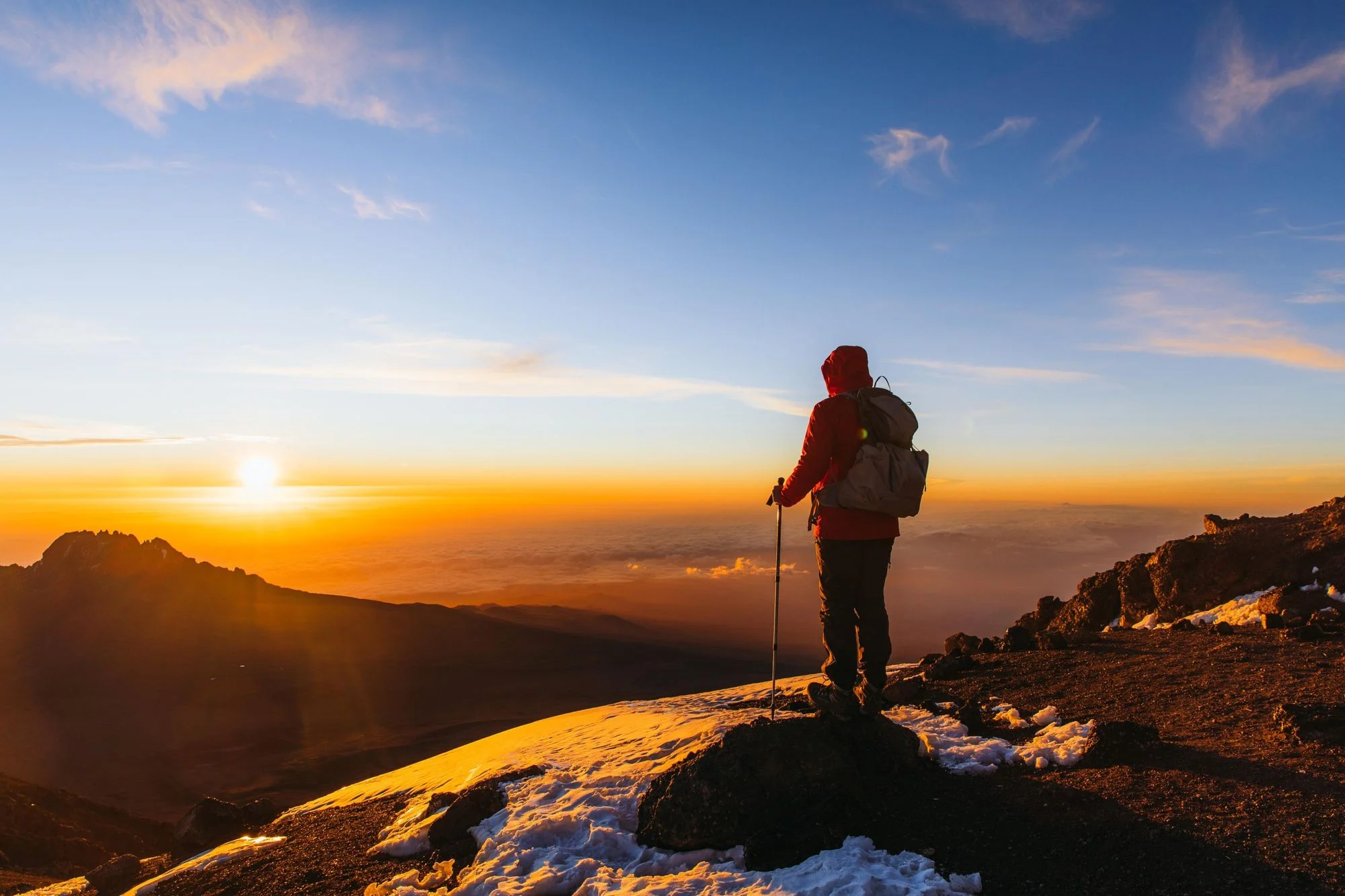
Climbing Kilimanjaro for charity in 2026–2027 is about much more than reaching Africa's highest point. It is about turning a personal challenge into an opportunity to make a positive difference in the lives of others. Every training session, every donation, and every step toward Uhuru Peak becomes part of a story that inspires hope, generosity, and determination. Whether you are raising funds for education, healthcare, wildlife conservation, clean water, or another meaningful cause, your Kilimanjaro climb can leave a lasting impact far beyond the summit.
Plan Your Charity Climb us
We specialize in safe, professionally guided Kilimanjaro climbs for individuals, charities, schools, companies, and fundraising groups. We can help you choose the best route, organize your itinerary, and ensure your charity adventure is both successful and unforgettable.
Contact Rede Tours and Safaris today to start planning your Climbing Kilimanjaro for Charity adventure in 2026–2027 and turn your dream of reaching Uhuru Peak into an opportunity to change lives.
For bookings and inquiries:
📧 Email: redetours2005@gmail.com
📱 WhatsApp: +255 676 063 791