
Rising majestically above the plains of Tanzania, Mount Kilimanjaro is Africa’s highest peak and one of the most sought-after trekking destinations in the world. Standing at 5,895 meters, it offers a unique, non-technical climb that takes you through multiple climate zones from lush rainforest to glaciers at the summit. Along the way, climbers experience dramatic changes in scenery, temperature, and altitude, making every step of the journey feel like a completely new adventure.
For 2026/2027, Kilimanjaro trekking packages are designed to give climbers the perfect balance of adventure, safety, and success. Modern expeditions focus on proper acclimatization, experienced guides, and well-planned itineraries to increase summit success rates. Whether you are a first-time trekker or an experienced hiker, there is a route and package tailored to your pace, fitness level, and personal goals, ensuring a rewarding and well-supported climb from start to finish.
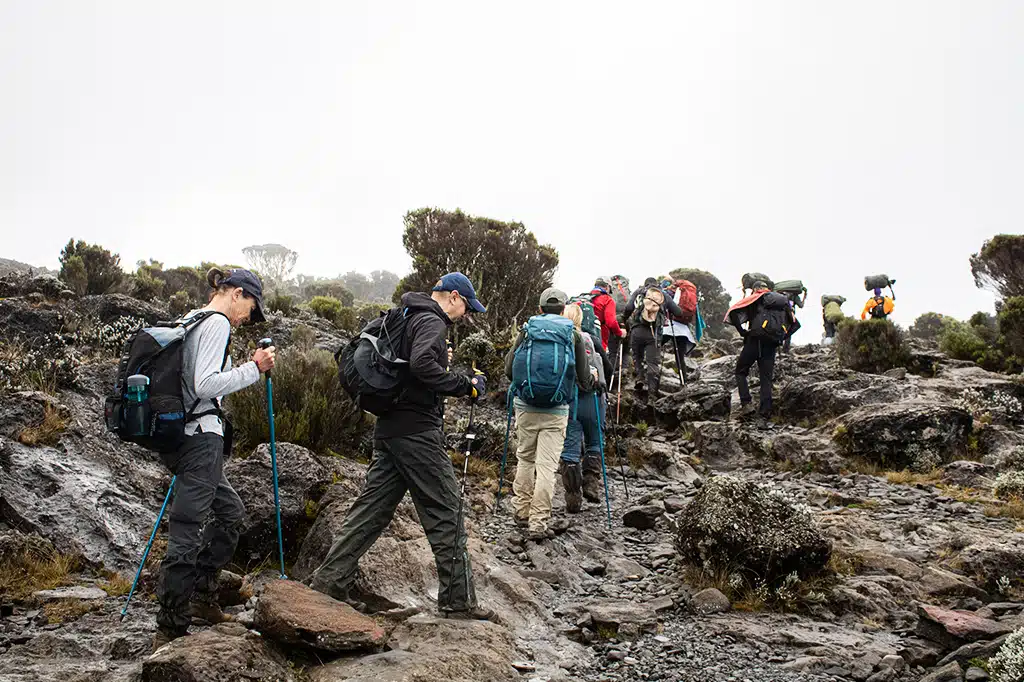
Climbing Kilimanjaro is more than just reaching the top it’s a journey through some of the most diverse landscapes on Earth. Over several days, you will pass through dense forests filled with wildlife, open moorlands covered in unique vegetation, and rocky alpine deserts shaped by extreme conditions. Each zone offers its own beauty and challenge, creating a trekking experience unlike anywhere else in the world.
The final reward is reaching the iconic summit of Uhuru Peak, where you stand above the clouds as the sun rises over Africa. This moment is not only breathtaking but also deeply personal, representing determination, endurance, and achievement.
Unlike many high mountains, Kilimanjaro does not require technical climbing skills or specialized mountaineering equipment. With determination, proper preparation, and the support of a professional team, it is achievable for most people with a reasonable level of fitness. This accessibility is what makes Kilimanjaro one of the most popular high-altitude treks in the world, attracting adventurers from all walks of life who want to challenge themselves and experience something truly extraordinary.
Kilimanjaro trekking packages typically range from $1,250 to $2,700 per person, depending on several factors:
Longer and better-acclimatized routes may cost more, but they significantly improve your summit success rate.
Choosing the right route is one of the most important decisions when planning your journey to the summit of Mount Kilimanjaro. Each route offers a different experience in terms of scenery, difficulty, acclimatization, and overall success rate. For your goal of Climbing the Roof of Africa in 2026/2027, selecting the right path can significantly impact both your comfort and your chances of reaching Uhuru Peak.
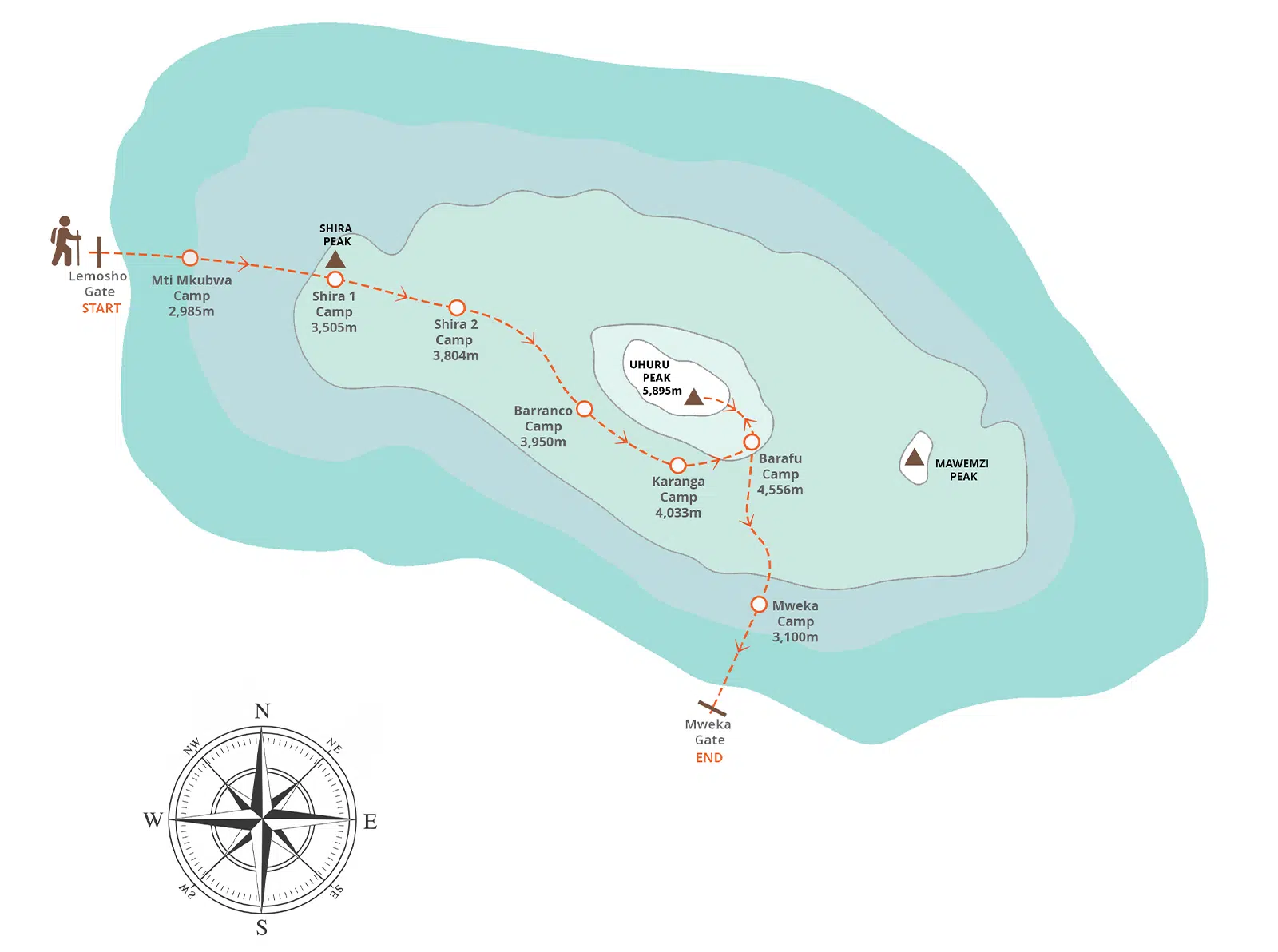
The 7 Days Lemosho Route is widely considered one of the most complete and rewarding ways to climb Mount Kilimanjaro. It begins on the remote western side of the mountain, offering a quieter and more exclusive start compared to busier routes. In the first days, you trek through rich rainforest filled with wildlife and gradually transition into open moorlands with wide panoramic views.
What makes this route especially powerful for a 2026/2027 Kilimanjaro trekking package is its excellent acclimatization profile. The gradual ascent allows your body to adapt naturally to altitude, reducing fatigue and increasing your chances of reaching Uhuru Peak. It strikes the perfect balance between comfort, scenery, and success, making it ideal for both beginners and experienced trekkers.
The 8 Days Lemosho Route is the premium choice for climbers who want the highest possible success rate and a more relaxed trekking experience. By adding an extra day to the itinerary, this route allows for better altitude adaptation, which is the key factor in successfully reaching the summit.
This slower pace not only improves safety but also enhances the overall experience. You’ll have more time to enjoy the landscapes, take photos, and recover between trekking days. For those aiming to truly enjoy the journey while maximizing their chances of standing on Uhuru Peak, this route is one of the best Kilimanjaro trekking packages available for 2026/2027.
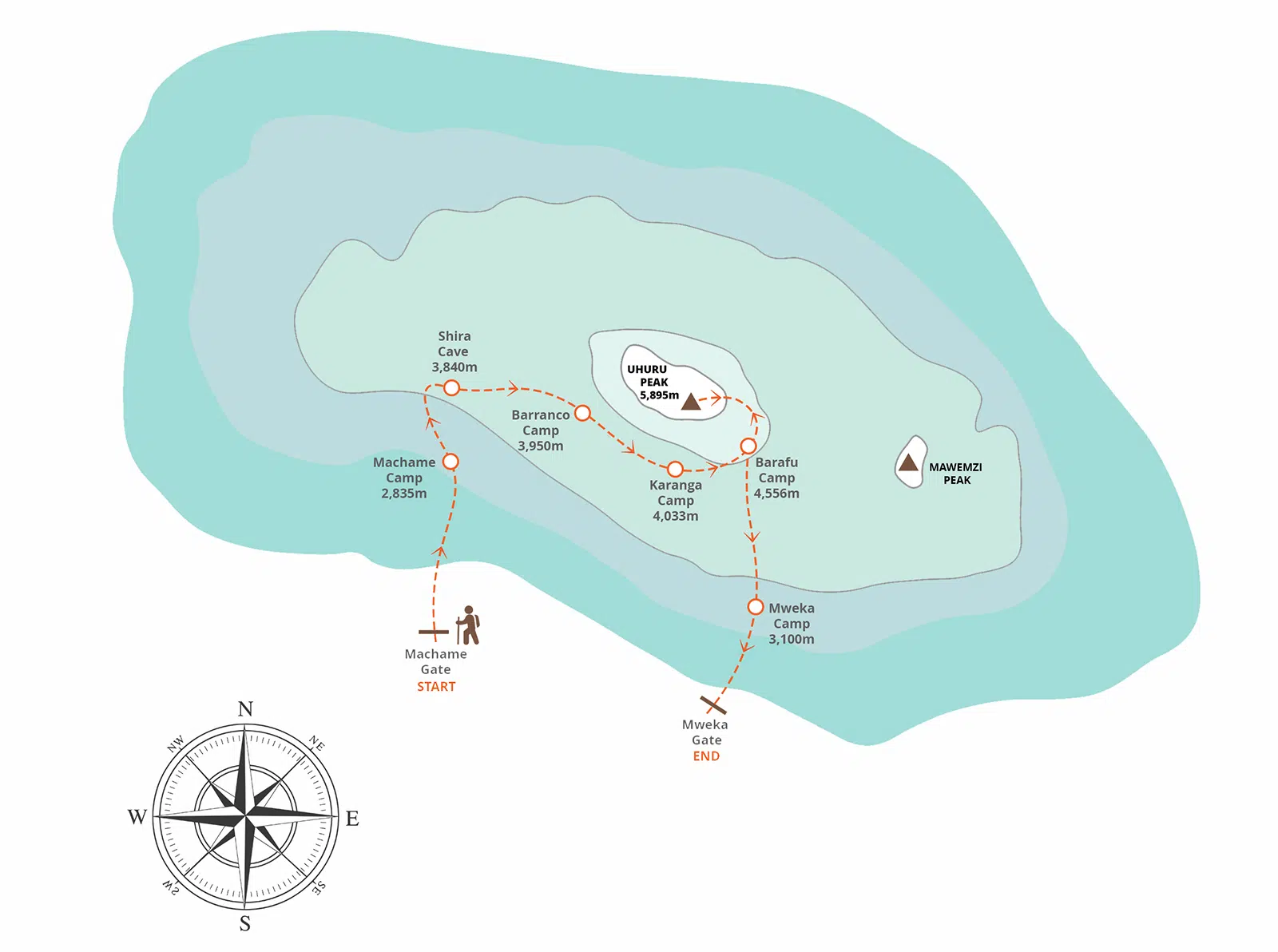
The 7 Days Machame Route, famously known as the “Whiskey Route,” is one of the most popular and adventurous ways to climb Mount Kilimanjaro. It is known for its steeper trails, varied terrain, and some of the most dramatic scenery on the mountain, including ridges, valleys, and stunning viewpoints.
This route is slightly more demanding physically, making it ideal for trekkers who are looking for a challenge and a sense of adventure. Despite its difficulty, it still offers a strong acclimatization profile, helping climbers prepare for the final ascent to Uhuru Peak. It’s a perfect choice for those who want a more active, exciting, and visually rewarding trekking experience.
The 6 Days Marangu Route is the most traditional and straightforward path to the summit of Mount Kilimanjaro. Often referred to as the “Coca-Cola Route,” it is the only route that offers hut accommodation instead of camping, making it a more comfortable option for many climbers.
The trail follows a direct path, which means fewer days on the mountain. While this is convenient for those with limited time, it also means less time for acclimatization. For climbers who prioritize comfort and simplicity over a slower pace, this route provides a practical way to reach Uhuru Peak, especially when choosing the 6-day option for slightly better success rates.
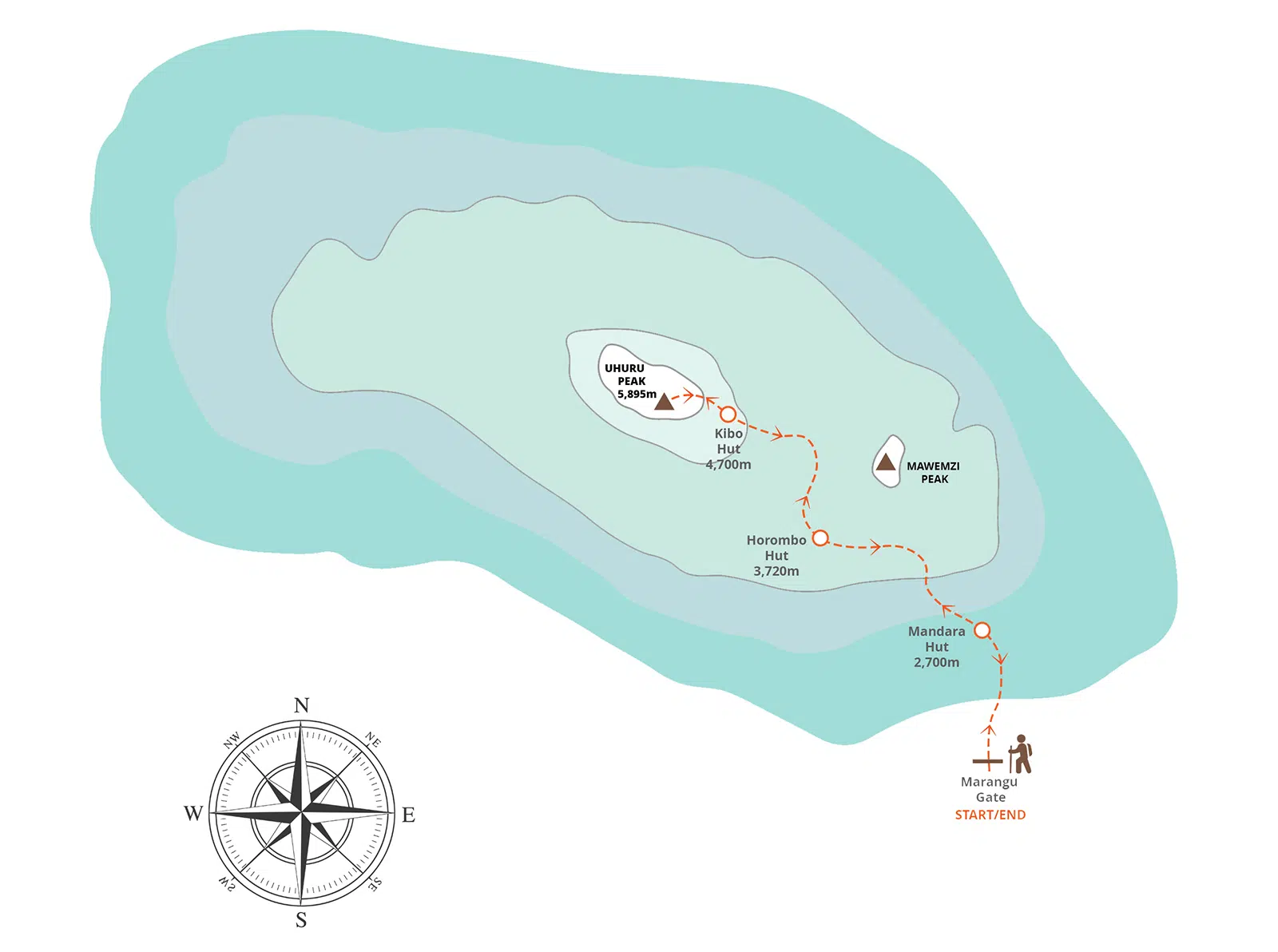
Choosing the Right Route for Your 2026/2027 Climb
Each route offers a unique way to experience Mount Kilimanjaro and reach the iconic Uhuru Peak.
Selecting the right route ensures your journey to the Roof of Africa is not only successful, but also unforgettable.
Climbing Mount Kilimanjaro is considered a moderate to challenging trek, but it is important to understand that it is not a technical climb. This means you do not need ropes, climbing equipment, or mountaineering experience. However, the real challenge comes from the high altitude, long trekking days, and changing weather conditions as you make your way toward Uhuru Peak.
Success on Kilimanjaro depends more on endurance, pacing, and mental strength than pure physical power. The trek involves several consecutive days of hiking, often at high altitude where oxygen levels are lower. As you go higher, your body must adjust, which is why good preparation and choosing the right itinerary are essential.
To comfortably complete the climb, you should be:
No prior climbing experience is required, making Kilimanjaro accessible to many people. However, proper preparation such as regular hiking, cardio workouts, and building stamina will greatly improve your overall experience and increase your chances of reaching the summit successfully.
One of the most important aspects of climbing Mount Kilimanjaro is understanding how altitude affects the human body. As you ascend higher, the air becomes thinner and oxygen levels gradually decrease. This is the main challenge on the mountain and can lead to Altitude Sickness if not properly managed. Symptoms may include headache, fatigue, nausea, or dizziness, especially when climbing too quickly.
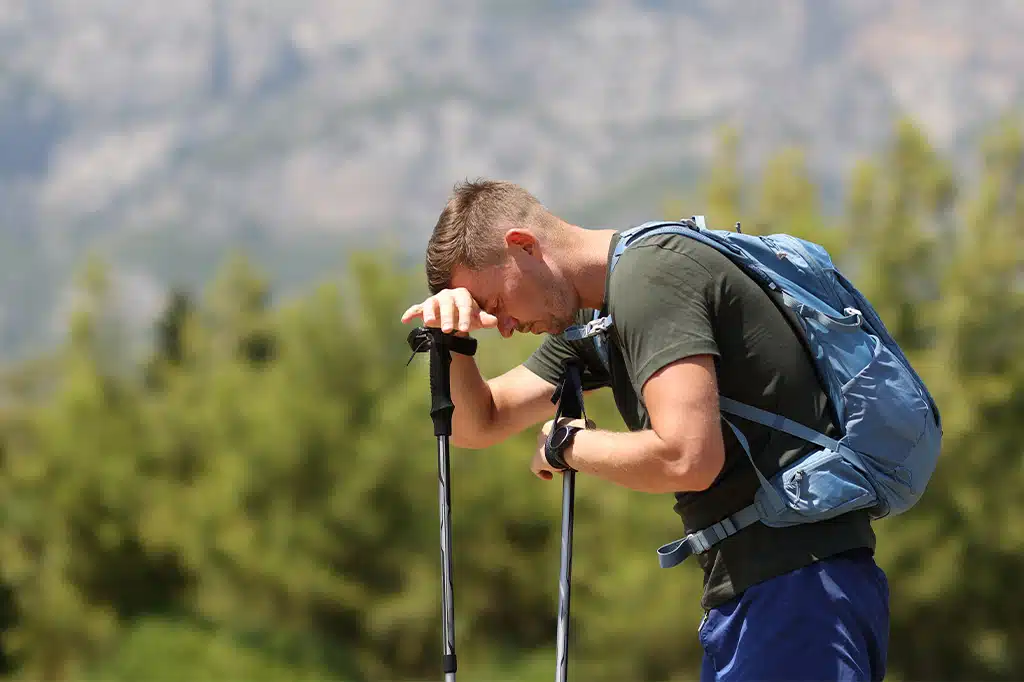
Because of this, successful summit attempts are not about speed they are about slow, steady, and controlled ascent. Proper acclimatization is the key factor that separates successful climbers from those who turn back early.
Professional mountain guides play a very important role in keeping climbers safe throughout the journey to Uhuru Peak. They are trained to recognize early signs of altitude sickness and take immediate action when needed.
They manage safety by:
In addition, all professional Kilimanjaro trekking packages for 2026/2027 include essential safety equipment. This typically consists of portable oxygen systems, first aid kits, and emergency communication tools. These measures ensure that climbers are well-supported throughout the expedition.
With the right guidance, preparation, and safety systems in place, climbing Kilimanjaro becomes a controlled and well-managed adventure rather than a risky ascent.
When planning your climb on Mount Kilimanjaro, one of the most important factors to consider is the summit success rate. Reaching Uhuru Peak is not only about physical fitness it is strongly influenced by the route you choose and, most importantly, the number of days spent on the mountain.
The main reason for differences in success rates is acclimatization time. The longer your body has to adjust to high altitude, the better your chances of avoiding altitude-related problems and completing the climb successfully. Shorter routes move faster, which increases physical strain and reduces adaptation time.
Here is a general breakdown of summit success rates based on itinerary length:
Choosing a longer itinerary is one of the most effective decisions you can make when planning your Kilimanjaro trekking package for 2026/2027. It not only improves your chances of reaching the summit but also makes the entire journey more comfortable, safer, and enjoyable.
A climb on Mount Kilimanjaro is not just a single summit push it is a gradual journey through completely different ecological zones. Each day feels like entering a new world, with changing landscapes, temperatures, and challenges as you move step by step toward Uhuru Peak. This progression is what makes the experience so unique and unforgettable.
Below is a simple breakdown of what a typical Kilimanjaro trekking experience looks like:
Each day is a step-by-step transformation of scenery, stamina, and altitude, making the journey to the Roof of Africa as memorable as the summit itself.
Most Kilimanjaro trekking packages are all-inclusive:
This ensures a smooth and stress-free experience from arrival to summit.
Proper gear is one of the most important parts of preparing for a successful climb on Mount Kilimanjaro. Weather conditions change dramatically as you ascend from warm rainforest at the base to freezing temperatures near Uhuru Peak so having the right equipment ensures safety, comfort, and better performance throughout the trek.
Below are the essential items every climber should pack:
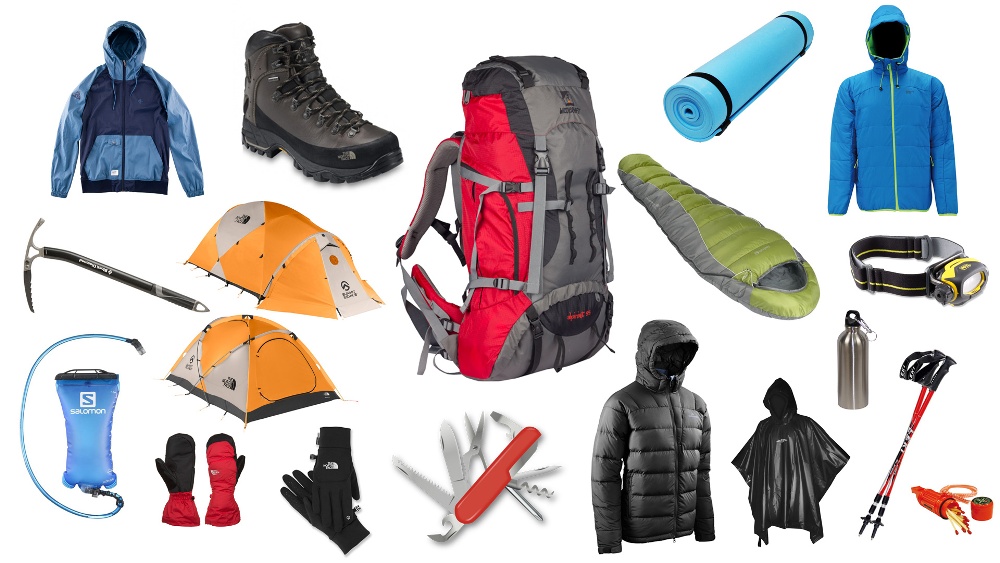
Having the correct gear not only improves comfort but also plays a major role in your safety and endurance. Well-prepared climbers are able to handle altitude, weather changes, and long trekking days much more effectively, increasing their chances of successfully reaching the Roof of Africa.
The timing of your climb on Mount Kilimanjaro is very important because weather conditions directly affect visibility, safety, and your chances of reaching Uhuru Peak successfully. While the mountain can be climbed all year round, certain months offer much better trekking conditions.
Below are the best months grouped into the most recommended climbing seasons:
These months are preferred because they offer the most stable weather conditions, better visibility, and safer trekking environments. Choosing any of these periods for your 2026/2027 Kilimanjaro trekking package greatly increases your comfort and your chances of successfully reaching the Roof of Africa.
When planning a trek on Mount Kilimanjaro, you can choose between joining a group climb or booking a private expedition. Both options follow the same routes and include full mountain support, but the experience differs depending on your travel style and preferences as you aim for Uhuru Peak.
A group climb is more affordable because costs are shared among climbers, making it a great option for budget-conscious travelers. It also follows fixed departure dates, meaning you join a scheduled group with other international trekkers, creating a social and team-oriented experience on the mountain.
A private climb, on the other hand, offers full flexibility and a more personalized experience. You can choose your own dates and climb at your preferred pace, which is ideal for better comfort and acclimatization. This option is especially suitable for couples, families, or small groups who want a more exclusive journey.
Both options provide full professional support, including guides, porters, meals, and safety equipment. The best choice depends on your budget, comfort level, and travel style.
We focus on delivering not just a climb but a safe, memorable, and life-changing experience.
.jpg)
Climbing Mount Kilimanjaro is widely regarded as one of the most rewarding and iconic adventures in the world. It is a journey that challenges your body, strengthens your mind, and rewards you with unforgettable views from the highest point in Africa. With proper preparation, the right trekking route, and a professional support team, reaching Uhuru Peak is not just a dream it is a realistic and achievable goal for many trekkers.
However, the true value of the climb goes far beyond the summit itself. It is about every step you take through changing landscapes, every moment of pushing through challenges, and every personal breakthrough along the way. The experience builds confidence, resilience, and memories that last a lifetime. Standing at the Roof of Africa is powerful, but the journey that gets you there is just as meaningful.
Book Your Kilimanjaro Trek 2026/2027 Today
Kilimanjaro trekking packages for 2026/2027 are in high demand, especially during peak climbing seasons when weather conditions are most favorable. Early booking is strongly recommended to secure your preferred route, departure date, and experienced mountain crew.
Starting your journey early also allows better planning, training, and preparation, which significantly improves your comfort and summit success rate.
Start your journey today:
Your adventure to the Roof of Africa begins the moment you decide to take the first step.