
Climbing Mount Kilimanjaro is one of the most powerful adventure experiences in the world. Standing at 5,895 meters in Tanzania, it gives trekkers a rare opportunity to stand on the highest free-standing mountain on Earth without needing technical climbing skills. The journey takes you through multiple ecosystems from rainforest and moorland to alpine desert and finally the icy summit of Uhuru Peak.
What makes Kilimanjaro special is that it is not just about reaching the top, but about the transformation you experience along the way. Every day on the mountain challenges your body, builds mental strength, and rewards you with breathtaking landscapes that change as you ascend higher. Whether you are a beginner, an experienced hiker, or a luxury traveler, our 2026 Kilimanjaro packages are carefully designed to match different budgets, comfort levels, and summit ambitions.
.webp)
Choosing expert guides is the most important decision for your success on Mount Kilimanjaro. The mountain is not technically difficult, but altitude, weather changes, and physical endurance make it a serious challenge.
Our professional team ensures:
We have guided thousands of climbers with a high summit success rate of up to 90% on longer routes, making your journey safer and more achievable.
We offer carefully designed climbing packages on Mount Kilimanjaro to suit different budgets, comfort levels, and climbing goals. Each package is built to ensure safety, proper acclimatization, and a high chance of reaching Uhuru Peak while giving you the best possible experience in Tanzania.
Affordable Kilimanjaro packages are ideal for adventurous travelers who want to experience the mountain in its most authentic form without spending too much. These climbs still include full professional support, experienced mountain guides, nutritious meals, and all essential camping equipment.
The focus of this package is simplicity and adventure. You will sleep in mountain tents, eat freshly prepared meals, and follow a well-planned itinerary designed to keep you safe while maximizing your chances of success. Although the cost is lower, safety standards and guiding quality remain the same as higher packages. This option is perfect for those who prioritize the journey and want a real mountain expedition experience on Mount Kilimanjaro.
Standard packages offer a more balanced experience between comfort and affordability. They are designed especially for first-time climbers who want better equipment, more support, and improved acclimatization.
With this package, you often climb longer routes, which gives your body more time to adjust to altitude and significantly increases your summit success rate. Camps are more organized, gear quality is upgraded, and services are more personalized. This level is ideal for travelers who want a smoother experience while still enjoying a true trekking adventure in Tanzania.
Luxury Kilimanjaro packages are designed for travelers who want maximum comfort while still enjoying the challenge of climbing Mount Kilimanjaro. These packages combine adventure with premium service, making your time on the mountain much more comfortable and exclusive.
You will stay in spacious high-quality tents with comfortable bedding, enjoy freshly prepared meals by professional mountain chefs, and have access to private portable toilet facilities for better hygiene and convenience. The guide-to-client ratio is also smaller, meaning you receive more personalized attention throughout the climb. Every detail is carefully arranged so you can focus on the experience rather than logistics.
Every Kilimanjaro climbing package on Mount Kilimanjaro is designed to give you a safe, well-supported, and well-organized experience from arrival to summit and descent. No matter your chosen package, the following services are included:
These inclusions ensure that every climber, regardless of budget or package type, receives a safe, structured, and professionally guided experience on their journey up Mount Kilimanjaro.
NOTE: No matter which package you choose, every climb on Mount Kilimanjaro is designed with one goal in mind helping you reach the summit safely and successfully while enjoying one of the greatest adventures on Earth.
A longer itinerary improves acclimatization and success on Mount Kilimanjaro.
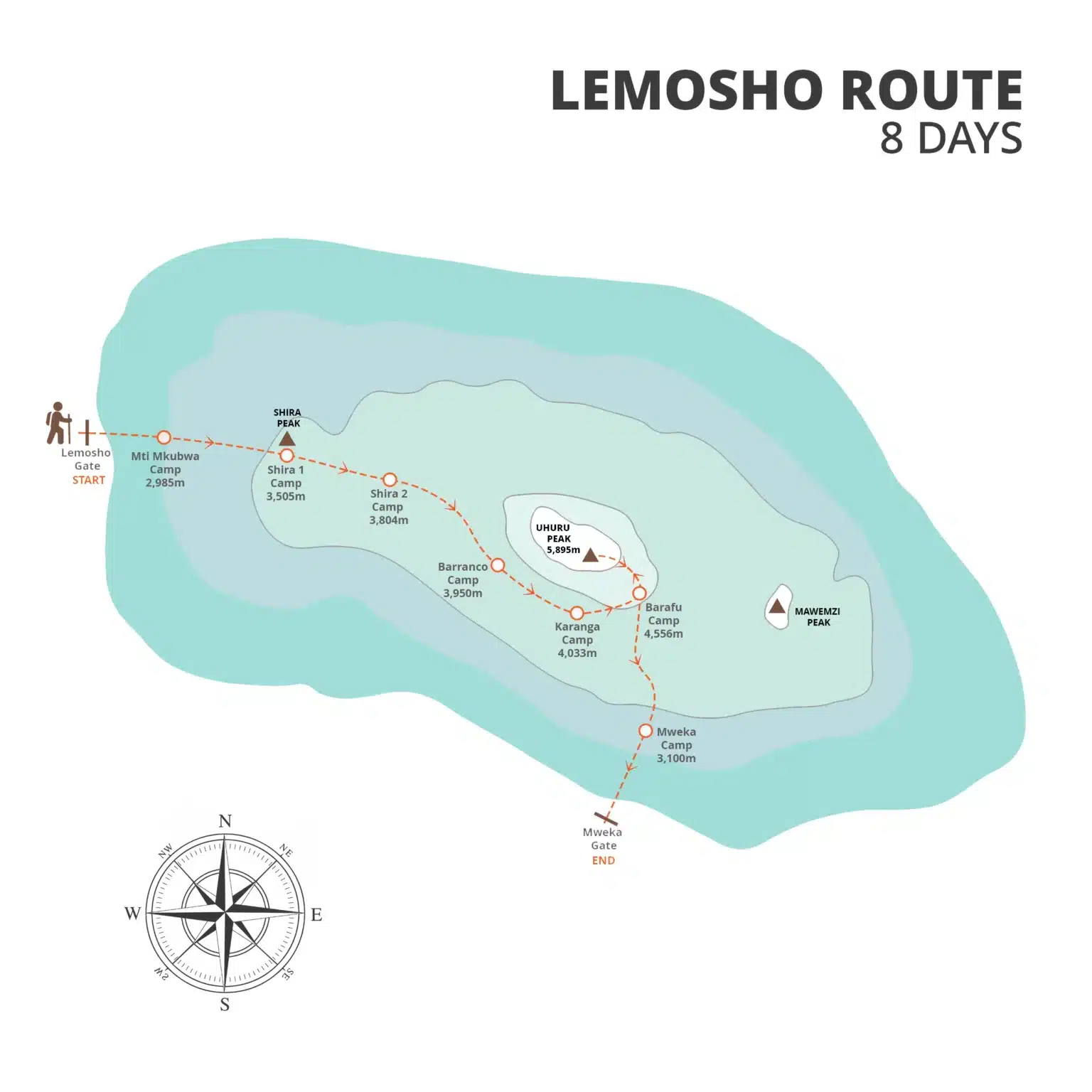
Day 1: Lemosho Gate to Forest Camp
Day 2: Forest Camp to Shira Plateau
Day 3: Shira to Lava Tower and Barranco Camp
Day 4: Barranco Camp to Karanga Camp
Day 5: Karanga to Barafu Camp
Day 6: Summit attempt to Uhuru Peak and descent to Mweka Camp
Day 7: Mweka Camp to Gate
This gradual ascent allows your body to adapt properly, reducing altitude sickness and increasing summit success.
Choosing the right route on Mount Kilimanjaro is one of the most important decisions you will make before your climb. Each route differs in scenery, difficulty, number of days, and summit success rate. In general, longer routes give your body more time to adapt to altitude, which greatly improves your chances of reaching Uhuru Peak safely.
The Machame Route is the most popular route on Kilimanjaro and is often called the “Whiskey Route” because it is more challenging than the easier options. It is famous for its dramatic and diverse scenery, taking you through dense rainforest, rocky ridges, volcanic landscapes, and high alpine desert before reaching the summit zone. This route is physically demanding because of its steep ascents and descents, especially at the Barranco Wall section, which requires both stamina and confidence. However, it is one of the best routes for acclimatization because it follows a “climb high, sleep low” pattern. This allows your body to adjust gradually to the decreasing oxygen levels, reducing the risk of altitude sickness. On the 7-day option, the success rate is significantly higher, making it a favorite for adventurous climbers who want both challenge and beauty.
The Lemosho Route is considered the most scenic and balanced route on Mount Kilimanjaro. It begins on the remote western side of the mountain, which means fewer crowds and a more peaceful start to your journey. In the early days, you walk through untouched rainforest and open valleys, giving a strong sense of wilderness and isolation. One of the biggest advantages of Lemosho is its gradual ascent. Because the route is longer, your body has more time to adapt to altitude, which makes it one of the safest and highest success-rate options. As you progress, the route joins the Machame trail, meaning you still experience the iconic viewpoints such as Lava Tower and Barranco Valley. It is especially recommended for beginners, photographers, and climbers who want a more relaxed and scenic journey.
The Marangu Route is unique because it is the only route on Kilimanjaro with hut accommodation instead of camping. This makes it more comfortable for climbers who prefer sleeping in beds rather than tents, especially during cold nights at higher altitude. The trail is more direct and less varied in scenery compared to other routes, but it is still beautiful, passing through rainforest and moorland before reaching the summit. However, the main challenge is its shorter duration. Because it takes fewer days, climbers have less time to adjust to altitude, which increases the risk of altitude sickness. For this reason, it is often recommended for experienced trekkers or those who are confident in their physical fitness and acclimatization ability. Despite this, Marangu remains popular among climbers who prefer a simpler logistics setup and more basic comfort on the mountain.
The Rongai Route approaches Mount Kilimanjaro from the northern side near the Kenyan border. It is known for being one of the quietest routes, offering a more remote and peaceful trekking experience compared to the busier southern routes. The terrain is more gradual, making the climb feel less steep and physically less intense in the early stages. This makes it a good option for climbers who prefer a steady pace or who want to avoid crowded trails. It is also one of the best choices during rainy seasons because the northern side receives less precipitation. Although the scenery is less dramatic in some sections, Rongai offers a unique perspective of Kilimanjaro, with wide open landscapes and a strong wilderness feel. It is also often chosen by climbers looking for a different and less commercialized experience.
Final Advice
All routes on Mount Kilimanjaro can lead to the summit, but your success largely depends on choosing the right duration and acclimatization level. Longer routes like Lemosho and Machame (7–8 days) consistently offer higher summit success rates because they allow your body to adapt properly. In the end, the best route is not just about difficulty or scenery bit is about giving yourself the best possible chance to reach Uhuru Peak safely and enjoy the journey along the way.
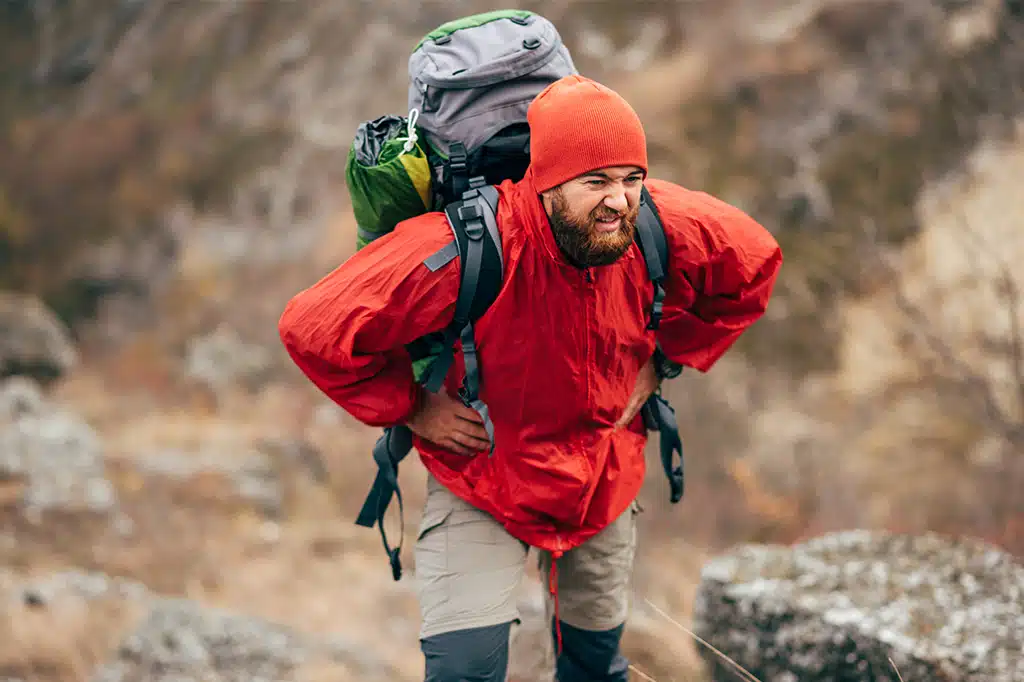
Altitude is the biggest challenge on Kilimanjaro. As you climb higher, oxygen levels decrease, affecting your body’s performance.
Common symptoms include:
We manage this carefully by:
This system greatly increases your safety and summit success.
The timing of your climb on Mount Kilimanjaro plays a major role in your safety, comfort, scenery, and overall summit success. Although the mountain can be climbed throughout the year, certain months offer much better weather conditions, clearer views, and more enjoyable trekking experiences.
This period is one of the most peaceful times to climb Mount Kilimanjaro. The mountain is less crowded, which gives you a more personal and quiet experience on the trails. The landscapes are especially beautiful, with clear skies often revealing stunning views of glaciers and surrounding valleys. Temperatures are generally cooler, especially at higher altitudes, but conditions are still manageable for well-prepared climbers. There is also a higher chance of snow near the summit, which adds to the beauty but can make the final ascent colder. This season is ideal for climbers who prefer fewer crowds and a more relaxed atmosphere.
This is considered the best and most popular climbing season on Mount Kilimanjaro. During these months, the weather is mostly dry, skies are clear, and trail conditions are more stable. These factors make trekking safer and more comfortable. Visibility is excellent, allowing climbers to enjoy breathtaking views across different ecosystems as they ascend. Because of the stable weather, this season attracts many climbers from around the world, making the mountain busier than other times of the year. However, it is also the period with the highest summit success rates, especially on well-planned routes.
This is the long rainy season, and conditions on Mount Kilimanjaro can become very challenging. Trails are often muddy, slippery, and difficult to navigate. Cloud cover is common, reducing visibility and making the trekking experience less enjoyable. Although climbing is still possible, most operators avoid this season because of safety concerns and poor weather conditions. It is generally not recommended unless you are an experienced trekker looking for a very quiet and challenging expedition.
November brings a shorter rainy season, meaning conditions are unpredictable. Some days may be clear and enjoyable, while others can be wet and cloudy. Trails are less crowded, but weather instability can affect visibility and comfort during the climb. For climbers seeking a balance between fewer crowds and acceptable conditions, this month can still work, but it is not the most reliable choice.
The best time to climb Mount Kilimanjaro is either January to March or June to October. These periods offer the best combination of safety, weather, and visibility. If you want quieter trails and scenic beauty, choose January to March. If you prefer the most stable weather and highest chance of reaching the summit, June to October is the best option.
Your journey starts at Kilimanjaro International Airport (JRO). From there:
Everything is organized so you can focus entirely on your climb.
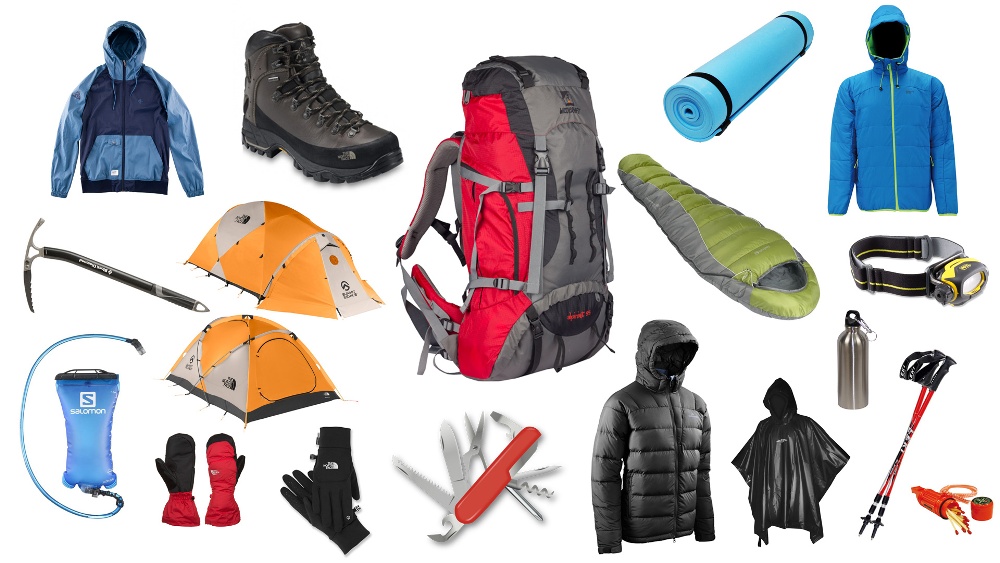
A successful climb of Mount Kilimanjaro depends greatly on having the right equipment. Because the mountain has multiple climate zones, conditions change quickly from warm rainforest to freezing summit temperatures, so proper preparation is essential. You need layered clothing that allows you to adjust as temperatures change during the day. A warm insulated jacket is required for summit night when temperatures drop significantly. Waterproof outer layers are also important to protect you from rain and wind at higher elevations. Well-broken-in hiking boots are essential for comfort and safety on rocky and uneven trails.
Other key items include thermal gloves and a warm hat for cold conditions, a high-quality sleeping bag suitable for sub-zero temperatures, a headlamp for night trekking, and a hydration system or water bottles to stay properly hydrated throughout the climb.
Sunscreen, sunglasses, and dry bags for protecting gear from rain are also strongly recommended.
Climbing Mount Kilimanjaro is a major adventure, and it’s normal to have many questions before committing. Understanding the reality of the climb helps you prepare better mentally, physically, and financially, which directly increases your chances of reaching the summit successfully.
Climbing Kilimanjaro is considered a non-technical but physically demanding trek. This means you do not need ropes, climbing skills, or mountaineering experience, but you do need endurance and mental strength. The biggest challenge on Mount Kilimanjaro is altitude, not terrain. As you ascend, oxygen levels drop significantly, and your body must work harder to function normally. This can cause fatigue, slower walking pace, and mild altitude symptoms such as headache or nausea. What makes the climb manageable is the slow pace used by professional guides, often called “pole pole” (slowly, slowly). This approach gives your body time to adjust naturally. With proper pacing, hydration, and rest, even people with average fitness levels can successfully reach the summit.
No technical experience is required to climb Mount Kilimanjaro. Unlike other high mountains that require ropes or ice climbing skills, Kilimanjaro is a trekking peak. This means the entire journey is walking, although it can be long and steep in some sections. The main requirement is good physical preparation such as walking, hiking, or light cardio training before your trip. Many climbers who succeed are first-timers who have never done high-altitude trekking before. What matters most is not experience, but preparation, mindset, and willingness to follow your guide’s instructions.
Yes, beginners can absolutely climb Kilimanjaro and thousands do it every year. The success of beginners depends mainly on three factors: choosing the right route, allowing enough acclimatization time, and maintaining a steady pace. Longer routes such as 7–8-day climbs are strongly recommended for beginners because they reduce altitude pressure on the body. These routes give you more time to adapt gradually, which significantly lowers the risk of altitude sickness. On Mount Kilimanjaro, success is not about speed or strength it is about patience, consistency, and listening to your body. With experienced guides supporting you every step of the way, beginners can safely reach Uhuru Peak
Tipping is a standard and important part of climbing Kilimanjaro. The mountain crew including guides, porters, and cooks works extremely hard to support your journey by carrying equipment, preparing meals, setting up camps, and ensuring your safety. Because their work is physically demanding and takes place at high altitude, tipping is an expected way of showing appreciation. The amount depends on the route and number of days, but clear guidelines are always provided before the climb so you can prepare in advance. At the end of the trek, tipping is usually done during a small ceremony at the gate, where climbers thank the crew for their support throughout the journey on Mount Kilimanjaro.
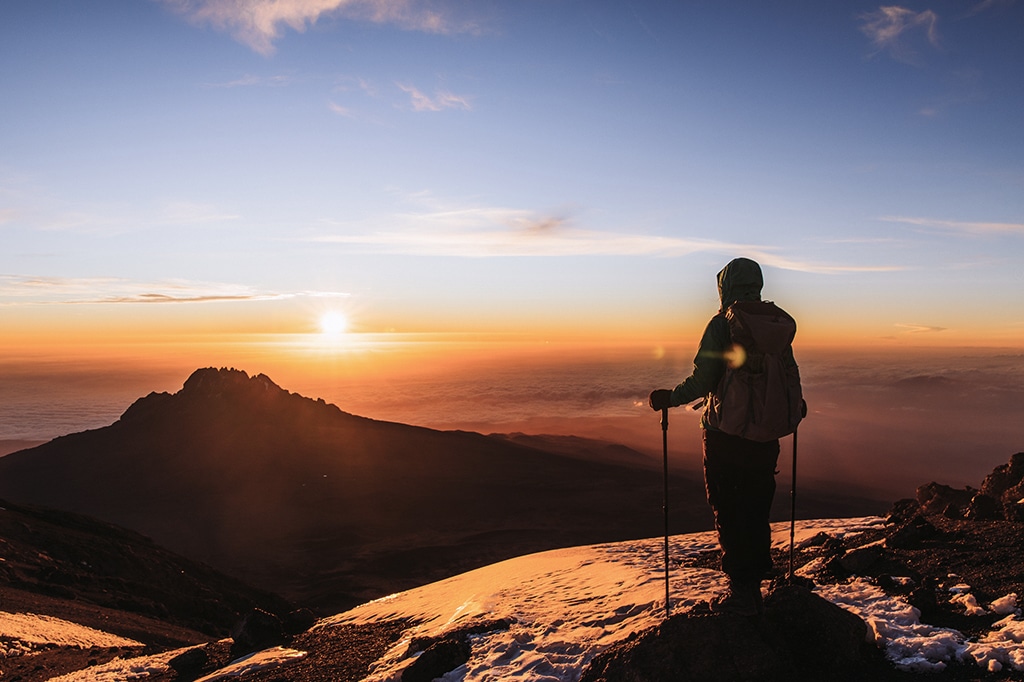
Climbing Mount Kilimanjaro is not just a trek it is a powerful personal achievement that tests your strength, patience, and determination. It is a journey that takes you through completely different worlds in just a few days, from dense rainforest at the base to rocky alpine desert and finally to the freezing summit of Uhuru Peak. Every step on the mountain teaches something new. The slow pace helps you understand endurance, the altitude challenges your limits, and the changing landscapes keep you motivated even when the climb becomes difficult. Reaching the summit is not only about standing at the highest point in Africa it is about proving to yourself what you are capable of achieving.
Book Your 2026 Kilimanjaro Adventure Today
Climbs on Mount Kilimanjaro for 2026 are limited, especially for the best routes and peak seasons. Early booking is highly recommended to secure your preferred dates, benefit from better planning, and ensure availability with experienced guides. Booking early also gives you more time to prepare physically and mentally, which greatly improves your comfort and summit success rate.
Contact us today and take the first step toward turning your Kilimanjaro dream into reality.