

Climbing Mount Kilimanjaro in a day is something many travelers think about when planning their trip to Tanzania. Some people ask this because they have limited holiday time, while others believe that being physically fit can help them reach the summit faster. Mount Kilimanjaro is Africa’s highest mountain, standing at 5,895 meters above sea level, and reaching Uhuru Peak is a dream for many adventurers. The simple answer is no; you cannot normally climb Mount Kilimanjaro to the summit and return in one day. The mountain is too high, and your body needs enough time to adjust to the altitude. Even if you are strong, experienced in hiking, or very fit, climbing too quickly can be dangerous because the biggest challenge on Kilimanjaro is not only the distance but the change in altitude. Kilimanjaro is a trekking mountain, which means you do not need technical climbing skills, ropes, or professional mountaineering experience. However, the altitude makes the climb challenging. A safe climb requires a slower pace, proper preparation, and enough time for your body to adapt.
The main reason you cannot climb Kilimanjaro in one day is the rapid increase in altitude. The mountain starts at around 1,800 meters above sea level, and the summit is almost 5,900 meters high. Imagine starting your morning at the base of the mountain and trying to walk all the way to the top in a single day. Your body would move from normal oxygen levels to an environment where the air has much less oxygen. This sudden change can make you feel very sick. Many people experience altitude problems when they climb too fast. You may start feeling headaches, dizziness, tiredness, nausea, or difficulty breathing. In serious cases, altitude sickness can become dangerous and force climbers to turn back. This is why experienced guides always recommend taking several days on the mountain. The slower you climb, the better chance your body has to adjust.
A normal Mount Kilimanjaro climb usually takes between 5 and 9 days depending on the route. These days are not because the mountain is impossible to walk, but because your body needs time to adjust to the high elevation. During a normal climb, you walk a certain distance each day, rest at camps, drink plenty of water, eat well, and allow your body to become comfortable with the altitude.
Most climbers choose routes such as:
Route |
Average Climbing Days |
|
Marangu Route |
5–6 Days |
|
Machame Route |
6–7 Days |
|
Lemosho Route |
7–8 Days |
|
Rongai Route |
6–7 Days |
|
Northern Circuit Route |
8–9 Days |
Taking more days usually makes the climb safer and more enjoyable.
Yes, although you cannot reach Uhuru Peak in one day, you can still experience Mount Kilimanjaro through a one-day hiking trip. For travelers who have limited time, a Kilimanjaro day hike is a great option. Instead of climbing to the summit, you explore the lower part of the mountain and enjoy the beautiful nature inside Kilimanjaro National Park. One of the most popular options is the Marangu Gate to Mandara Hut hike.
During this one-day experience, you can:
It is a good choice for visitors who want to say they have walked on Kilimanjaro but do not have enough time for a full summit climb.
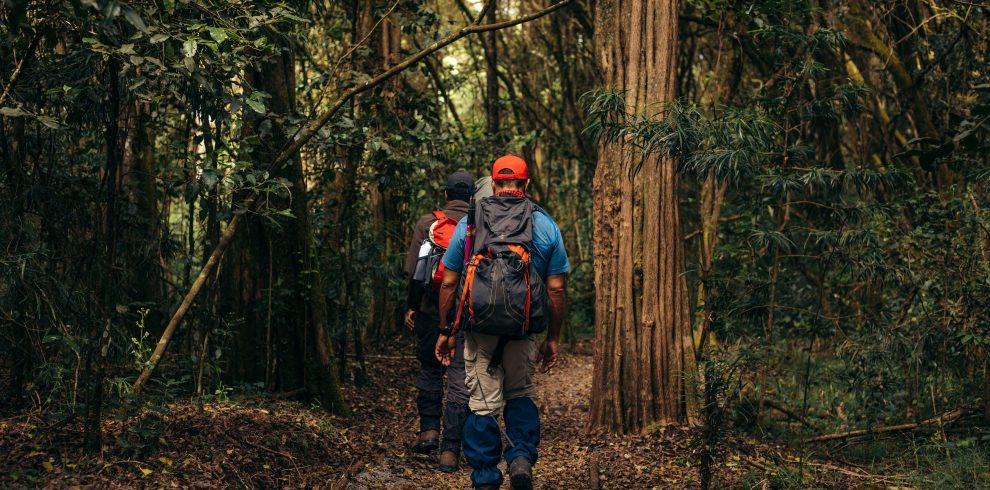
Many people think climbing Kilimanjaro is difficult because of steep paths or technical climbing, but that is not the main challenge.
The biggest challenge is altitude. You may be able to walk long distances at home, run regularly, or have previous hiking experience, but high altitude affects everyone differently. A person who takes their time may succeed, while someone who rushes may struggle. This is why guides often tell climbers “Pole pole,” which means “slowly slowly” in Swahili. Walking slowly helps your body adjust and saves energy for the higher sections of the mountain.
Trying to climb Kilimanjaro quickly can reduce your chances of reaching the summit. When you rush, your body does not have enough time to adapt, and you may become too tired before reaching the top.
A slower climb allows you to:
The goal of climbing Kilimanjaro is not to finish as fast as possible. The real achievement is reaching Uhuru Peak safely and enjoying every part of the journey.
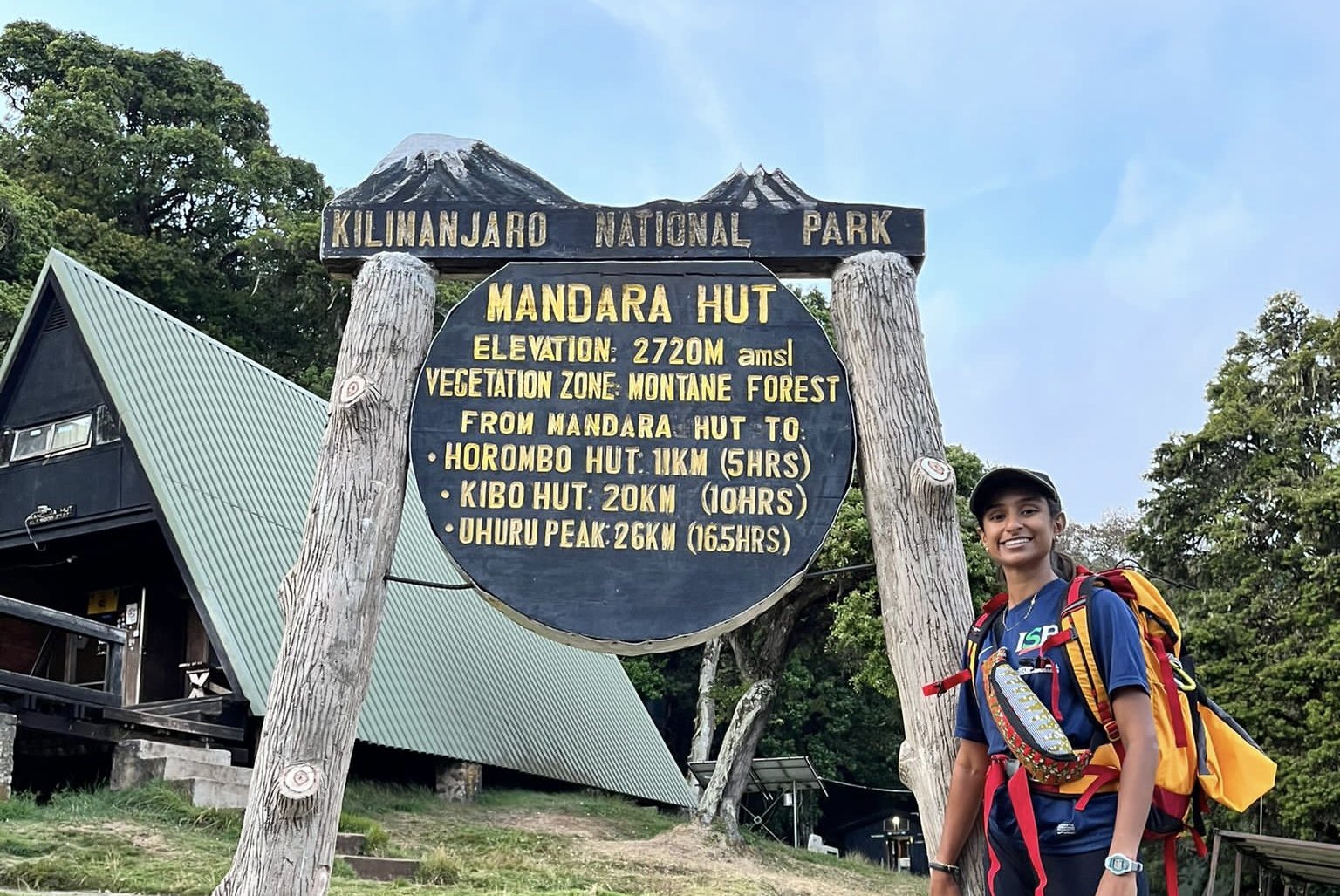
No, climbing Mount Kilimanjaro in a single day is not a realistic option for normal hikers. The mountain’s extreme height and high altitude make it necessary to spend several days trekking, allowing your body enough time to adjust to the changing oxygen levels. Although reaching Uhuru Peak in one day is not possible, you can still enjoy a one-day Kilimanjaro hiking experience and explore the beauty of the mountain. However, if your dream is to stand on the Roof of Africa, you need a proper multi-day climbing plan with enough time for acclimatization. Kilimanjaro is not a mountain to rush. It is an adventure that rewards patience, preparation, and taking one step at a time. With the right route, experienced guides, and proper preparation, reaching Uhuru Peak can become a safe and unforgettable achievement.
If you are ready to take the next step you can check us for building your itinerary today. With the right support, preparation, and mindset, reaching Uhuru Peak is not just a dream it becomes a real and achievable goal.
For bookings and inquiries:
📧 Email: redetours2005@gmail.com
📱 WhatsApp: +255 676 063 791