
Yes - a beginner can absolutely climb Mount Kilimanjaro, and every year thousands of first-time trekkers successfully reach the summit of Africa’s highest mountain at 5,895 meters (19,341 feet). However, success depends on understanding the challenge, preparing properly, and choosing the right route. Kilimanjaro is not a technical climbing mountain. This means you do not need ropes, ice axes, or mountaineering experience. It is a high-altitude trekking mountain, so the main difficulty is not climbing skill, but how your body reacts to thin air and reduced oxygen as you go higher. The biggest factor that determines success is altitude acclimatization, not experience level. Even very fit athletes can struggle if they ascend too quickly.
Beginners often succeed on Kilimanjaro because the climb is well supported and structured:
This support system makes Kilimanjaro one of the most accessible “big mountains” in the world. However, beginners must still be mentally prepared for long hiking days, cold temperatures at higher camps, and the physical effects of altitude.
The biggest difficulty on Kilimanjaro is altitude sickness, not fitness.
As you ascend:
Even very fit beginners can feel altitude effects if they climb too fast. That is why slow trekking and proper acclimatization are essential.
Beginners have a much higher chance of reaching the summit when they:
Route choice is the most important decision for beginners because it directly affects your comfort, safety, and summit success rate. Even strong and fit climbers can fail on Kilimanjaro if they choose a poor route with fast altitude gain. That is why beginners must understand not only which routes are best, but also why they are best. The main difference between routes is acclimatization time. This means how long your body has to adjust to lower oxygen levels as you climb higher. On Kilimanjaro, longer routes give your body more time to adapt, which greatly increases your chances of reaching the summit.
The Lemosho Route is widely considered the best choice for beginners because it offers a perfect balance of scenery, safety, and high success rates. It starts from a remote western side of Kilimanjaro, giving climbers a quiet and gradual introduction to the mountain. What makes Lemosho ideal is its slow ascent profile. The body is given enough time to adjust step by step, reducing the risk of altitude sickness. Climbers also experience fewer crowds in the early days, making the trek more enjoyable and less stressful. For beginners, this route feels challenging but manageable because it prioritizes safety and acclimatization over speed.
The Machame Route is the most popular choice for climbers worldwide, especially beginners who want both adventure and a high chance of success. It is more physically demanding than Lemosho, but still very achievable for first-time climbers. This route is known for its “climb high, sleep low” strategy, which helps the body adapt better to altitude changes. The scenery is also very diverse, moving through rainforest, moorland, and alpine desert zones. For beginners, Machame is a great option because it offers a balance between challenge and success, but it requires good stamina and mental preparation for longer hiking days.
The Northern Circuit Route is the longest route on Kilimanjaro, and it has the highest summit success rate. For beginners, this route is the safest option if time and budget allow. The reason it is so successful is simple: time. The longer you spend on the mountain, the more your body adapts to altitude. This reduces fatigue and improves breathing efficiency at higher elevations. It is also one of the quietest routes, giving beginners a peaceful experience without crowd pressure. Although it is longer, the slower pace actually makes the climb feel easier physically.
Marangu Route (5 days) → Short acclimatization time
This route is often misunderstood as the “easiest,” but for beginners it can be risky because the climb is too fast. The short 5-day itinerary does not give enough time for proper acclimatization, which increases altitude sickness risk.
Umbwe Route → Too steep and difficult
The Umbwe Route is very direct and extremely steep. It is designed for experienced climbers who are already comfortable with high-altitude trekking. Beginners often struggle because the body has almost no time to adjust.
Longer routes = better acclimatization = higher success rate
This is the most important principle on Kilimanjaro. Even if a longer route feels more expensive or time-consuming, it significantly increases your chances of reaching Uhuru Peak (5,895m) safely.
For beginners, success on Kilimanjaro is not about speed or fitness alone it is about choosing the right route and allowing your body time to adapt. That is why Lemosho, Machame (7 days), and Northern Circuit consistently give the best results for first-time climbers.
The cost of climbing Kilimanjaro varies depending on route length, number of days, and service quality. Longer routes cost more but usually offer better acclimatization and higher success rates.
Average Price Range:
What affects the price?
What is included in the cost:
What is NOT included:
Important Tip:
Never choose the cheapest operator blindly. Extremely low prices often mean poor equipment, underpaid staff, and lower safety standards, which can reduce your summit chances.
Packing correctly is extremely important because Mount Kilimanjaro has several distinct climate zones, ranging from hot and humid rainforest at the base to freezing Arctic-like conditions at the summit. Climbers experience rapid weather changes within a single day, so the key principle is layering clothing instead of carrying heavy single items, allowing you to adapt easily to temperature changes as you ascend higher.
Clothing should be carefully planned using a layering system that helps regulate body temperature and keeps you comfortable in all conditions. Thermal base layers are the foundation of your clothing system and are worn directly on the skin to keep you warm while also wicking away sweat to keep you dry. A fleece jacket serves as a mid-layer that provides insulation during cold mornings, evenings, and higher altitude sections of the climb. A down jacket is one of the most important items, especially for summit night, when temperatures can drop well below freezing and wind chill becomes very strong. A waterproof jacket and pants are essential for protection against rain, wind, and sudden weather changes, while hiking trousers provide comfort and durability for long daily trekking hours. Warm gloves with inner gloves are necessary to protect your hands from extreme cold, and both a warm hat and sun hat are important because you will face strong sun during the day and freezing temperatures at night and early morning.
Footwear is one of the most critical parts of your Kilimanjaro gear because your feet will carry you through the entire journey from base to summit. Waterproof hiking boots are essential and must be well broken in before the climb to prevent painful blisters and injuries during long trekking days. Hiking socks should be brought in several pairs to ensure your feet remain dry, warm, and comfortable throughout the trek. Gaiters are optional but highly useful for protecting your boots from mud, dust, rain, and snow, especially in higher elevation zones where conditions become more extreme.
Sleeping gear plays a major role in your recovery and energy levels because nights on Kilimanjaro can become extremely cold, especially at higher camps. A high-quality sleeping bag rated between -10°C and -20°C is strongly recommended to ensure warmth and proper rest after exhausting hiking days. A sleeping liner can also be added inside the sleeping bag to provide extra insulation, improve hygiene, and increase overall comfort during freezing nights.
Other essential equipment is necessary to support your daily trekking needs, safety, and overall comfort. A daypack (30–40 liters) is used to carry personal essentials such as water, snacks, and extra clothing during the hike. A headlamp with extra batteries is extremely important for early morning summit attempts when climbers begin walking in complete darkness. Sunglasses with UV protection are needed to protect your eyes from strong high-altitude sunlight, while sunscreen and lip balm help prevent sunburn, skin damage, and dryness caused by cold wind and sun exposure. You will also need water bottles or a hydration system capable of carrying at least 3–4 liters of water per day, and trekking poles are highly recommended to improve balance, reduce strain on knees, and provide support on steep uphill and downhill sections.
Personal items may seem small, but they are very important for hygiene, comfort, and health during the trek. These include basic medications for headaches, fatigue, or altitude-related symptoms, wet wipes and hygiene supplies since there are no showers available on the mountain, and high-energy snacks such as chocolate, nuts, and energy bars that help maintain energy levels during long and physically demanding trekking days.
Proper packing is not only about comfort but also about safety, survival, and performance. Having the right gear ensures you stay warm, dry, and strong throughout the entire climb, significantly increasing your chances of reaching Uhuru Peak (5,895m) successfully and enjoying the experience of a lifetime.
Choosing the best time to climb Mount Kilimanjaro is very important because weather conditions directly affect your safety, comfort, scenery, and summit success rate. Kilimanjaro is located near the equator, so it does not have extreme seasonal changes, but it does have distinct dry and rainy seasons that strongly influence trekking conditions. Overall, the best climbing periods are the dry seasons when the trails are more stable, visibility is clear, and the chances of reaching the summit are higher.
This is the first best window to climb Kilimanjaro. During this period, the weather is generally cooler and quieter compared to peak season. The mountain is less crowded, giving climbers a more peaceful experience. You may also see snow on the summit, which makes the landscape even more beautiful. However, temperatures can be colder, especially at higher camps, so proper warm gear is essential.
This is considered the best and most popular time to climb Kilimanjaro. The weather is dry, stable, and predictable, which makes trekking conditions safer and more comfortable. Trails are less slippery, skies are often clear, and visibility is excellent for scenic views. Because of these ideal conditions, this period also has the highest number of climbers and best summit success rates.
If you want the safest and most reliable experience, this is the top choice.
This is the heaviest rainfall period on Kilimanjaro. Trails become muddy and slippery, and visibility is often poor due to clouds and rain. Hiking becomes more physically demanding, and comfort levels are lower. Although it is still possible to climb, it is not recommended for beginners.
November has lighter but still unpredictable rainfall. Conditions can change quickly, with occasional rain and cloudy skies. Trails are less crowded, but weather conditions are not as stable as the dry seasons.
Summary of Best Time
Climbing Kilimanjaro is a step-by-step journey through different climate zones:
Summit Night:
Reaching the summit at sunrise is the most emotional and rewarding moment of the entire journey.
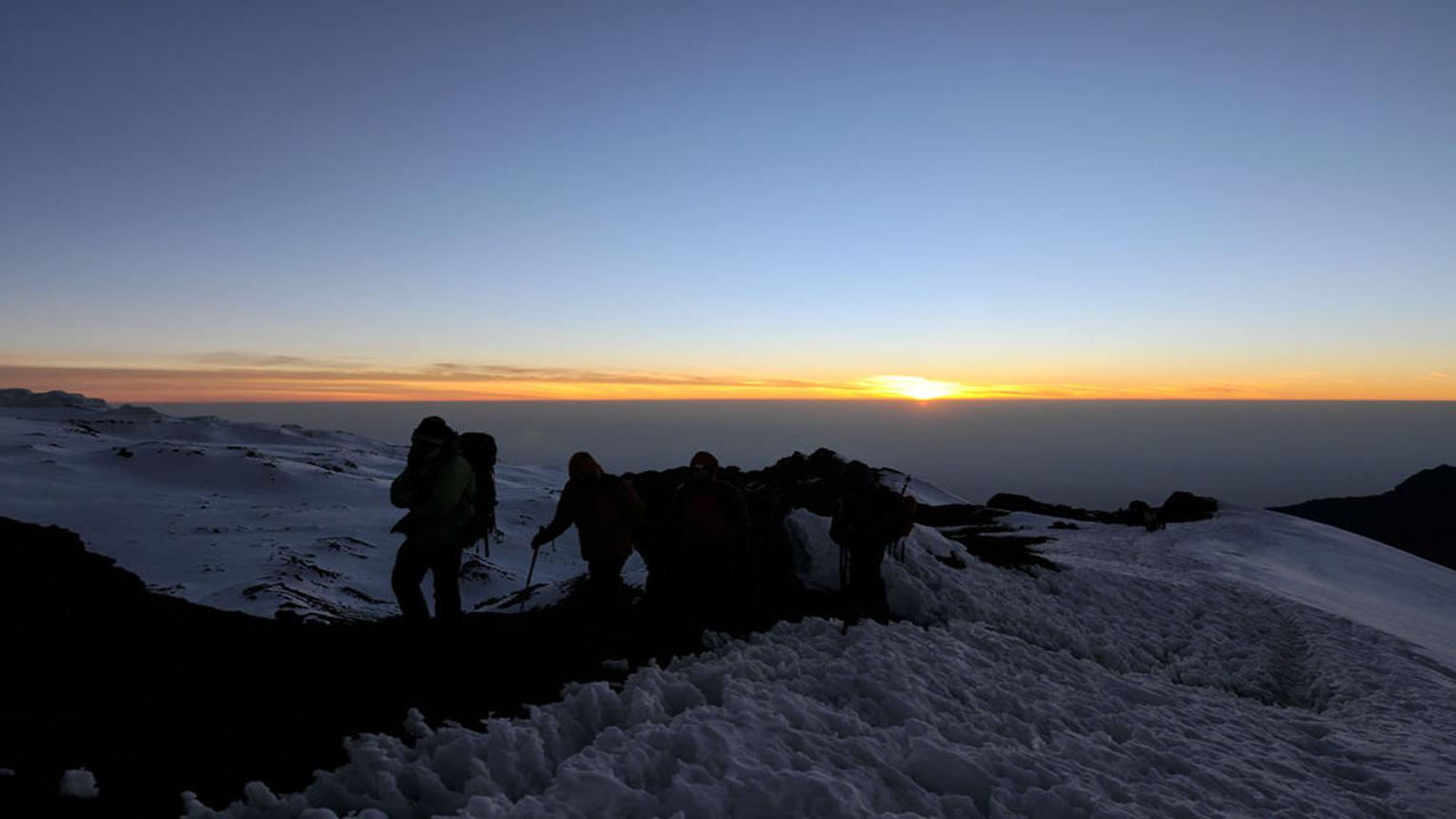
Mount Kilimanjaro is one of the most accessible high-altitude mountains in the world, making it a realistic goal even for beginners. Unlike technical peaks that require ropes, ice axes, or climbing experience, Kilimanjaro is a trekking mountain, meaning success depends more on preparation, pacing, and mindset than advanced mountaineering skills.
The journey is challenging, but it is achievable when approached correctly. If you prepare your body through training, choose a suitable route with good acclimatization, and maintain a slow and steady pace, your chances of reaching Uhuru Peak (5,895m) become very strong. The key principle on the mountain is simple: walk slowly, stay consistent, and listen to your guide.
Climbing Kilimanjaro is far more than reaching a summit. It is a personal test of endurance, patience, and mental strength. Each day takes you through different climate zones, changing landscapes, and physical challenges that push you beyond your comfort zone. The reward is not only the summit itself, but the transformation you experience along the way.
Book Your Kilimanjaro Adventure (2026–2027)
Ready to take on Mount Kilimanjaro?
Our experienced local mountain guides are ready to help you choose the best route and safely guide you all the way to the summit of Africa’s highest mountain.
For bookings and inquiries:
📧 Email: redetours2005@gmail.com
📱 WhatsApp: +255 676 063 791