
Dreaming of standing on the Roof of Africa and watching the sunrise above the clouds? Choosing the best time to climb Mount Kilimanjaro can make a huge difference in your summit success, weather conditions, trail experience, mountain visibility, and overall trekking adventure. Weather on Kilimanjaro changes throughout the year, and selecting the right season can help you enjoy safer trails, clearer skies, better acclimatization conditions, and a more comfortable climb to Uhuru Peak.
Located in Tanzania, Mount Kilimanjaro is the tallest mountain in Africa and one of the world’s most iconic trekking destinations. Rising to 5,895 meters (19,341 feet), this famous mountain attracts thousands of climbers from around the world every year. Trekkers come to experience its breathtaking landscapes, unique climate zones, and the unforgettable achievement of reaching Uhuru Peak, the highest point in Africa. However, weather conditions on Kilimanjaro vary greatly depending on the season, which is why choosing the right time to climb is extremely important.
Although Mount Kilimanjaro can be climbed all year round, some months offer much better trekking conditions, clearer summit views, and higher chances of success than others. Understanding Kilimanjaro’s weather patterns, dry seasons, rainy seasons, temperatures, and crowd levels will help you choose the perfect time for your 2026–2027 Kilimanjaro adventure. Whether you are a beginner climber, experienced trekker, solo traveler, couple, or group, planning your climb during the right season can make your journey safer, easier, and far more enjoyable.
The best periods to climb Mount Kilimanjaro are during the dry seasons, when weather conditions are more stable and trekking trails are safer and more comfortable. During these months, climbers usually experience clearer skies, less rainfall, better visibility, and higher summit success rates. The dry seasons are also ideal for photography, camping, and enjoying spectacular views of glaciers, sunrise landscapes, and surrounding scenery across Tanzania.
The two best climbing seasons on Mount Kilimanjaro are:
These months usually provide:
These seasons are considered ideal for both beginners and experienced climbers.
Month |
Weather Conditions |
Crowd Level |
Recommendation |
|
January |
Warm and mostly dry |
Medium |
Excellent |
|
February |
Sunny and clear |
Medium |
Excellent |
|
March |
Light rain possible |
Low |
Good |
|
April |
Heavy rainfall |
Very Low |
Not Ideal |
|
May |
Wet and muddy |
Very Low |
Poor |
|
June |
Cool and dry |
Medium |
Excellent |
|
July |
Dry and stable |
High |
Excellent |
|
August |
Very dry and busy |
High |
Excellent |
|
September |
Great visibility |
Medium |
Excellent |
|
October |
Dry with mild weather |
Medium |
Very Good |
|
November |
Short rainy season |
Low |
Fair |
|
December |
Mixed weather |
Medium |
Good |
January, February, and early March are among the most rewarding months to climb Mount Kilimanjaro, especially for travelers who prefer quieter trails, warmer temperatures, and a more relaxed trekking atmosphere. During this period, the mountain is generally in its short dry season, which creates more stable weather conditions and a more enjoyable overall climbing experience.
During this period:
This season is perfect for:
Local mountain guides in Tanzania often recommend January and February because these months offer an excellent balance between favorable weather conditions, manageable trekking difficulty, and lower crowd levels. It is one of the best times for climbers who want both comfort and a high-quality Kilimanjaro experience.
The dry season from June to October is widely considered the best overall time to climb Mount Kilimanjaro, offering the most stable weather conditions, safest trekking environment, and highest chances of reaching the summit successfully. During this period, the mountain experiences clear skies, low precipitation, and generally predictable weather patterns, making it ideal for both beginners and experienced climbers.
During these months:
July, August, and September are especially popular months because many international travelers choose this period for their Kilimanjaro adventure. As a result, the mountain becomes busier, with more climbers on routes such as Machame, Lemosho, and Marangu, creating a lively trekking atmosphere.
Why Climbers Love June–October:
Because this is the peak climbing season, it is strongly recommended to book early for 2026–2027 departures. Permits, guides, and accommodation slots can fill up quickly, especially during July to September, so early planning ensures better pricing, availability, and overall trip organization.
The rainy seasons on Mount Kilimanjaro bring different trekking conditions compared to the dry months, with more challenging trails but also a quieter and greener mountain environment. These seasons are less popular for climbing, but they still attract some adventurous trekkers who prefer solitude and lower costs.
April and May are the wettest months on Mount Kilimanjaro, marking the peak of the long rainy season. During this time, the mountain receives heavy and frequent rainfall, especially in the forest and moorland zones.
Challenges during this period include:
However, some experienced trekkers still choose this season because:
The Marangu Route is often preferred during the rainy months because it offers hut accommodation instead of camping, making it more comfortable in wet conditions and reducing exposure to rain during the trek.
November brings the short rainy season to Mount Kilimanjaro, and during this time the weather becomes more unpredictable compared to the dry months. Climbers may experience a mix of sunshine, clouds, and sudden rain showers, especially in the forest and moorland zones of the mountain. Although conditions are less stable, climbing is still possible for well-prepared trekkers who are comfortable with changing weather.
During November, expect:
Why some climbers still choose November:
November is best suited for climbers who are flexible, well-prepared, and do not mind occasional rain or cloudy conditions. With the right gear and a good guide team, it is still possible to enjoy a meaningful and rewarding Kilimanjaro climb during this short rainy season.
Choosing the right route on Mount Kilimanjaro is one of the most important decisions you will make before your climb. Each route has its own personality, terrain, altitude profile, scenery, and difficulty level. Some routes pass through dense rainforest, others cross volcanic deserts, and some offer long gradual ascents that greatly improve your chances of reaching Uhuru Peak.
Below are explanation of every major Kilimanjaro route and the best seasons to climb them.
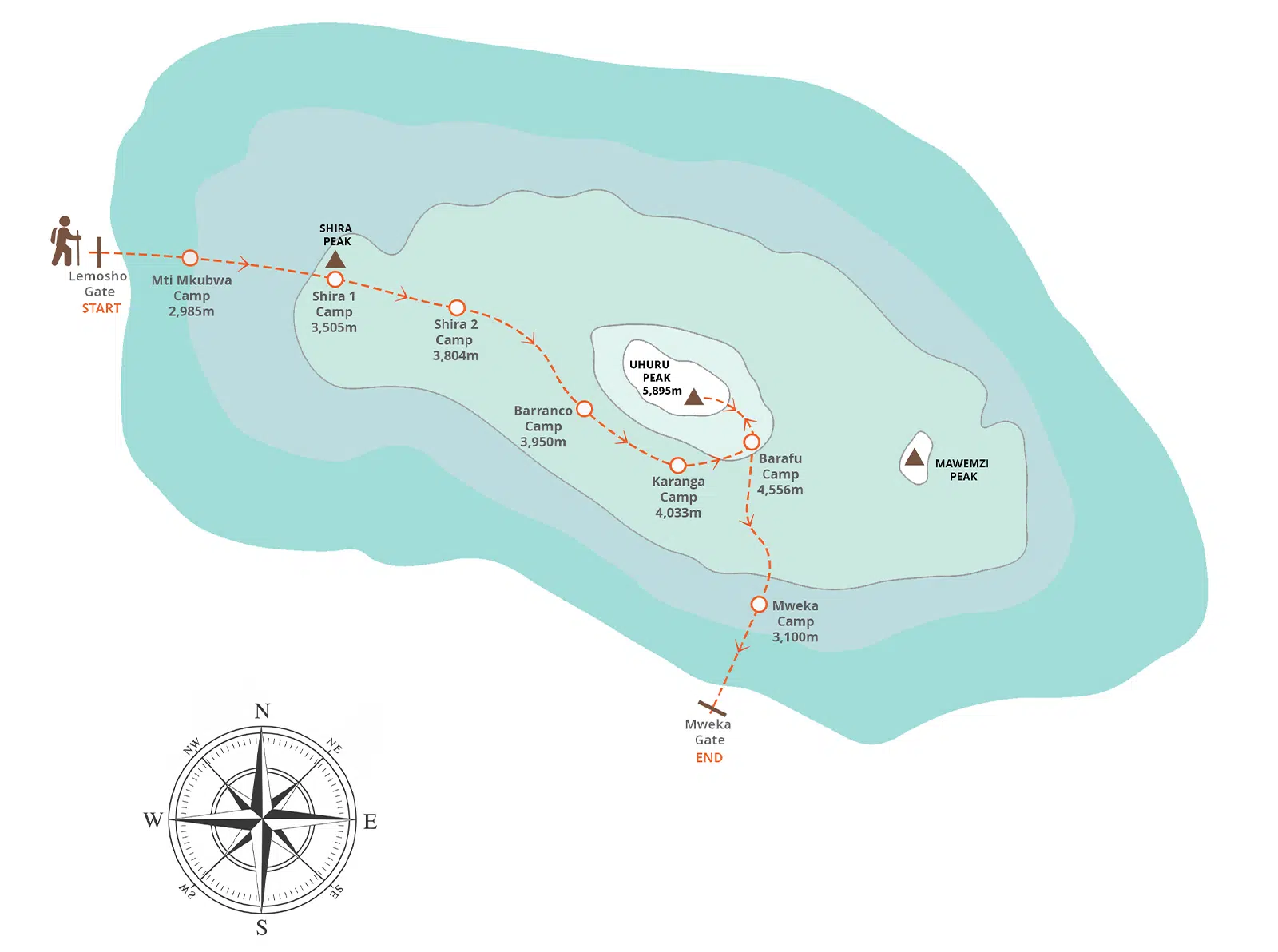
The Lemosho Route is widely considered one of the most beautiful and balanced routes on Kilimanjaro. It begins on the western side of the mountain and passes through untouched rainforest before joining the Shira Plateau. From there, it continues through dramatic landscapes including volcanic ridges, alpine deserts, and glacier zones before reaching the summit. What makes Lemosho special is its perfect balance between scenery and acclimatization. Because the route is longer, climbers have more time to adjust to altitude, which significantly increases summit success rates. It is also less crowded in the early days compared to other routes, making it ideal for travelers who want a peaceful and immersive mountain experience.
Best seasons:
Why it performs best in dry seasons:
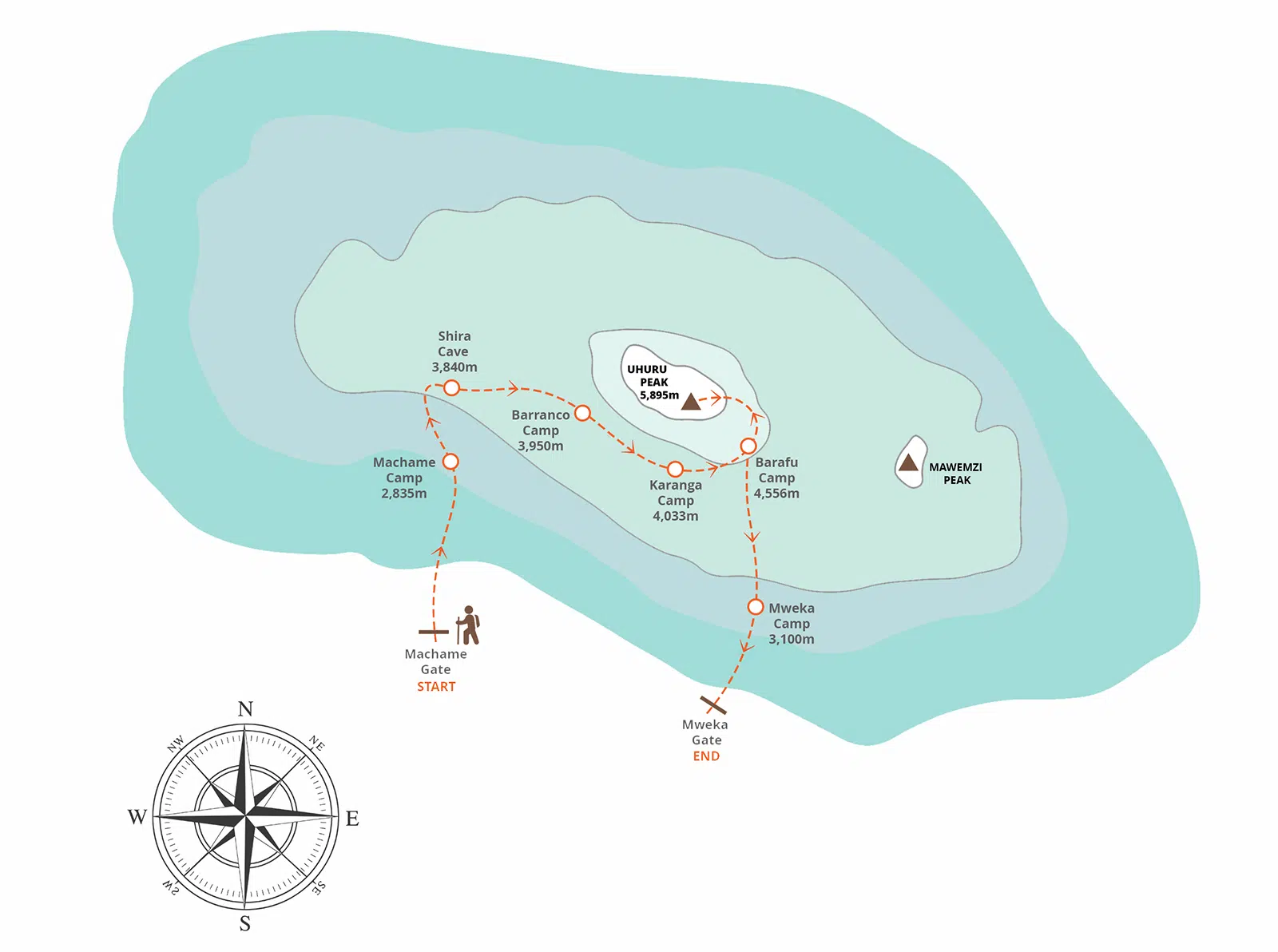
The Machame Route is one of the most famous climbing routes on Kilimanjaro, often called the “Whiskey Route” due to its challenging nature. It starts on the southern side of the mountain and quickly climbs through rainforest into steep ridges, rocky valleys, and dramatic high-altitude terrain. This route is known for its “climb high, sleep low” strategy, which helps climbers acclimatize better. One of its most iconic features is the Barranco Wall, a steep but non-technical climb that offers incredible views. Machame is popular because it combines challenge, beauty, and a strong summit success rate. However, because of its steep and exposed sections, dry conditions are very important for safety and comfort.
Best seasons:
Why dry seasons matter:
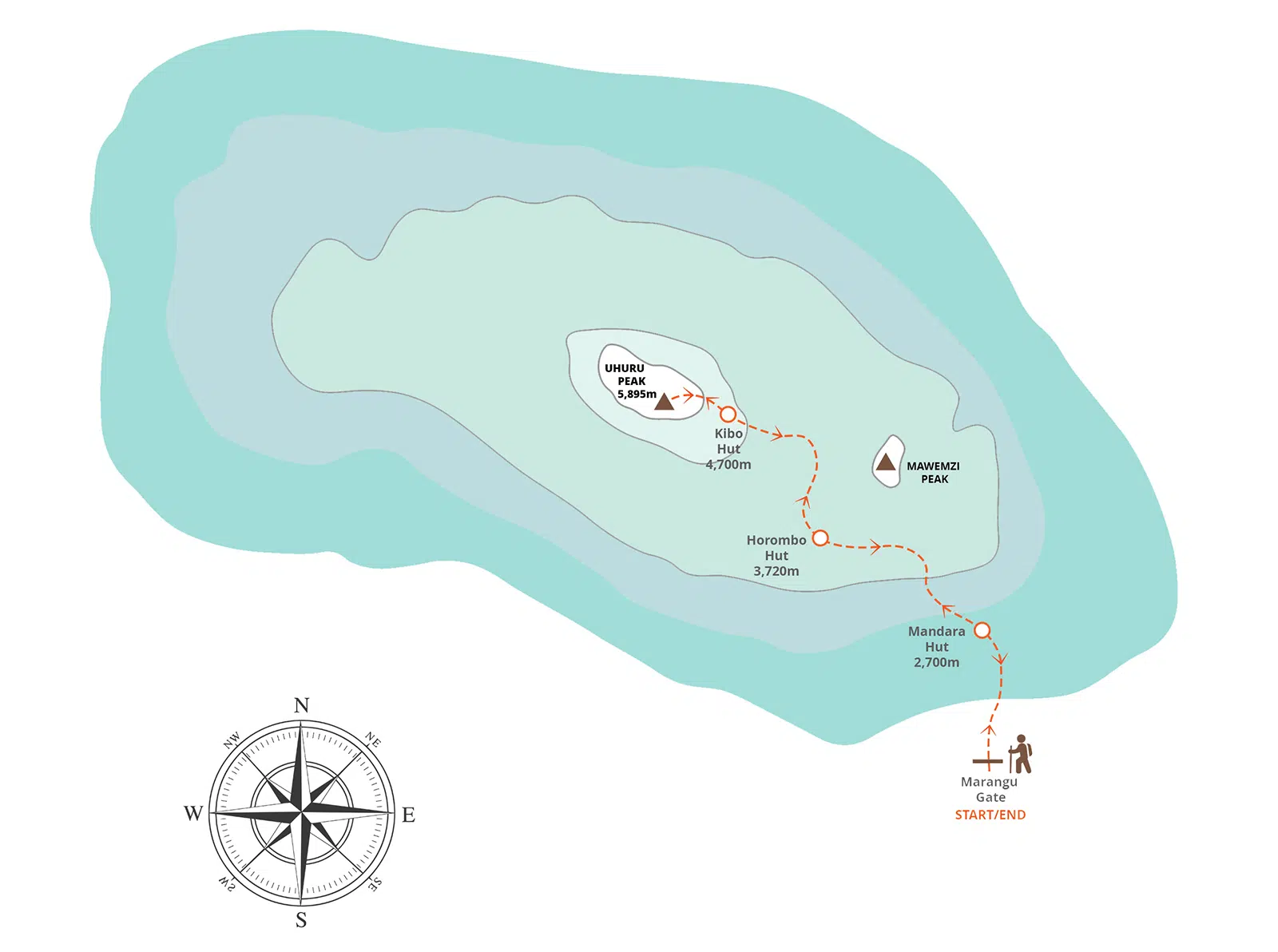
The Marangu Route is unique because it is the only route on Kilimanjaro that offers hut accommodation instead of camping tents. This makes it the most comfortable option, especially for climbers who prefer indoor sleeping arrangements. The route approaches from the southeastern side and is considered one of the easier routes in terms of terrain, but it is also shorter, which can make acclimatization more challenging if not planned properly. Marangu passes through rainforest, moorland, and alpine desert zones, but its biggest advantage is shelter during bad weather. This makes it especially suitable during rainy seasons when camping would be uncomfortable.
Best seasons:
Why it is better in rainy seasons:
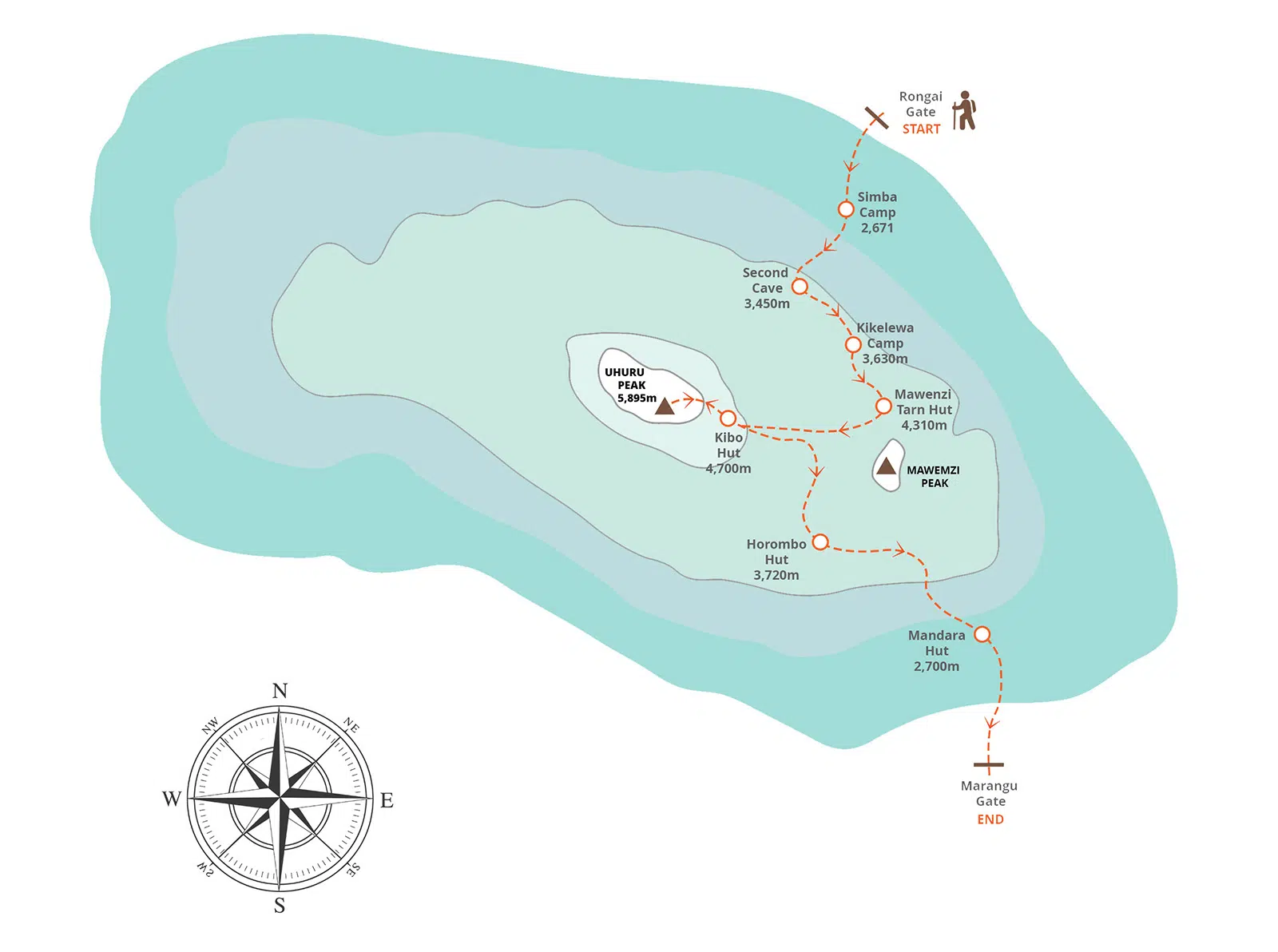
The Rongai Route is the only route that approaches Kilimanjaro from the northern side near the Kenyan border. Because of its location, it receives significantly less rainfall compared to southern routes, making it one of the driest and most stable options year-round. This route is known for its peaceful atmosphere and remote wilderness feel. Climbers often encounter fewer crowds, more wildlife sightings in the lower zones, and long gradual ascents that make trekking more manageable. Rongai is especially popular among climbers who want a quieter experience away from the busier southern routes like Machame and Marangu.
Best seasons:
Why it works well:
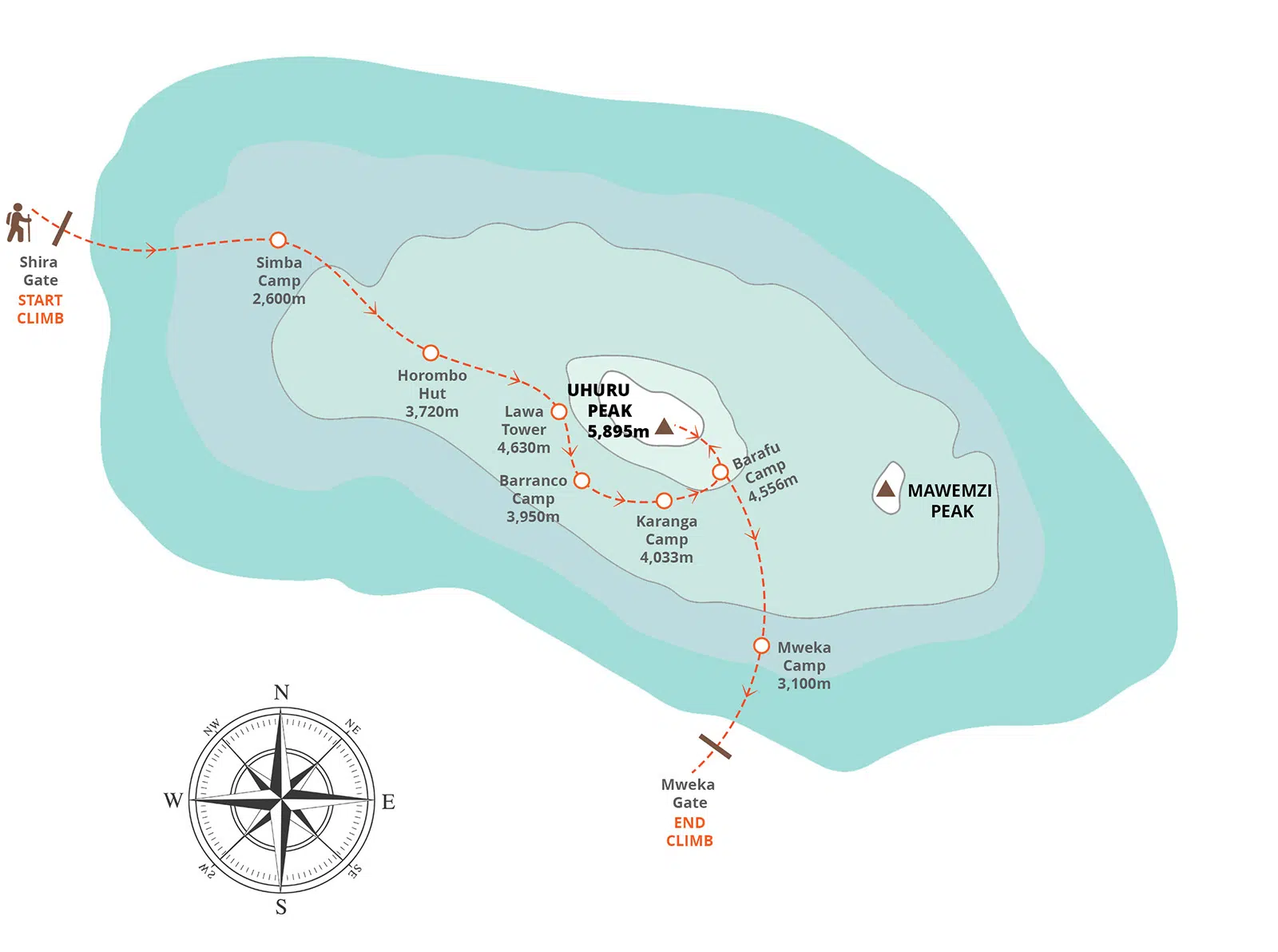
The Shira Route begins at a much higher altitude compared to other routes, which means climbers skip the lower rainforest zone and start directly on the Shira Plateau. This makes the first day more physically demanding due to reduced oxygen levels. The route offers stunning views of volcanic landscapes, wide open plains, and dramatic mountain scenery. However, because of its high starting point, proper acclimatization and good weather conditions are essential. Shira is often combined with other routes like Lemosho in modern itineraries to improve safety and success rates.
Best seasons:
Why dry season is important:
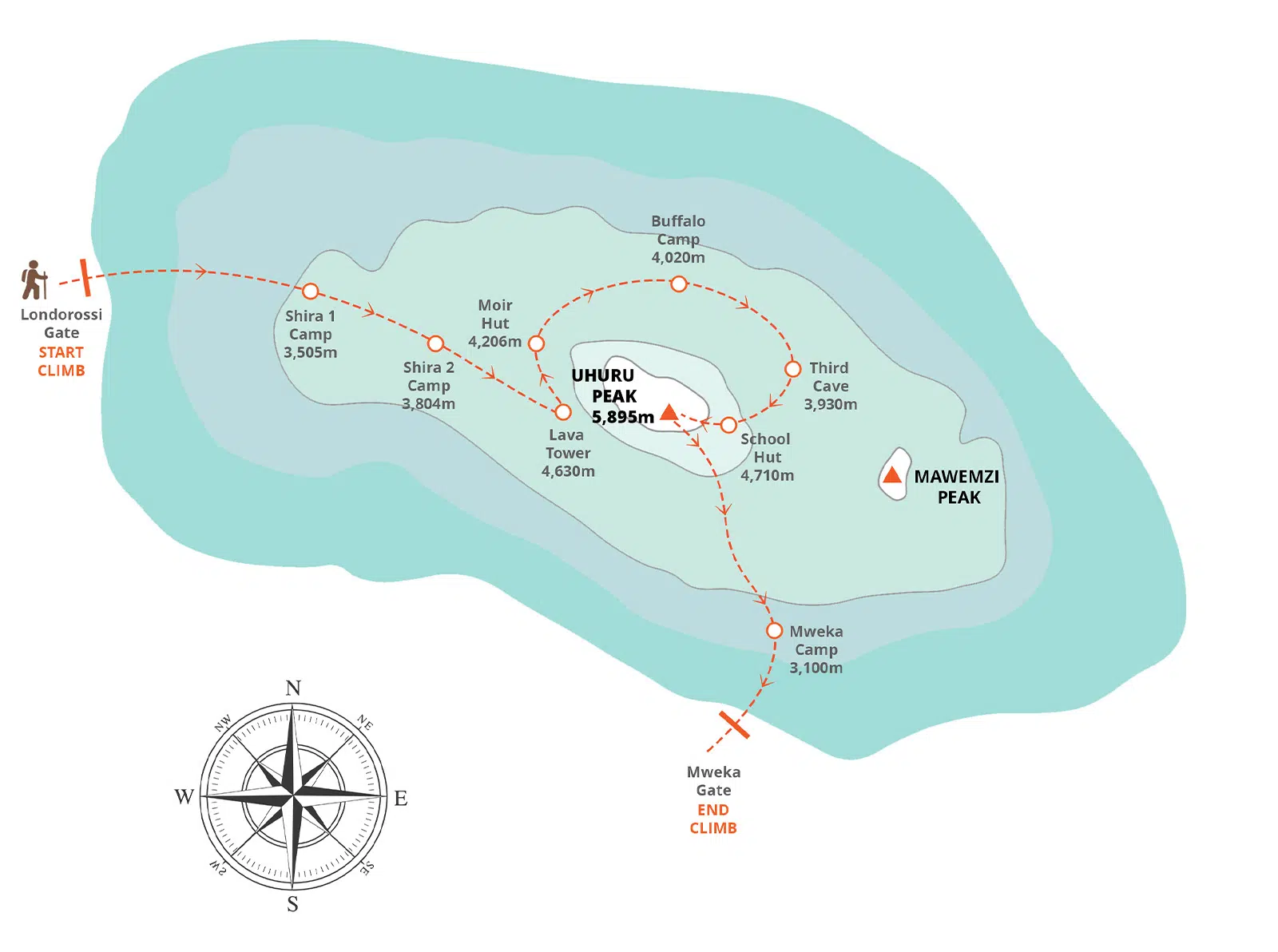
The Northern Circuit is the longest route on Kilimanjaro and circles around the remote northern slopes of the mountain. Because of its extended duration, climbers have more time to acclimatize, making it one of the safest and most successful routes. This route is less crowded, more scenic, and offers incredible panoramic views of both the Kenyan and Tanzanian sides of Kilimanjaro. It is ideal for climbers who want the best possible chance of reaching the summit without rushing. The longer itinerary also means better adaptation to altitude, which significantly reduces the risk of altitude sickness.
Best seasons:
Why dry season improves success:
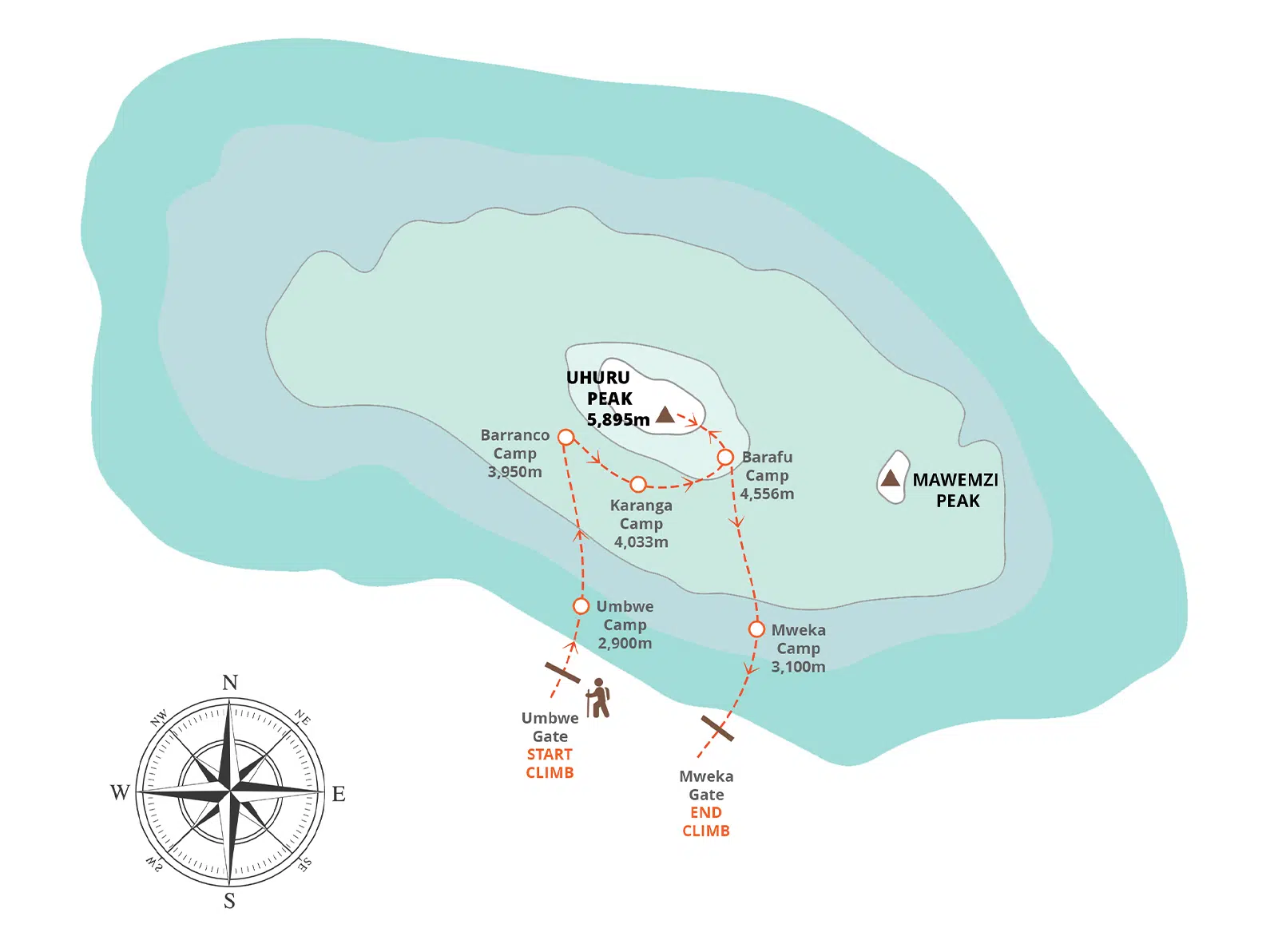
The Umbwe Route is the shortest and steepest route on Kilimanjaro, making it the most physically demanding option. It climbs quickly through dense rainforest before joining higher altitude routes. Because of its steep terrain and rapid ascent, Umbwe is recommended only for experienced and very fit climbers. It offers a direct and challenging path to the summit but provides less time for acclimatization. The route becomes extremely dangerous in wet conditions due to slippery slopes and steep forest sections.
Best season:
Why dry season is essential:
For most climbers in 2026–2027:
Best overall combinations:
Choosing the right route together with the right season on Mount Kilimanjaro is the key to a safe, enjoyable, and successful summit experience.
One of the most important things to understand before climbing Kilimanjaro is that the mountain creates its own weather system. Because the mountain rises from warm African plains all the way to nearly 6,000 meters (19,341 feet), climbers pass through several completely different climate zones during the trek. In just a few days, you move from tropical heat to freezing Arctic conditions. This is one of the reasons Kilimanjaro is considered such a unique adventure.
The lower slopes of Kilimanjaro are warm, green, and tropical. This area includes farms, villages, banana plantations, coffee farms, and dense rainforest.
Temperature Conditions
During the daytime, temperatures are usually:
At night:
This zone feels similar to many tropical areas in Tanzania. The air is warm and humid, especially during rainy seasons.
Weather Characteristics
The rainforest receives a lot of rainfall because moist air rises against the mountain and forms clouds. Rain can happen suddenly, even during dry seasons.
Common conditions include:
The forest can feel hotter because humidity traps heat and sweat.
What Climbers Experience
Most climbers begin the trek sweating heavily because temperatures are warm and hiking uphill requires energy. The rainforest also feels dense and wet.
You may notice:
This part of the mountain is rich in wildlife and plant life compared to the upper zones.
Clothing Recommendations
Climbers should wear:
Even if the weather starts warm, carrying rain protection is essential.
As climbers gain altitude, the rainforest slowly disappears and the landscape changes dramatically. Trees become smaller and are replaced by open moorland, giant heathers, volcanic rocks, and unique alpine plants.
This zone often surprises climbers because temperatures become much cooler very quickly.
Temperature Conditions
Daytime temperatures:
Night temperatures:
Nights become cold enough for frost in some areas.
Weather Characteristics
The weather here changes rapidly. Mornings may be sunny and warm, but afternoons can become windy, cloudy, or rainy.
Common conditions include:
Because the air becomes thinner, temperatures feel colder than they actually are.
Effects of Altitude Begin
This is usually where climbers first begin to feel altitude effects.
Common symptoms include:
The body starts receiving less oxygen as altitude increases.
Why It Feels Colder
At higher elevations:
A climber may feel hot while walking but cold immediately after stopping.
Clothing Recommendations
Layering becomes very important in this zone.
Recommended gear:
Climbers often add and remove layers throughout the day because temperatures change frequently.
This zone is one of the harshest environments on Kilimanjaro. Vegetation becomes very limited, and the mountain feels dry, rocky, and exposed.
The landscape resembles a desert at high altitude.
Temperature Conditions
Daytime:
Night:
The temperature difference between day and night becomes extreme.
Weather Characteristics
This zone is known for:
Even though temperatures may not seem extremely low during the day, the wind and altitude make conditions feel much colder.
Why the Sun Feels So Strong
At high altitude:
Many climbers become sunburned even in cold weather.
Challenges in This Zone
This is where altitude becomes a serious challenge.
Many climbers experience:
Walking becomes slower because the body struggles to get enough oxygen.
Night Temperatures
At night, temperatures often fall below freezing. Water bottles can partially freeze, and tents become extremely cold.
Clothing Recommendations
Climbers need warmer gear, including:
Proper hydration is also very important because the dry air causes dehydration.
The summit zone is the coldest and most difficult part of Kilimanjaro. This area is often called the Arctic Zone because conditions are similar to polar environments.
The air contains roughly half the oxygen available at sea level.
Summit Night Conditions
Most summit attempts begin around midnight. Climbers walk in darkness for several hours while temperatures are at their lowest.
Typical summit temperatures:
With wind chill, it can feel even colder.
Why Summit Night Is So Difficult
Several factors combine to make the summit extremely challenging:
Even simple movements require more effort at this altitude.
How the Body Reacts
Many climbers experience:
Guides usually encourage climbers to walk slowly using the famous Kilimanjaro phrase:
“Pole pole” (slowly slowly).
Risk of Hypothermia
Without proper clothing, climbers can become dangerously cold.
Signs of hypothermia include:
This is why high-quality cold-weather gear is essential.
Essential Summit Clothing
Climbers should wear:
Many climbers wear several layers at the summit.
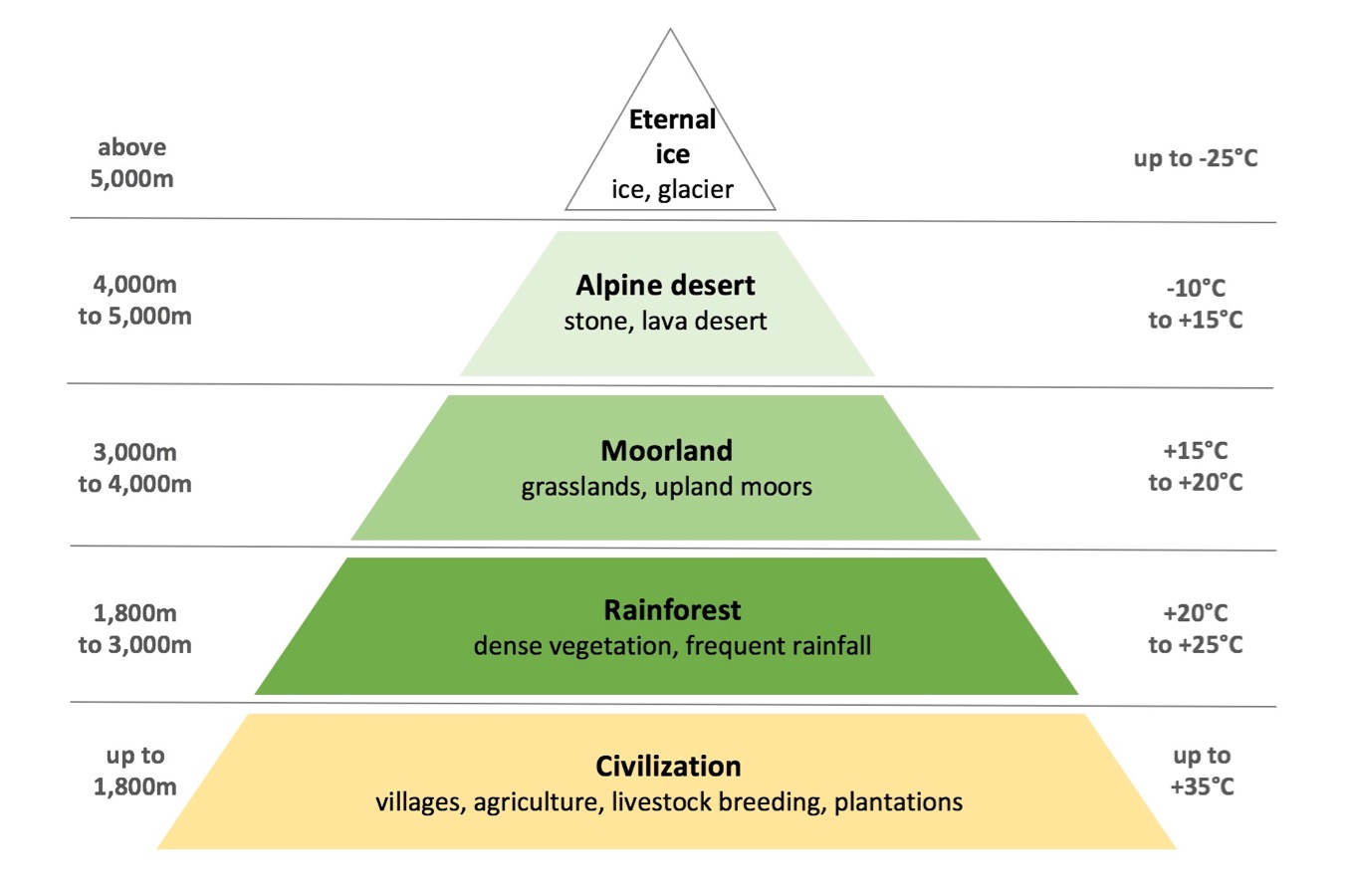
Temperature drops with altitude because:
On average, temperature decreases about:
This is why climbers can start in tropical heat and end in freezing snow within a few days.
Importance of Layering
Layering is one of the most important survival strategies on Kilimanjaro.
Base Layer; Keeps sweat away from the skin to prevent getting cold.
Mid Layer; Provides insulation and warmth.
Outer Layer; Protects against rain, snow, and wind.
Layering allows climbers to adjust clothing throughout the day depending on weather and altitude.
The best climbing seasons are usually:
These months are generally drier and offer:
However, the summit remains below freezing all year round.
Kilimanjaro’s changing temperatures are one of the mountain’s biggest challenges. Climbers experience multiple climate zones, from tropical rainforest to freezing Arctic summit conditions.
Understanding these temperature changes helps climbers prepare properly with:
With the right preparation, climbers can safely enjoy one of the world’s most incredible trekking experiences on Mount Kilimanjaro.
Mount Kilimanjaro stands at:
At the summit, the oxygen level is significantly lower than at sea level. Although the percentage of oxygen in the atmosphere remains about 21%, the air pressure becomes lower at high altitude, meaning the body receives less oxygen with every breath.
By the time climbers reach the summit:
This is why even experienced hikers can struggle on Kilimanjaro.
As altitude increases, the body must work harder to deliver oxygen to muscles and organs.
The body reacts by:
These changes help the body adapt, but adjustment takes time.
If climbers ascend too quickly, the body may not adapt properly, leading to altitude sickness.
Acute Mountain Sickness is the mildest and most common form of altitude illness. It can affect anyone regardless of:
Even very fit athletes can develop AMS.
AMS usually begins above:
Symptoms often become stronger higher up the mountain.
Common Symptoms
How to Reduce Altitude Problems
Routes like the Lemosho Route and Machame Route are widely considered among the best routes on Mount Kilimanjaro because they provide better acclimatization and higher summit success rates compared to shorter routes.
One of the biggest reasons climbers fail to reach the summit of Mount Kilimanjaro is altitude sickness, not lack of fitness. Routes that allow the body more time to adjust to high altitude greatly improve the chances of reaching Uhuru Peak successfully.
Packing the right gear is extremely important for a successful climb on Mount Kilimanjaro. Kilimanjaro is not a technical mountain, but climbers face rapidly changing weather, freezing summit temperatures, strong winds, rain, dust, and high-altitude conditions. During the trek, climbers pass through several climate zones from warm tropical rainforest to Arctic summit conditions. Because of these extreme changes, having the correct equipment can make the difference between a comfortable, successful climb and a very difficult experience.
Essential Kilimanjaro Packing List
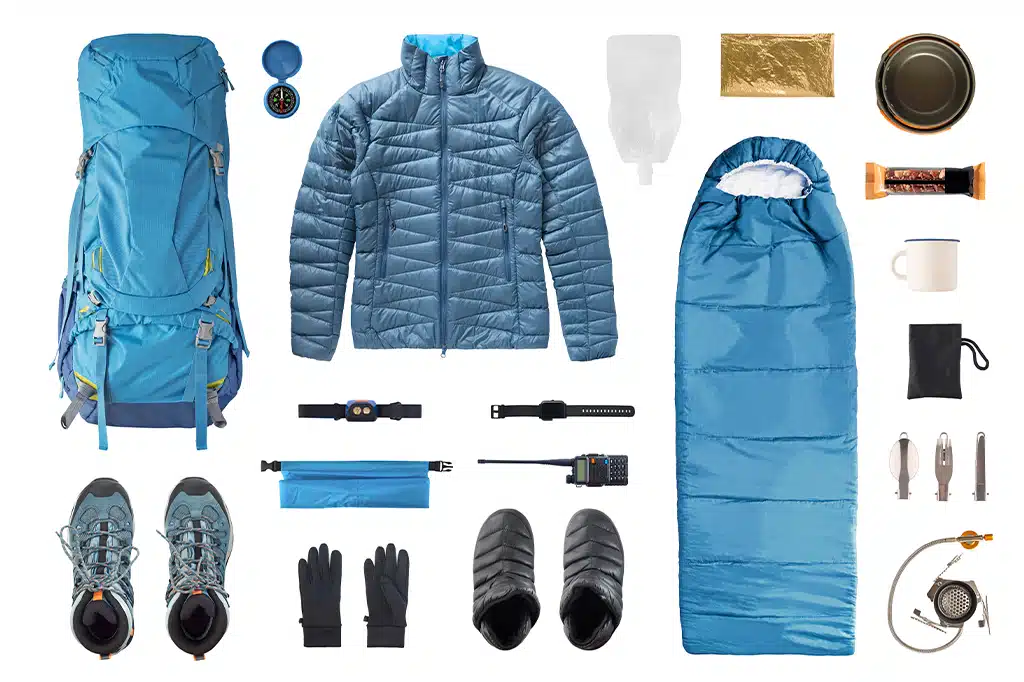
Weather conditions on Kilimanjaro can change quickly, so proper gear is necessary in every season.
Choosing the right local operator can make a huge difference in your trekking experience.
We Offers:
Our experienced team is dedicated to making your Mount Kilimanjaro adventure safe, enjoyable, and unforgettable.
The best time to climb Kilimanjaro is usually during the dry seasons when the weather is more stable and the trails are safer. The most recommended months are January, February, July, August, and September. During these months, climbers experience less rain, clearer skies, and better visibility of the mountain’s landscapes. January and February are generally warmer and offer very pleasant trekking conditions, especially in the lower slopes where temperatures feel comfortable. July through September is slightly cooler but very popular because the weather is dry and stable, and summit views are often clear. In all these months, conditions are more predictable, which makes the climb easier to manage compared to the rainy seasons when trails become slippery and cloud cover is heavy.
Yes, beginners can climb Kilimanjaro successfully because the mountain does not require technical climbing skills such as ropes or ice climbing experience. What matters most is physical preparation, mental readiness, and choosing the right support team. Many people who reach the summit each year are first-time high-altitude trekkers. However, beginners must understand that although the climb is non-technical, it is still physically demanding due to long hiking days and high-altitude conditions. The biggest challenge is not strength but how the body reacts to reduced oxygen. Beginners who prepare by walking regularly, doing cardio exercise, and training for long hikes usually adapt better on the mountain. Choosing a longer route, such as 7 or 8 days, also greatly increases the chances of success because it allows the body more time to adjust gradually.
The coldest part of Kilimanjaro is the summit zone near Uhuru Peak. This area is extremely high in altitude and exposed to strong winds and freezing temperatures. The cold becomes most intense during summit night, when climbers begin their final ascent in darkness. At this altitude, temperatures can drop to around -10°C to -20°C, and when strong winds are added, the temperature can feel even colder. The air is also very thin, which means the body loses heat faster and becomes more vulnerable to cold stress. Even though the sun may feel strong during the day, nights and early mornings in the summit zone are freezing and physically challenging for all climbers.
Routes such as the Lemosho Route and the Northern Circuit Route are known to have the highest summit success rates. The main reason for this is that they are longer routes, which means climbers spend more days gradually gaining altitude instead of climbing too quickly. This slower progression allows the body to adapt better to decreasing oxygen levels, reducing the risk of altitude sickness. These routes also include important acclimatization strategies like climbing to higher points during the day and sleeping at slightly lower elevations. Because of this careful ascent pattern, climbers on these routes generally feel stronger and more prepared for summit night compared to shorter routes.
Climbing Kilimanjaro during the rainy season is more difficult because weather conditions become less predictable and more challenging. Rain turns the trails muddy and slippery, especially in the rainforest zone, making walking slower and more tiring. Climbers also have to deal with wet clothing, damp tents, and reduced visibility due to fog and clouds. The physical challenge increases because staying dry becomes difficult, and wet clothes can make the cold feel even more intense at higher altitudes. Although the mountain is still climbable during rainy months, it requires stronger mental preparation, proper waterproof gear, and more patience throughout the trek. The experience can still be rewarding, but it is less comfortable compared to the dry seasons.
The best duration for climbing Kilimanjaro is usually between seven and eight days. This timeframe gives climbers enough time to adjust gradually to increasing altitude, which is one of the most important factors for reaching the summit successfully. Shorter climbs often push the body to ascend too quickly, increasing the risk of altitude sickness and reducing summit success rates. With seven to eight days, climbers can move at a slower pace, recover properly after each trekking day, and adapt more naturally to lower oxygen levels. This also makes summit night less overwhelming because the body is already partially acclimatized. In general, longer itineraries are strongly recommended because they significantly improve both safety and overall enjoyment of the climb on Mount Kilimanjaro.
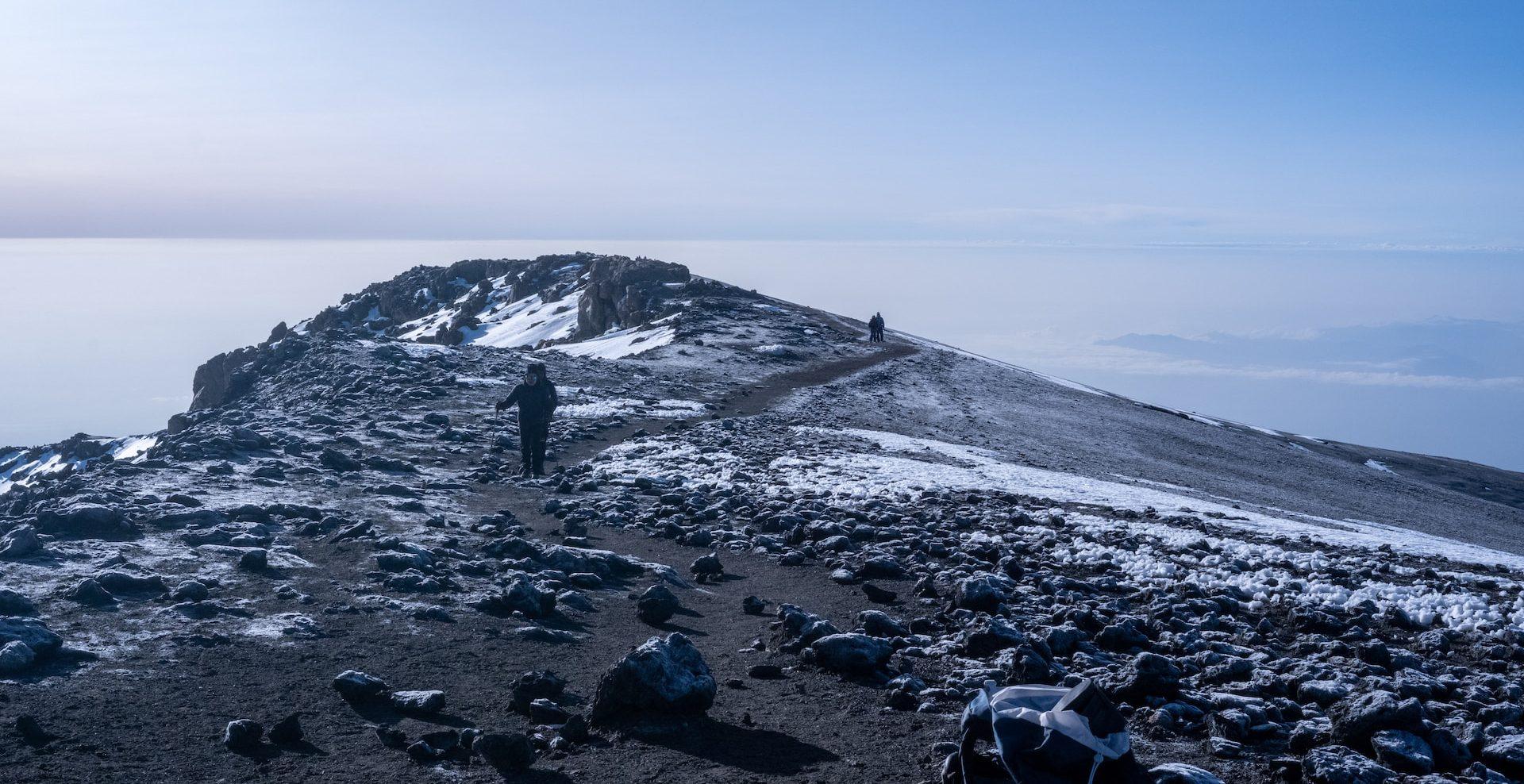
Reaching Uhuru Peak on Mount Kilimanjaro is a once-in-a-lifetime achievement that rewards every step of the journey. Choosing the right season can make your climb safer, easier, and far more memorable. For the best overall experience, plan your Kilimanjaro climb during the dry seasons from January to mid-March or June to October. These months provide the clearest skies, best trail conditions, and highest chances of reaching the summit successfully. Whether you are a beginner or an experienced trekker, proper preparation and choosing a professional local guide are the keys to a successful adventure on Africa’s highest mountain.
Book Your Kilimanjaro Adventure Today
Ready to conquer the Roof of Africa in 2026–2027?
Join Rede Tours and Safaris for a professionally guided Mount Kilimanjaro climbing experience.
Limited spaces are available during peak climbing seasons.
📧 Email: redetours2005@gmail.com
📱 WhatsApp: +255 676 063 791