
Choosing the right time to climb Mount Kilimanjaro is one of the most important decisions you will make when planning your expedition. It directly affects your comfort, safety, scenery, cost, and even your chances of reaching the summit successfully.
Because Kilimanjaro is a high-altitude mountain with multiple climate zones, weather conditions can change dramatically within a single day. You may start in warm rainforest conditions and end up in freezing Arctic temperatures near the summit. That is why timing your climb carefully makes a huge difference.
Another important factor is crowd levels. Some months are very busy with trekkers from all over the world, while others are quiet and peaceful. This affects your experience at campsites, trail traffic, and overall atmosphere on the mountain.
Pricing is also seasonal. Tour operators adjust costs depending on demand, meaning the same route can be significantly cheaper or more expensive depending on when you travel.
In simple terms, the best time to climb Kilimanjaro depends on what you value most:
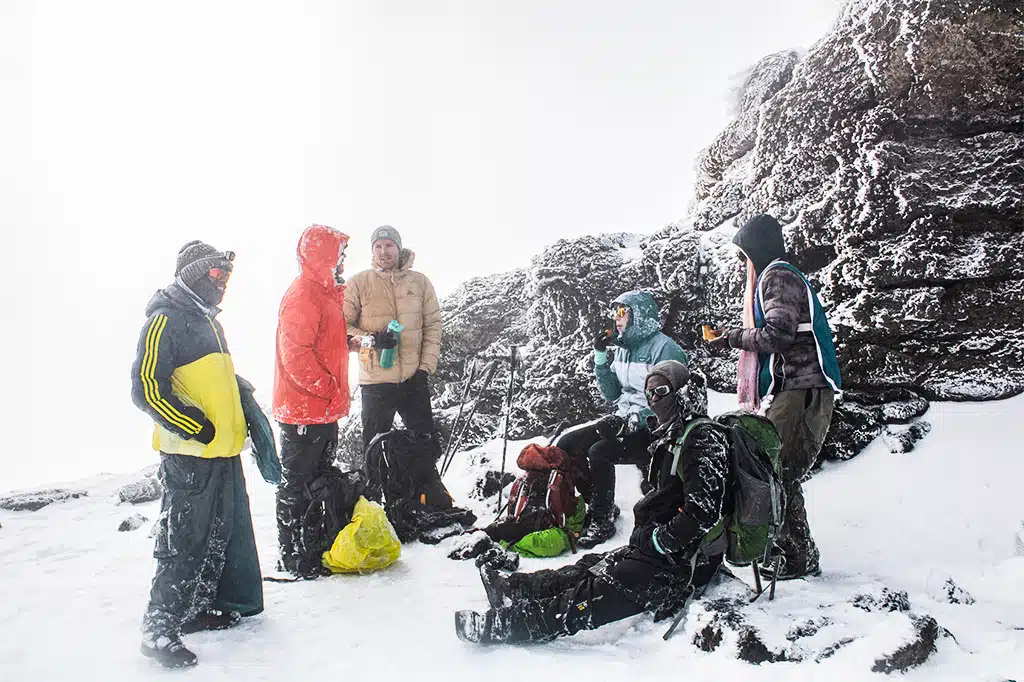
Whether you are planning for 2026 or 2027, understanding these seasonal differences will help you choose the perfect time for your adventure and increase your chances of standing on the summit of Mount Kilimanjaro successfully.
Climbing Mount Kilimanjaro is not just about physical fitness it is equally about the conditions you encounter on the mountain. Timing plays a major role in determining how safe, enjoyable, and successful your climb will be.
Weather is one of the most important factors. Kilimanjaro has several climate zones, and conditions can shift quickly as you ascend. Good weather means clearer skies, better visibility, and more stable trekking conditions. Poor weather, on the other hand, can make trails slippery, cold, and difficult to navigate.
Timing also affects your overall summit success rate. When conditions are stable and dry, your body performs better at altitude, and the risk of complications is lower. This increases your chances of reaching Uhuru Peak safely.
Crowd levels are another important consideration. During peak seasons, popular routes can be busy, especially at campsites. In quieter months, the mountain feels more peaceful and personal, giving you a more immersive experience.
Finally, timing influences your comfort throughout the trek. Dry trails are easier to walk on, camps are less muddy, and gear stays lighter and more manageable.
Good timing means:
Bad timing can mean:
Choosing the right season on Mount Kilimanjaro can make the difference between a difficult expedition and a truly unforgettable adventure.
Climbing Mount Kilimanjaro is strongly influenced by seasonal weather patterns. The mountain experiences two dry seasons and two rainy seasons each year, and each period affects trekking conditions, visibility, crowd levels, and overall summit success.
Understanding these seasons helps you choose the right balance between safety, comfort, cost, and experience.
The dry seasons are considered the most reliable and recommended periods for climbing Kilimanjaro. Trails are generally more stable, skies are clearer, and weather conditions are more predictable compared to the rainy months.
This period offers a quieter and more peaceful climbing experience compared to the peak mid-year season. The mountain is less crowded, which means more space at campsites and a more relaxed trekking atmosphere.
Weather conditions are generally good, with clear skies on many days, especially at higher elevations. However, temperatures can be quite cold, particularly at night and near the summit. In some years, light snow can be seen on the upper slopes, which adds to the scenery.
This season is ideal for travelers who prefer fewer crowds and are comfortable with colder conditions in exchange for a more personal experience on the mountain.
This is the most popular and widely recommended time to climb Kilimanjaro. Weather conditions are typically stable, with minimal rainfall, dry trails, and excellent visibility throughout most of the trek.
Because of the favorable conditions, this season attracts the highest number of climbers from around the world. As a result, routes and camps can be busier, especially on popular paths like Machame and Marangu.
Despite the crowds, this period offers the highest consistency in terms of safety, weather reliability, and summit success rates. It is considered the best overall window for most climbers, especially first-time trekkers.
The rainy seasons are less popular for climbing due to more challenging weather conditions, but they offer significant advantages for budget travelers and those seeking quieter trails.
This is the wettest period on Kilimanjaro. Heavy and consistent rainfall can make trails muddy, slippery, and more physically demanding. Cloud cover is also more frequent, which can reduce visibility, especially in the lower forest zones.
Despite the challenging conditions, this season has important advantages. The mountain is very quiet, with very few climbers, and tour prices are usually at their lowest. This can be attractive for experienced trekkers or those looking for a more isolated and cost-effective adventure.
However, this season is generally not recommended for first-time climbers due to weather difficulty and reduced visibility.
The short rainy season is less intense than April and May but still brings unpredictable weather. Rain often comes in short bursts rather than continuous downpours, meaning climbers may still experience good trekking conditions between showers.
The mountain is less crowded, and prices are lower than in peak season, making it a good compromise for budget-conscious travelers. However, trail conditions can still be wet and slippery in some sections.
This season requires flexibility and proper rain gear but can still offer a rewarding experience for well-prepared climbers.
Summary of Kilimanjaro Seasons
Each season on Mount Kilimanjaro offers a different experience. The best time to climb depends on whether your priority is weather stability, cost savings, crowd levels, or overall trekking comfort.
.webp)
Choosing the right season to climb Mount Kilimanjaro is one of the most important factors that affects your overall experience. Weather, trail conditions, visibility, and crowd levels all change throughout the year, and each period offers a different type of adventure.
Below is a clear breakdown of the best climbing seasons and what you can expect in each one.
This is one of the most enjoyable times to climb for travelers who prefer a quieter and more relaxed experience on the mountain. During this period, there are fewer climbers compared to the peak season, which means less crowded campsites and a more peaceful atmosphere throughout the trek.
The weather is generally stable, and visibility is often very good, especially in the upper sections of the mountain. On clear days, you can enjoy stunning views above the clouds. However, temperatures are colder than other months, especially during summit night, where conditions can become extremely freezing.
This season is especially suitable for photographers, nature lovers, and trekkers who value space, silence, and scenic beauty over busy trails.
This is widely considered the best and most reliable time to climb Mount Kilimanjaro. It is the peak dry season, offering the most stable weather conditions throughout the year.
During these months, rainfall is minimal, trails are dry and firm, and the skies are often clear. These conditions make trekking safer and more comfortable, especially on steep and high-altitude sections.
Because of the excellent weather, this is also the most popular season for international climbers. Routes such as Machame, Lemosho, and Marangu can become busy, and campsites may feel crowded. For this reason, early booking is highly recommended to secure space and preferred departure dates.
This season is ideal for first-time climbers who want the highest chances of summit success and the most predictable weather conditions.
This is the least popular time to climb due to heavy rainfall across the mountain. Trails can become muddy and slippery, and visibility is often reduced, especially in the lower forest zones.
Despite these challenges, this season offers the lowest prices for Kilimanjaro tours. The mountain is very quiet, and there are far fewer climbers compared to other months. This creates a more isolated and private experience for those who prefer solitude.
However, this season is only recommended for experienced trekkers or budget-focused travelers who are fully prepared for wet and challenging conditions. Proper waterproof gear is essential.
A good compromise between cost and crowd levels.
November is part of the short rainy season on Mount Kilimanjaro and is considered a transitional month between the dry and wet periods. Weather conditions during this time are less predictable compared to the main dry seasons, but climbing is still possible with proper preparation.
Rain usually comes in short, scattered showers rather than continuous heavy rainfall. This means trekkers may experience both clear skies and wet conditions within the same day, depending on altitude and location on the mountain.
While trails can become slippery in some sections, especially in the rainforest zone, conditions are generally less extreme than during the long rains of April and May. Visibility can still be good on clear days, particularly in the upper alpine zones.
Key Features of November Climbing:
This month offers a balance between cost savings and crowd reduction, making it suitable for budget-conscious travelers who are flexible with weather conditions. However, climbers should be prepared for changing conditions and ensure they have proper rain gear and waterproof equipment.
Overall, November can be a good option for experienced or adaptable trekkers who want a more affordable and less crowded experience on Mount Kilimanjaro.
Climbing costs for Mount Kilimanjaro vary throughout the year depending on demand, weather conditions, and the number of climbers booking trips. The same route can cost more or less depending on the season you choose.
Understanding seasonal pricing helps you plan your budget better and choose the best balance between cost, weather, and experience.
This is the most popular time to climb, so prices are at their highest due to strong demand.
This season is ideal for those who prioritize the best weather and highest success rates, even if it costs more.
This period offers a balance between good conditions and moderate pricing.
This is a strong option for travelers who want good conditions without peak-season prices.
These months are the cheapest times to climb, but they come with more challenging weather conditions.
This season is best for budget travelers who are flexible and well-prepared for wet conditions.
Despite seasonal changes, most climbs on Mount Kilimanjaro fall within:
$1,250 – $2,700 per person
The final price depends on the route, number of days, group size, and level of service.
Summary
Choosing the right season helps you manage both your budget and your overall trekking experience on Mount Kilimanjaro.
Weather changes dramatically as you climb Mount Kilimanjaro:
Even in the best season, summit night is always extremely cold.
Crowd levels on Mount Kilimanjaro change significantly throughout the year, mainly depending on weather conditions and global travel seasons. While crowd size does not affect safety, it can influence your comfort, campsite experience, and overall atmosphere on the mountain.
Understanding when the mountain is busy or quiet helps you choose the type of trekking experience you prefer.
This is the peak climbing season and the busiest time on Kilimanjaro. Most international travelers choose this period because of the excellent weather conditions.
This season is ideal if you don’t mind sharing the trail experience with many other climbers and want the most reliable weather conditions.
.webp)
This is a quieter dry season compared to mid-year. The number of climbers is lower, but still steady.
This is a good option for travelers who want a peaceful experience without completely empty trails.
This is the least busy time of the year due to heavy rains.
This season is best for experienced trekkers who prefer isolation and do not mind difficult weather conditions.
November has a mixed level of crowding due to unpredictable weather.
This period offers a good balance between affordability and reduced crowds.
Summary
Crowd levels on Mount Kilimanjaro mainly affect comfort and atmosphere, not safety, allowing you to choose the experience that best matches your preferences.
Choosing the right route on Mount Kilimanjaro is just as important as choosing the right season. Each route performs differently depending on weather conditions, crowd levels, and acclimatization style. Some routes are better suited for dry months, while others are more comfortable during wetter periods.
The Machame Route is the most versatile option and works well in almost all seasons. It offers a strong balance between scenery, acclimatization, and summit success rate.
This route is ideal for most climbers because it adapts well to changing conditions on the mountain.
The Lemosho Route is best experienced during the dry seasons when weather conditions are stable and visibility is clear. It is one of the most scenic and successful routes on the mountain.
This route is recommended for climbers who prioritize reaching the summit and want a more gradual ascent.
The Marangu Route is unique because it offers hut accommodation instead of camping, making it more comfortable during rainy periods.
While it is the most budget-friendly and comfortable option, it is also more sensitive to altitude due to its shorter duration.
Summary
Each route on Mount Kilimanjaro offers a different experience, and the best choice depends on your season, budget, and climbing goals.
Packing correctly for a climb on Mount Kilimanjaro is very important because weather conditions change dramatically as you ascend through different climate zones from rainforest at the base to freezing conditions near the summit.
Your packing strategy should always match the season you are climbing in, especially whether it is a dry or rainy period.
The dry seasons offer the most stable trekking conditions, but temperatures still vary greatly between day and night. You will experience warm conditions in the lower zones and extreme cold near the summit.
What to pack:
During dry seasons, the main challenge is cold temperatures at higher elevations rather than rain, so layering is essential.
Rainy months bring wet, muddy, and slippery conditions, especially in the rainforest and moorland zones. Proper waterproof gear becomes essential for comfort and safety.
What to pack:
In this season, staying dry is the main priority, as wet clothing can quickly lead to discomfort and increased risk of cold-related issues.
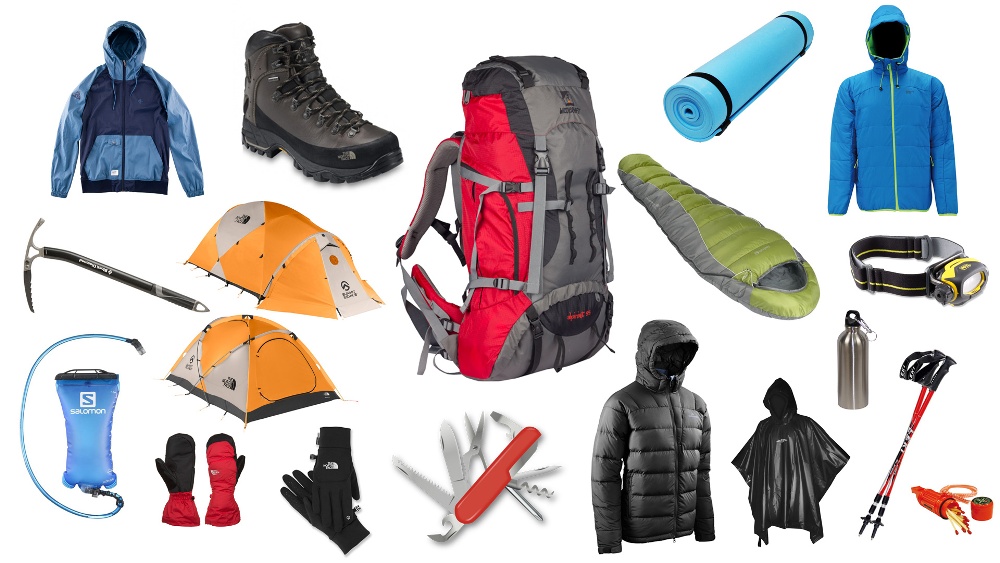
Regardless of when you climb Mount Kilimanjaro, some essentials are always required:
Proper packing ensures comfort, safety, and better performance at high altitude.
Altitude affects all climbers on Mount Kilimanjaro, regardless of season or fitness level. The main risk is altitude sickness, not weather.
To stay safe:
All climbs are managed under regulations of Tanzania National Parks Authority, ensuring trained guides and safety protocols.
Below are expanded answers to the most common questions about climbing Mount Kilimanjaro. These explanations will help you understand the conditions in a clearer way and choose the right time and preparation strategy for your climb.
The best months to climb are June to October because this is the main dry season. During these months, the weather is more stable, skies are clearer, and the trails are generally dry, which makes trekking easier and safer. These conditions also increase the chances of reaching the summit successfully. January to March is also a good period, especially for travelers who prefer fewer crowds. The experience is quieter and more scenic, although temperatures are colder, especially at night and near the summit zone. Both periods are considered suitable, but June to October remains the most reliable overall.
Beginners can climb during April to May or November, but the experience is more demanding. Rainy seasons bring wet and slippery trails, reduced visibility in forest areas, and overall, more challenging walking conditions. These factors make the trek harder, especially for first-time climbers. However, the advantage is that the mountain is quieter and prices are lower. With proper waterproof clothing, good preparation, and an experienced guide team, beginners can still complete the climb. Even so, dry seasons are generally recommended for a more comfortable first experience.
The summit of Mount Kilimanjaro is extremely cold throughout the year. Even when the lower slopes are warm, conditions near Uhuru Peak are freezing due to high altitude and thin air. Temperatures can drop below minus ten degrees Celsius and may reach as low as minus twenty degrees during summit night. Strong winds make it feel even colder, so proper layering with thermal clothing, insulated jackets, gloves, and hats is essential for safety and comfort.
The cheapest time to climb is during the rainy seasons, specifically April to May and November. These months have lower demand because weather conditions are less predictable and trails can be wet or muddy. Because fewer people climb during these periods, tour operators often offer discounted packages. However, climbers should expect more challenging terrain and changing weather conditions. It is best suited for budget travelers who are flexible and well-prepared.
Weather does have an impact on comfort and trail conditions, but it is not the main factor determining summit success on Mount Kilimanjaro. The most important factors are acclimatization, route selection, and pacing. Longer routes such as Machame and Lemosho allow the body more time to adjust to altitude, which significantly improves success rates regardless of season. Walking slowly, staying hydrated, and following guide instructions are even more important than weather alone. Good weather makes the climb easier and more enjoyable, but proper preparation is what truly determines success.
.webp)
The best time to climb Mount Kilimanjaro ultimately depends on what you value most in your trekking experience. Every season offers a different balance of weather, crowd levels, pricing, and overall challenge, so there is no single “perfect” time for everyone.
If your main priority is the highest chance of reaching the summit with the most stable weather conditions, then June to October is the best choice. During this period, the mountain is generally dry, skies are clearer, and trekking conditions are more predictable, which makes the journey smoother and more comfortable.
If you prefer a quieter experience with fewer climbers on the trails and at the campsites, January to March is ideal. This season offers more space, a peaceful atmosphere, and excellent visibility, although temperatures can be colder, especially at higher altitudes.
If your main focus is reducing costs, then April to May and November are the most affordable periods. These months fall within the rainy seasons, so while prices are lower and crowds are minimal, conditions can be wetter and more challenging.
With the right preparation, proper gear, a well-planned route, and experienced guides, climbing Kilimanjaro in either 2026 or 2027 can be a safe, rewarding, and life-changing adventure.
Ready to climb Mount Kilimanjaro?
Secure your 2026/2027 group departure today starting from $1,250 per person.
Contact us now to choose your preferred route Machame, Lemosho, or Marangu and begin your journey to the Roof of Africa.