

Climbing Mount Kilimanjaro is one of the most rewarding adventures in the world. Rising 5,895 meters (19,341 feet) above sea level, it is the highest mountain in Africa and the tallest free-standing mountain on Earth. Every year, thousands of people from around the world travel to Tanzania to take on the challenge of reaching Uhuru Peak, the mountain's highest point. One of the biggest misconceptions about Kilimanjaro is that it is only suitable for experienced mountaineers. In reality, it is a trekking mountain rather than a technical climb. You do not need ropes, ice axes, or previous climbing experience to reach the summit. What you do need is good physical preparation, determination, and, most importantly, the right route. Choosing the best Kilimanjaro route for beginners can make the difference between reaching the summit successfully and turning back before the top. Some routes are shorter and steeper, increasing the risk of altitude sickness, while others provide a gradual ascent that allows your body enough time to adjust to the high elevation. This guide explains the best routes for beginners, compares their advantages, and helps you decide which option is right for your first Kilimanjaro adventure.
The simple answer is yes. Thousands of beginners successfully climb Mount Kilimanjaro every year without any previous mountaineering experience. Unlike mountains that require technical climbing skills, Kilimanjaro is considered a non-technical trek. Most sections involve walking on well-established trails, although some areas are steeper and more physically demanding than others. The biggest challenge on Kilimanjaro is not the terrain but the altitude. As you climb higher, the amount of oxygen in the air decreases significantly. This makes even simple activities such as walking feel much harder. Many climbers who are physically fit fail to reach the summit because they ascend too quickly and develop altitude sickness. For this reason, beginners should not choose the shortest route simply to save time or money. Longer routes allow more days for acclimatization, giving your body the opportunity to adapt naturally to the thinner air. A route with a gradual ascent dramatically improves your chances of standing on the roof of Africa.
Not every Kilimanjaro route is equally suitable for first-time climbers. While all official routes eventually lead to the summit, they differ greatly in terms of difficulty, scenery, acclimatization, and overall experience. The most important factor for beginners is acclimatization. Spending additional days on the mountain allows your body to adjust to the changing altitude. This reduces the likelihood of Acute Mountain Sickness (AMS), which is the primary reason climbers fail to reach Uhuru Peak. A beginner-friendly route should also provide moderate daily hiking distances rather than long, exhausting climbs. Although every route becomes challenging near the summit, a gradual ascent helps conserve energy and allows hikers to enjoy the journey rather than simply endure it. Another important consideration is the overall hiking experience. Many first-time climbers choose Kilimanjaro not only to reach the summit but also to experience its incredible landscapes. The mountain passes through several ecological zones, including lush rainforest, heath, moorland, alpine desert, and an arctic summit. Routes that cross more of these environments provide a richer and more memorable adventure.
For most first-time climbers, the Lemosho Route is widely considered the best option. It combines beautiful scenery, excellent acclimatization, and one of the highest summit success rates on Mount Kilimanjaro. The route begins on the western side of the mountain, passing through dense rainforest where climbers may see monkeys, colorful birds, and unique plant life before entering the open moorlands and dramatic alpine landscapes. As the trek continues, hikers enjoy panoramic views from different sides of the mountain before joining the southern circuit on the way to the summit. One of the greatest advantages of the Lemosho Route is its gradual ascent. Most itineraries last seven or eight days, giving climbers plenty of time to acclimatize. This significantly reduces the risk of altitude sickness and increases the chances of reaching Uhuru Peak successfully. Although the Lemosho Route is slightly more expensive than some other routes because of its longer duration, many experienced guides believe it offers the best value for beginners. The combination of spectacular scenery, lower crowds during the first few days, and excellent acclimatization makes it one of Kilimanjaro's finest routes.
The Machame Route is one of the most popular routes on Mount Kilimanjaro and is often chosen by adventurous beginners who enjoy longer hiking days. It is commonly known as the "Whiskey Route" because it is considered more challenging than the Marangu Route. The route is famous for its stunning scenery. Climbers pass through lush rainforest, dramatic ridges, rocky valleys, and wide alpine landscapes before reaching the summit. Many hikers consider it one of the most beautiful routes on the mountain. Although Machame includes steeper sections than Lemosho, it follows the "climb high, sleep low" principle, which helps improve acclimatization. This means climbers hike to higher elevations during the day before descending slightly to sleep at lower altitudes, giving the body more time to adjust. For beginners, the seven-day Machame itinerary is strongly recommended. The six-day version is much more demanding and offers less time for acclimatization.
The Rongai Route approaches Kilimanjaro from the northern side near the Kenyan border. Unlike the southern routes, this area receives less rainfall throughout the year, making it an excellent option during the rainy seasons. One reason many beginners choose Rongai is its gradual ascent. The trail climbs steadily without many steep sections, allowing hikers to maintain a comfortable pace. It is also one of the least crowded routes, providing a peaceful trekking experience away from busy campsites. Although Rongai is generally less scenic than the western routes because it approaches the mountain from only one side, it still offers impressive views, open landscapes, and the chance to experience Kilimanjaro in a quieter setting. Most guides recommend a seven-day itinerary for beginners because it provides better acclimatization than the shorter options.
The Northern Circuit is the newest and longest route on Mount Kilimanjaro. It circles almost the entire mountain before reaching the summit, giving climbers a unique perspective that few other routes provide. Because the route usually takes eight or nine days, it offers the best acclimatization of any standard Kilimanjaro route. This extended schedule gives climbers plenty of time to adjust to the altitude, resulting in one of the highest summit success rates on the mountain. Another advantage of the Northern Circuit is the lack of crowds. Even during the busiest climbing seasons, the trail remains relatively quiet compared to Machame or Marangu. Many hikers appreciate the peaceful atmosphere and uninterrupted mountain scenery. The only drawback is that the Northern Circuit is more expensive due to its longer duration. However, for beginners who want to maximize their chances of reaching the summit, many experts consider the additional investment worthwhile.
The Marangu Route is unique because it is the only Kilimanjaro route that provides hut accommodation instead of camping. The mountain huts offer beds, shared dining areas, and shelter from the weather, making this route attractive to people who are uncomfortable sleeping in tents. For many years, Marangu was considered the easiest route because its trail is relatively straightforward. However, this reputation can be misleading. The route is often completed in only five days, which does not provide enough time for proper acclimatization. As a result, many climbers develop altitude sickness before reaching the summit. If you choose the Marangu Route, the six-day itinerary is a much better option. The additional acclimatization day significantly improves the chances of success while allowing climbers to enjoy the journey at a more comfortable pace.
The Umbwe Route is generally not recommended for beginners. It is the steepest and most direct route to the summit, with rapid altitude gain and limited opportunities for acclimatization. Although Umbwe is incredibly scenic and much quieter than other routes, it is best suited to experienced hikers who are already familiar with trekking at high altitude. Beginners usually have a much greater chance of success by choosing Lemosho, Machame, Rongai, or the Northern Circuit instead.
Route |
Recommended Days |
Difficulty |
Acclimatization |
Scenery |
Best For |
|
Lemosho |
7–8 |
Moderate |
Excellent |
Outstanding |
Most beginners |
|
Northern Circuit |
8–9 |
Moderate |
Excellent |
Outstanding |
Highest success rate |
|
Machame |
7 |
Moderate |
Very Good |
Excellent |
Active beginners |
|
Rongai |
7 |
Moderate |
Good |
Very Good |
Rainy season climbs |
|
Marangu |
6 |
Moderate |
Fair |
Good |
Climbers who prefer huts |
Summit success depends on several factors, including fitness, weather, personal health, and guide experience. However, the length of the itinerary is one of the biggest influences. Routes that allow more time for acclimatization consistently achieve higher success rates. The Northern Circuit generally records the highest summit success because climbers spend more days adjusting to the altitude. The Lemosho Route follows closely behind, particularly the eight-day itinerary. Machame also performs very well when completed over seven days, while Rongai offers solid success rates thanks to its gradual ascent. Marangu has lower success rates, mainly because many people attempt the shorter five-day version, which gives the body less time to adapt.
Preparing properly is just as important as choosing the right route. Most guides recommend beginning your training at least two or three months before your climb. Hiking, walking long distances, running, cycling, swimming, and stair climbing all help improve cardiovascular fitness and endurance. You should also invest in quality hiking equipment well before your trip. Comfortable waterproof boots, warm layered clothing, a waterproof jacket, trekking poles, gloves, and a properly fitted backpack will make your climb much more enjoyable. Wearing new boots for the first time on the mountain is a common mistake that often leads to painful blisters. Mental preparation is equally important. Summit day is long and demanding, often beginning around midnight and lasting more than twelve hours. Staying positive, walking slowly, and listening carefully to your guides will greatly improve your chances of success.
The best time to climb Kilimanjaro is during the dry seasons, when the trails are more comfortable and visibility is generally excellent. The first climbing season runs from January to early March. During this period, temperatures are relatively mild, and visitor numbers are usually lower than during the middle of the year. The second and most popular season extends from June to October, offering dry weather, clear skies, and spectacular summit views. Although Kilimanjaro can be climbed throughout the year, beginners usually find the rainy seasons more challenging because of muddy trails, wet conditions, and reduced visibility.
The easiest Kilimanjaro route for beginners is widely considered to be the Lemosho Route. It offers a gradual and steady ascent, which is very important for proper acclimatization at high altitude. This slow rise in elevation allows the body to adapt more comfortably to the reduced oxygen levels, significantly lowering the risk of altitude sickness. Lemosho is also known for its beautiful and diverse scenery, starting from lush rainforest and gradually transitioning through moorland and alpine desert before reaching the icy summit zone. Another strong option for beginners who prioritize summit success is the Northern Circuit Route. It is the longest route on Kilimanjaro and provides the best acclimatization time, which results in one of the highest success rates on the mountain. While it requires more days and a higher budget, it is ideal for first-time climbers who want to maximize their chances of reaching Uhuru Peak. Both routes are highly recommended for beginners depending on whether the focus is comfort, scenery, or maximum summit success.
No, you do not need any previous climbing or mountaineering experience to climb Mount Kilimanjaro. It is a non-technical trekking mountain, which means you do not need ropes, harnesses, or advanced climbing skills to reach the summit. Most of the climb involves walking on established trails, although the altitude makes it physically demanding. What matters most is not technical skill but rather physical fitness, mental determination, and proper preparation before the climb. Regular hiking, walking, or cardiovascular training before your trip can make a big difference in how your body handles the long trekking days. Experienced guides accompany every group and provide daily instructions, safety checks, and pacing advice to ensure climbers move at a safe speed. As long as you follow the “pole pole” (slowly, slowly) approach and listen to your guides, beginners can successfully reach the summit without prior climbing experience.
Climbing Mount Kilimanjaro typically takes between six and nine days, depending on the route you choose. Shorter routes may take around five to six days, but these are not ideal for beginners because they provide limited time for acclimatization, which increases the risk of altitude sickness and lowers summit success rates. For first-time climbers, a seven to eight-day itinerary is strongly recommended because it allows the body to adjust gradually to the increasing altitude. Longer routes, such as the Lemosho or Northern Circuit, are especially beneficial because they include more acclimatization time and therefore significantly improve the chances of reaching Uhuru Peak. Although longer trips require more time and budget, they provide a safer, more enjoyable, and more successful climbing experience. In general, the slower and longer the ascent, the better your body performs at high altitude.
Yes, altitude sickness is very common on Mount Kilimanjaro and is the main reason some climbers do not reach the summit. As you climb higher, oxygen levels decrease significantly, and the body needs time to adapt to the thinner air. Symptoms of altitude sickness can include headaches, nausea, dizziness, fatigue, loss of appetite, and difficulty sleeping. While it can affect anyone regardless of fitness level, it is usually preventable or manageable with the right approach. The most effective ways to reduce the risk include choosing a longer route, ascending slowly, drinking plenty of water, eating well, and allowing your body enough time to acclimatize. Following your guide’s instructions is also extremely important, as they are trained to monitor symptoms and make decisions that prioritize safety. In most cases, mild symptoms can be managed, but climbers must always be honest about how they feel to avoid more serious conditions such as Acute Mountain Sickness.
For beginners on a budget, the Machame Route is often considered the best option because it offers a good balance between cost, scenery, and summit success. It is more affordable than some of the longer premium routes while still providing excellent views and a rewarding trekking experience. The Machame Route also follows a “climb high, sleep low” profile, which helps with acclimatization and improves the chances of reaching the summit when done over seven days. Although the Lemosho Route is slightly more expensive, many climbers prefer it because of its gentler ascent and higher success rate. However, if budget is a key factor, Machame remains a strong and popular choice among first-time climbers. It delivers a challenging but achievable adventure that allows beginners to experience the full beauty of Kilimanjaro without the higher cost of the longest routes.
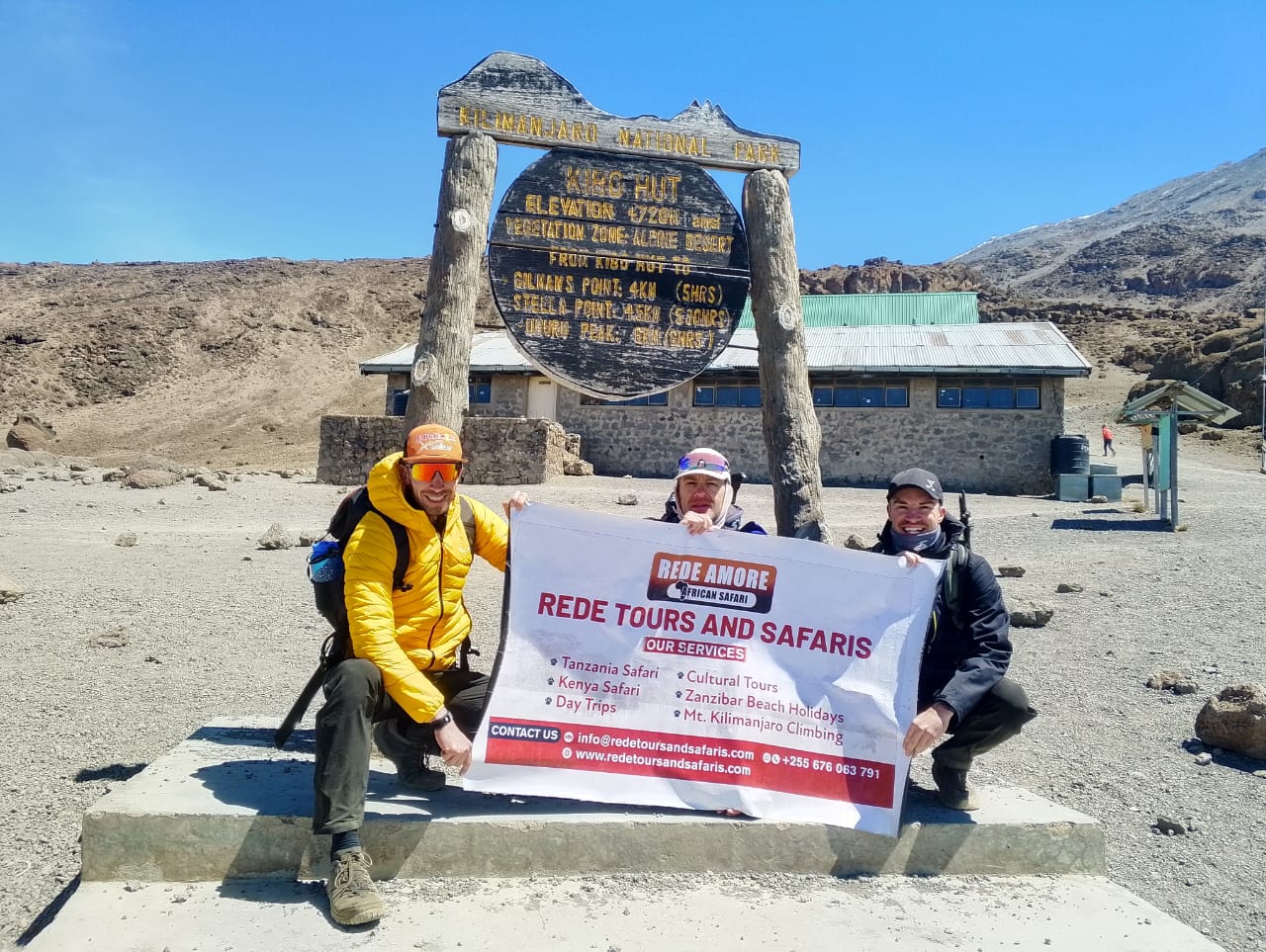
Choosing the best Kilimanjaro route for beginners is one of the most important decisions you will make when planning your climb. While every route leads to the summit, some provide a much better experience for first-time hikers. The Lemosho Route stands out as the top recommendation because it offers outstanding scenery, a gradual ascent, and one of the highest summit success rates on the mountain. The Northern Circuit is an excellent option for those who have extra time and want the greatest chance of reaching Uhuru Peak, while the Machame Route is ideal for active beginners looking for a scenic and rewarding challenge.
No matter which routes you choose, remember that success on Kilimanjaro is not about climbing quickly but about climbing wisely. Give your body time to acclimatize, train before your trip, use high-quality gear, and follow the guidance of your mountain crew. With careful preparation and the right route, your first Kilimanjaro climb can become an unforgettable journey to the highest point in Africa.
Now is the best time to start planning your climb, especially if you want to secure the best dates during the dry season. Early booking also gives you enough time to prepare physically, choose the right gear, and mentally get ready for the challenge ahead.
If you are ready to take the next step you can check us for building your itinerary today. With the right support, preparation, and mindset, reaching Uhuru Peak is not just a dream it becomes a real and achievable goal.
For bookings and inquiries:
📧 Email: redetours2005@gmail.com
📱 WhatsApp: +255 676 063 791