
Climbing Mount Kilimanjaro is one of the greatest adventures in the world. Rising 5,895 meters (19,341 feet) above sea level, Kilimanjaro is the highest mountain in Africa and attracts thousands of trekkers every year. One of the most important decisions before climbing is choosing the right Kilimanjaro hiking route. Every route is different in terms of scenery, difficulty, acclimatization, success rate, crowd levels, and overall trekking experience. Some routes are ideal for beginners, while others are better for experienced hikers looking for a challenge. Choosing the right route can significantly improve your chances of reaching Uhuru Peak, the summit of Kilimanjaro. In this guide, we explain the 7 best Kilimanjaro hiking routes, including detailed route descriptions, difficulty levels, summit success rates, advantages, disadvantages, and who each route is best for.
Your Kilimanjaro route affects many parts of your climb, including:
In general, longer routes have higher success rates because they allow more time for acclimatization. Altitude sickness is the main reason many climbers fail to reach the summit, so choosing a route with a good acclimatization profile is extremely important.
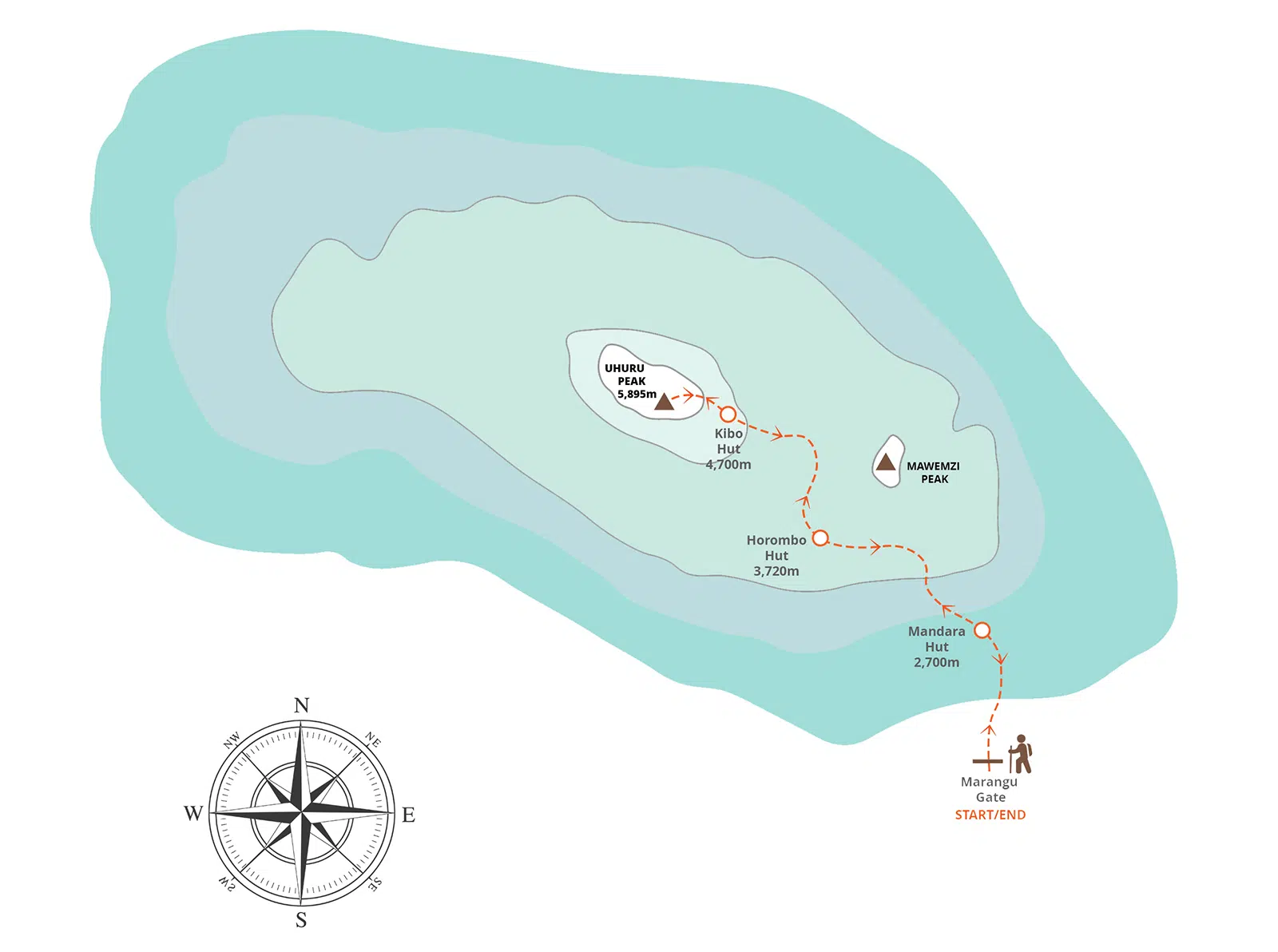
The Marangu Route is one of the most historic, well-established, and frequently used trekking paths on Mount Kilimanjaro. Known widely as the “Coca-Cola Route,” it has earned this nickname because of its relative comfort level and the availability of basic amenities such as hut accommodation and sometimes soft drinks at certain camps. Many climbers are attracted to Marangu because it feels more structured and less rugged compared to camping routes, offering a traditional trekking experience with fixed sleeping huts instead of tents. This route is often chosen by climbers who want a more comfortable mountain experience while still reaching the highest point in Africa. However, despite its reputation for being “easier,” it still requires good preparation, fitness, and awareness of altitude challenges.
Route Duration
Difficulty Level
Moderate
Although many people believe the Marangu Route is the easiest route on Kilimanjaro, in reality it can be quite challenging due to its short itinerary. Most climbers attempt the 5-day version, which does not provide enough time for proper acclimatization. The trail itself is not technically difficult, as it features gradual slopes and well-maintained paths leading to comfortable sleeping huts. However, the rapid gain in altitude increases the risk of altitude sickness, which is the main challenge on this route.
Success Rate
Adding an extra acclimatization day greatly improves summit success.
Pros of the Marangu Route
Cons of the Marangu Route
Best For
The Marangu Route is best for:
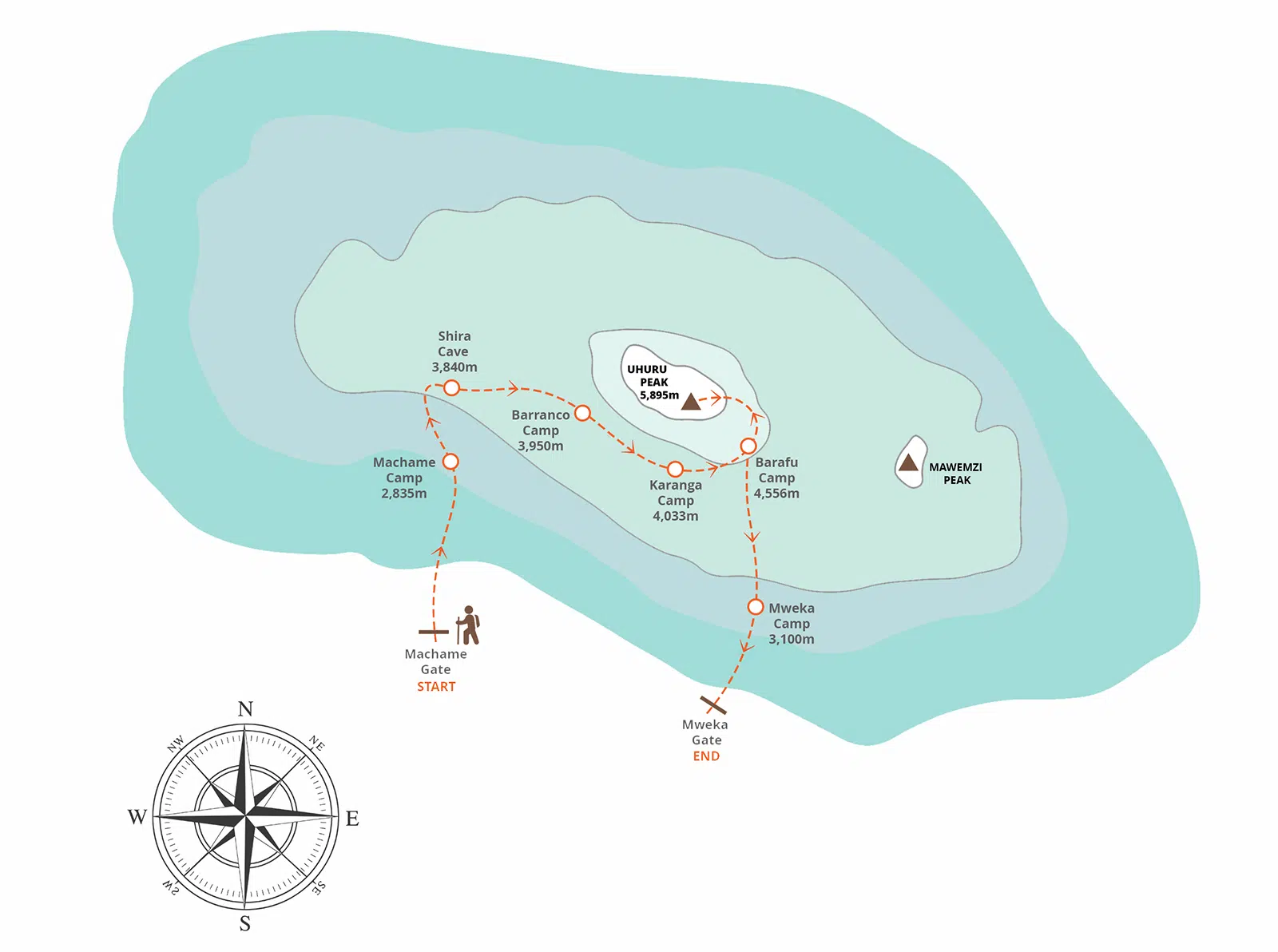
The Machame Route is one of the most popular, scenic, and rewarding trekking routes on Mount Kilimanjaro. Often called the “Whiskey Route,” it is known for being more adventurous and physically engaging compared to the Marangu Route. This route attracts climbers who want a true mountain experience, combining challenging terrain with breathtaking natural beauty. Machame is especially famous for its variety of landscapes. Climbers pass through dense rainforest at the base, then transition into moorland, alpine desert, and finally the icy glacier zones near the summit. One of the most memorable highlights is the Barranco Wall, a steep but non-technical climb that adds excitement and adventure to the journey.
Route Duration
• 6 Days
• 7 Days (highly recommended)
Difficulty Level
Moderately Difficult
The Machame Route is more physically demanding than Marangu because of its steeper trails and longer daily hiking distances. Climbers must be in good physical condition to handle continuous uphill sections and changing terrain. However, one of the biggest advantages of Machame is its strong acclimatization profile. The route follows the important trekking principle of “climb high, sleep low,” which allows the body to adapt more effectively to high altitude conditions. This significantly increases summit success compared to shorter routes.
Success Rate
The 7-day itinerary significantly improves acclimatization.
Pros of the Machame Route
Cons of the Machame Route
Best For
The Machame Route is ideal for:
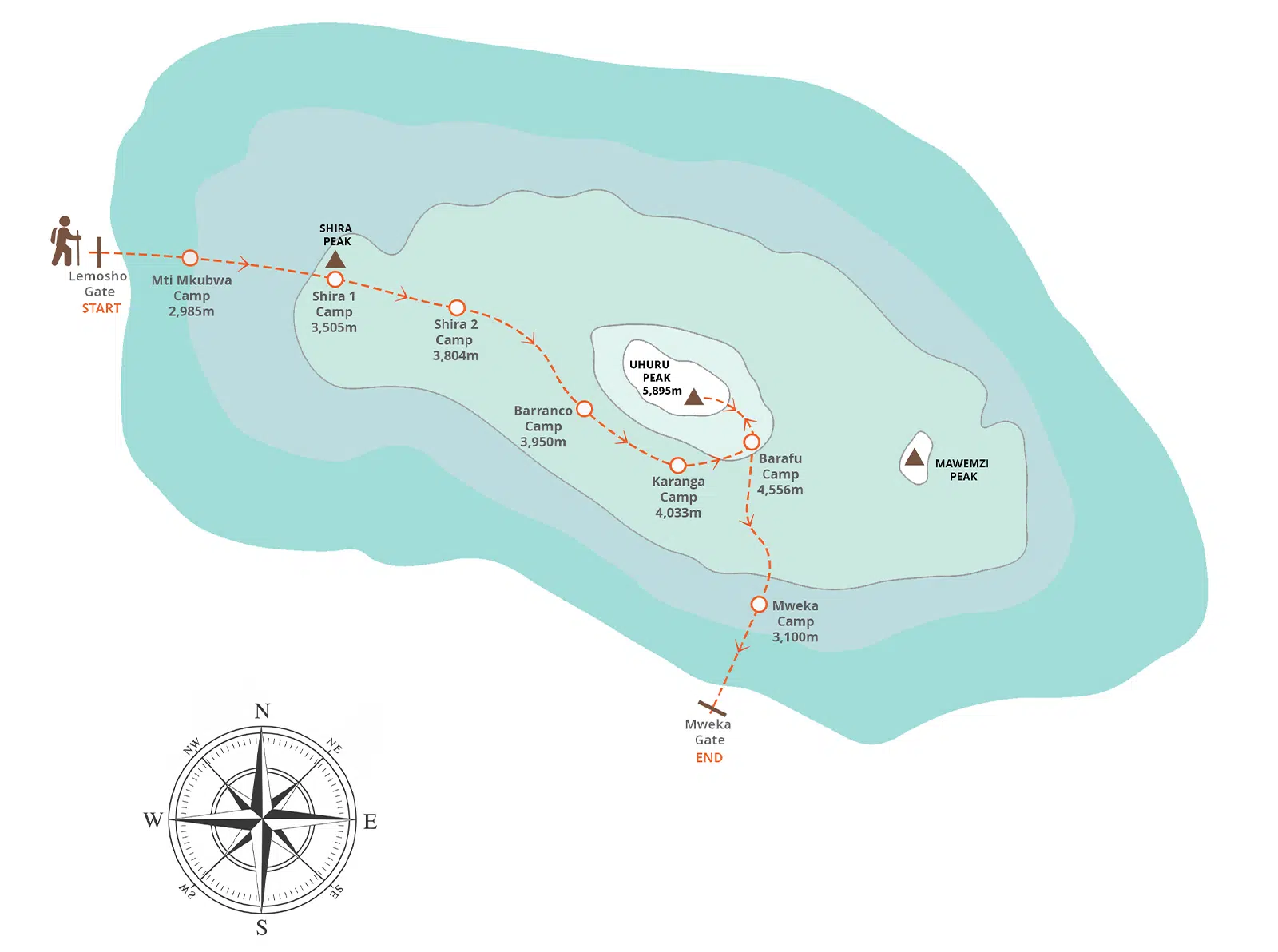
The Lemosho Route is widely regarded as the most balanced and best overall trekking route on Mount Kilimanjaro. It is highly appreciated by climbers because it combines outstanding natural beauty, excellent acclimatization opportunities, and one of the highest summit success rates. This route is ideal for those who want a full Kilimanjaro experience without rushing the climb, allowing the body and mind to adjust gradually to the changing altitude and environment. The journey begins on the western side of Kilimanjaro, passing through remote and untouched wilderness areas. One of its most impressive sections is the Shira Plateau, a vast high-altitude plateau offering incredible panoramic views. As the route progresses, it merges with the Machame Route near Lava Tower, where climbers experience important acclimatization before continuing toward the summit. Because Lemosho is a longer route, it gives climbers more time to adapt naturally to altitude changes. This greatly reduces the risk of altitude sickness and significantly improves the chances of successfully reaching Uhuru Peak, the highest point in Africa.
Route Duration
• 7 Days
• 8 Days (best option)
Difficulty Level
Moderate to Moderately Difficult
Although the Lemosho Route is longer in duration, it is not the most physically difficult. In fact, the extended itinerary makes the climb more manageable because of the gradual ascent. This slow and steady progression allows the body to adapt properly to high altitude conditions. The main challenge is endurance over multiple days of trekking rather than steep technical difficulty. With proper pacing and preparation, most climbers find Lemosho to be one of the most enjoyable and rewarding routes on Kilimanjaro.
Success Rate
This makes Lemosho one of the highest-success routes on Kilimanjaro.
Pros of the Lemosho Route
Cons of the Lemosho Route
Best For
The Lemosho Route is best for:
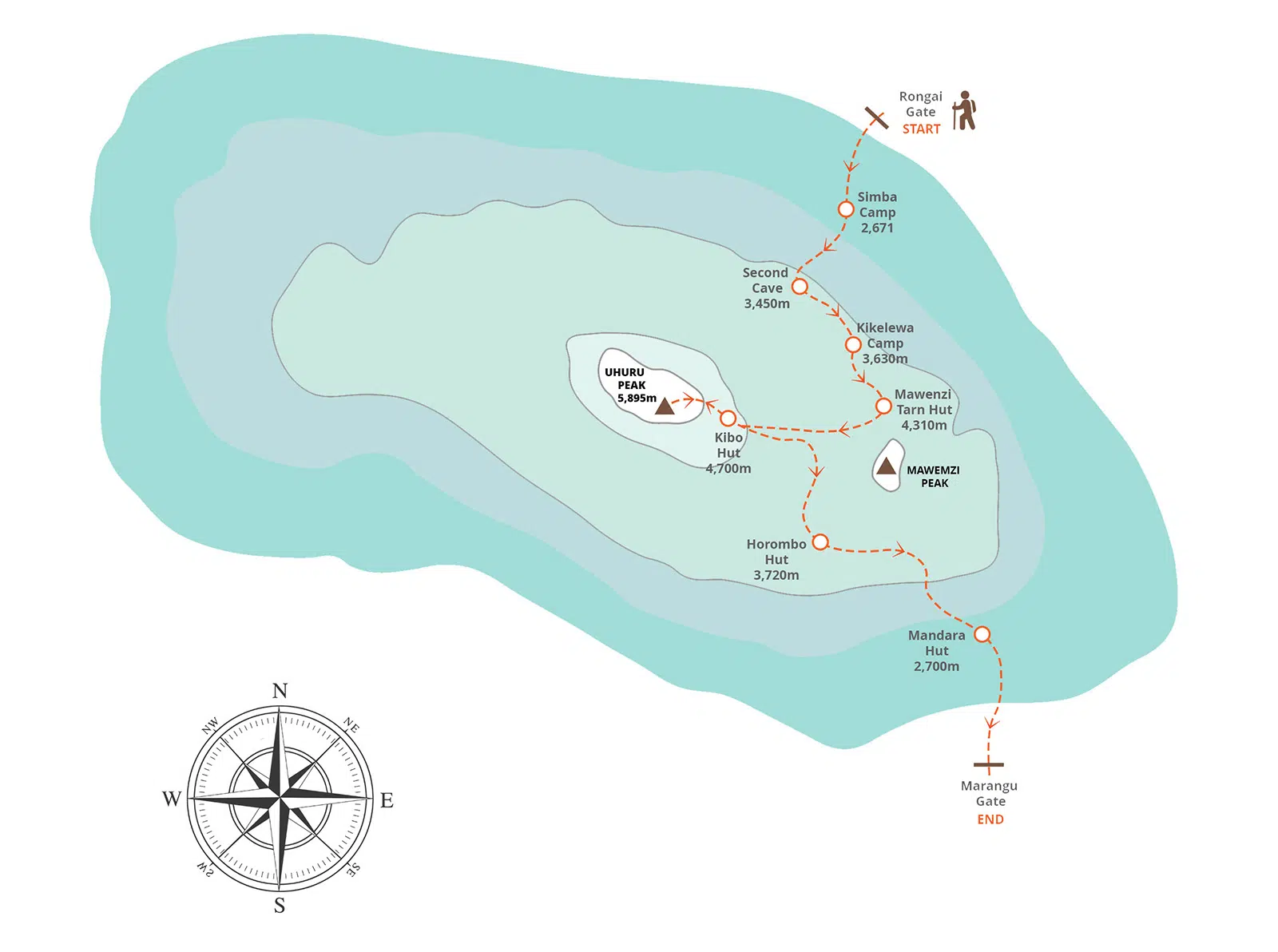
The Rongai Route is one of the most peaceful and less crowded trekking routes on Mount Kilimanjaro. It approaches the mountain from the northern side, close to the Kenyan border, offering a completely different perspective compared to the more popular southern routes. This route is especially valued by climbers who prefer solitude, quiet trails, and a more remote wilderness experience away from heavy trekking traffic. One of the key advantages of the Rongai Route is its dry climate. Unlike the southern slopes, this area receives significantly less rainfall, making it an excellent choice during wet or rainy seasons. The landscape is also more gentle and less humid, which creates a more comfortable trekking environment, especially in the early stages of the climb.
Route Duration
• 6 Days
• 7 Days
Difficulty Level
Moderate
The Rongai Route is considered moderate in difficulty because it features gradual slopes and fewer steep or technical sections. This makes it physically accessible for many climbers, including those with less mountain trekking experience. However, while the trail is easier on the legs, its acclimatization profile is not as strong as routes like Lemosho or Machame. This means climbers still need to pace themselves carefully to avoid altitude-related issues as they ascend toward the summit.
Success Rate
Pros of the Rongai Route
Cons of the Rongai Route
Best For
The Rongai Route is ideal for:
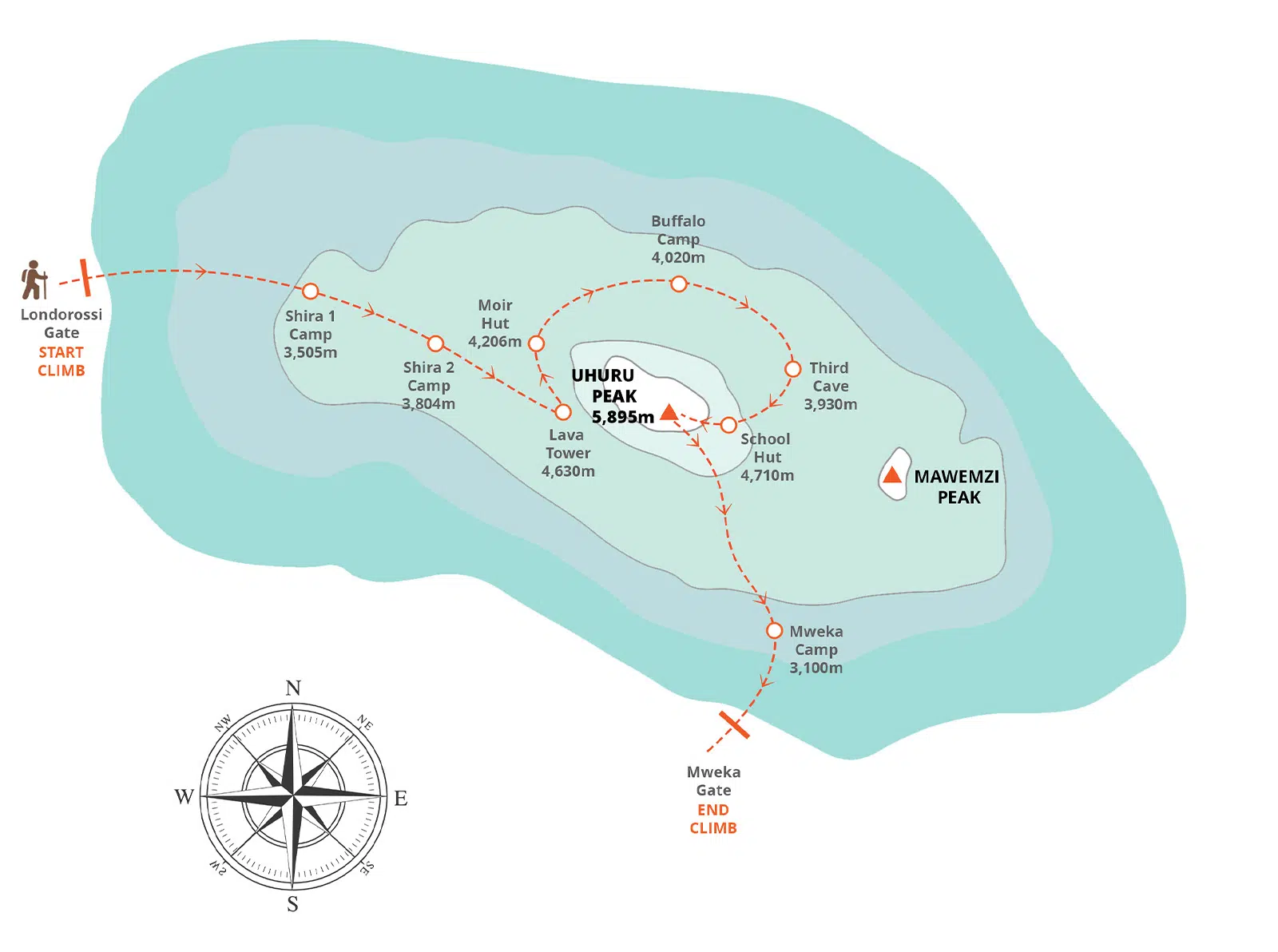
The Northern Circuit Route is the longest and one of the most rewarding trekking routes on Mount Kilimanjaro. It is widely recognized for having the highest summit success rate, making it the top choice for climbers whose main goal is to reach Uhuru Peak safely and successfully. This route offers an exceptional balance of adventure, comfort in pacing, and outstanding acclimatization. Unlike other routes, the Northern Circuit takes a wide path around almost the entire mountain. This full circular journey allows climbers to experience some of Kilimanjaro’s most remote and untouched landscapes. The route also provides incredible panoramic views from multiple angles of the mountain, giving trekkers a deeper and more complete appreciation of its natural beauty. Because of its longer distance and fewer trekkers, the Northern Circuit is also one of the quietest routes on Kilimanjaro. Climbers can enjoy a peaceful trekking environment with minimal crowding, especially in the early and middle stages of the ascent.
Route Duration
• 8–9 Days
Difficulty Level
Moderate
Although the Northern Circuit is the longest route on Kilimanjaro, it is not the most physically difficult. In fact, the gradual and well-paced ascent makes it easier on the body compared to shorter and steeper routes. The extended duration allows for excellent acclimatization, giving climbers more time to adjust to altitude changes naturally. This significantly reduces the risk of altitude sickness and greatly improves summit success rates.
Success Rate
This is the highest summit success rate on Kilimanjaro.
Pros of the Northern Circuit Route
Cons of the Northern Circuit Route
Best For
The Northern Circuit Route is best for:
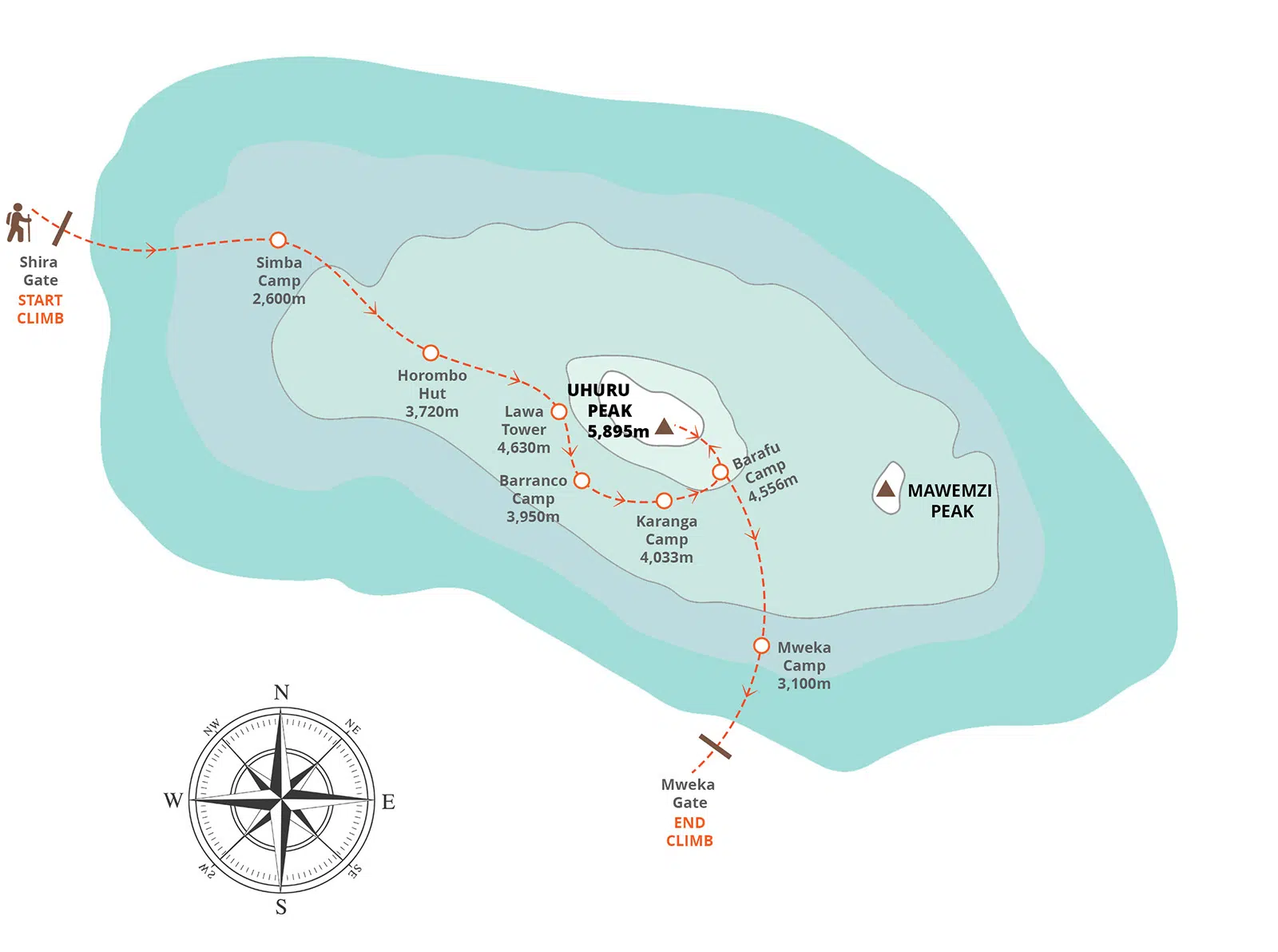
The Shira Route is an early-access route on Mount Kilimanjaro that is very similar to the Lemosho Route, but with one major difference it begins at a higher elevation. This unique starting point gives climbers immediate exposure to high-altitude conditions right from the first day of trekking. Because of this, the route feels more challenging from the beginning and requires climbers to be more prepared for altitude changes early in the journey. The route crosses the beautiful Shira Plateau, one of Kilimanjaro’s most scenic and open landscapes, offering wide views of the mountain and surrounding plains. However, since climbers start high and gain altitude quickly, the body has less time to gradually adjust compared to lower-starting routes like Lemosho or Machame.
Route Duration
• 6–8 Days
Difficulty Level
Moderately Difficult
The higher starting altitude makes the Shira Route more demanding, especially for beginners or climbers who have never experienced high-altitude trekking before. The body is exposed to thinner air earlier in the climb, which increases the importance of pacing, hydration, and proper acclimatization. While the route is not technically difficult in terms of terrain, the main challenge comes from altitude exposure. Climbers who choose this route should be physically fit and prepared for early signs of altitude effects.
Success Rate
Pros of the Shira Route
Cons of the Shira Route
Best For
The Shira Route is ideal for:
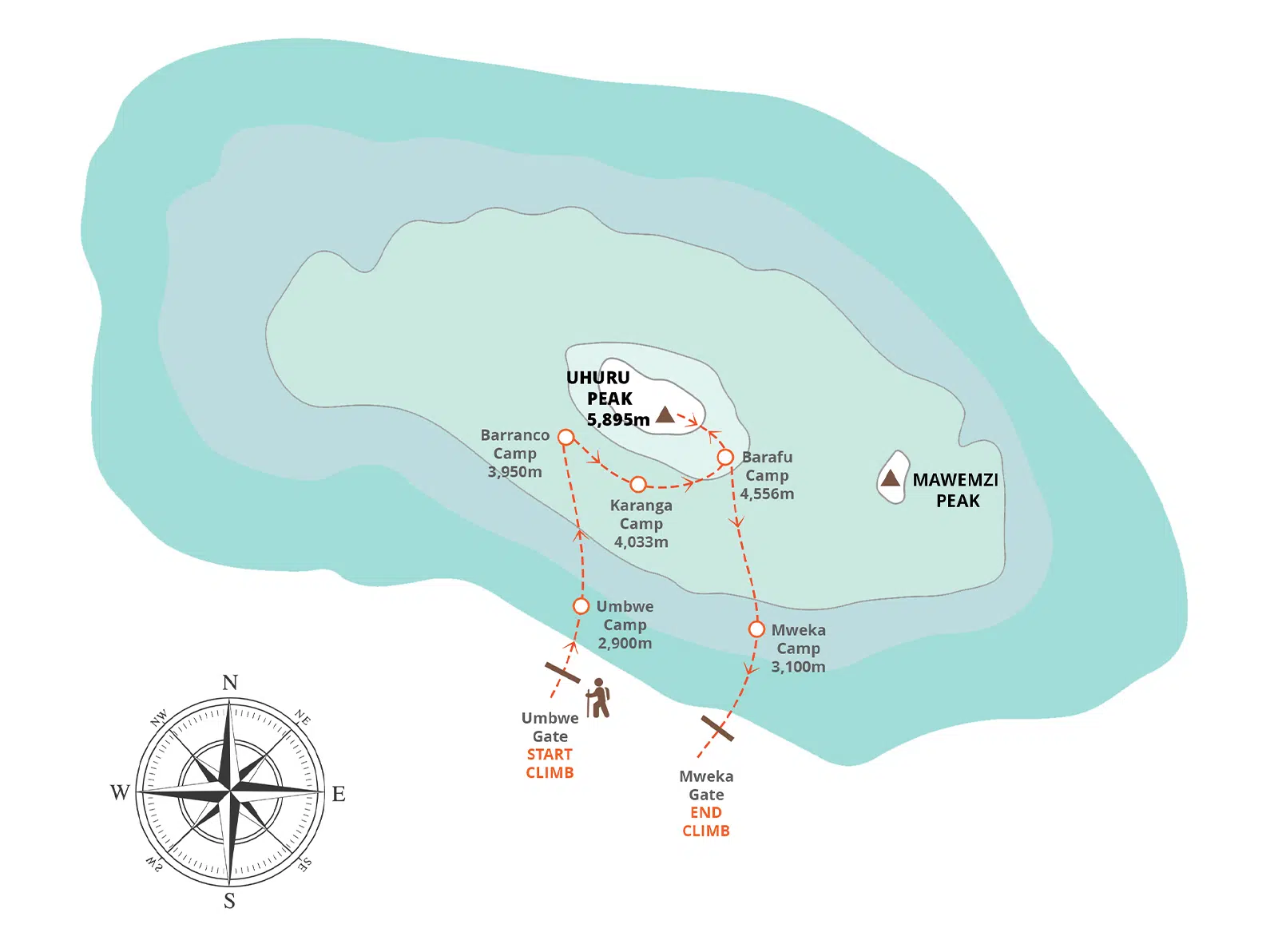
The Umbwe Route is widely known as the most difficult and demanding trekking route on Mount Kilimanjaro. It is designed for experienced climbers who are confident in their physical endurance and have prior high-altitude trekking experience. This route is very direct and steep, ascending quickly toward higher elevations without allowing much time for gradual acclimatization. Because of its fast elevation gain, the Umbwe Route is considered a serious challenge. Climbers are exposed to altitude changes very early in the trek, which increases the risk of altitude sickness compared to other routes. For this reason, it is not commonly recommended for beginners. Despite its difficulty, Umbwe offers a raw and adventurous mountain experience. The trail is quiet, less crowded, and provides a sense of isolation and wilderness that many experienced trekkers appreciate.
Route Duration
Difficulty Level
Very Difficult
The Umbwe Route features steep, direct ascents and physically demanding terrain. Climbers face continuous uphill sections with limited recovery time, making endurance and mental strength very important. Due to the rapid ascent and limited acclimatization, this route has one of the highest physical demands on Kilimanjaro. Proper preparation, strong fitness levels, and prior trekking experience are highly recommended before attempting this route.
Success Rate
Pros of the Umbwe Route
Cons of the Umbwe Route
Best For
The Umbwe Route is best for:
Here is a clear comparison table to help you choose the best Kilimanjaro route based on your goals, experience, and travel style.
Category |
Best Route |
Why It’s Best |
|
Best Overall Route |
Lemosho Route |
Best balance of scenery, acclimatization, and high summit success |
|
Best for Beginners |
Machame Route (7 Days) |
Good acclimatization and manageable challenge for first-timers |
|
Highest Success Rate |
Northern Circuit Route |
Longest route with best acclimatization and +95% success rate |
|
Cheapest Route |
Marangu Route |
Hut accommodation makes it more budget-friendly |
|
Most Scenic Route |
Lemosho Route |
Remote wilderness, diverse landscapes, and panoramic views |
|
Quietest Route |
Rongai Route |
Least crowded, peaceful trekking experience |
|
Most Difficult Route |
Umbwe Route |
Very steep, fast ascent, and low acclimatization time |
Final Note
Each Kilimanjaro route offers a different experience. The best choice depends on whether you value success rate, budget, scenery, or challenge level. For most climbers, Lemosho and Machame (7 days) provide the best overall experience, while Northern Circuit is best for maximum summit success.
The Northern Circuit Route has the highest summit success rate on Mount Kilimanjaro, often exceeding 95%. This is mainly because it is the longest route, allowing climbers more time for proper acclimatization and giving the body a gradual adjustment to high altitude conditions. The slow and steady ascent greatly reduces the risk of altitude sickness, which is the main reason many climbers fail to reach Uhuru Peak.
The Marangu Route is often considered the easiest route in terms of walking terrain because it has a well-established trail and offers hut accommodation instead of camping in tents. This makes it more comfortable for many climbers, especially beginners who prefer basic shelter and fixed sleeping facilities. However, it is important to understand that “easiest” does not always mean highest success rate, because shorter itineraries can make acclimatization more difficult. In comparison, longer routes like Lemosho and Machame (7 days) often provide better summit success due to gradual altitude gain.
The 7-Day Machame Route is widely recommended for beginners who want a balanced and successful climbing experience. It offers a good mix of challenge, safety, and strong acclimatization, which is very important for high-altitude trekking. The route allows climbers to “climb high and sleep low,” helping the body adjust naturally to changing oxygen levels. In addition, Machame is one of the most scenic routes, making the journey more enjoyable and motivating for first-time climbers.
The Lemosho Route is considered the most scenic Kilimanjaro route by many climbers and guides. It passes through remote and untouched wilderness areas, starting from dense rainforest and gradually moving through the beautiful Shira Plateau, alpine desert, and finally the glacier zone near the summit. The wide panoramic views and peaceful environment make it one of the most visually rewarding trekking experiences on the mountain.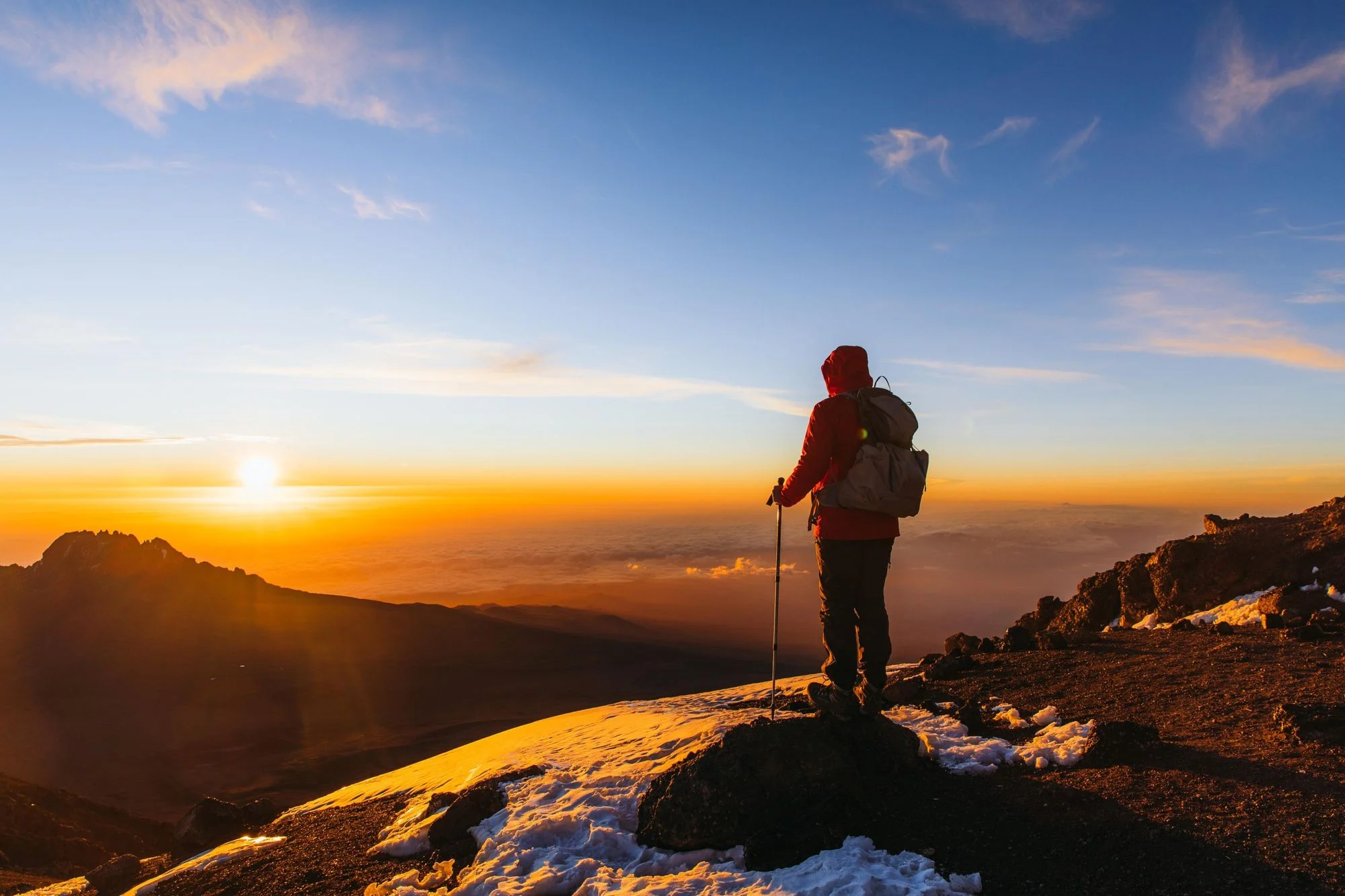
Choosing the best Kilimanjaro hiking route can make a huge difference in your overall trekking experience, safety, and summit success. While all routes ultimately lead to the roof of Africa, each one offers a different level of difficulty, scenery, acclimatization quality, and comfort. Some routes are designed for adventure and challenge, while others focus more on gradual ascent and higher success rates. For most climbers, the Lemosho Route and Machame Route (7 days) provide the best overall balance of success, adventure, and unforgettable scenery. These routes offer excellent acclimatization profiles, which significantly increase the chances of reaching Uhuru Peak safely. However, the best route for you will always depend on your personal fitness level, budget, available time, and travel goals.
Book Your Kilimanjaro Adventure Today
Ready to climb Mount Kilimanjaro in 2026–2027?
Our experienced local mountain guides are ready to help you choose the perfect route and safely guide you all the way to the summit of Africa’s highest mountain.
For bookings and inquiries:
📧 Email: redetours2005@gmail.com
📱 WhatsApp: +255 676 063 791