
The 7 Days Lemosho Route on Mount Kilimanjaro is widely regarded as one of the most beautiful and well-balanced trekking routes for reaching the summit in 2026 and 2027. It is designed for climbers who want a strong combination of scenic variety, gradual altitude gain, and a high chance of success without dealing with the heavy crowds seen on more popular routes.
What makes this route special is how it slowly introduces you to the mountain’s changing environments. You begin in dense rainforest, move into wide open moorlands, then cross volcanic landscapes and alpine desert before finally reaching the icy summit zone. This gradual transformation not only makes the trek more enjoyable but also helps your body adjust better to high altitude conditions.
Compared to shorter routes, the 7-day Lemosho offers a better balance between time and difficulty. It is long enough to improve acclimatization, but still efficient for climbers who have limited days. This is why it is often chosen by trekkers who want a high success rate but cannot commit to the longer 8-day option.
The Lemosho Route is considered one of the most scenic routes on Mount Kilimanjaro because it starts on the remote western side of the mountain, far away from the busier trails. This gives you a quieter and more natural experience in the early days of the climb.
The first section takes you through untouched rainforest where you may see wildlife, thick vegetation, and misty jungle landscapes. As you ascend higher, the forest gradually opens into heath and moorland, offering wide views of the mountain and surrounding plains.
One of the biggest advantages of this route is its excellent acclimatization design. The 7-day itinerary includes key altitude adjustment points, helping your body gradually adapt to lower oxygen levels. This significantly increases your chances of reaching the summit compared to shorter routes.
Even though it is slightly shorter than the 8-day version, the 7-day Lemosho still maintains a strong success rate for fit and well-prepared climbers. It is often chosen by travelers who want a premium trekking experience but have limited time.
The 7 Days Lemosho Route on Mount Kilimanjaro begins at Londorossi Gate on the western side of the mountain, one of the most remote and scenic entry points. This section offers a quiet and natural start, far from the busier routes, allowing climbers to gradually enter the mountain environment.
The first days of the trek pass through dense rainforest, where humidity is high and vegetation is thick. This zone is rich in biodiversity and creates a true wilderness experience. As you continue climbing higher, the forest slowly changes into heath and moorland, where trees become smaller and the landscape opens up with wide views of the mountain.
Further up, the terrain shifts into volcanic desert, a dry and rocky environment with strong winds and colder temperatures. This change in landscape is one of the most striking features of Kilimanjaro, as you move through completely different ecosystems within a few days.
Near Shira Plateau, the Lemosho Route joins the Machame Route. From this point, climbers share the same trail and continue through some of the most famous sections of the mountain. These include Barranco Valley, the challenging Barranco Wall, Karanga Camp, and Barafu Camp, which serves as the final base before the summit attempt.
The final ascent leads to Uhuru Peak, the highest point in Africa on Mount Kilimanjaro. After reaching the summit, the descent follows the Mweka Route, passing back through the alpine zones into lush rainforest before ending at Mweka Gate.
The 7 Days Lemosho Route on Mount Kilimanjaro is designed to gradually expose you to higher altitude while taking you through completely different landscapes every day. Below is a more detailed, “on-the-ground” explanation of what each day actually feels like so you understand the real experience, not just the schedule.
Your climb starts with registration at Londorossi Gate, where guides check permits and brief you on safety rules. After that, you enter the rainforest. The air is warm, humid, and full of oxygen, which makes the first day feel easier physically.
The trail is often muddy and slippery depending on the season. You walk slowly under tall trees, thick vines, and dense vegetation while listening to birds and sometimes monkeys in the forest. This is your first introduction to the wilderness of Kilimanjaro.
By the time you reach Mti Mkubwa Camp, you are already fully inside the mountain ecosystem, camping in a quiet forest surrounded by nature.
Today the forest begins to change. The trees become shorter, and the vegetation becomes thinner as you gain altitude. The climb is steady, and the air starts to feel cooler and slightly thinner.
You may begin to notice that walking slowly becomes more important. This is your body adjusting to altitude without you even realizing it yet. The scenery opens up gradually, giving you your first real views of the mountain slopes.
When you arrive at Shira 1 Camp, you are now above the dense forest zone and fully into open moorland terrain.
This is one of the most scenic walking days. You cross the Shira Plateau, which is wide, open, and volcanic in nature. The landscape feels vast and empty, with dramatic views of the mountain peak in the distance.
Although the terrain is not very steep, altitude is now noticeable. You may feel slightly slower when walking or get tired faster, which is normal. Guides will constantly remind you to walk slowly and drink water.
This day is very important for acclimatization, even though it feels easier than expected.
This is one of the most important days for your body. You ascend to Lava Tower, which is a high-altitude point where oxygen levels are lower. Even if you feel tired, this climb helps your body adapt to altitude.
After spending time at higher elevation, you descend to Barranco Camp to sleep at a lower altitude. This “climb high, sleep low” strategy is key for preventing altitude sickness.
The landscape becomes rockier and more dramatic, with giant cliffs and volcanic formations appearing as you approach Barranco.
The day starts with the famous Barranco Wall. From a distance, it looks steep and intimidating, but it is not a technical climb. You ascend step by step with the help of guides, using your hands occasionally for balance.
Once you reach the top, the views are stunning. You can see valleys, glaciers, and wide-open landscapes. After that, the trail continues with up-and-down sections that test your endurance.
This is a shorter day, designed to help your body rest and prepare for the summit push.
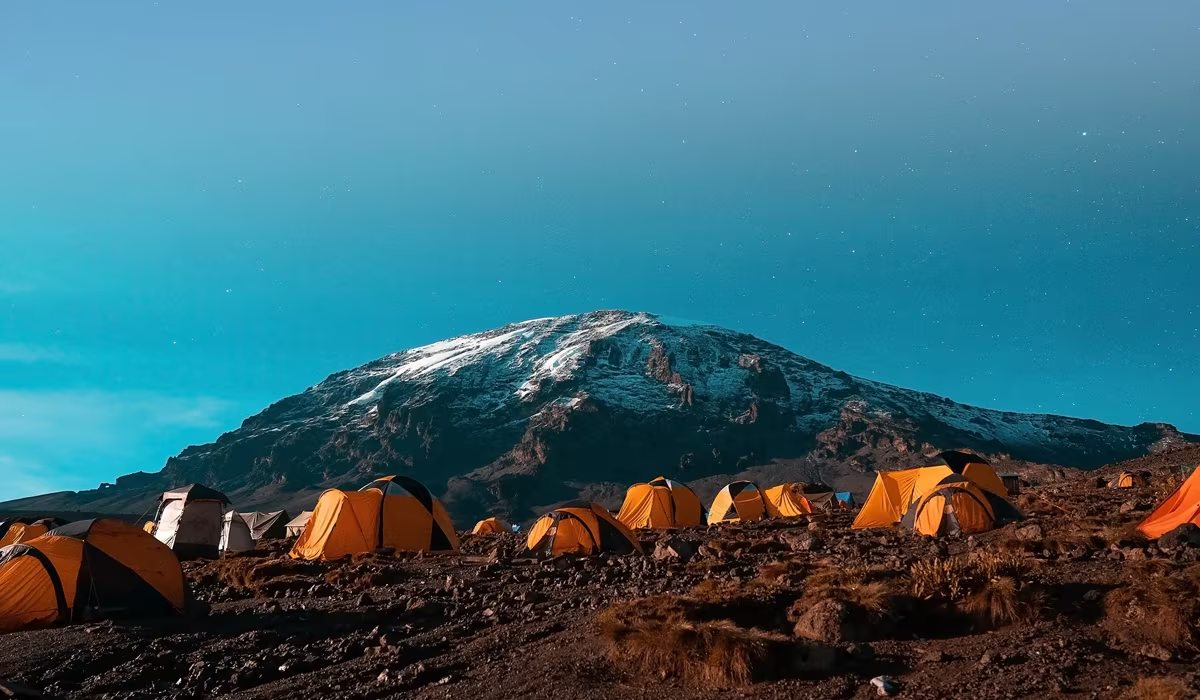
Today is a steady climb toward your final base camp. The vegetation disappears almost completely, and the environment becomes dry, rocky, and cold. Oxygen levels are much lower, so even walking slowly feels more tiring.
Barafu Camp is your final stop before summit night. After arriving, you rest, eat early, and try to sleep because the summit attempt starts at midnight.
This is a mentally important day because you are now very close to the highest point in Africa on Mount Kilimanjaro.
This is the hardest and most emotional day of the climb. You wake up around midnight and begin the summit push in darkness and freezing temperatures. The air is thin, and every step requires effort.
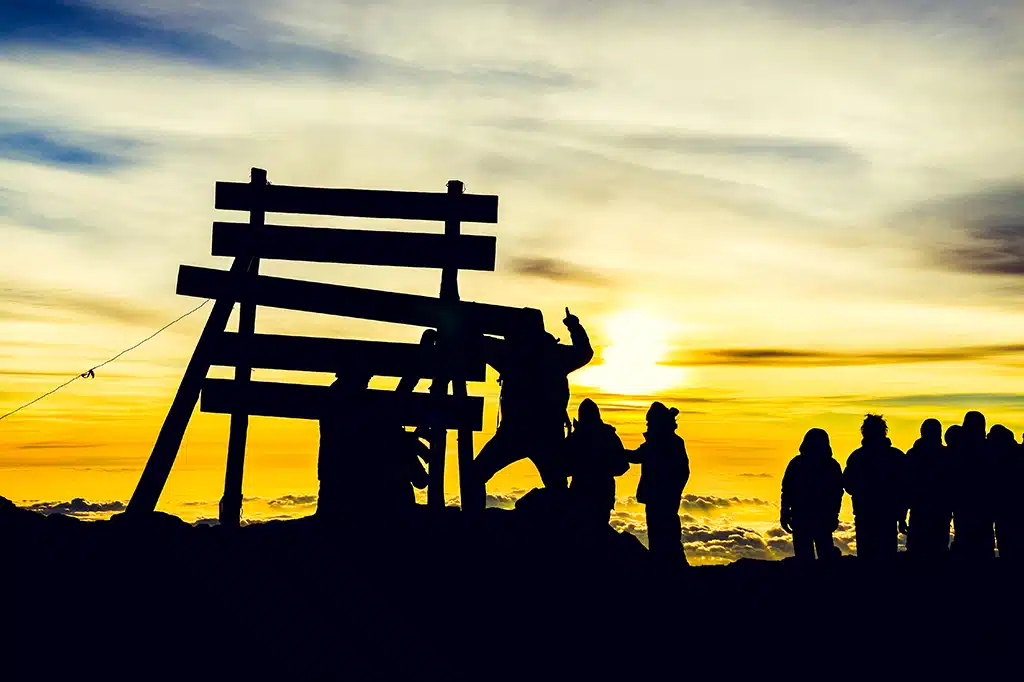
You climb slowly for several hours until you reach Stella Point on the crater rim. From there, you continue to Uhuru Peak, the highest point in Africa. This moment is often emotional because it represents the achievement of a major life goal.
After taking photos and celebrating briefly, you begin the long descent. First, you return to Barafu Camp for a short rest, then continue down to Mweka Camp for your final night on the mountain.
Reaching the summit of Mount Kilimanjaro is physically exhausting but one of the most rewarding experiences in the world.
Altitude is the biggest challenge when climbing Mount Kilimanjaro, not fitness. Even very fit hikers can struggle if the body does not adjust well to low oxygen levels. Above 3,000 meters, oxygen drops significantly, and the body needs time to adapt gradually.
The 7 Days Lemosho Route is designed to improve acclimatization through a slow and steady ascent. It allows your body to adjust step by step instead of climbing too fast.
Why This Strategy Works
The “climb high, sleep low” approach forces the body to adjust to higher altitude during the day while recovering at a lower elevation at night. This reduces the risk of altitude sickness and improves summit success chances on Mount Kilimanjaro.
When these acclimatization rules are followed correctly, the 7 Days Lemosho Route becomes a safe and highly rewarding way to reach the summit of Mount Kilimanjaro.
The 7 Days Lemosho Route on Mount Kilimanjaro is considered a moderate to challenging trek. It is not a technical climb, meaning you do not need ropes or mountaineering skills, but it does require good endurance, mental strength, and proper preparation.
The main challenge is not steep climbing, but the combination of long hiking days and high altitude. As you go higher, the air becomes thinner, and your body has to work harder even while walking slowly. This is why many climbers find the summit night the most demanding part of the entire journey.
Even if you are not a professional athlete, you can still complete this route if you prepare properly and follow guide instructions.
You should be able to:
Good fitness helps, but consistency and pacing are more important than speed or strength.
With proper preparation and a steady pace, most determined climbers can successfully complete the 7 Days Lemosho Route and reach the summit of Mount Kilimanjaro safely and confidently.
The best time to climb the 7 Days Lemosho Route on Mount Kilimanjaro is during the dry seasons, when weather conditions are more stable and trekking conditions are safer and more comfortable.
These periods offer clearer skies, better visibility, and drier trails, which significantly improve both the climbing experience and summit success chances.
Recommended Climbing Seasons
The most suitable months are divided into two main dry seasons:
This is the most popular and reliable time to climb. The weather is generally dry and stable, meaning less rain and better trail conditions. Visibility is usually excellent, giving you clear views of the mountain landscapes. Because of these conditions, this is also the busiest season on the mountain.
This period is slightly quieter compared to mid-year. The weather is still good, and the scenery is often very clear. However, temperatures can be colder, especially at night and near the summit. It is a good choice for climbers who want fewer crowds but still want stable conditions.
Choosing the right season affects your entire experience on Mount Kilimanjaro. Good timing means:
Poor timing, especially during rainy seasons, can lead to muddy trails, reduced visibility, and more physically demanding trekking conditions.
Choosing the right time for the 7 Days Lemosho Route on Mount Kilimanjaro can make a big difference in your comfort, safety, and overall success on the mountain.
The cost of the 7 Days Lemosho Route on Mount Kilimanjaro generally ranges between $1,650 and $2,700 per person, depending on the tour operator, group size, and level of service chosen.
Lower-priced packages usually include standard group climbs, while higher-end packages may offer smaller groups, more experienced guides, upgraded camping equipment, and additional comfort services.
Several key factors influence the total cost of your climb:
Most standard packages for the 7 Days Lemosho Route on Mount Kilimanjaro include essential services required for a safe and successful climb.
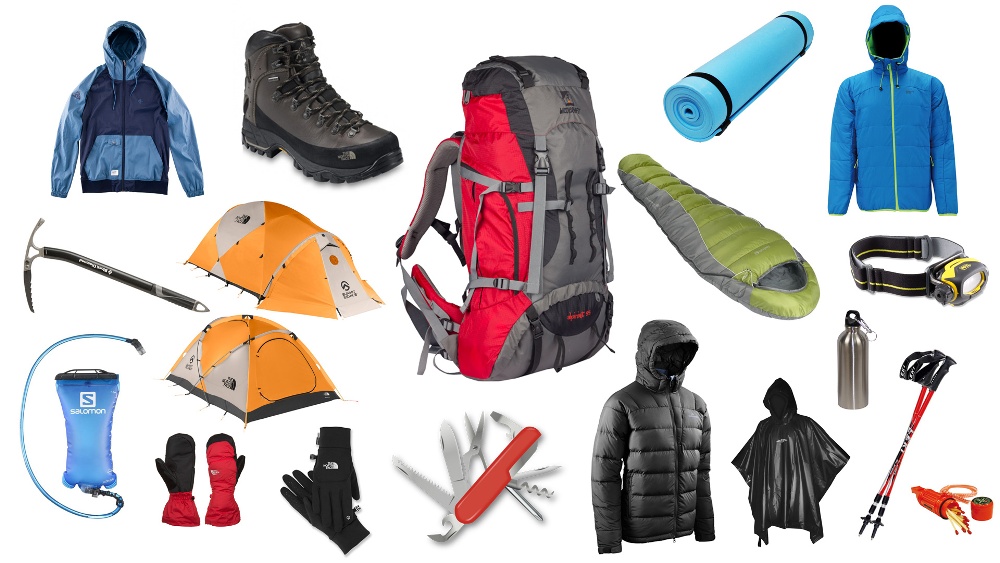
A successful climb of Mount Kilimanjaro depends greatly on having the right equipment. Because the mountain has multiple climate zones, conditions change quickly from warm rainforest to freezing summit temperatures, so proper preparation is essential.
You need layered clothing that allows you to adjust as temperatures change during the day. A warm insulated jacket is required for summit night when temperatures drop significantly. Waterproof outer layers are also important to protect you from rain and wind at higher elevations. Well-broken-in hiking boots are essential for comfort and safety on rocky and uneven trails.
Other key items include thermal gloves and a warm hat for cold conditions, a high-quality sleeping bag suitable for sub-zero temperatures, a headlamp for night trekking, and a hydration system or water bottles to stay properly hydrated throughout the climb.
Sunscreen, sunglasses, and dry bags for protecting gear from rain are also strongly recommended.
The 7 Days Lemosho Route on Mount Kilimanjaro is considered one of the most scenic and well-balanced routes on the mountain. It starts on the remote western side, which means fewer crowds and a more peaceful trekking experience in the early days.
One of its biggest strengths is the gradual change in landscapes, giving climbers a complete journey through all major ecological zones.
As you climb higher, you experience a full transformation from lush rainforest to open moorland, then volcanic desert, and finally the icy summit zone. This makes the route not only successful for acclimatization but also highly rewarding visually.
Because of this combination of scenery, comfort, and high summit success rates, the 7 Days Lemosho Route is one of the most recommended ways to reach the top of Mount Kilimanjaro.
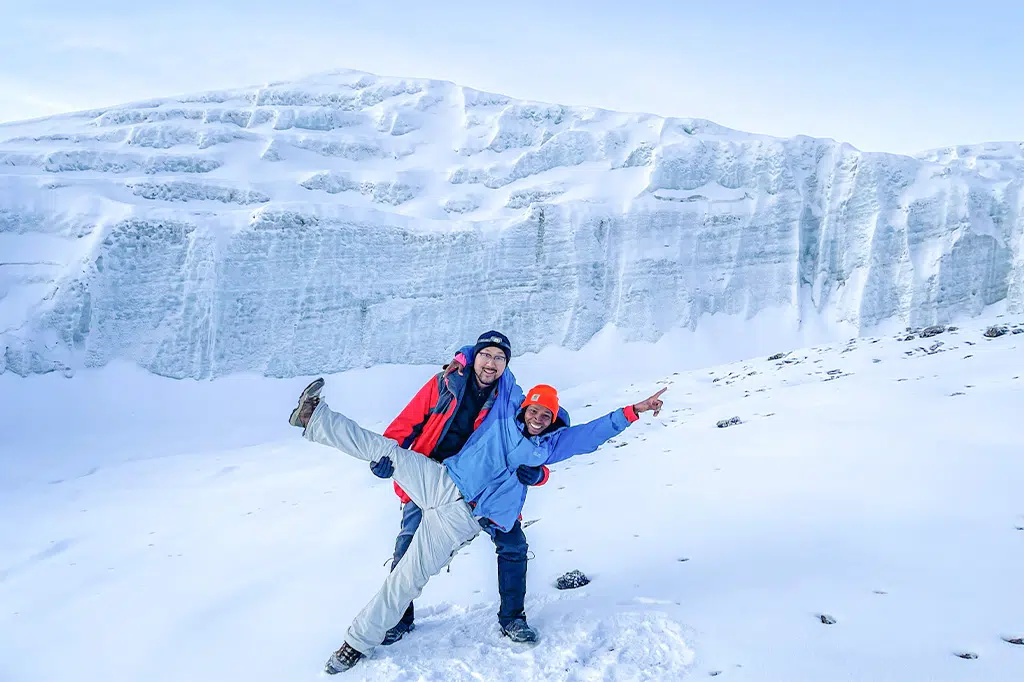
The 7 Days Lemosho Route on Mount Kilimanjaro is one of the most balanced and rewarding trekking options for climbers who want a combination of scenic beauty, strong acclimatization, and a high chance of reaching the summit. It offers a complete mountain experience, starting from lush rainforest and gradually transitioning through heath, moorland, alpine desert, and finally the icy summit zone.
What makes this route especially valuable is how it blends adventure with a structured ascent profile. You are not rushing the mountain; instead, you are moving step by step, allowing your body to adjust naturally to altitude. This makes the journey more manageable and increases summit success when compared to shorter itineraries.
With proper preparation, steady pacing, and choosing the right climbing season, the 7 Days Lemosho Route delivers one of the most memorable trekking experiences in Africa. Every stage of the climb feels different, and the final moment at the summit is often described as life-changing.
Ready to climb Mount Kilimanjaro in 2026/2027?
Book your 7 Days Lemosho Route adventure today. Limited group departures are available, and spaces fill quickly during peak seasons.
Contact us now to secure your spot and start your journey to Uhuru Peak, the Roof of Africa.