
Climbing Mount Kilimanjaro via the Machame Route is one of the most rewarding trekking experiences in Africa. Known as the “Whiskey Route,” it combines dramatic scenery with a physically demanding climb, making it ideal for travelers who want both adventure and achievement.
The 6-day version is shorter and more intense, which means proper preparation and understanding of the route are essential.
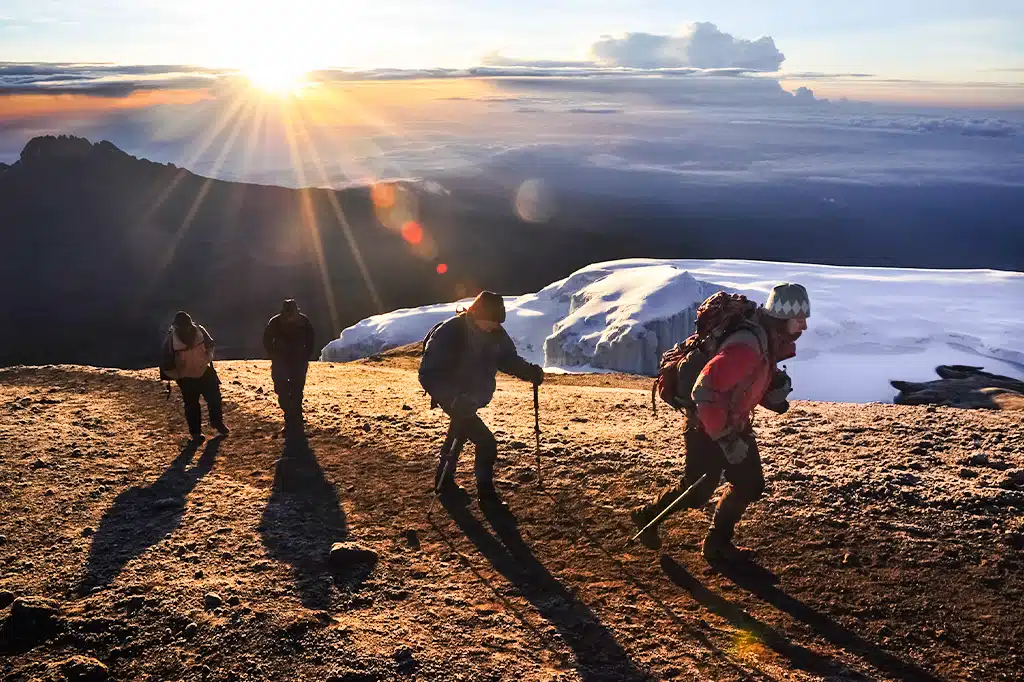
The 6-day Machame Route is considered a shorter itinerary for climbing Mount Kilimanjaro, and this has a direct impact on how your body adapts to the mountain. While it is attractive for travelers with limited time, the reduced number of days means your body has less opportunity to gradually adjust to decreasing oxygen levels at higher altitudes. On Kilimanjaro, acclimatization is not just helpful it is critical. A longer itinerary allows your body to produce more red blood cells and adapt to lower oxygen pressure, but in 6 days, this process is compressed. As a result, each day involves significant altitude gain, which increases fatigue and puts more stress on your body. This is why the 6-day option is often described as efficient but demanding it saves time, but requires stronger physical and mental resilience.
The Machame Route is not technically difficult (no ropes or climbing equipment required), but it is physically and mentally demanding. The challenge comes from a combination of long trekking hours, steep sections, and the cumulative effect of altitude. Each day typically involves 5–8 hours of hiking, often on uneven terrain such as rocky paths, ridges, and loose gravel. The most difficult part is the summit push, which begins around midnight and can take 6–8 hours of continuous uphill trekking in freezing temperatures and low oxygen conditions. At this stage, your body is already fatigued from previous days, and even simple movements require more effort. The mental aspect becomes just as important as physical fitness you need determination, patience, and the ability to keep moving slowly despite discomfort. This is why even experienced hikers find Kilimanjaro more challenging than expected.
The success rate for the 6-day Machame Route is generally between 70% and 80%, which is considered good but not the highest among Kilimanjaro routes. The main factor affecting success is altitude acclimatization rather than fitness alone. Many climbers who are physically strong still fail to reach the summit because their bodies cannot adjust quickly enough to the altitude. Symptoms like headaches, nausea, dizziness, and extreme fatigue can force climbers to descend for safety reasons. By adding an extra day choosing the 7-day Machame Route you give your body more time to adapt, which significantly increases your chances of reaching Uhuru Peak. In simple terms, the longer you spend on the mountain (within reason), the higher your probability of success, because your body has more time to adjust to the extreme conditions.
Your climb on Mount Kilimanjaro begins with registration at Machame Gate, followed by your first steps into the rainforest. The environment is humid, green, and full of life, with tall trees and muddy trails that require careful footing. This day is not physically demanding, but it is extremely important to control your pace. Walking slowly helps conserve energy and allows your body to begin adjusting to altitude without stress. Many first-time climbers feel excited and tend to rush, but experienced guides will keep you steady. By the time you reach camp, you feel tired but comfortable, and your body is just starting its adaptation process.
This day marks a major shift in environment. You leave the forest behind and enter moorland, where the landscape opens up and the air becomes cooler and drier. The trail includes some steeper sections, and you may begin to notice slight effects of altitude such as heavier breathing or mild fatigue. This is normal and expected. The views become more expansive, and on clear days you may see Mount Meru in the distance. The mountain now starts to feel more real and exposed, both physically and mentally.
This is one of the most important days for acclimatization and often a turning point in the climb. You hike up to Lava Tower, where the altitude is significantly higher and oxygen levels are lower. At this point, some climbers begin to feel mild symptoms such as headaches, fatigue, or loss of appetite. This is not failure it is your body reacting to altitude. After reaching this high point, you descend to Barranco Camp. This strategy helps your body adapt more efficiently by exposing it to altitude and then allowing recovery at a lower elevation. The terrain becomes more rugged and dry, giving a true high-mountain feeling.
The day begins with the famous Barranco Wall. It looks intimidating from below, but once you start climbing, it becomes a manageable and even enjoyable scramble. Reaching the top gives a strong sense of achievement. After that, the trail crosses ridges and valleys in a dry, rocky alpine desert environment. By now, the altitude is noticeable in everything you do walking feels slower, and even resting requires effort. When you reach Barafu Camp, the atmosphere is serious and focused. You are now preparing for the summit, and both your body and mind need to rest.
This is the most demanding and emotional day of the climb. You wake up around midnight and begin hiking in darkness under very cold conditions. Every step feels heavy due to low oxygen, and progress is slow but steady. This is where mental strength becomes critical you keep moving forward one step at a time. After hours of climbing, you reach the crater rim and eventually Uhuru Peak, the highest point in Africa. The feeling is overwhelming relief, pride, and exhaustion all at once. However, the journey is not over. The descent to Mweka Camp is long and physically draining, often harder on the body than the ascent.
The final day is a steady descent back into the rainforest. The air becomes warmer and richer in oxygen, and your body begins to recover quickly. Although the trail is easier, your legs may feel sore from the long descent the previous day. This part of the journey is more relaxed, giving you time to reflect on the experience from the first step in the forest to standing at the summit. Reaching the gate brings a strong sense of accomplishment and closure.
Climbing Mount Kilimanjaro via the 6 Days Machame Route is offered in different packages depending on comfort level, group size, and level of service.
At nearly 6,000 meters on Mount Kilimanjaro, the main difficulty is not how far you walk, but how your body reacts to low oxygen. As you go higher, the air becomes thinner, meaning every breath delivers less oxygen to your muscles and brain. Even strong, very fit hikers can struggle because fitness does not protect you from altitude. This is why climbers often feel symptoms like headache, fatigue, dizziness, or loss of appetite as they ascend. The only real solution is slow movement, proper hydration, and giving your body time to adapt naturally.
The 6-day Machame Route compresses the full mountain experience into a shorter time frame, which means your body has less time to adjust gradually to changing altitude levels. Compared to longer itineraries like 7 or 8 days, the risk of altitude sickness is higher because the climb gains elevation quickly. This is one of the main reasons why some climbers despite being physically strong and well-prepared do not reach the summit. Their bodies simply cannot adapt fast enough to the reduced oxygen levels. For this reason, experienced guides often recommend a slower pace or longer route to improve safety and summit success.
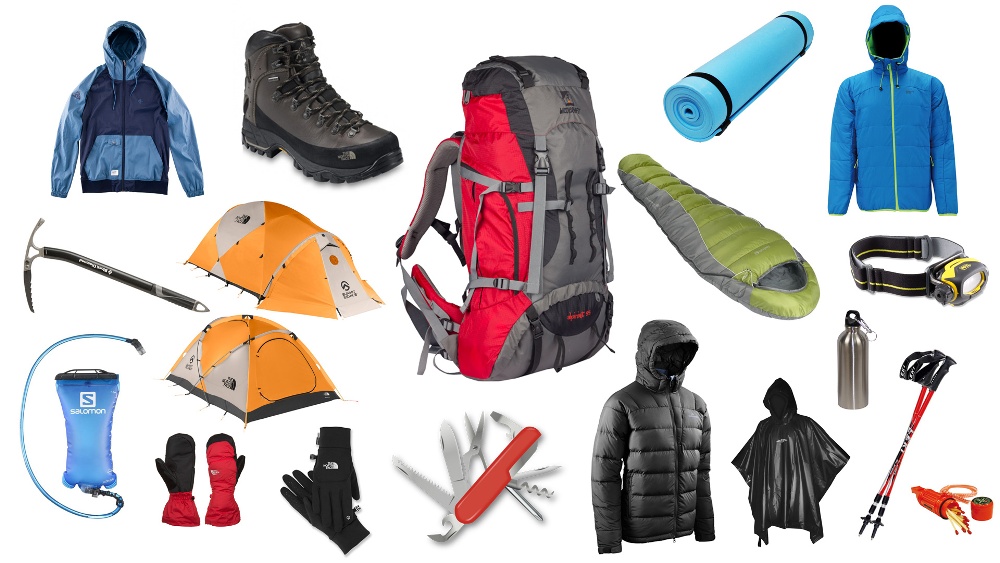
A successful climb of Mount Kilimanjaro depends greatly on having the right equipment. Because the mountain has multiple climate zones, conditions change quickly from warm rainforest to freezing summit temperatures, so proper preparation is essential.
You need layered clothing that allows you to adjust as temperatures change during the day. A warm insulated jacket is required for summit night when temperatures drop significantly. Waterproof outer layers are also important to protect you from rain and wind at higher elevations. Well-broken-in hiking boots are essential for comfort and safety on rocky and uneven trails.
Other key items include thermal gloves and a warm hat for cold conditions, a high-quality sleeping bag suitable for sub-zero temperatures, a headlamp for night trekking, and a hydration system or water bottles to stay properly hydrated throughout the climb.
Sunscreen, sunglasses, and dry bags for protecting gear from rain are also strongly recommended.
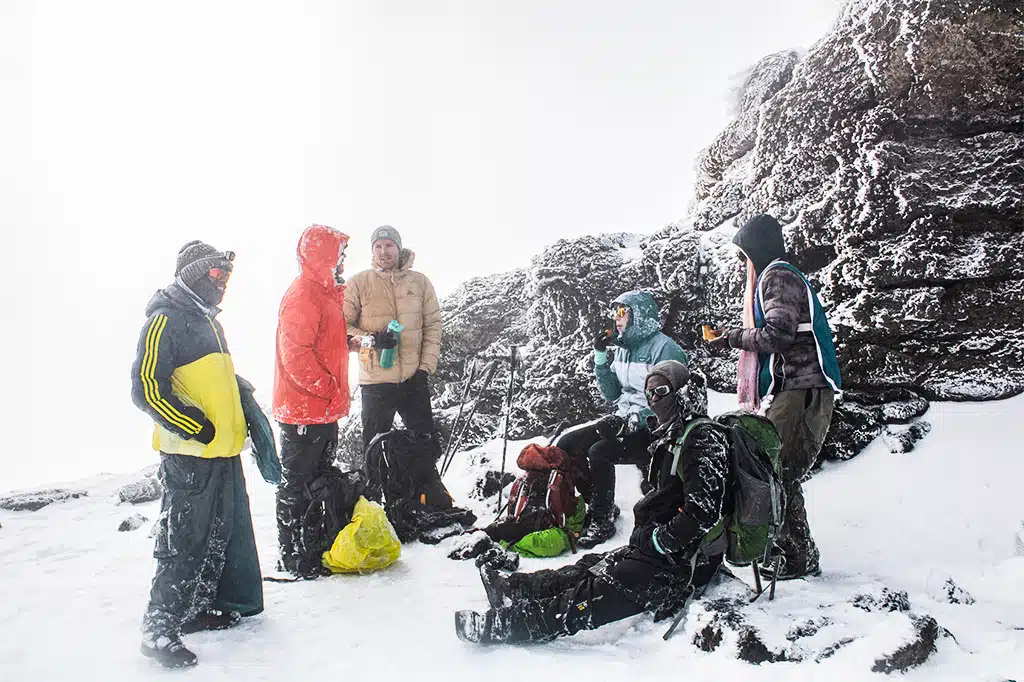
On Mount Kilimanjaro, you are never alone. A full team of guides, assistant guides, cooks, and porters supports you from start to finish. Guides watch your health every day by checking your energy, breathing, and walking pace. If you show any signs of altitude sickness or fatigue, they immediately slow the pace, advise rest, or adjust the plan to keep you safe. Porters carry most of the heavy equipment like tents, food, and supplies, so you only carry a small daypack. This teamwork allows you to focus on walking, acclimatizing, and enjoying the climb instead of worrying about logistics.
Safety systems are in place throughout the climb, especially at higher altitudes where conditions become more serious. Trusted operators always carry emergency oxygen to support climbers who develop severe altitude symptoms. Guides are trained in first aid and high-altitude rescue response, so they can react quickly if someone feels unwell. In addition, evacuation plans are ready in case a climber needs to descend urgently for medical reasons. Communication with park authorities and rescue teams ensures help can be arranged when needed. All of this makes the climb challenging but professionally managed and safe when done with a reputable operator.
The best time to climb Mount Kilimanjaro is during the dry seasons because the weather is more stable and the trekking conditions are much safer. From January to March and June to October, the mountain usually has clearer skies, meaning you get better views and more enjoyable trekking conditions. The trails are also less muddy and slippery compared to rainy seasons, which makes walking easier and reduces the risk of accidents or delays. Another major advantage of these months is that visibility is higher, so you can enjoy sunrise views and see the surrounding landscapes more clearly. Most importantly, these conditions contribute to higher summit success rates because climbers can move more comfortably and consistently without extreme weather interruptions.
The Marangu Route is often called the “Coca-Cola Route” because it is considered the easiest and most comfortable option on Mount Kilimanjaro. One of its main advantages is that it uses hut accommodation instead of tents, which makes sleeping slightly more comfortable and protected from weather conditions. However, the route is shorter in acclimatization time, which means climbers gain altitude more quickly without enough time for the body to adjust. This often results in a lower summit success rate compared to longer routes. In addition, the scenery is less diverse because the ascent and descent follow the same path, so you don’t experience as many different landscapes.
The Lemosho Route is widely considered one of the best and most scenic routes on Kilimanjaro. It starts on the western side of the mountain and takes a longer, more gradual path to the summit. This slower progression gives your body more time to adapt to altitude, which significantly improves acclimatization and increases the chances of reaching Uhuru Peak. The route also offers very remote and untouched landscapes at the beginning, making the experience feel more wild and less crowded. Because of its longer duration and better acclimatization profile, it is often recommended for climbers who want the highest possible success rate and a more comfortable overall experience.
The 6 Days Machame Route on Mount Kilimanjaro is one of the most rewarding trekking experiences you can choose. It combines stunning scenery, physical challenge, and the deep sense of achievement that comes from reaching the highest point in Africa.
This route is not the easiest option, and it is important to be honest about that. The shorter duration means your body has less time to adjust to altitude, which makes the climb more demanding both physically and mentally. However, for climbers who are well-prepared, determined, and guided by experienced mountain professionals, it offers an incredible adventure that many describe as life-changing. From rainforest trails to the icy summit at Uhuru Peak, every day brings a new environment and a stronger sense of progress toward your goal.
Ultimately, this route is best suited for people who want a balance of challenge and beauty, and who are ready to push themselves beyond comfort for a truly unforgettable experience.
Ready to take on Mount Kilimanjaro and stand at Uhuru Peak?
Join our professionally guided 6 Days Machame Route climb and experience a safe, well-supported journey with a trusted local team in Tanzania.
Don’t wait spaces are limited due to high demand during climbing seasons. Secure your spot early and start preparing for one of the greatest adventures of your life.